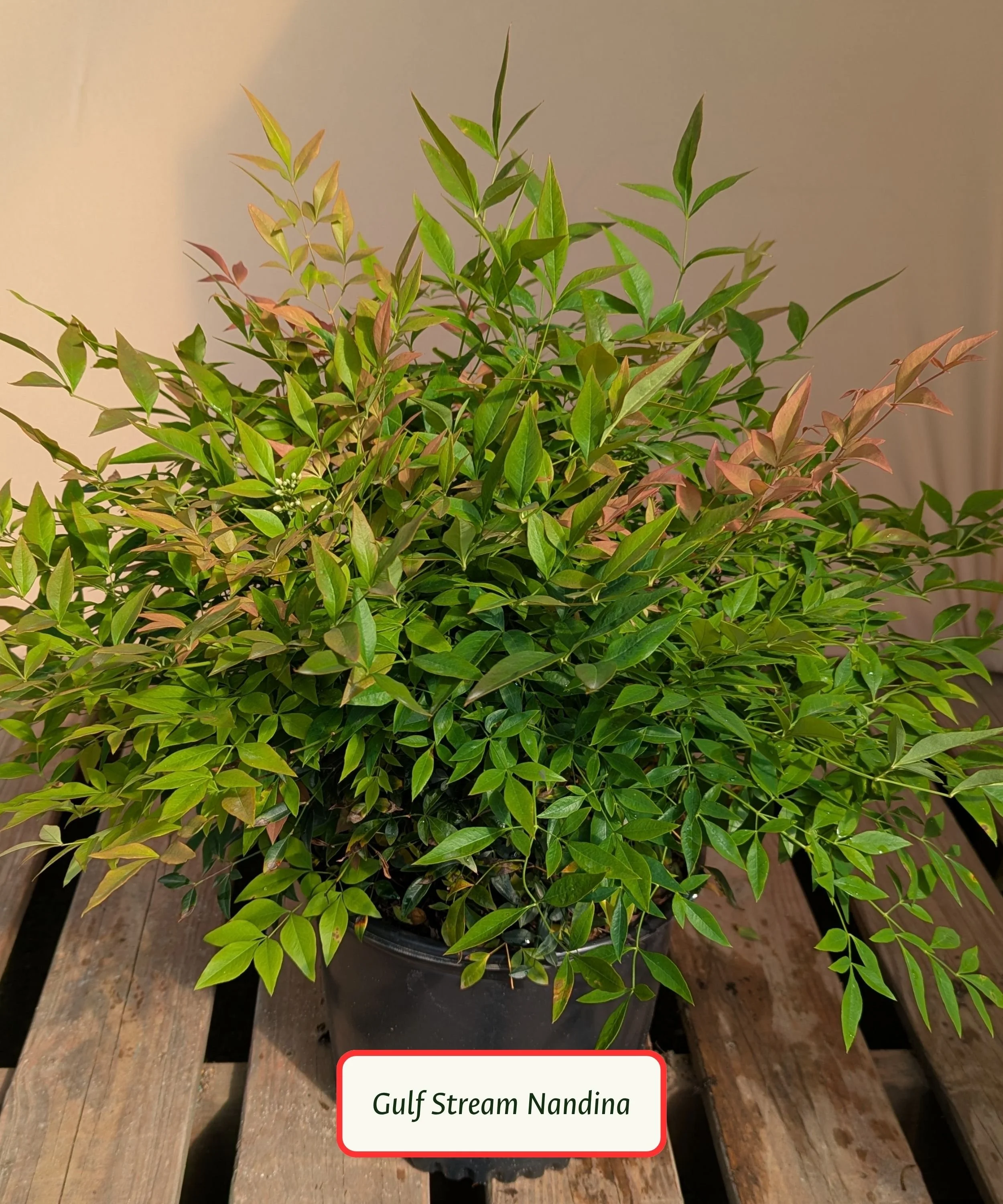
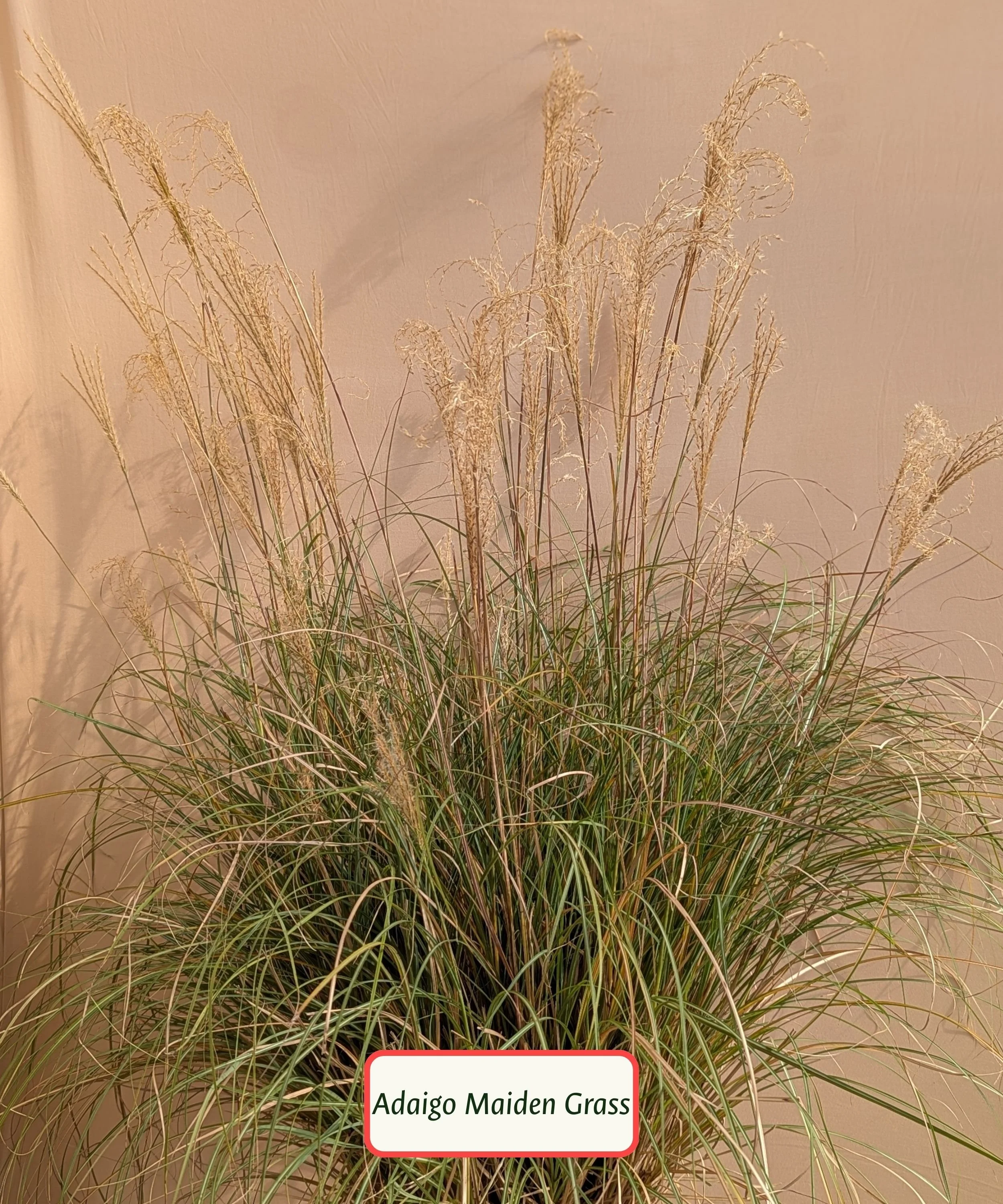
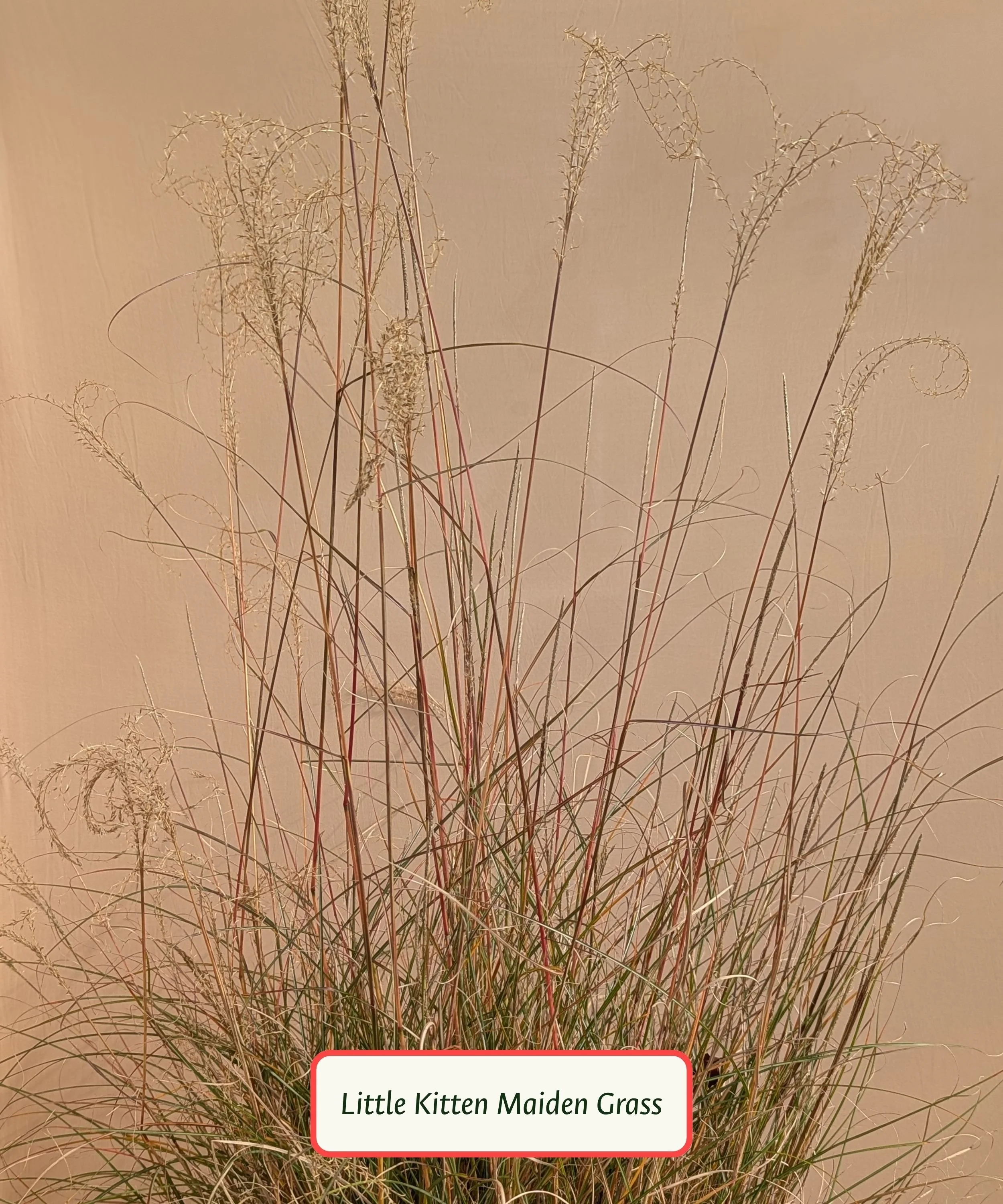
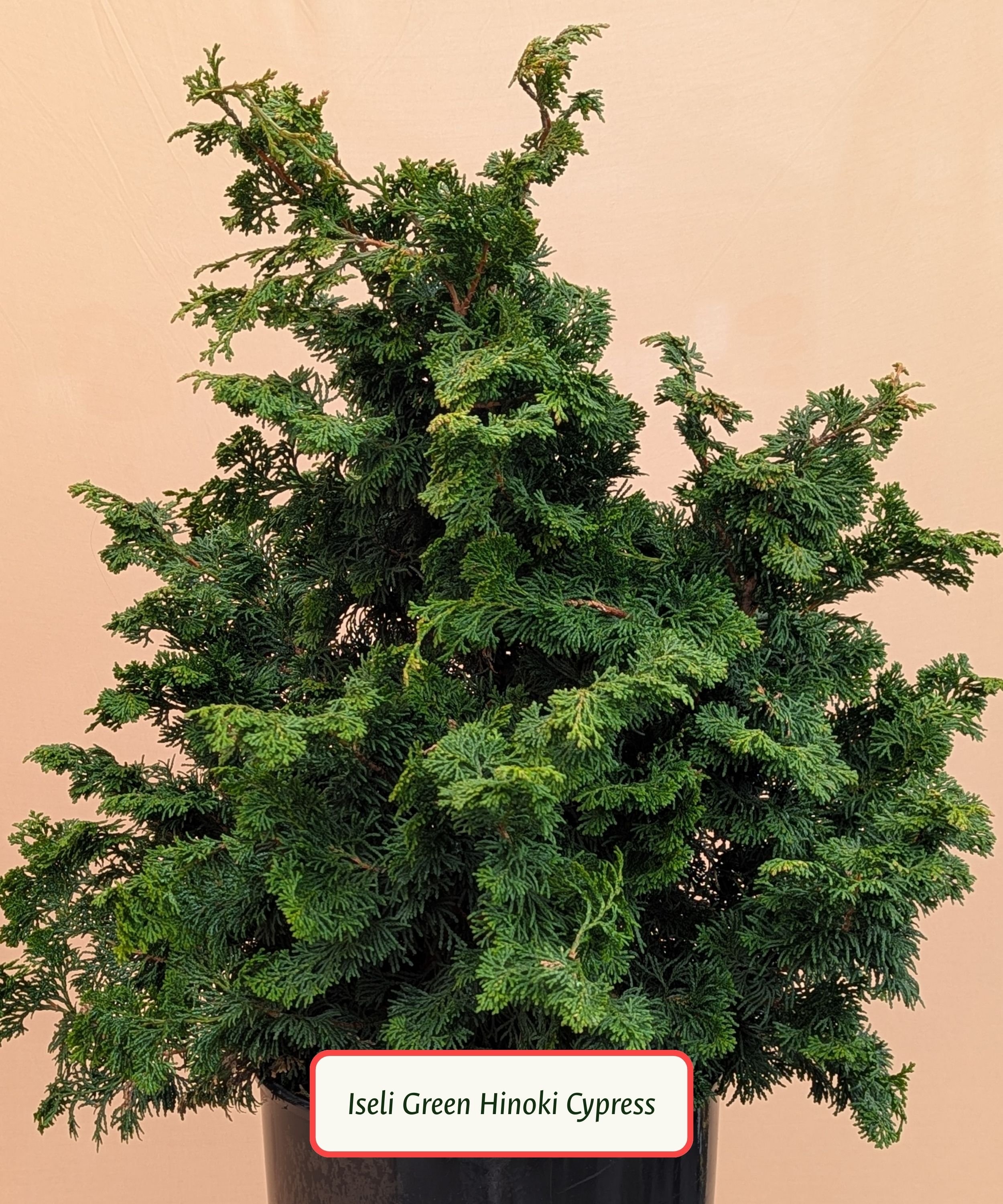
 Image 1 of 5
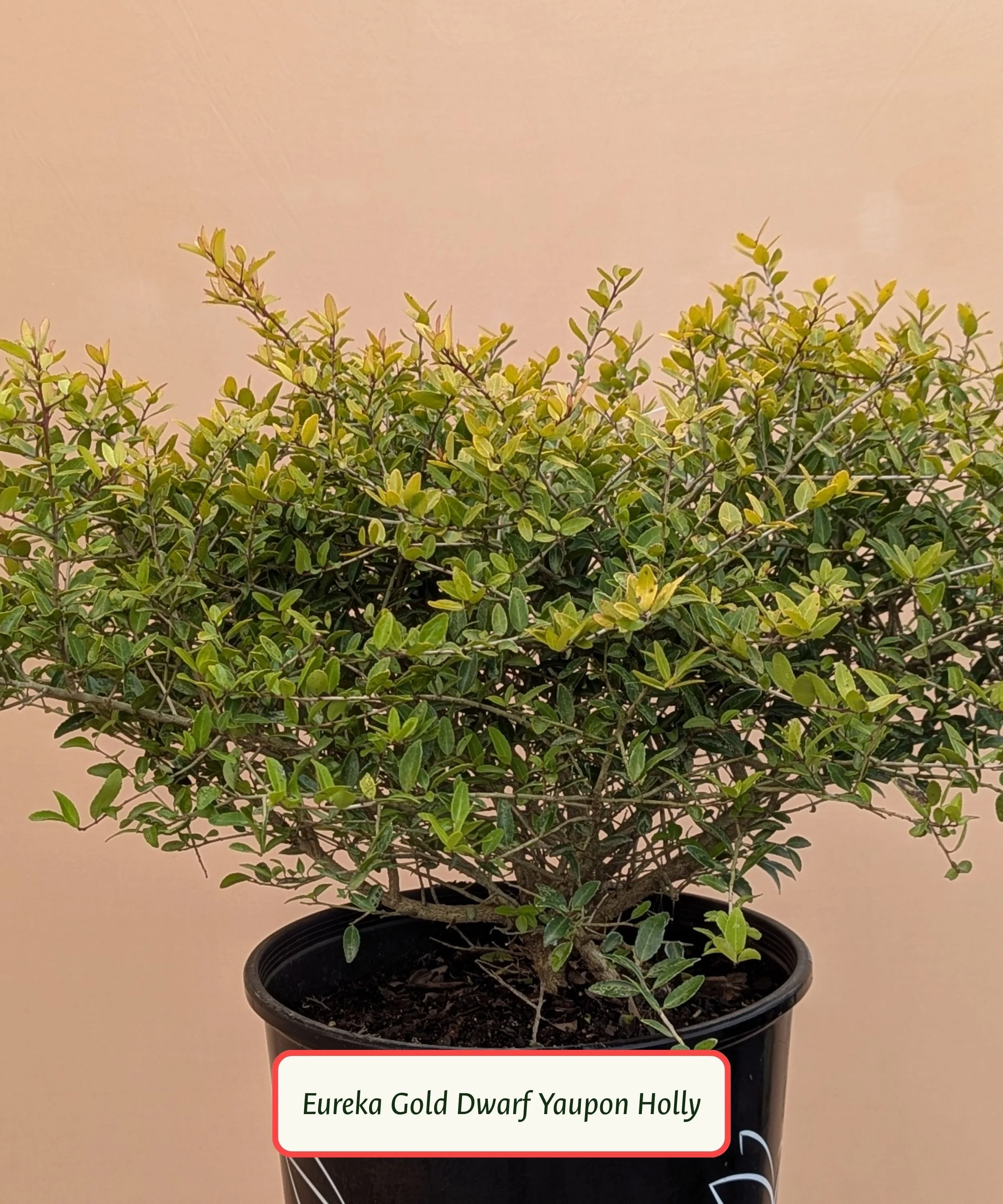 Image 2 of 5
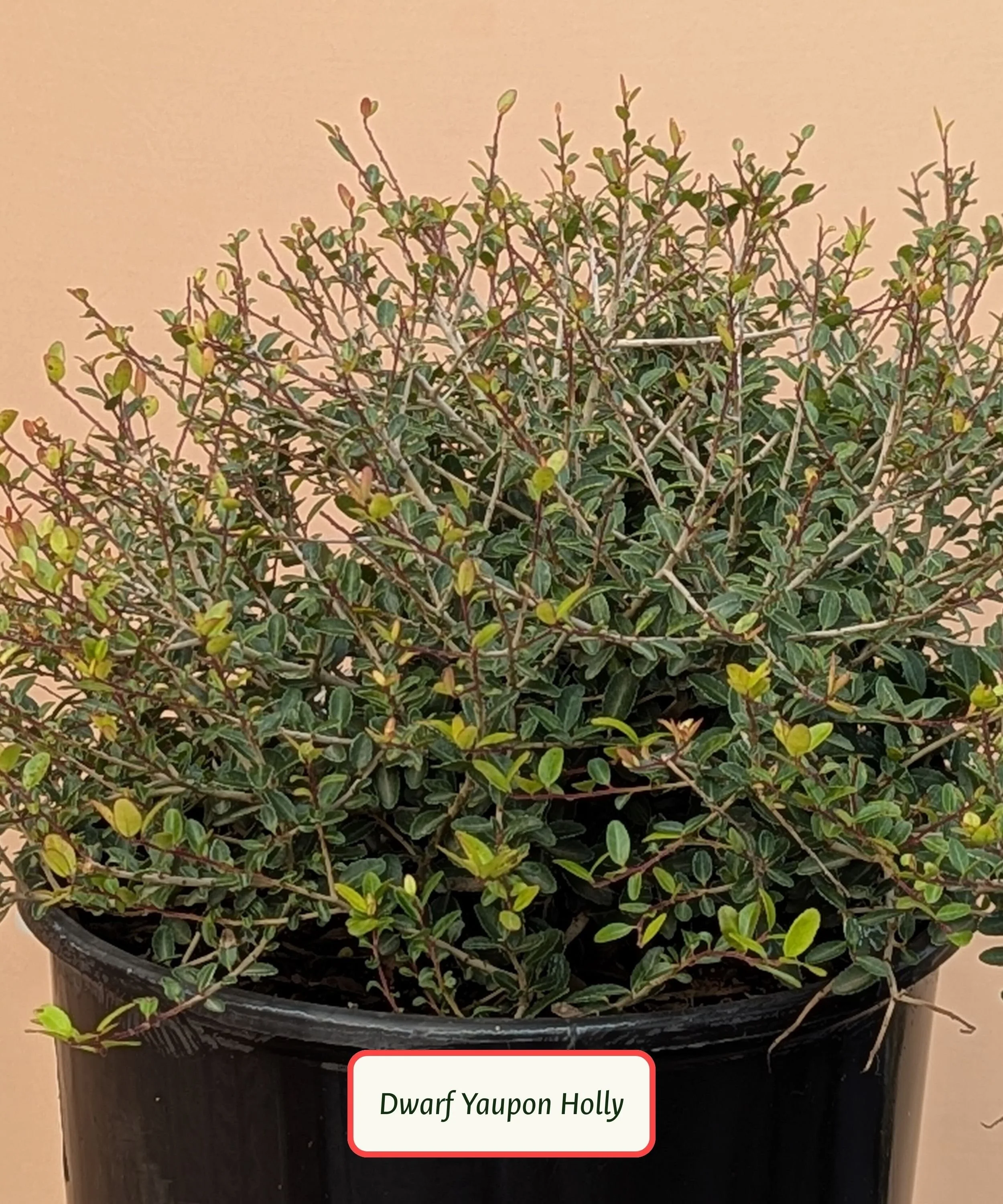 Image 3 of 5
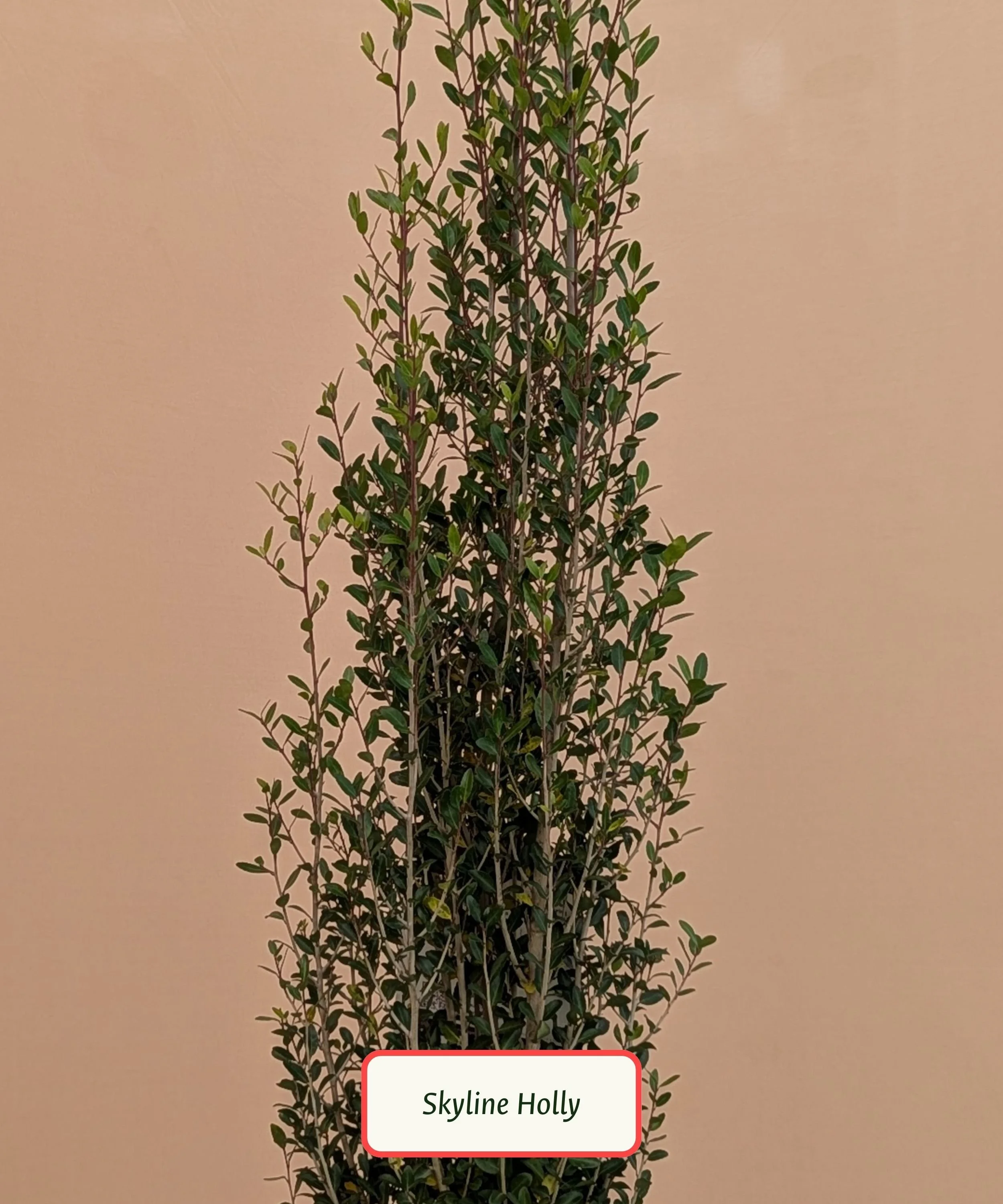 Image 4 of 5
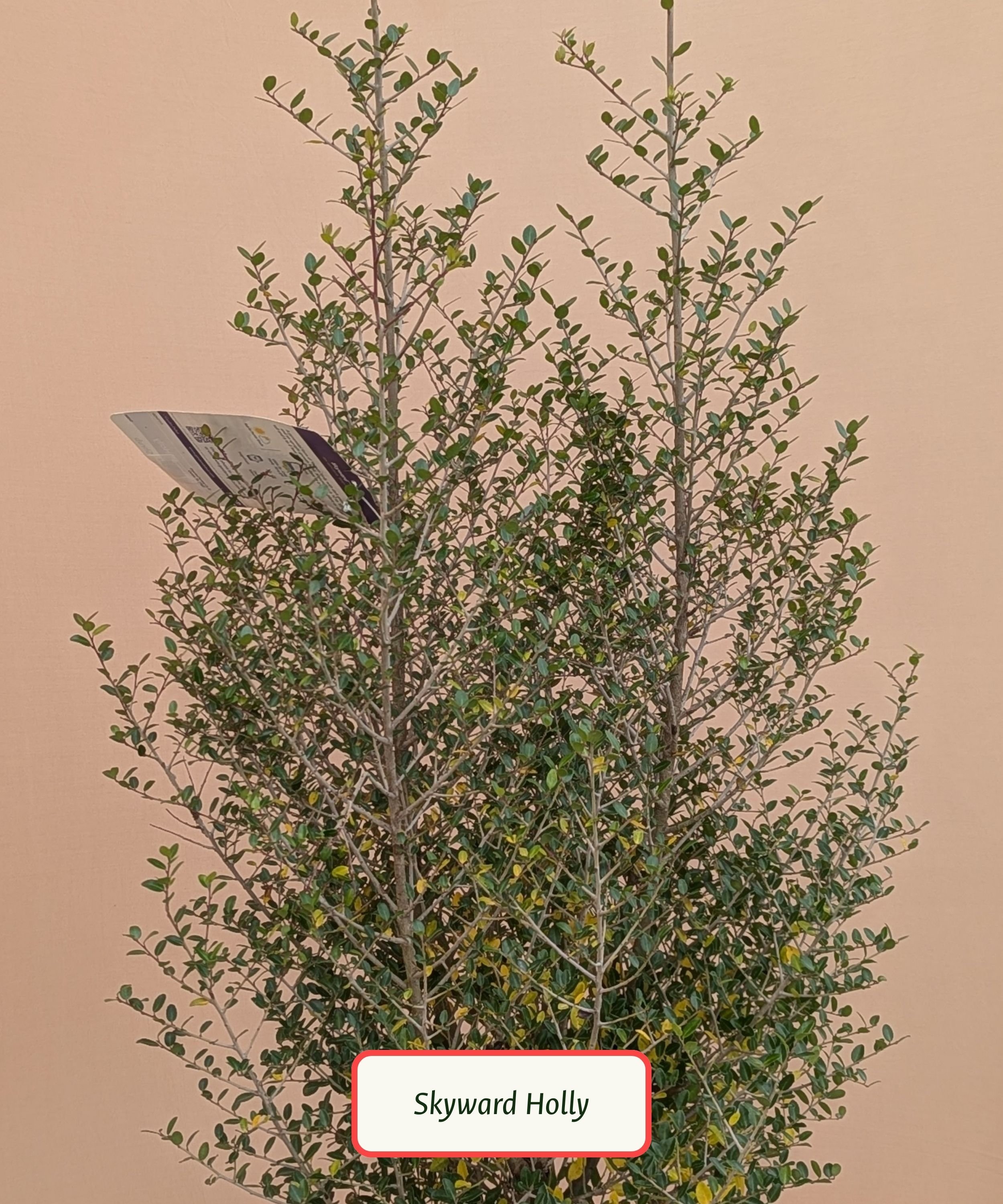 Image 5 of 5
Botanical Name: Ilex vomitoria
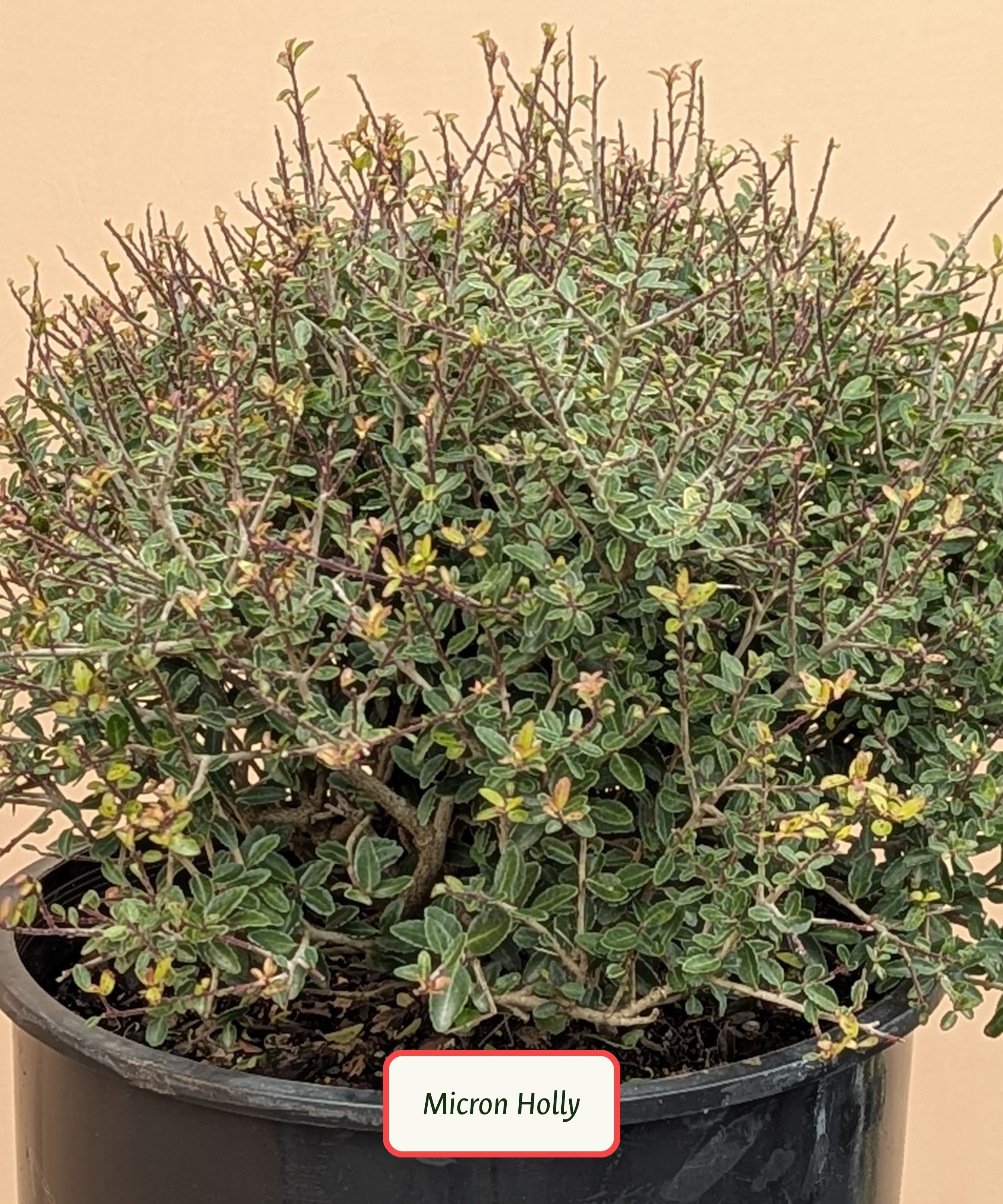
Micron
Eureka Gold
Dwarf (Schillings or Nana male version)
Skyline
Skyward
Pendula
The following varieties may be available for special request: Pride of Houston
Seasons of availability: All Year.
A woody, broadleaf, evergreen shrub or small tree native to the eastern United States and the Carolinas. This upright, irregularly branched Holly with alternate arrangement can rapidly grow 10-20’ tall and 8-12’ spread. To achieve the attractive bright red signature fruits of the Yaupon Holly, both male and female shrubs that bloom in the same time period must be planted. Yaupon Holly is considered highly reliable and has many cultivars including dwarf and weeping forms. Leaves are small, leathery and bright green and are not prickly like other Hollies. Yaupon Holly has good deer resistance and no significant insect or disease issues. It is ideal for shearing into a screen, hedge, or topiary, and it makes a great foundation or mass planting. The tightly packed leaves also work well as a windbreak or barrier planting. Yaupon is also salt tolerant and resistant to most blights and root rot diseases, making it a great alternative to boxwoods and Japanese hollies. Having high wildlife value, Yaupon Holly is a larval host plant for the Henry's Elfin and Holly Azure butterfly. Butterflies and other pollinators benefit from the small blooms. The fruits are eaten by songbirds and small mammals. The foliage is also a natural source of caffeine and is sometimes used for tea.
Yaupon performs best in full sun to partial shade, but it can survive in almost all lighting situations. Yaupon Holly will produce more fruit and a thicker canopy with more sun. Yaupon is hardy to growing Zones 7-9. The variety Micron is slightly more cold sensitive and should be protected until more established. Prune in late Winter to early Spring, but be mindful of future bloom and berry set. The Yaupon Holly can stolonize and may form thickets if suckers are not removed. Mulch the prepared soil base to retain moisture and fertilize with a slow-release fertilizer to encourage new growth.
Ideal planting seasons: Fall, Winter, and Spring.
Botanical Name: Ilex vomitoria
Micron
Eureka Gold
Dwarf (Schillings or Nana male version)
Skyline
Skyward
Pendula
The following varieties may be available for special request: Pride of Houston
Seasons of availability: All Year.
A woody, broadleaf, evergreen shrub or small tree native to the eastern United States and the Carolinas. This upright, irregularly branched Holly with alternate arrangement can rapidly grow 10-20’ tall and 8-12’ spread. To achieve the attractive bright red signature fruits of the Yaupon Holly, both male and female shrubs that bloom in the same time period must be planted. Yaupon Holly is considered highly reliable and has many cultivars including dwarf and weeping forms. Leaves are small, leathery and bright green and are not prickly like other Hollies. Yaupon Holly has good deer resistance and no significant insect or disease issues. It is ideal for shearing into a screen, hedge, or topiary, and it makes a great foundation or mass planting. The tightly packed leaves also work well as a windbreak or barrier planting. Yaupon is also salt tolerant and resistant to most blights and root rot diseases, making it a great alternative to boxwoods and Japanese hollies. Having high wildlife value, Yaupon Holly is a larval host plant for the Henry's Elfin and Holly Azure butterfly. Butterflies and other pollinators benefit from the small blooms. The fruits are eaten by songbirds and small mammals. The foliage is also a natural source of caffeine and is sometimes used for tea.
Yaupon performs best in full sun to partial shade, but it can survive in almost all lighting situations. Yaupon Holly will produce more fruit and a thicker canopy with more sun. Yaupon is hardy to growing Zones 7-9. The variety Micron is slightly more cold sensitive and should be protected until more established. Prune in late Winter to early Spring, but be mindful of future bloom and berry set. The Yaupon Holly can stolonize and may form thickets if suckers are not removed. Mulch the prepared soil base to retain moisture and fertilize with a slow-release fertilizer to encourage new growth.
Ideal planting seasons: Fall, Winter, and Spring.