 Image 1 of 3
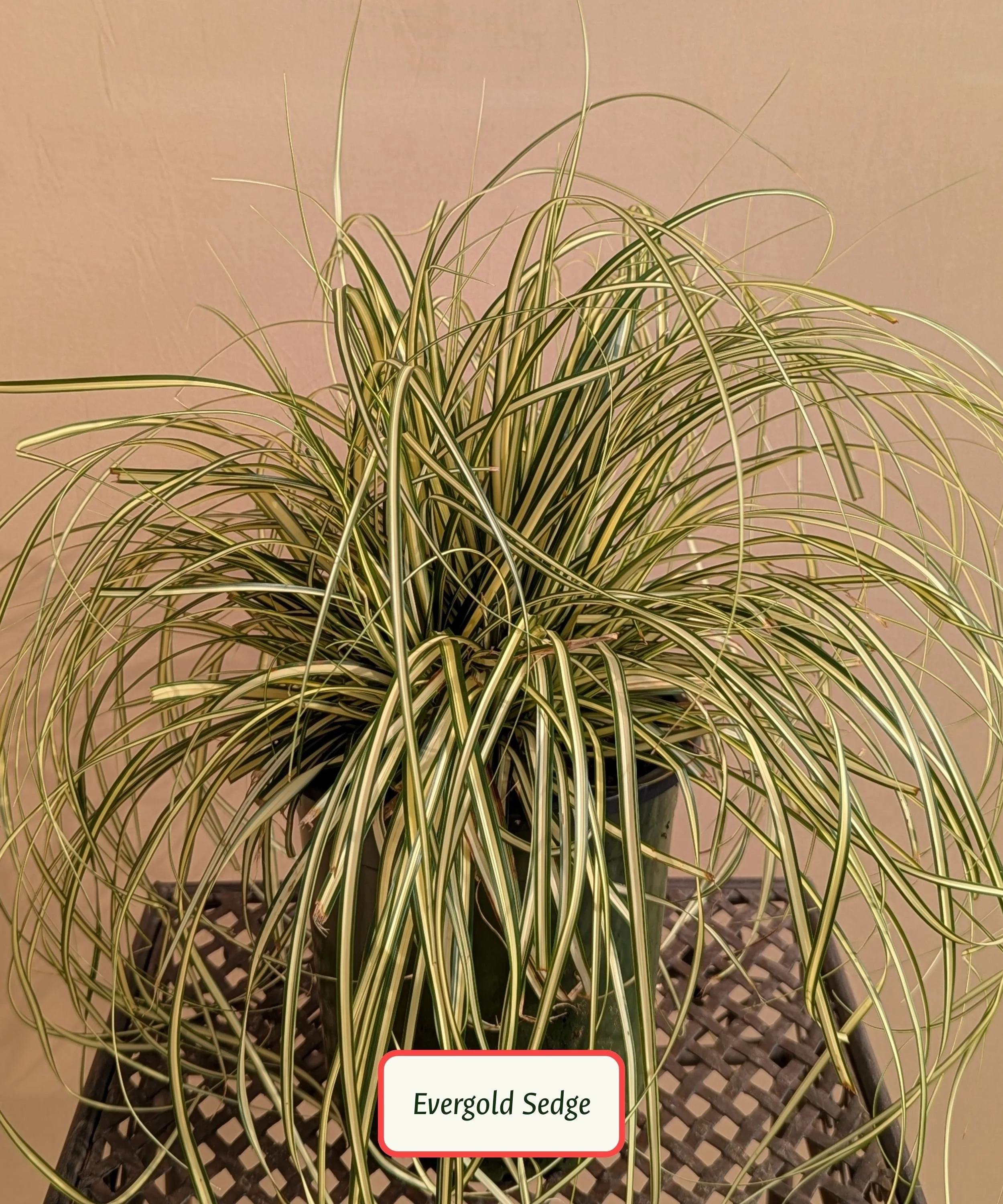 Image 2 of 3
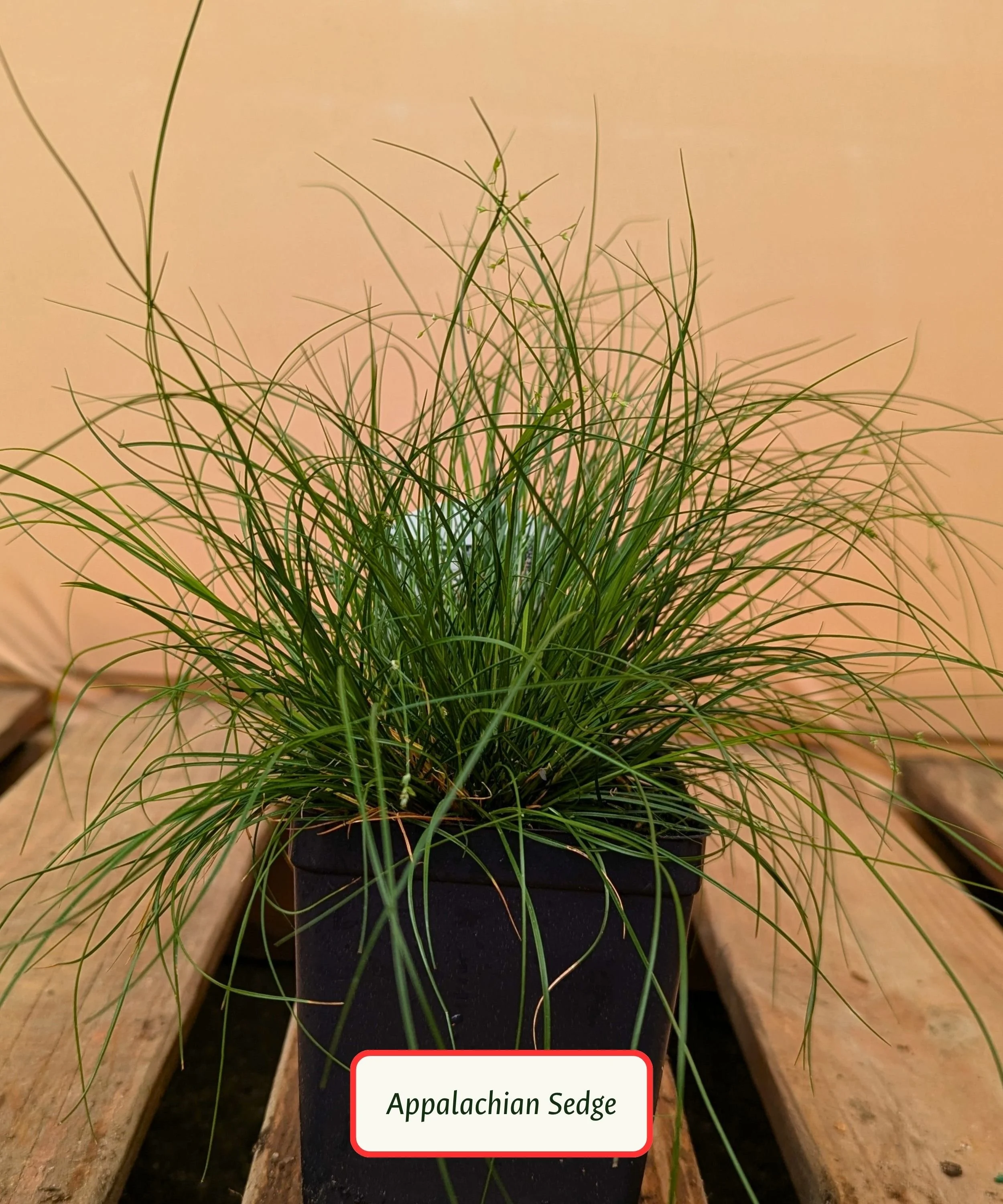 Image 3 of 3
Botanical Name: Carex
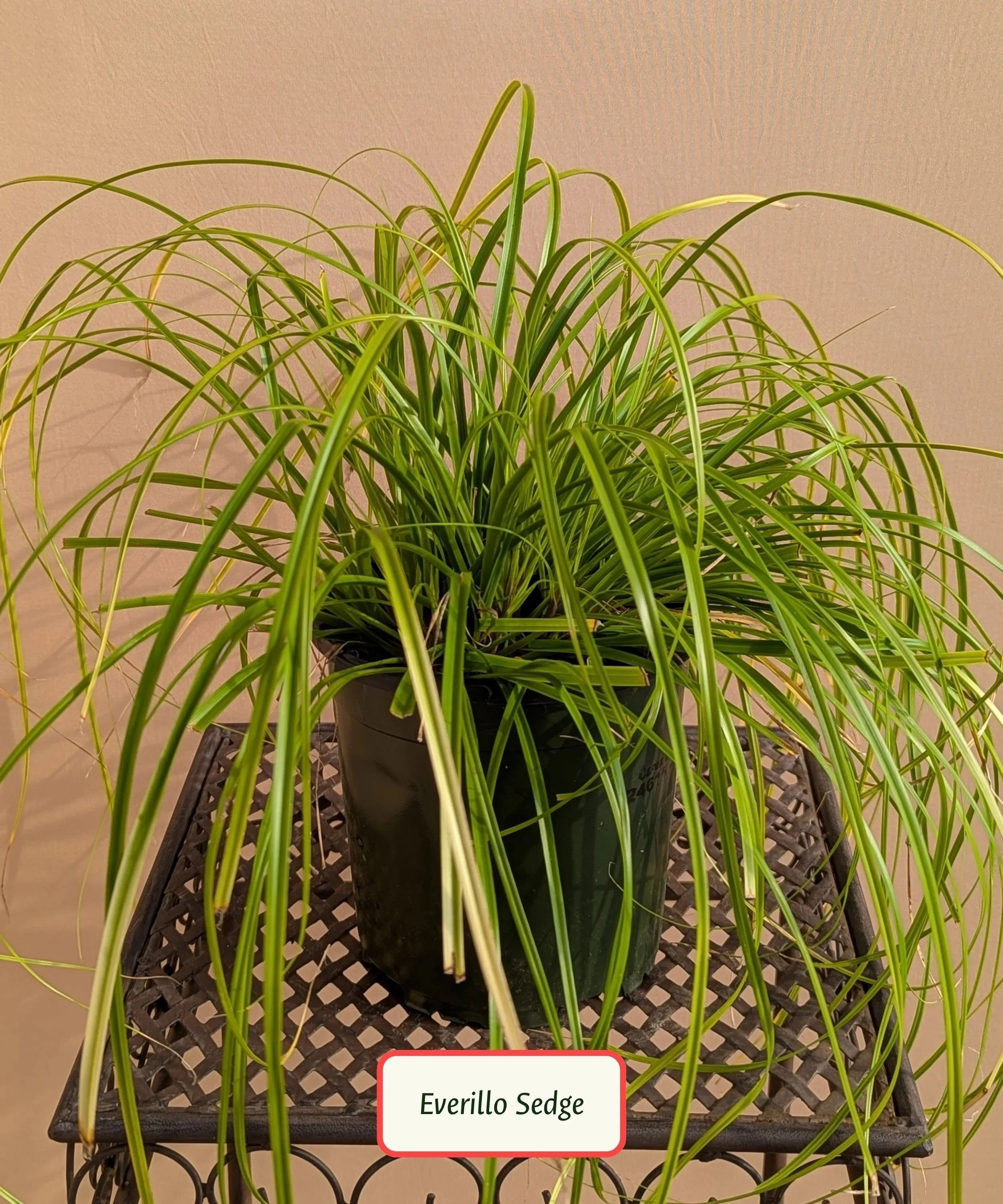
Everillo
Evergold
Bunny Blue
Eversheen
The following varieties may be available for special request: Carex pennsylvanica, Carex appalachica
Seasons of availability: Spring and Fall.
There are hundreds of species of sedges, but the focus here is primarily on ornamental native and japanese varieties. Plant them along a border, in small groups, or use them in containers. Many do well in shade gardens and rain gardens. Sedges are broadleaf evergreen herbaceous perennials that vary in size from a few inches to around 2 feet. Most varieties form a clumping habit, with a wide variety of leaf colors and textures. Sedges (native types in particular) have wildlife value providing shelter and food sources to small mammals, birds, and insects while showing good deer resistance.
Sedges can quickly show signs of stress if they are over-fertilized or over-watered. In cultivation, most sedges are hardy plants, but they can be sensitive to temperature fluctuations and soil conditions. They are also slow to recover from being cut back. Sedges show minimal insect issues, but they may show rust and crown or root rots with over-watering. Sedges are slow-growing and care should be taken to ensure that the growing conditions are suitable for the species selected. Some sedges can handle light foot traffic and thrive in moist soil. Most sedges are best in growing Zones 5-9.
Ideal planting seasons: Fall, Winter, and Spring.
Botanical Name: Carex
Everillo
Evergold
Bunny Blue
Eversheen
The following varieties may be available for special request: Carex pennsylvanica, Carex appalachica
Seasons of availability: Spring and Fall.
There are hundreds of species of sedges, but the focus here is primarily on ornamental native and japanese varieties. Plant them along a border, in small groups, or use them in containers. Many do well in shade gardens and rain gardens. Sedges are broadleaf evergreen herbaceous perennials that vary in size from a few inches to around 2 feet. Most varieties form a clumping habit, with a wide variety of leaf colors and textures. Sedges (native types in particular) have wildlife value providing shelter and food sources to small mammals, birds, and insects while showing good deer resistance.
Sedges can quickly show signs of stress if they are over-fertilized or over-watered. In cultivation, most sedges are hardy plants, but they can be sensitive to temperature fluctuations and soil conditions. They are also slow to recover from being cut back. Sedges show minimal insect issues, but they may show rust and crown or root rots with over-watering. Sedges are slow-growing and care should be taken to ensure that the growing conditions are suitable for the species selected. Some sedges can handle light foot traffic and thrive in moist soil. Most sedges are best in growing Zones 5-9.
Ideal planting seasons: Fall, Winter, and Spring.