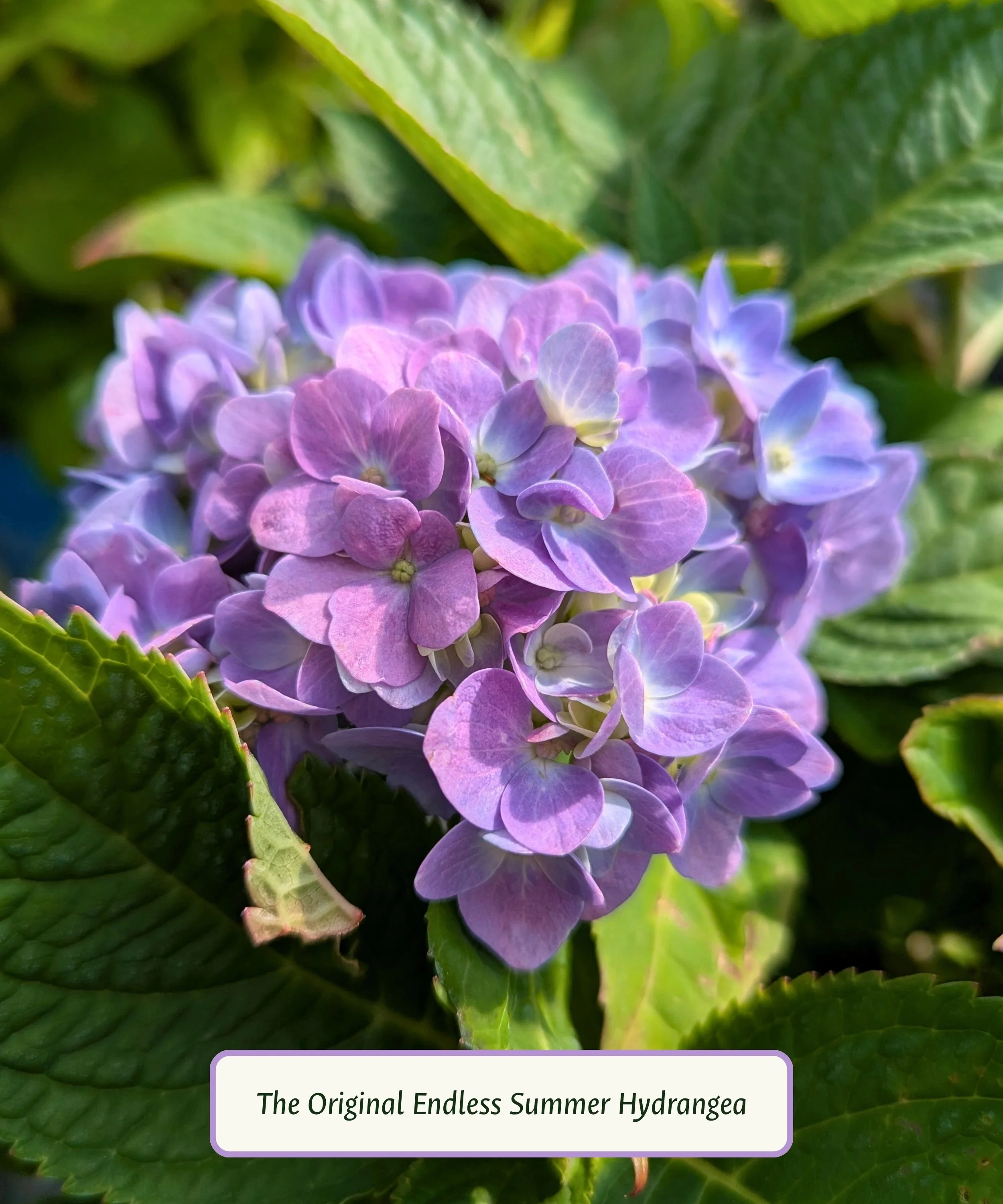
 Image 1 of 4
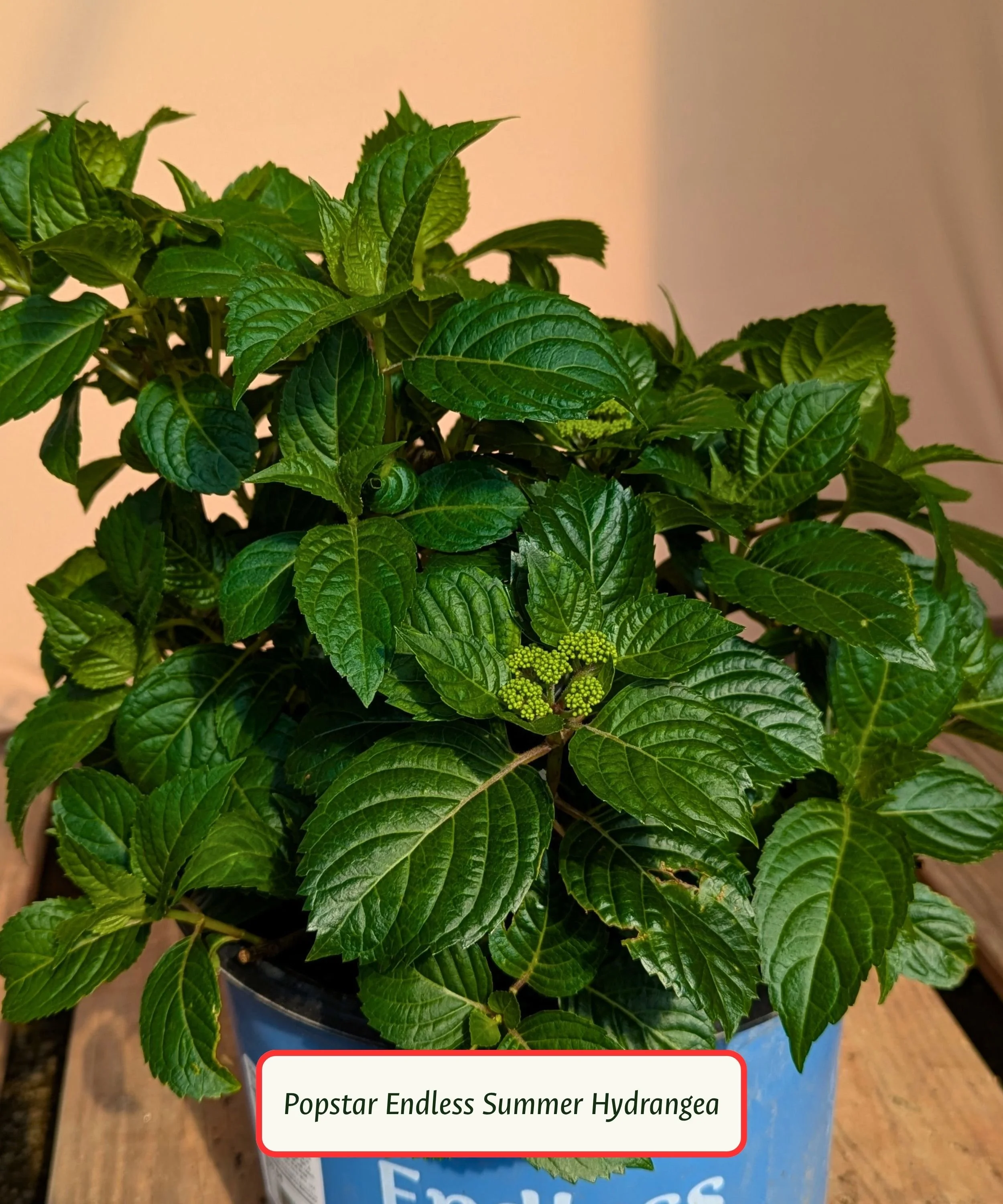
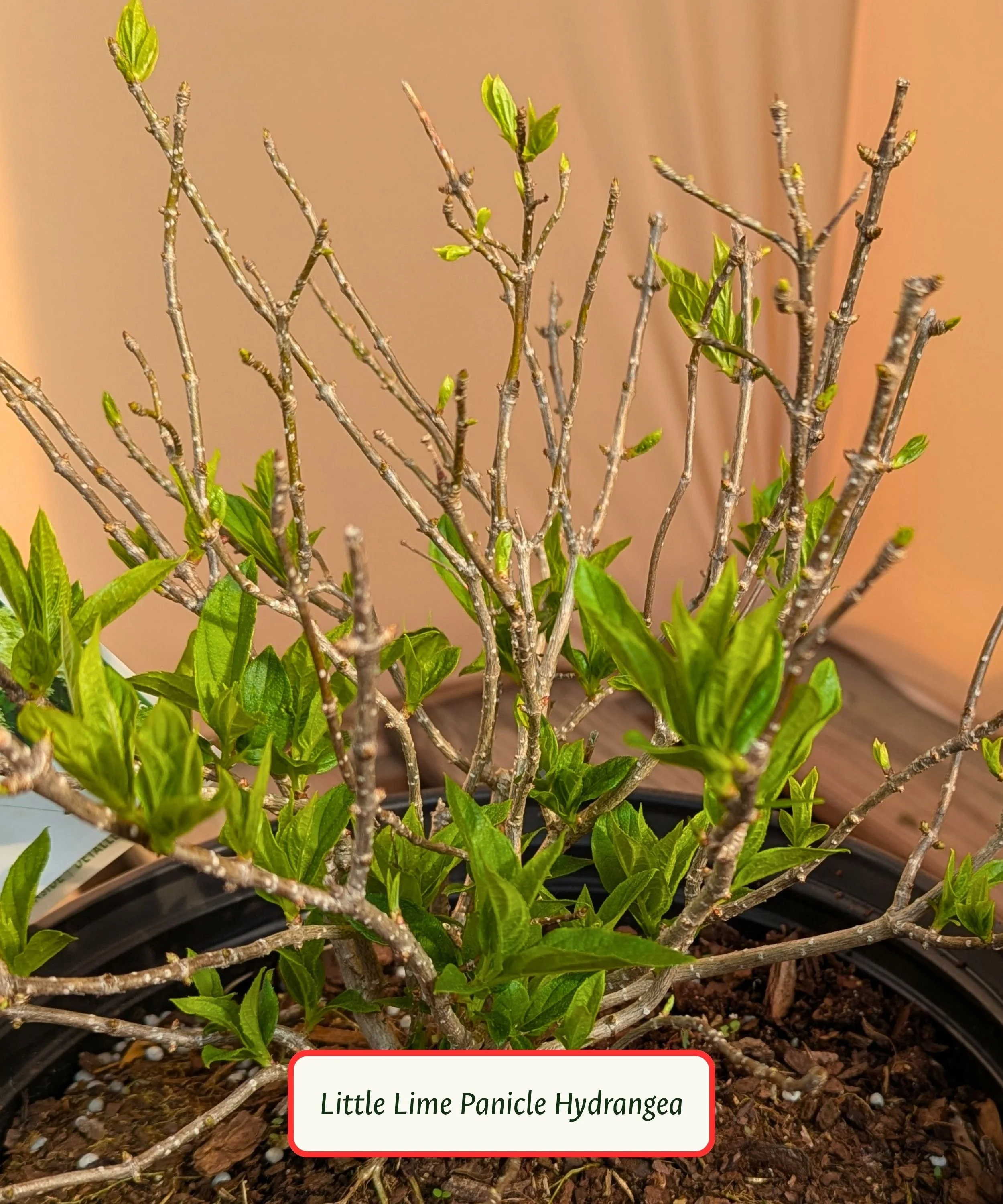 Image 2 of 4
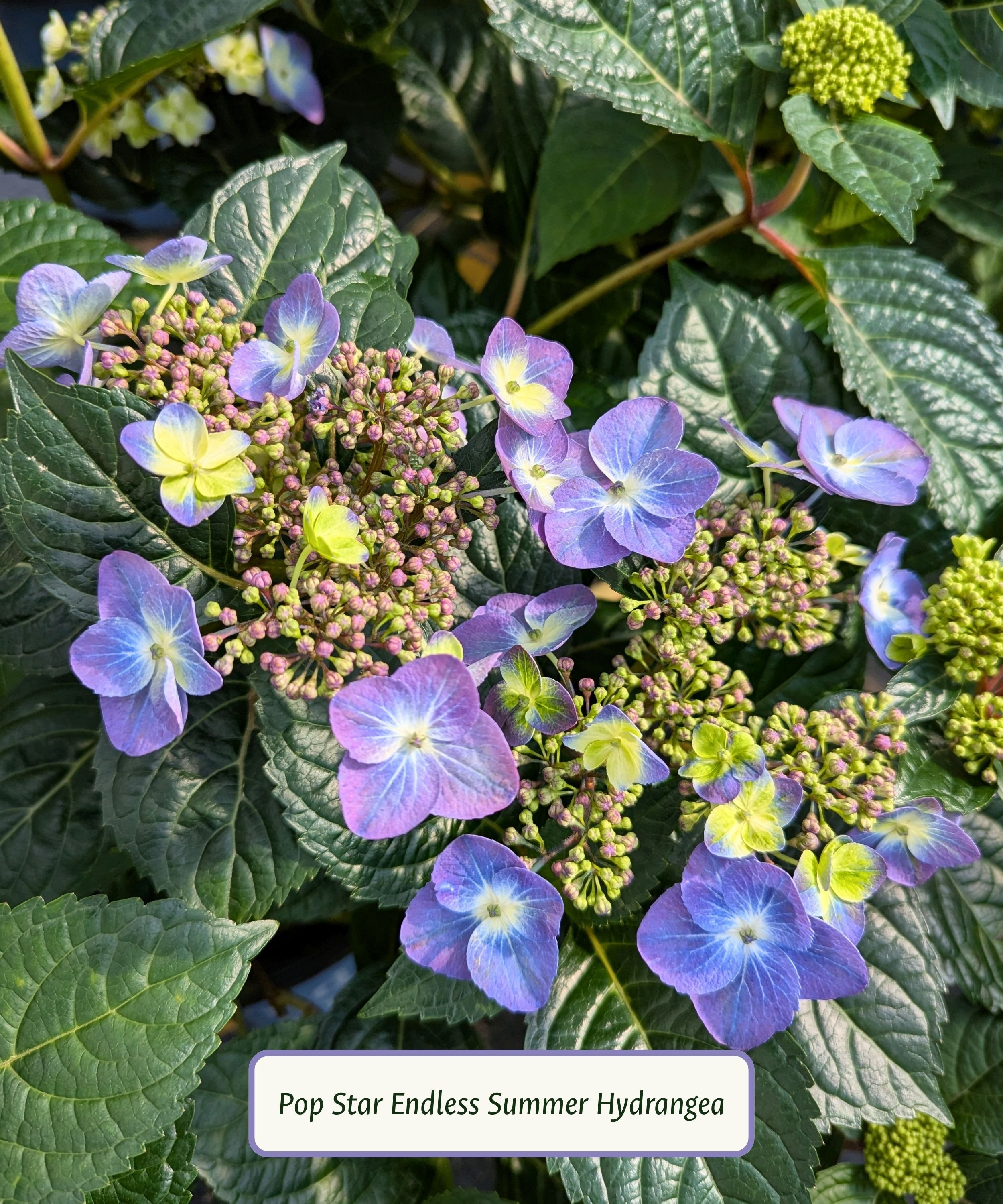
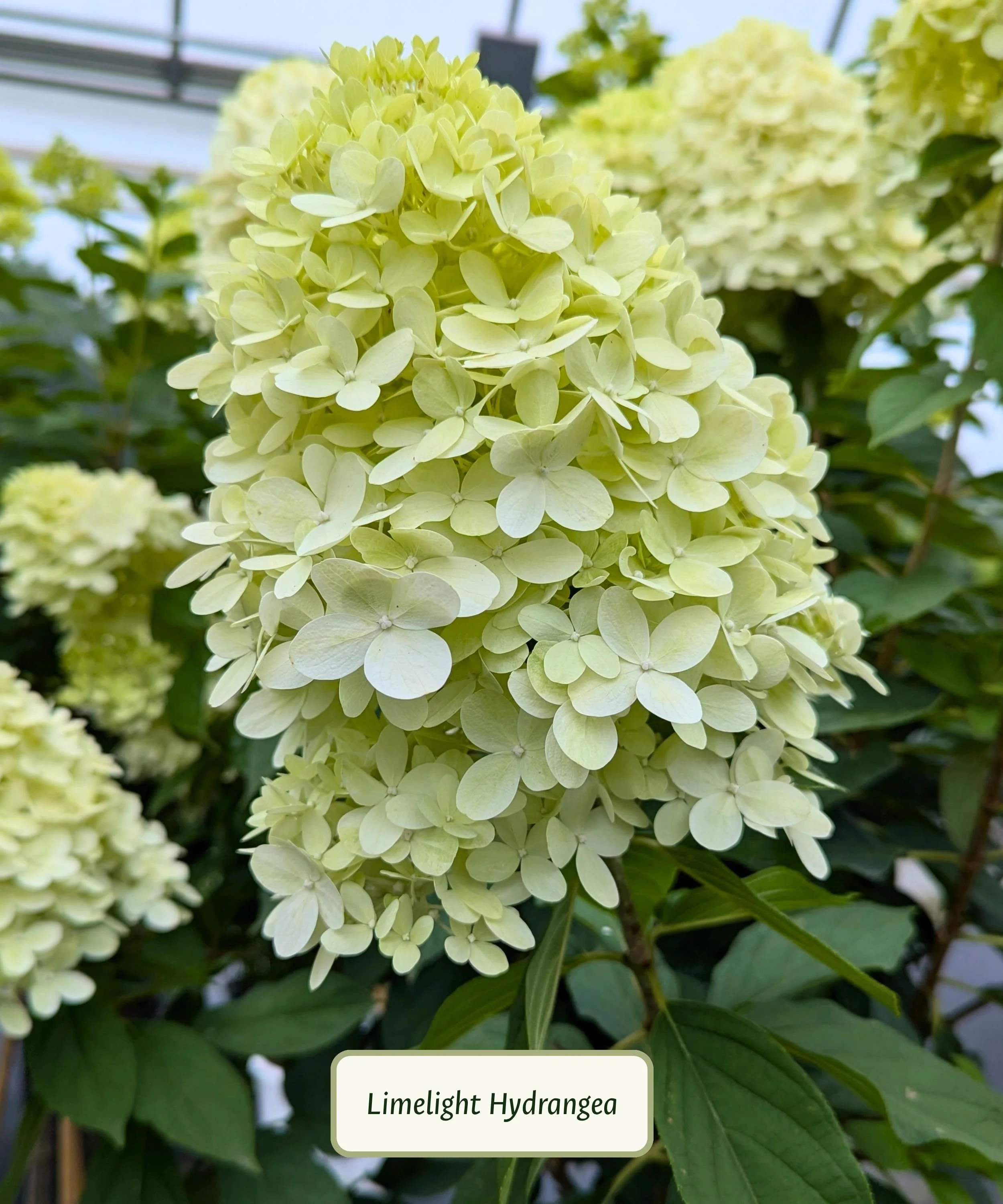 Image 3 of 4
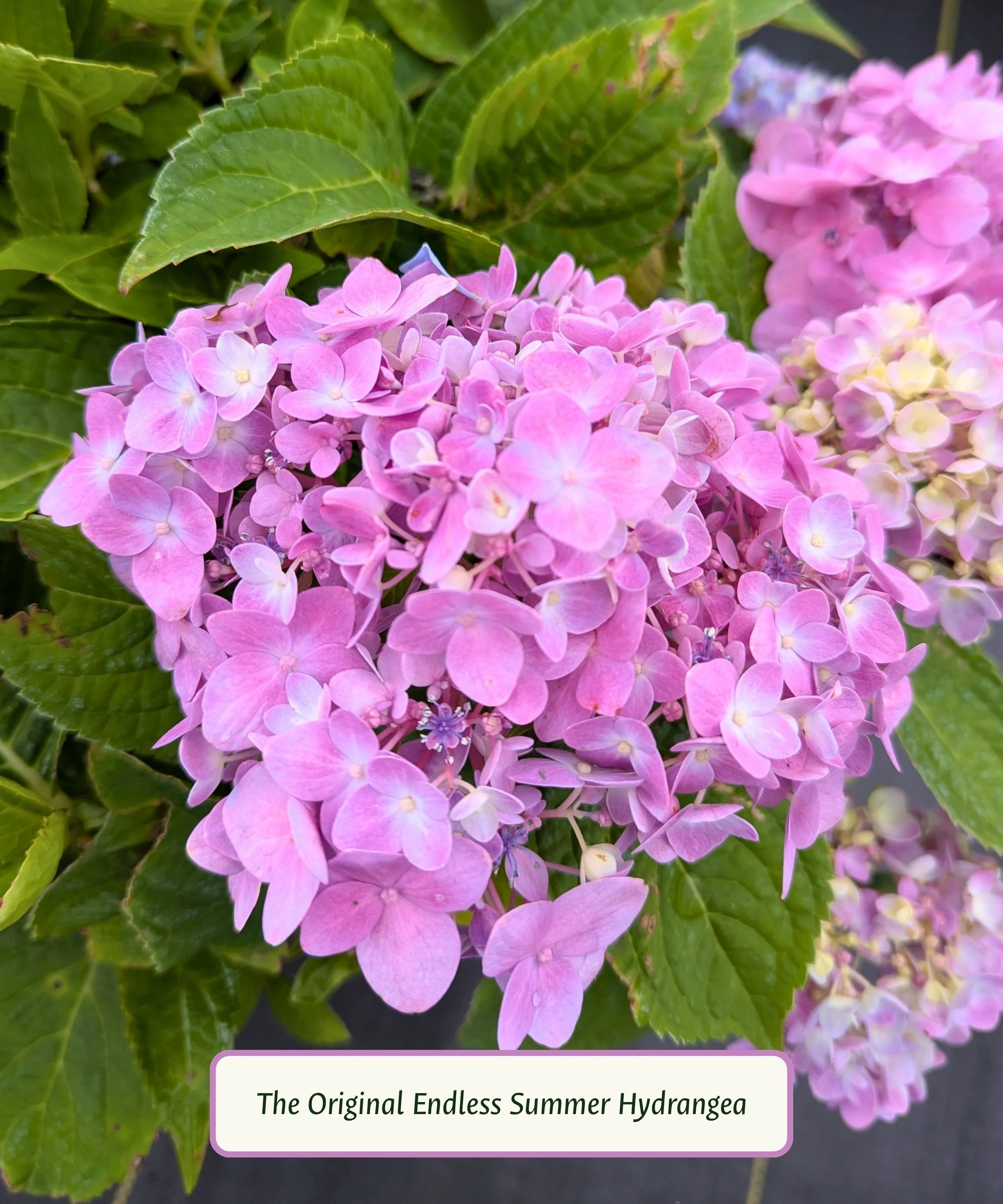
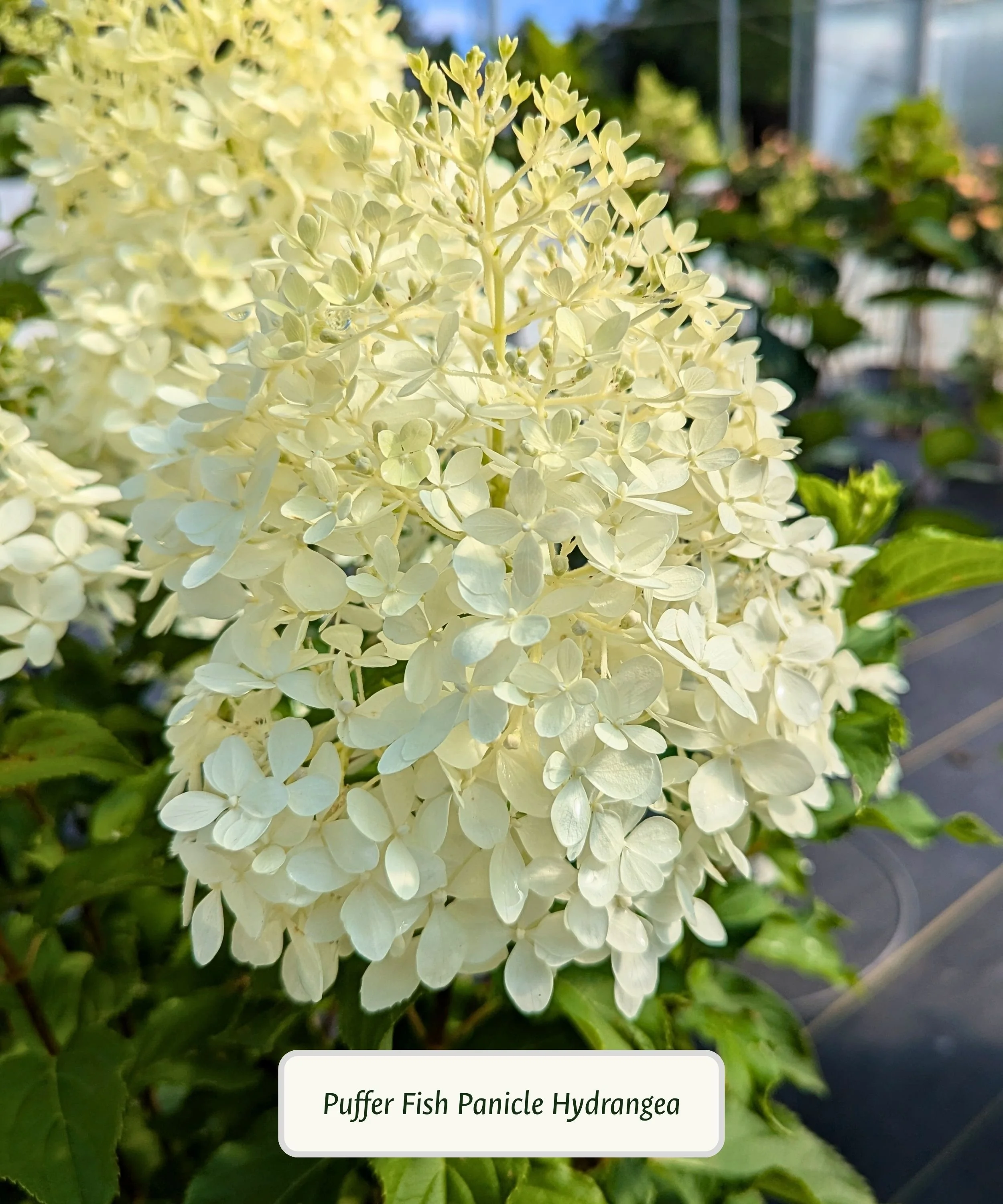 Image 4 of 4
Botanical Name: Hydrangea panniculata
Limelight
Little Lime
Limelight Prime
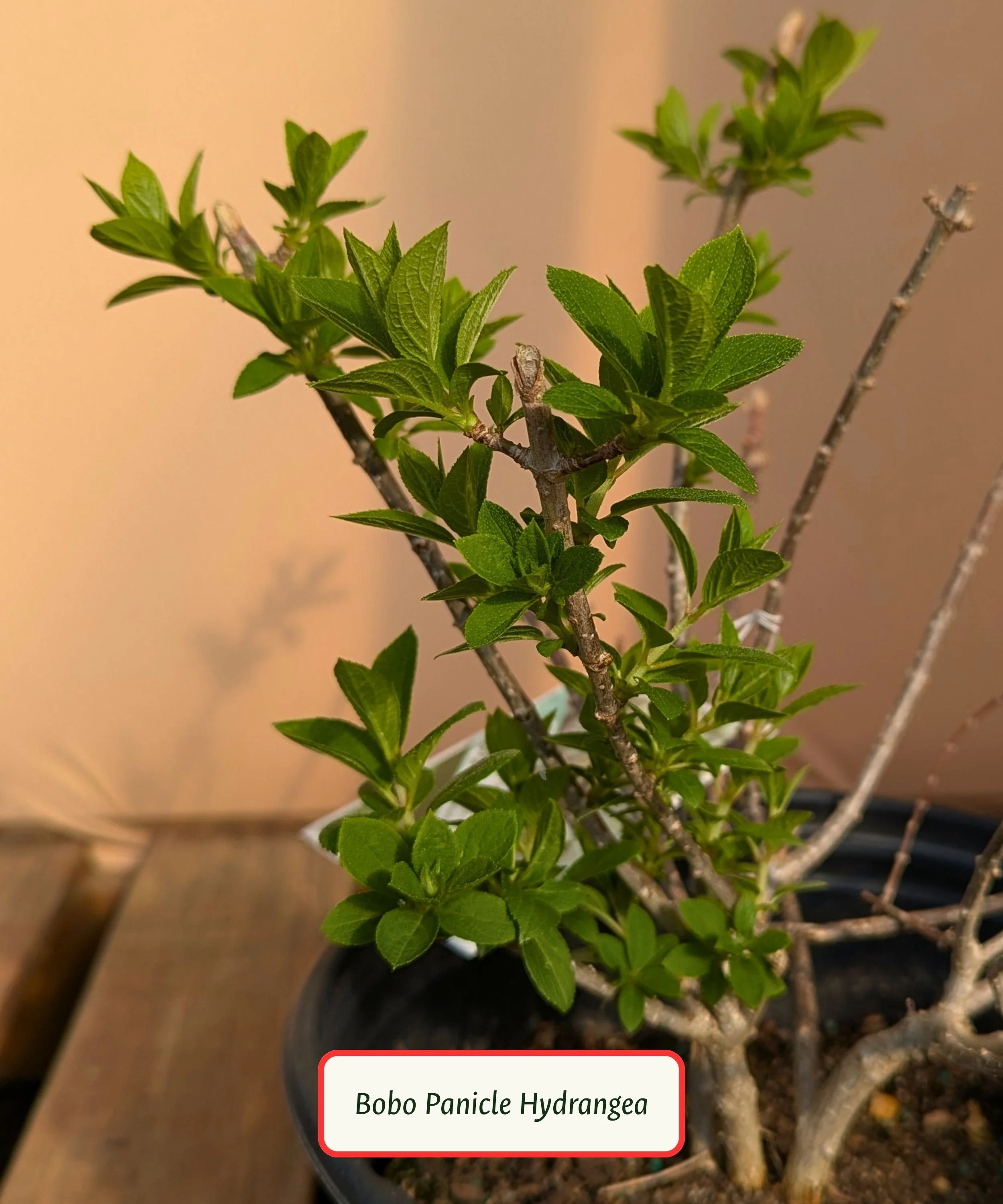
Bobo
The following varieties may be available for special request: Vanilla Strawberry, Strawberry Sundae, Little Lime Punch, Puffer Fish, Dragon Baby, Powerball, Hot Sauce, Pinky Winky Prime, Firelight, White Wedding
Seasons of availability: All year.
Panicle Hydrangea is a fast growing deciduous shrub that can reach 10-20’ tall with equal spread. Most varieties, however, remain under 12’ tall and wide with occasional trimming. Dwarf varieties may be kept as low as 3’ tall and wide with yearly trimming. Large cone shaped panicles of creamy white flowers bloom during the summer and into fall and measure 6 to 8 inches long. Like most hydrangeas, the showy part of the flower cluster is technically a bract, which prolongs the duration of the bloom. The bloom changes color as the season progresses depending on variety and temperature. Some varieties turn light green while some varieties may turn shades of pink when temperatures are cooler. Panicle Hydrangea can be damaged by deer browsing or strong winds. There are several minor fungal and insect issues. Root rot is the most serious concern in poorly drained soils. Panicle Hydrangea works well in Asian gardens, children’s gardens, cottage gardens, cutting gardens and pollinator gardens. They also work as a mass planting or specimen in the landscape.
Hardy to growing Zones 3-8, Panicle hydrangea is more tolerant of full sun than other hydrangea species. It does best in morning sun in neutral to acidic soil with good drainage. The pink color requires cooler weather, and it is possible to prune in late spring to delay the bloom to improve the color on pink varieties. Panicle Hydrangea can be severely pruned in late winter or spring since it blooms on new growth and not on the woody stems formed during the previous year. Mulch the prepared soil base to retain moisture and fertilize with a slow-release fertilizer to encourage new growth.
Botanical Name: Hydrangea panniculata
Limelight
Little Lime
Limelight Prime
Bobo
The following varieties may be available for special request: Vanilla Strawberry, Strawberry Sundae, Little Lime Punch, Puffer Fish, Dragon Baby, Powerball, Hot Sauce, Pinky Winky Prime, Firelight, White Wedding
Seasons of availability: All year.
Panicle Hydrangea is a fast growing deciduous shrub that can reach 10-20’ tall with equal spread. Most varieties, however, remain under 12’ tall and wide with occasional trimming. Dwarf varieties may be kept as low as 3’ tall and wide with yearly trimming. Large cone shaped panicles of creamy white flowers bloom during the summer and into fall and measure 6 to 8 inches long. Like most hydrangeas, the showy part of the flower cluster is technically a bract, which prolongs the duration of the bloom. The bloom changes color as the season progresses depending on variety and temperature. Some varieties turn light green while some varieties may turn shades of pink when temperatures are cooler. Panicle Hydrangea can be damaged by deer browsing or strong winds. There are several minor fungal and insect issues. Root rot is the most serious concern in poorly drained soils. Panicle Hydrangea works well in Asian gardens, children’s gardens, cottage gardens, cutting gardens and pollinator gardens. They also work as a mass planting or specimen in the landscape.
Hardy to growing Zones 3-8, Panicle hydrangea is more tolerant of full sun than other hydrangea species. It does best in morning sun in neutral to acidic soil with good drainage. The pink color requires cooler weather, and it is possible to prune in late spring to delay the bloom to improve the color on pink varieties. Panicle Hydrangea can be severely pruned in late winter or spring since it blooms on new growth and not on the woody stems formed during the previous year. Mulch the prepared soil base to retain moisture and fertilize with a slow-release fertilizer to encourage new growth.