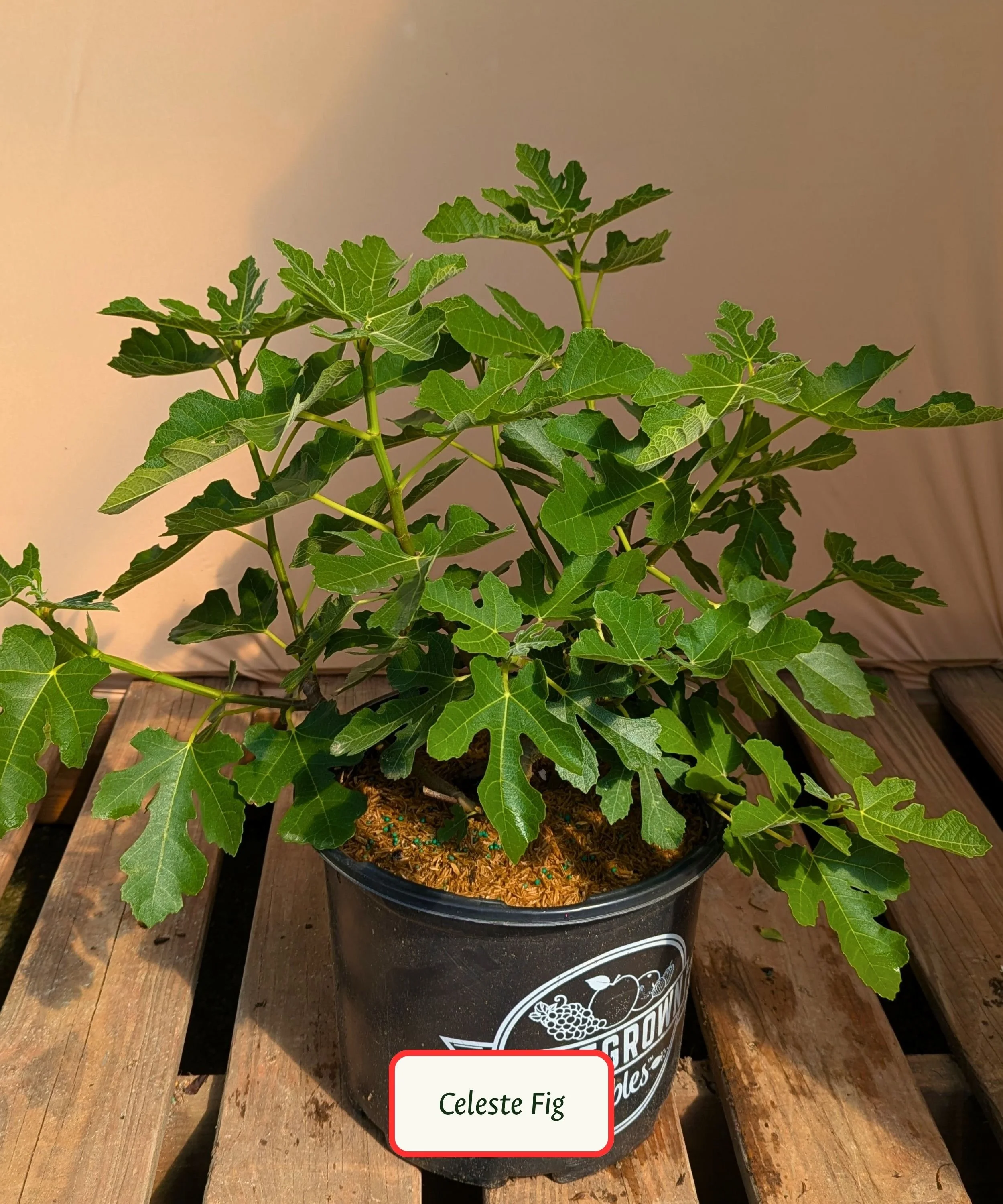
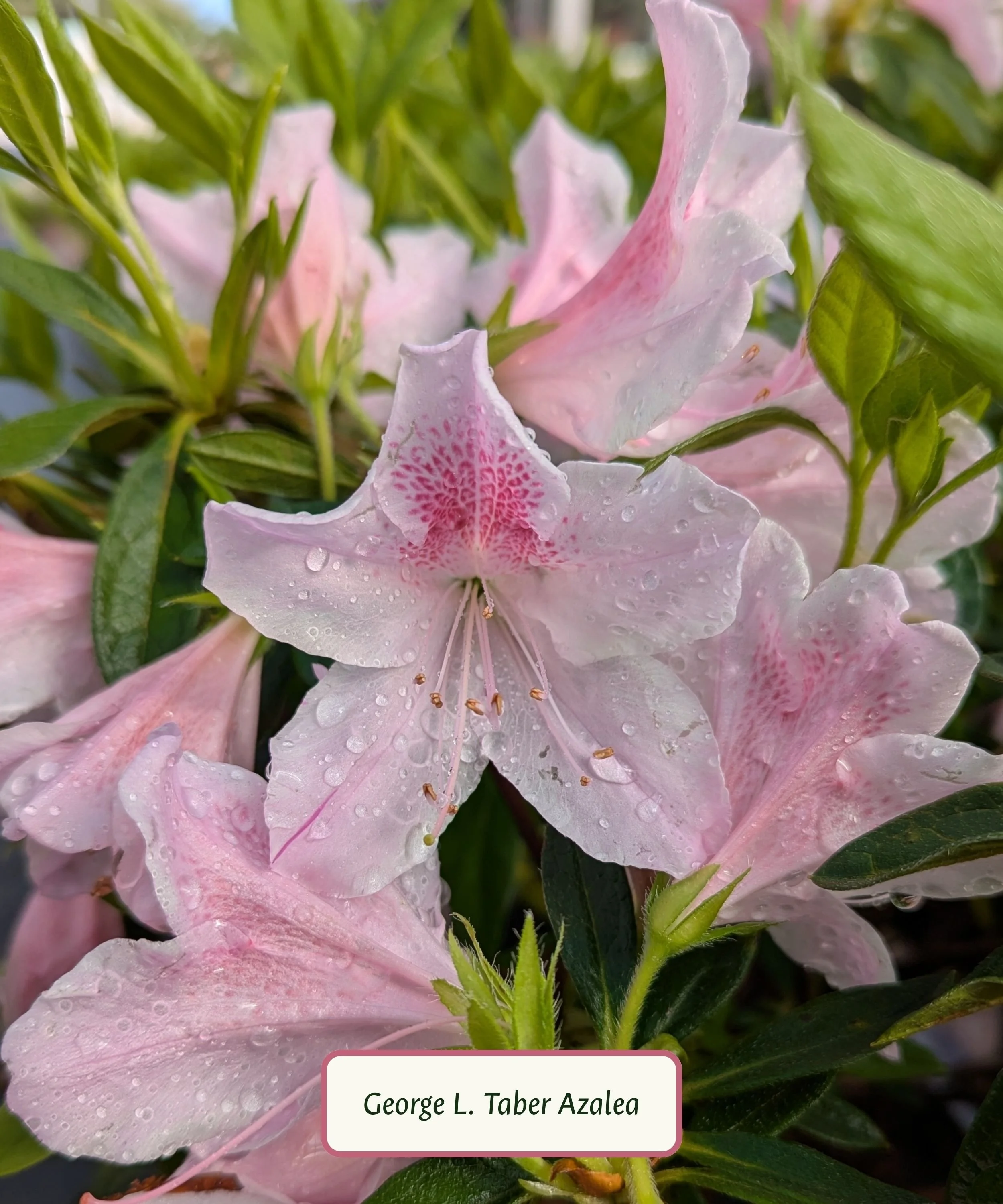
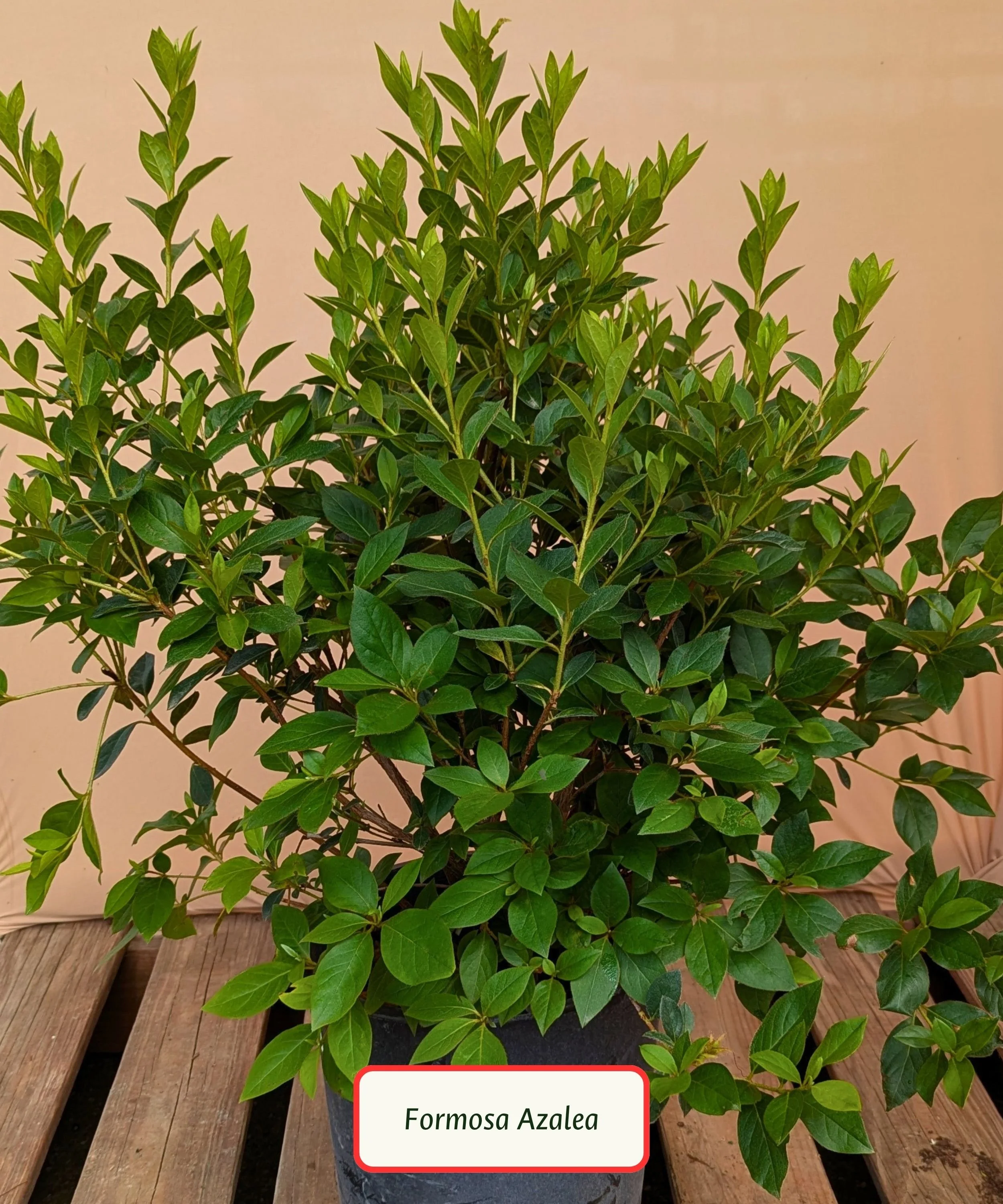
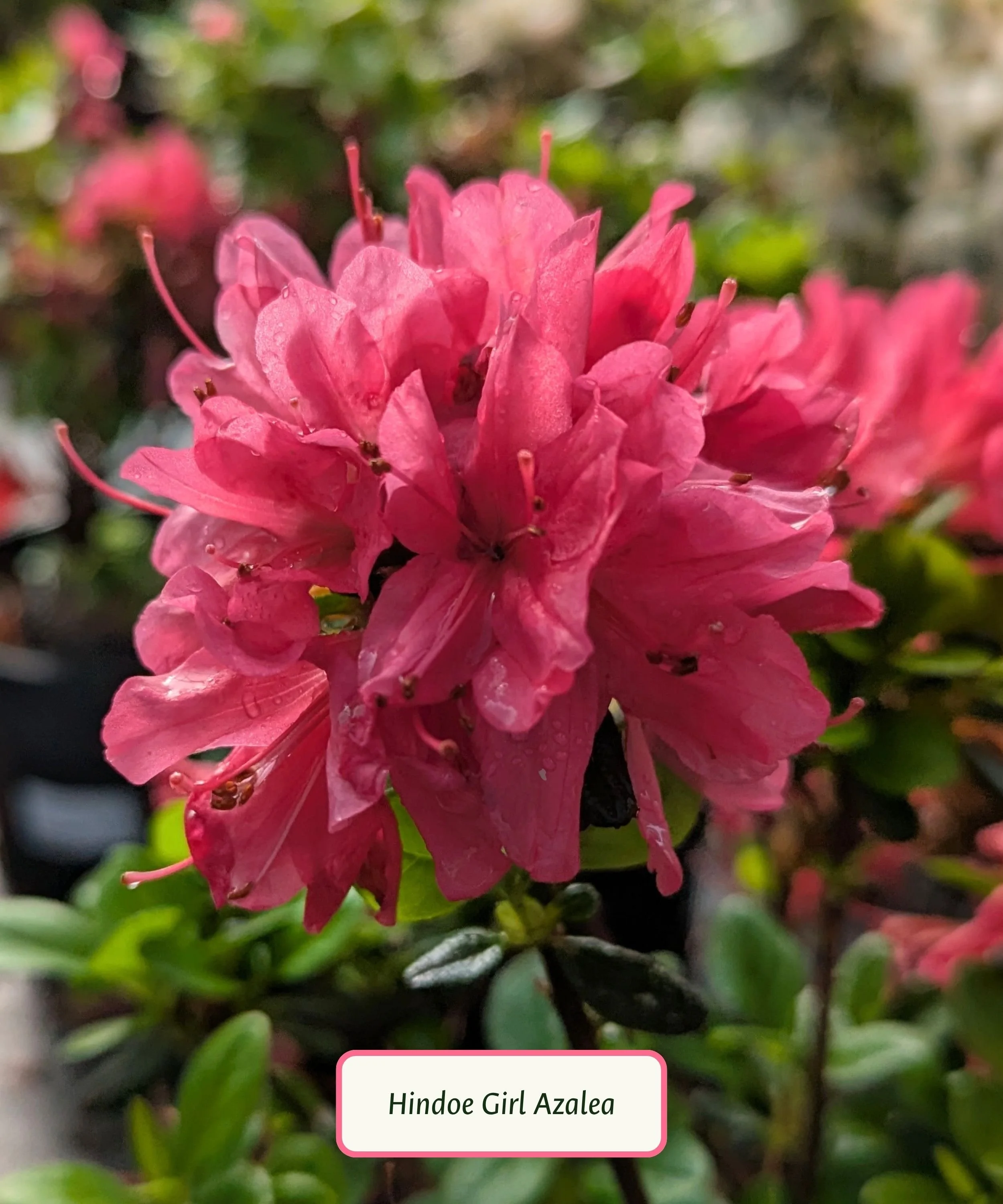
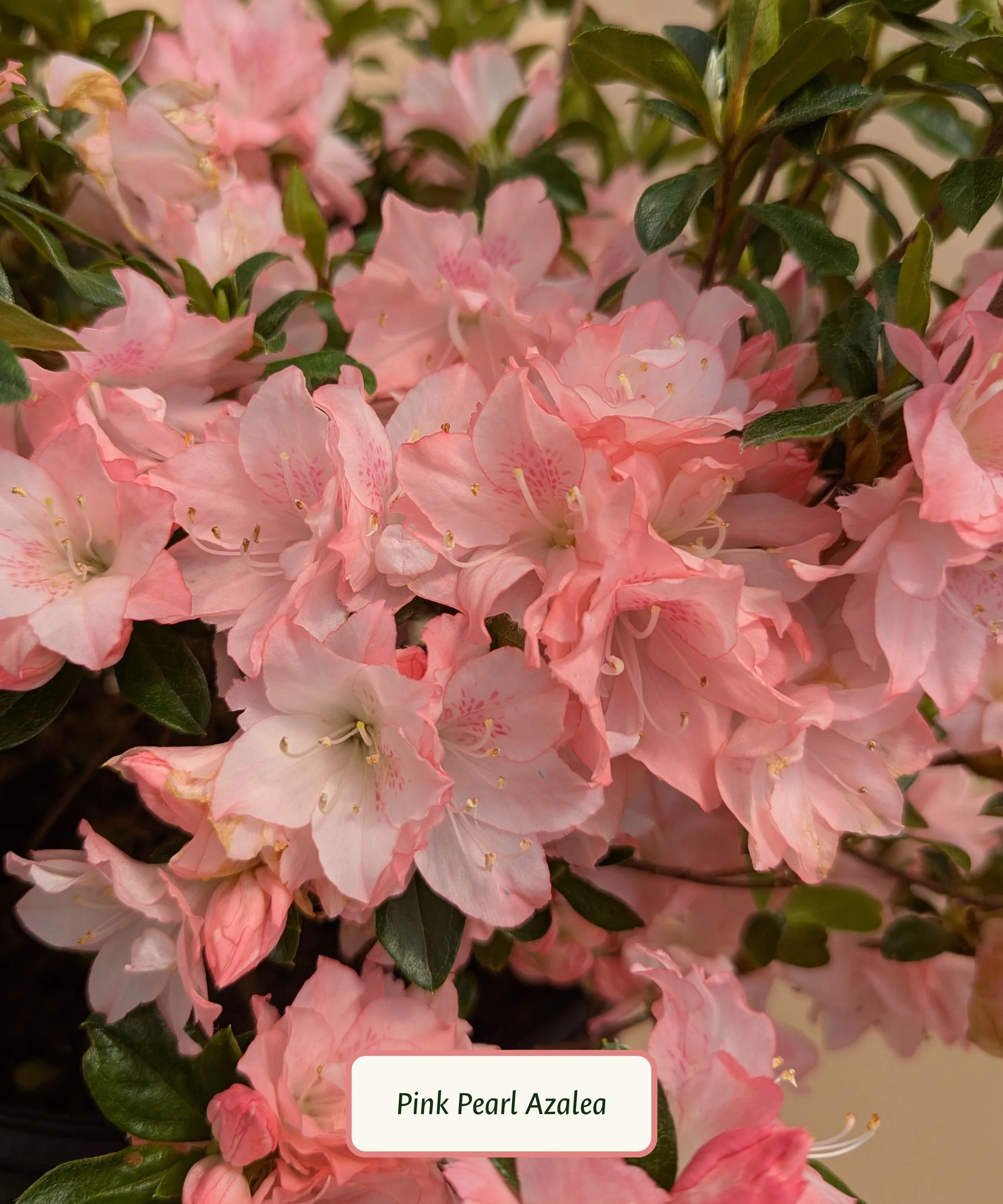
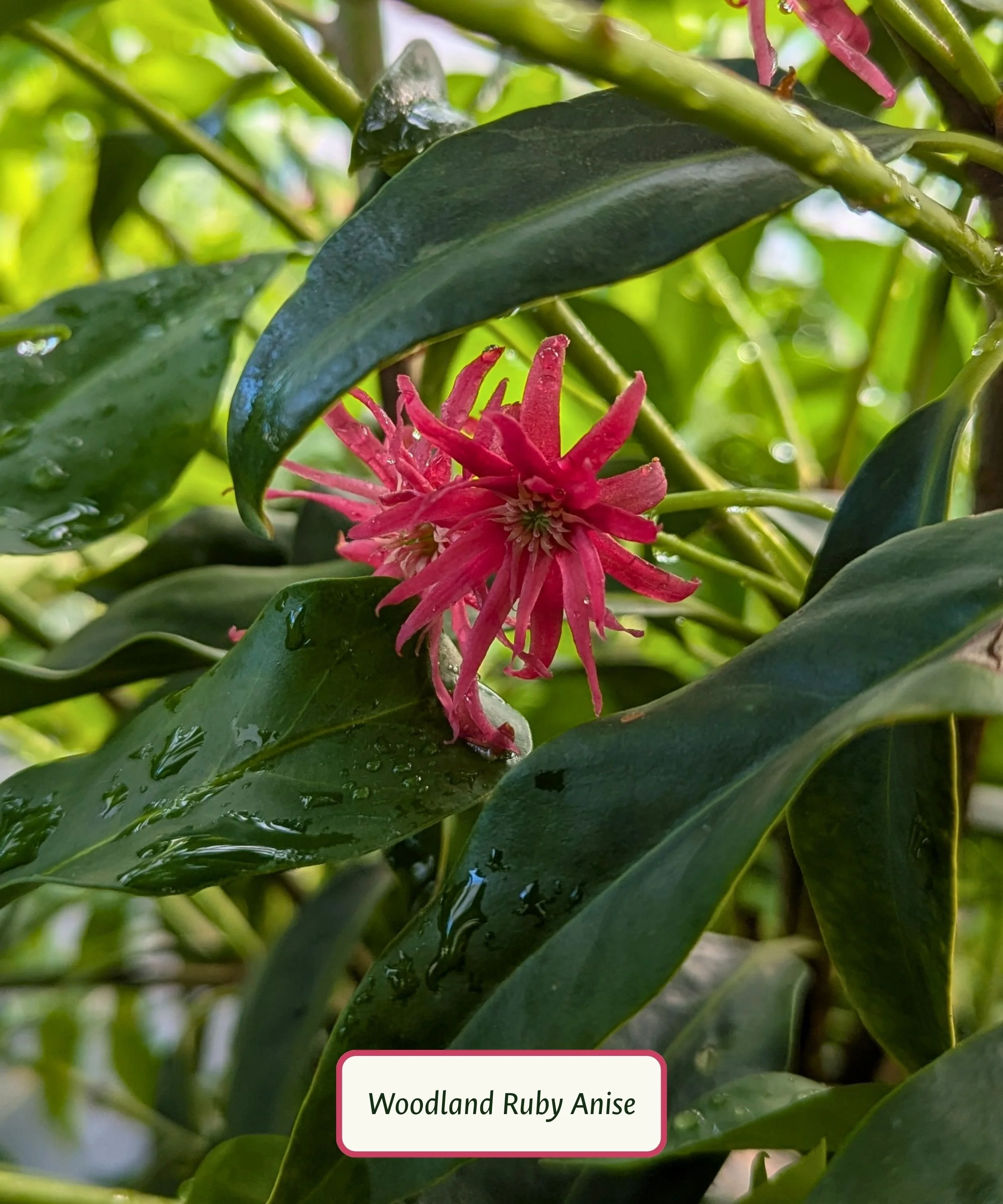
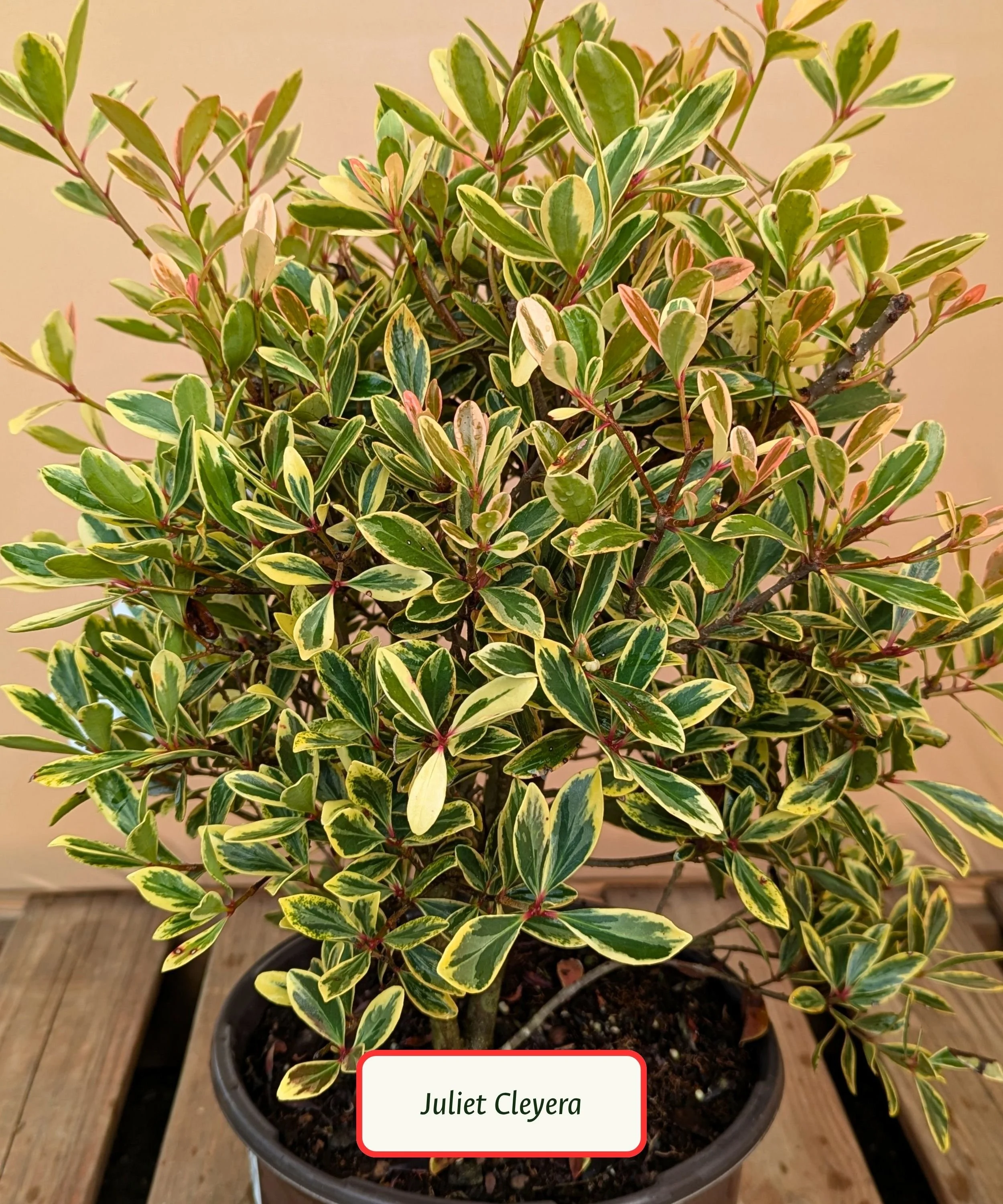
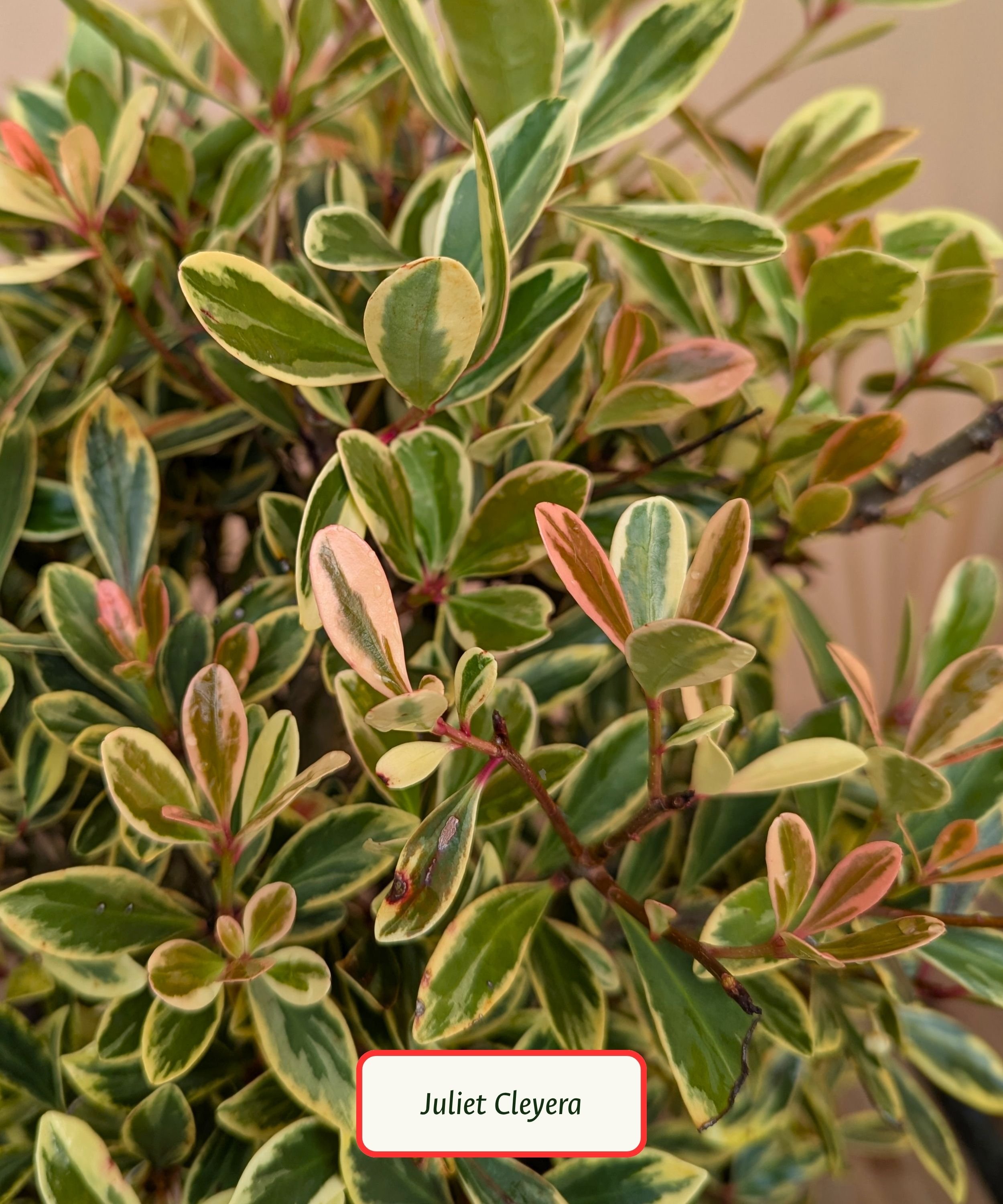
 Image 1 of 4
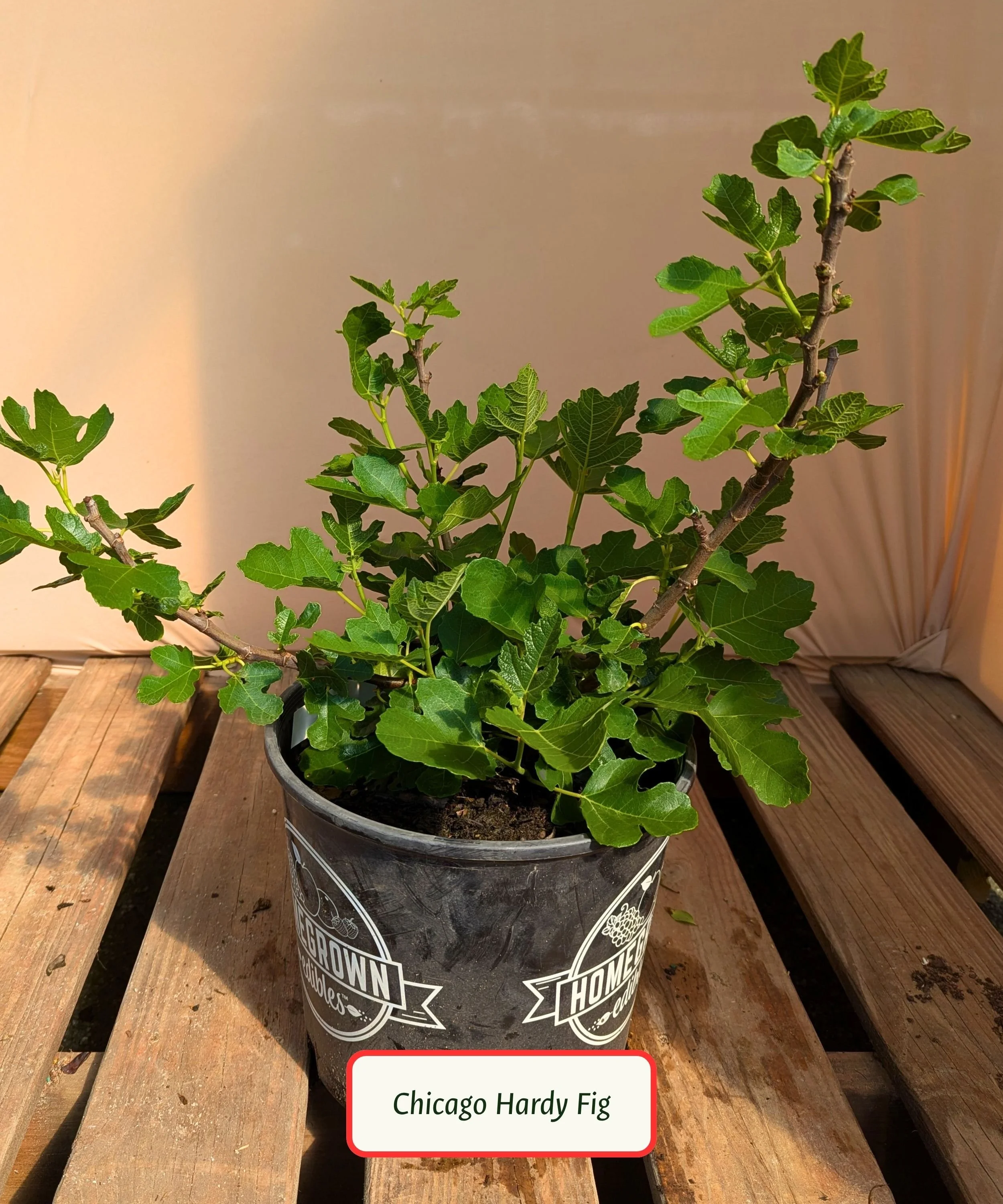
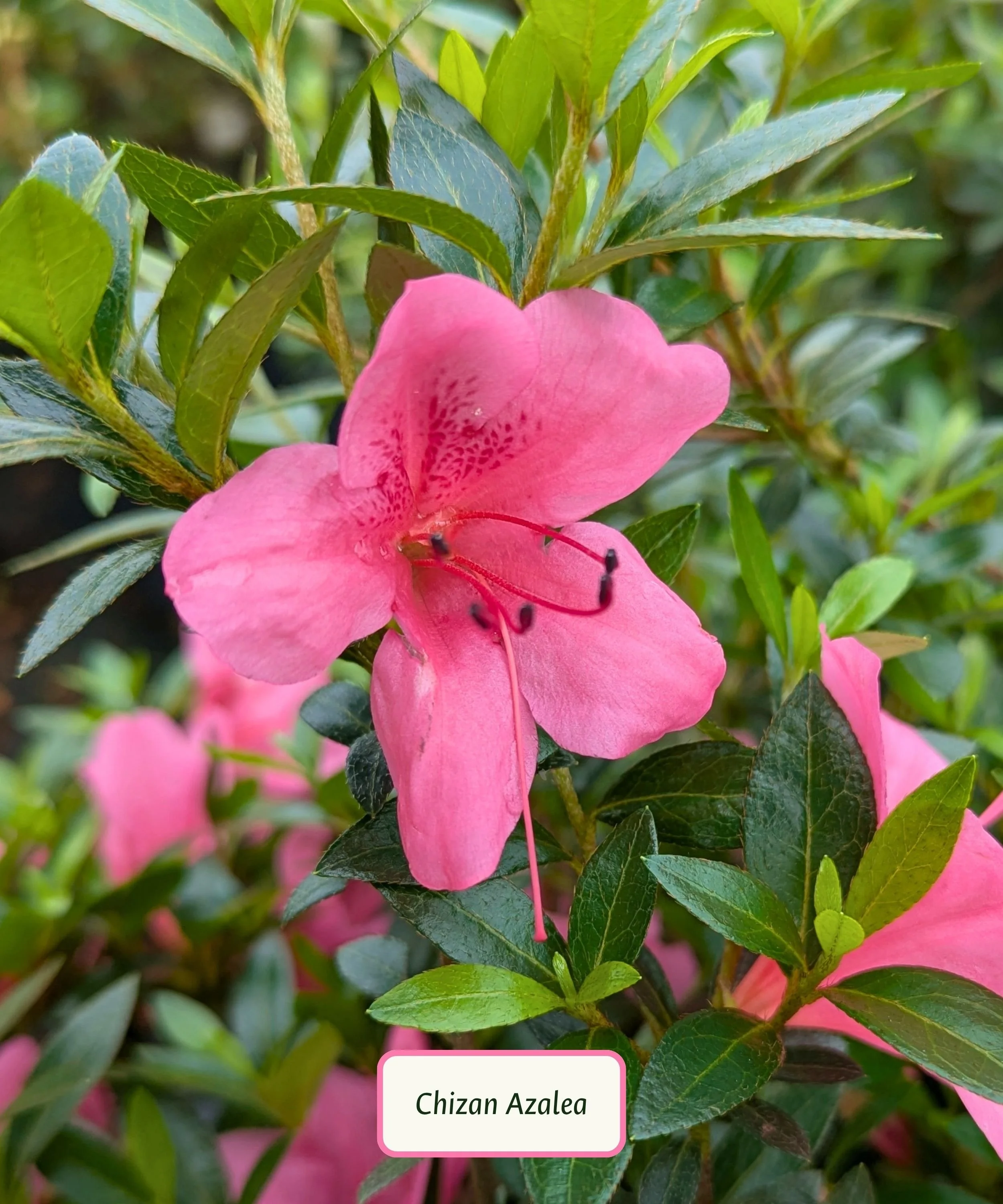
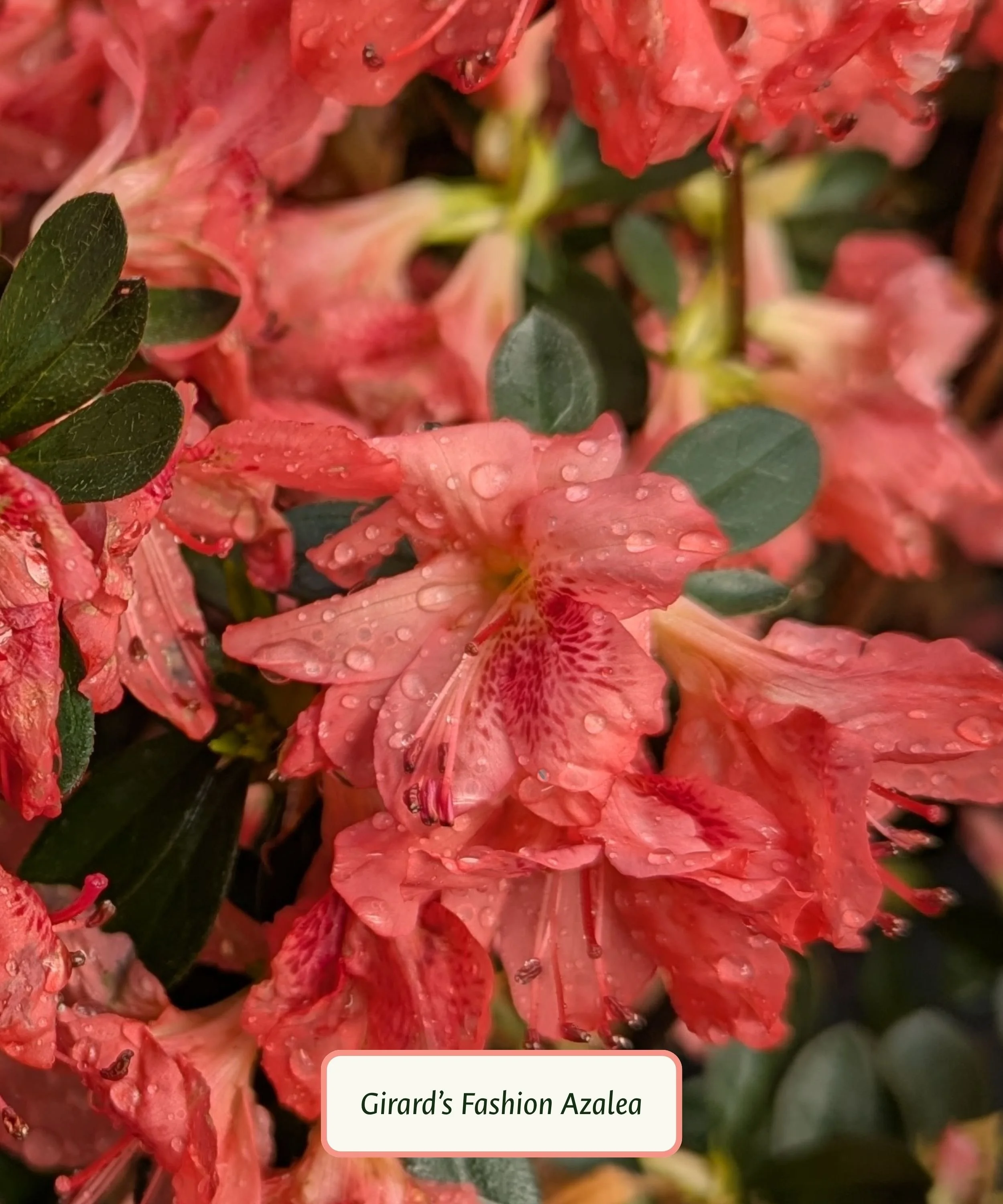
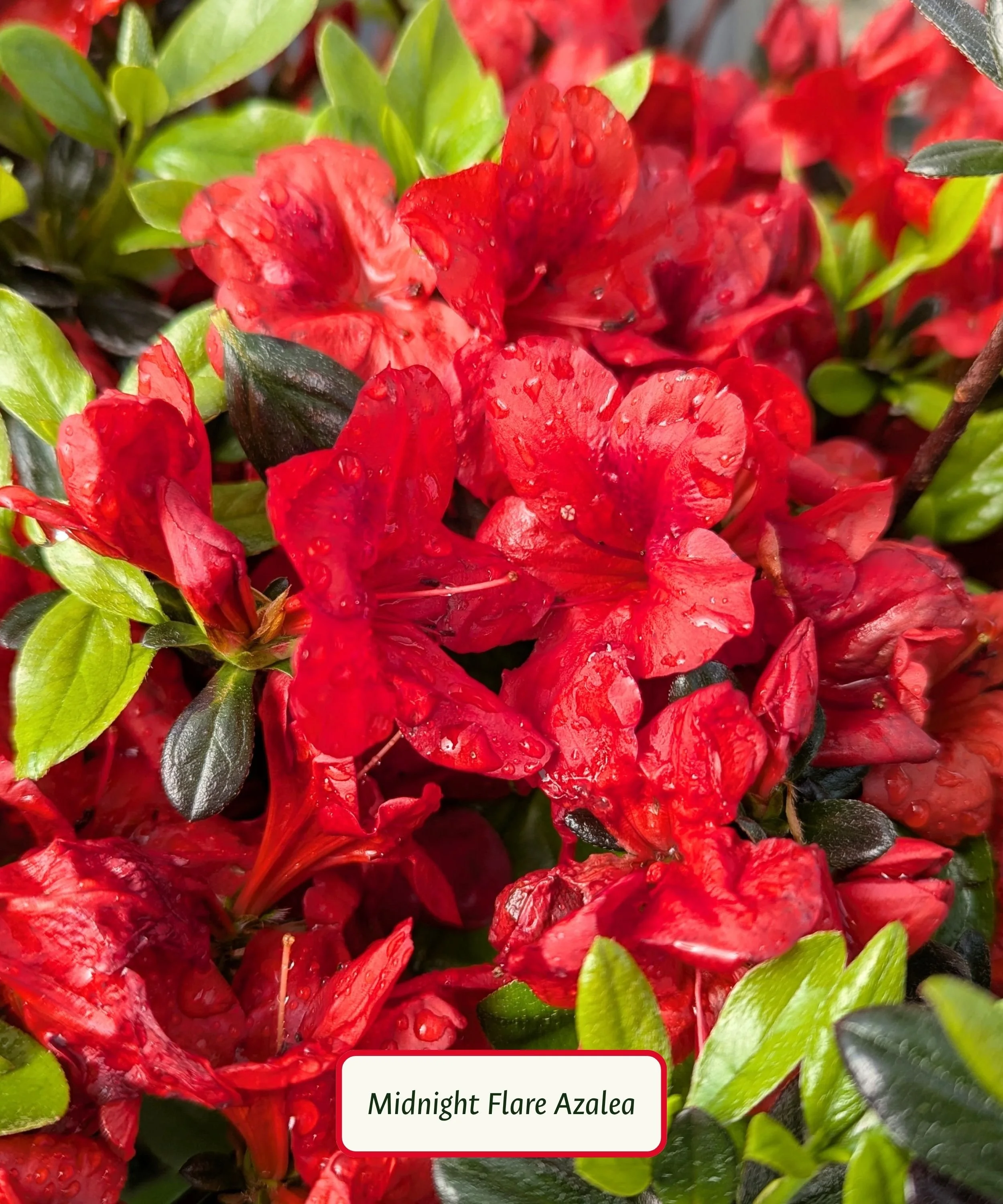
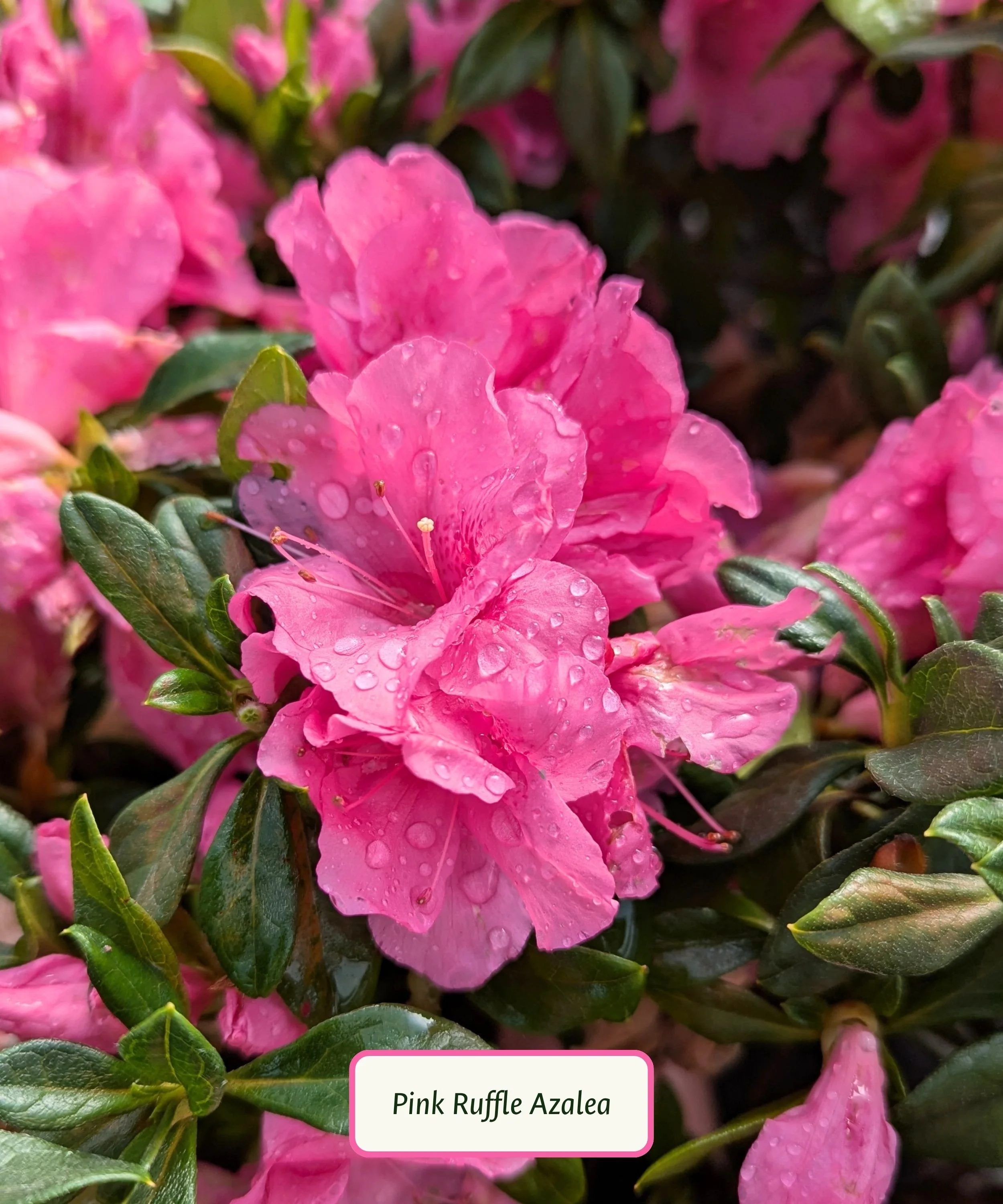
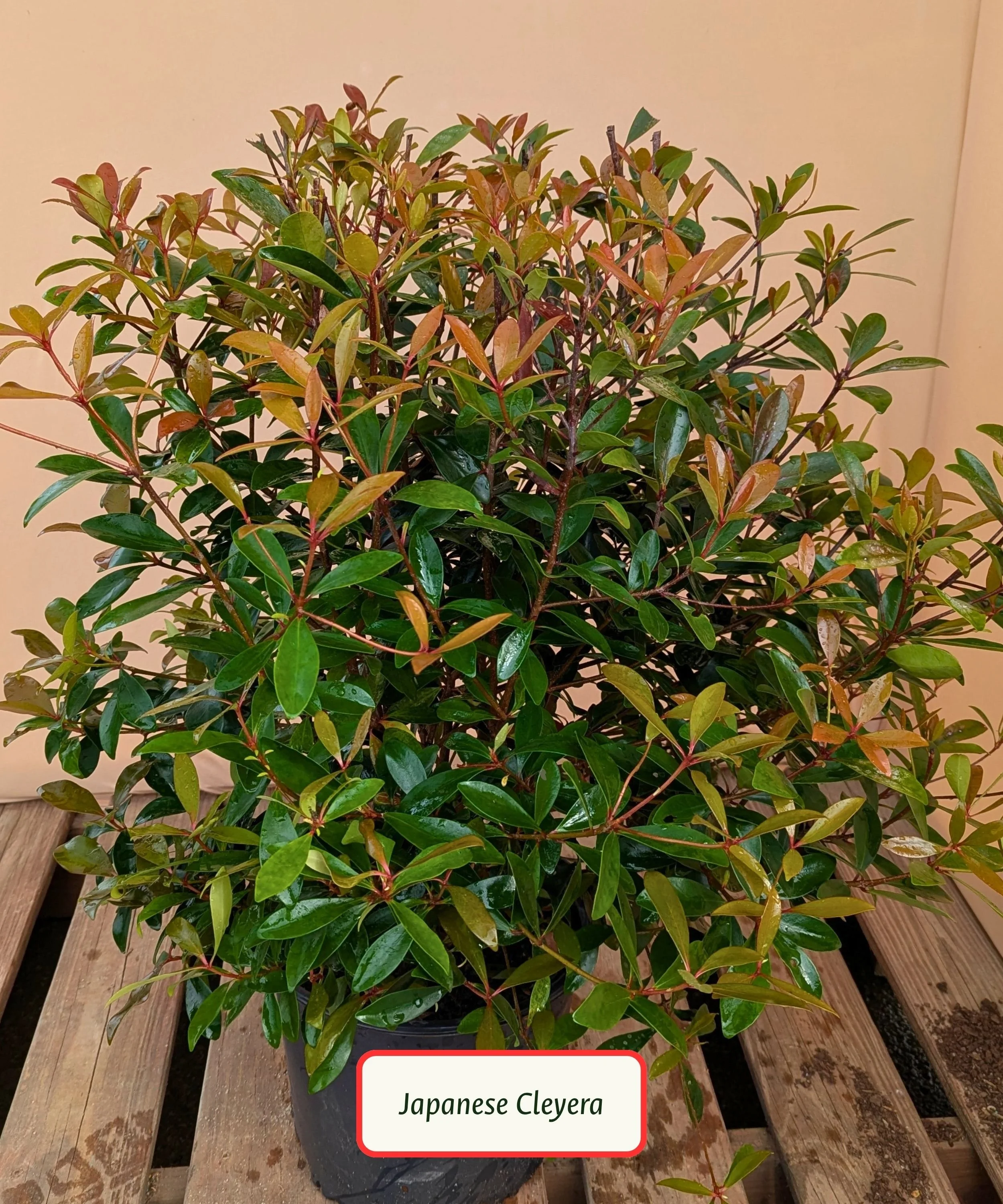
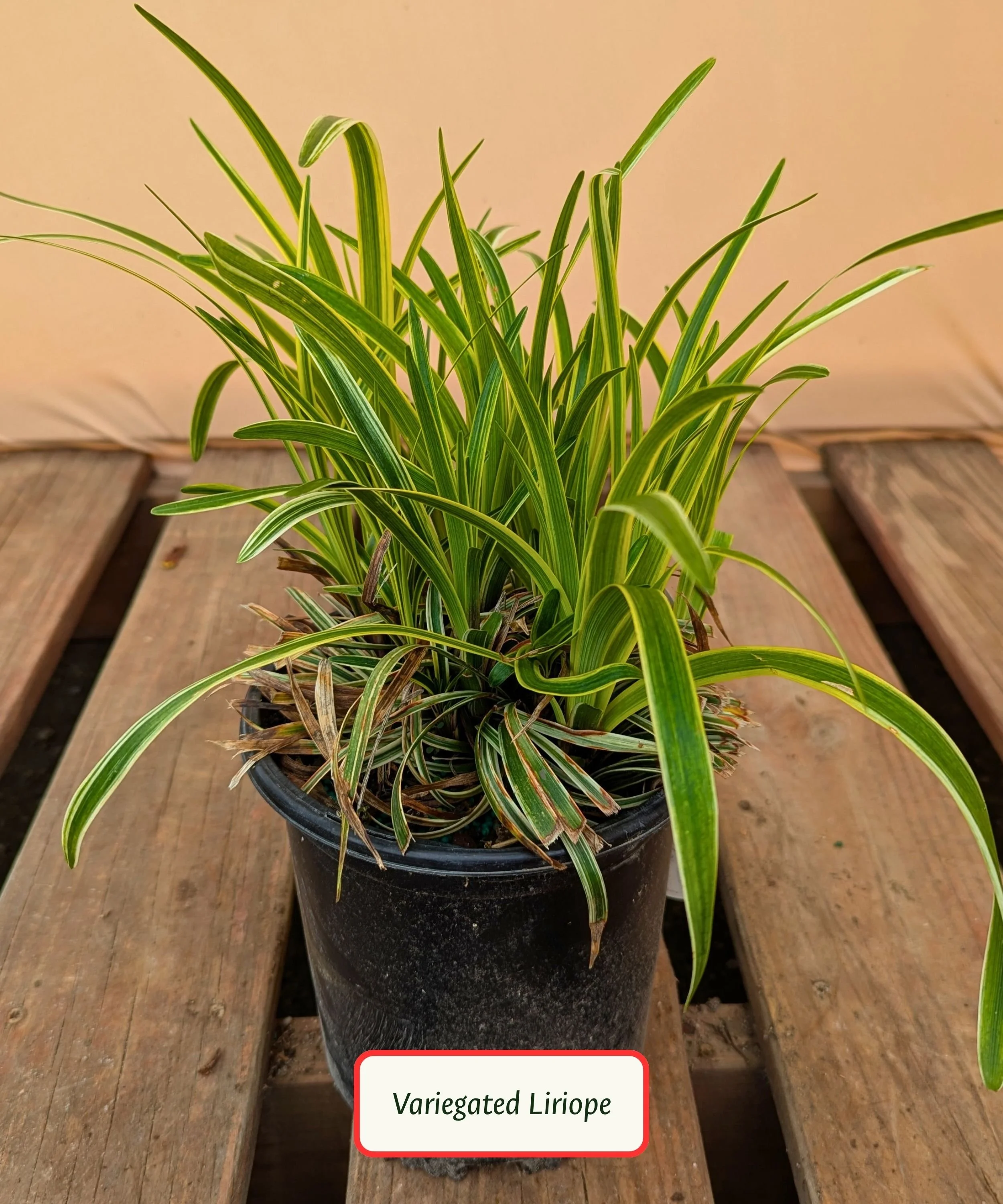
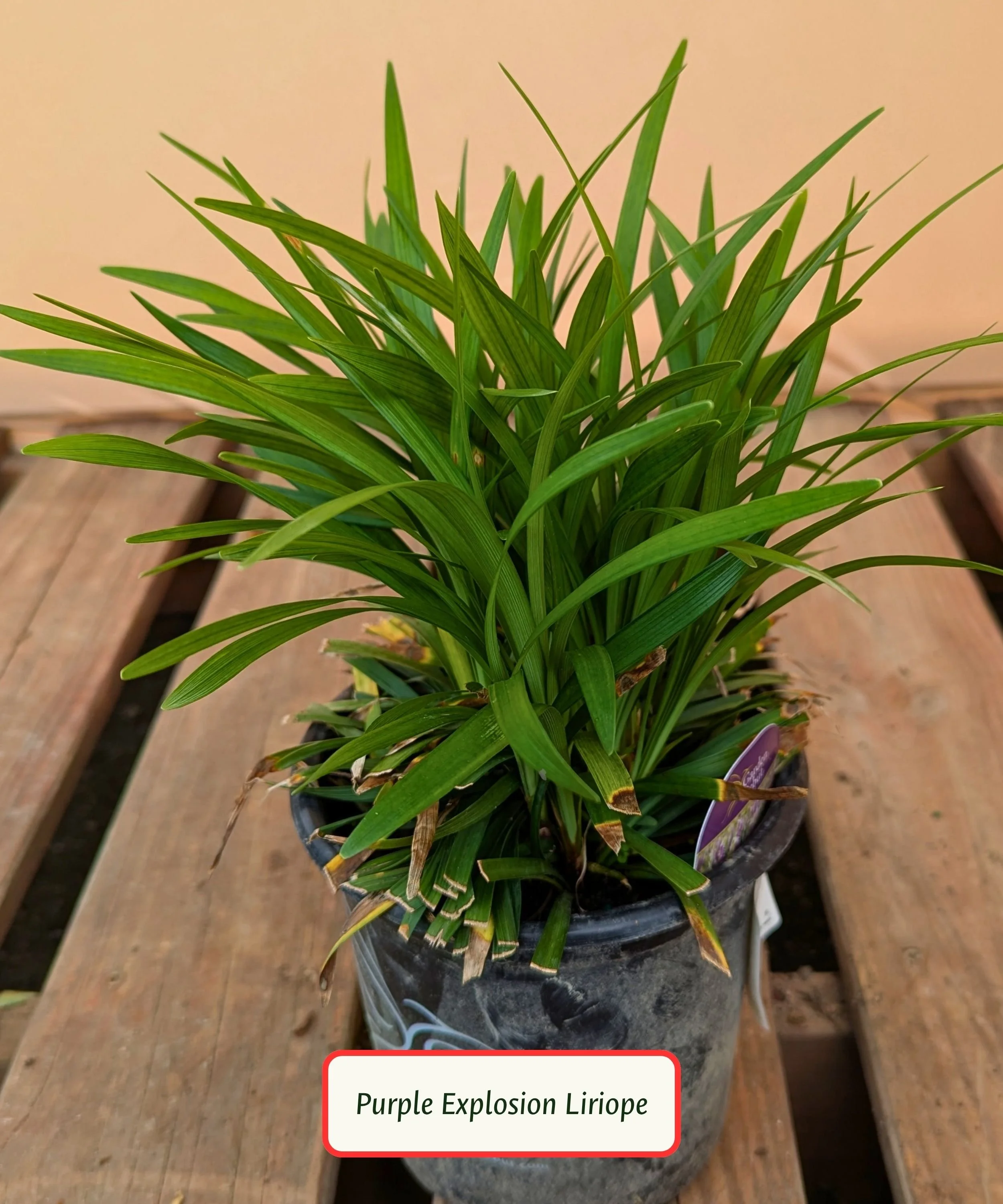 Image 2 of 4
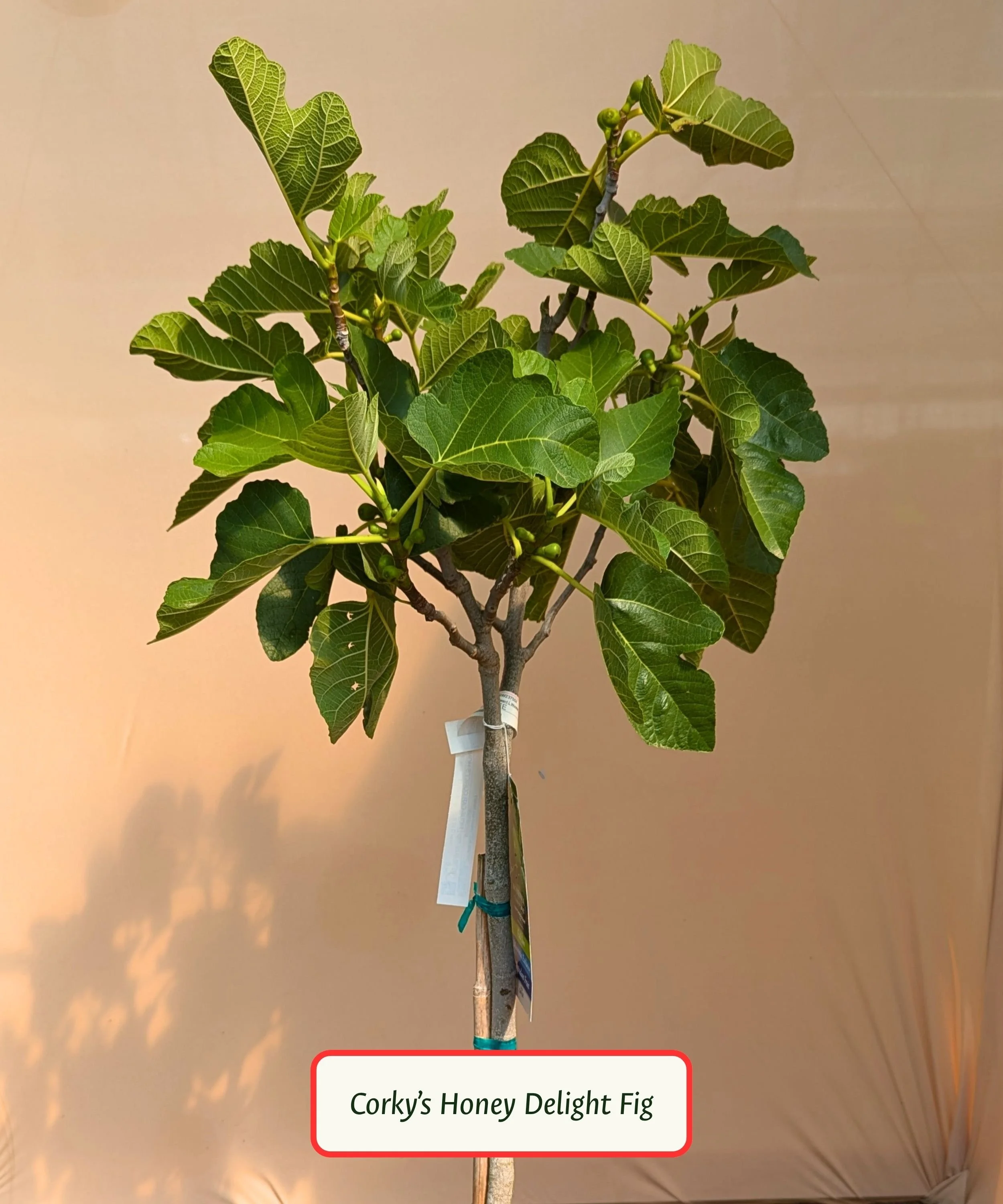
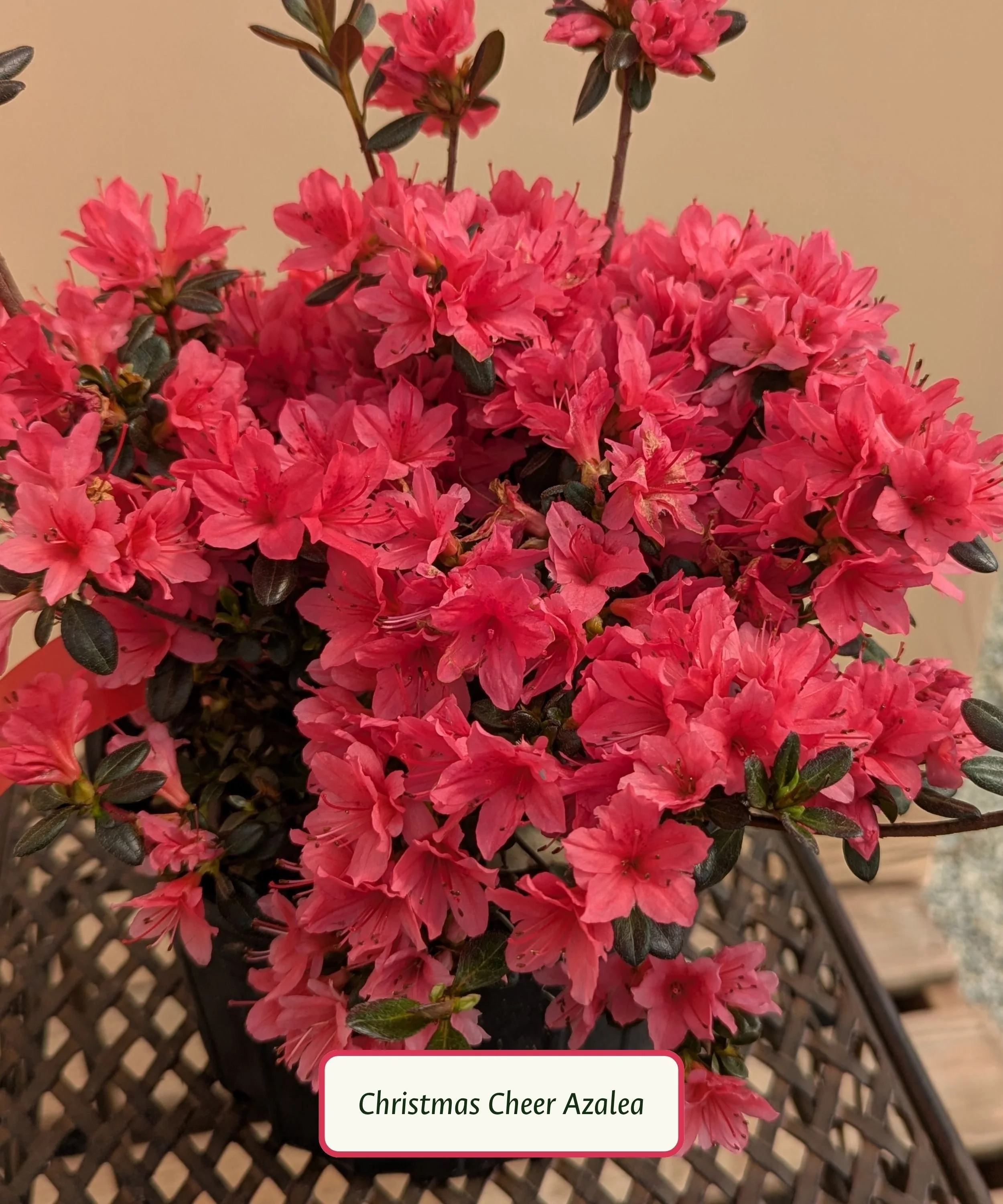
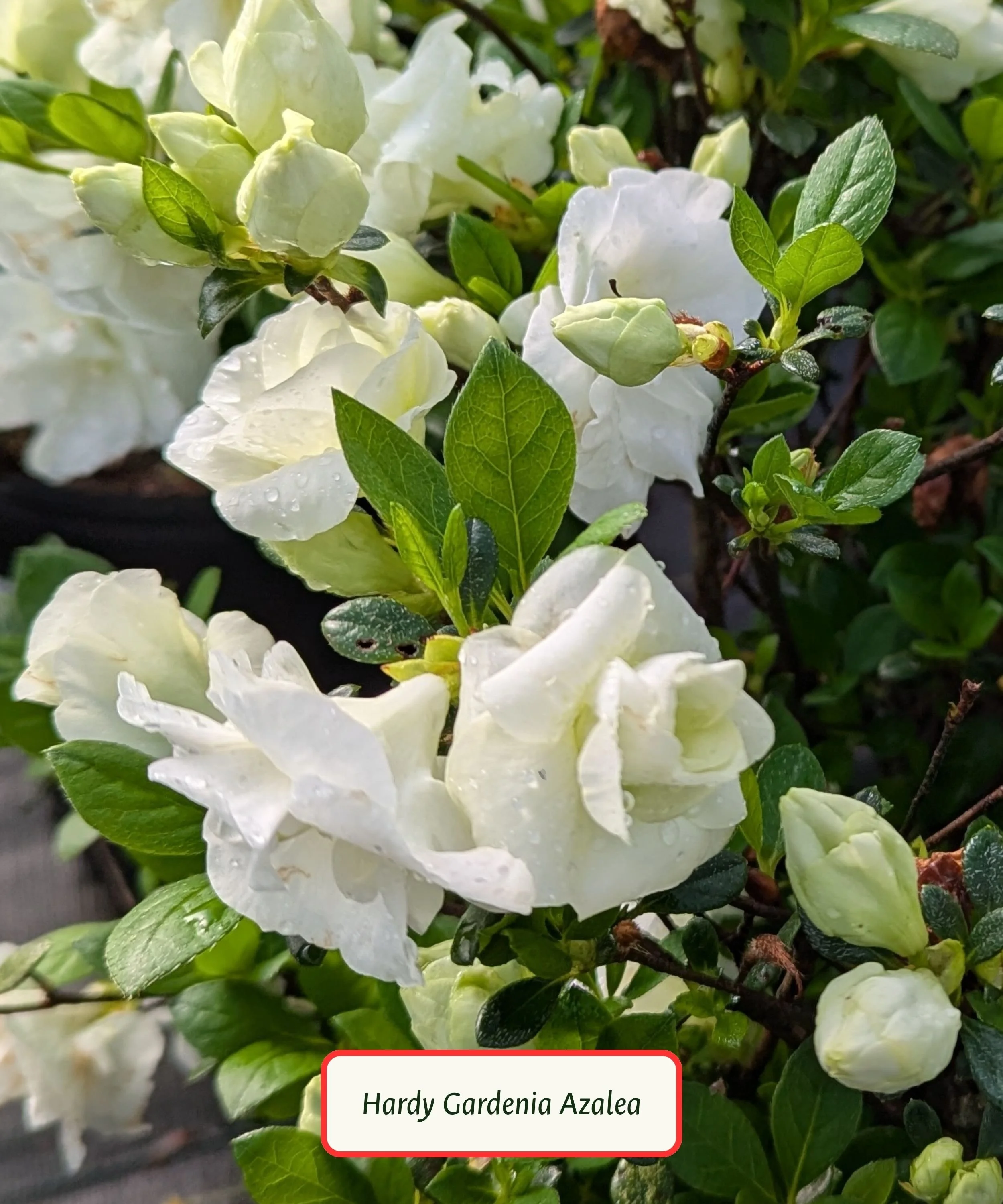
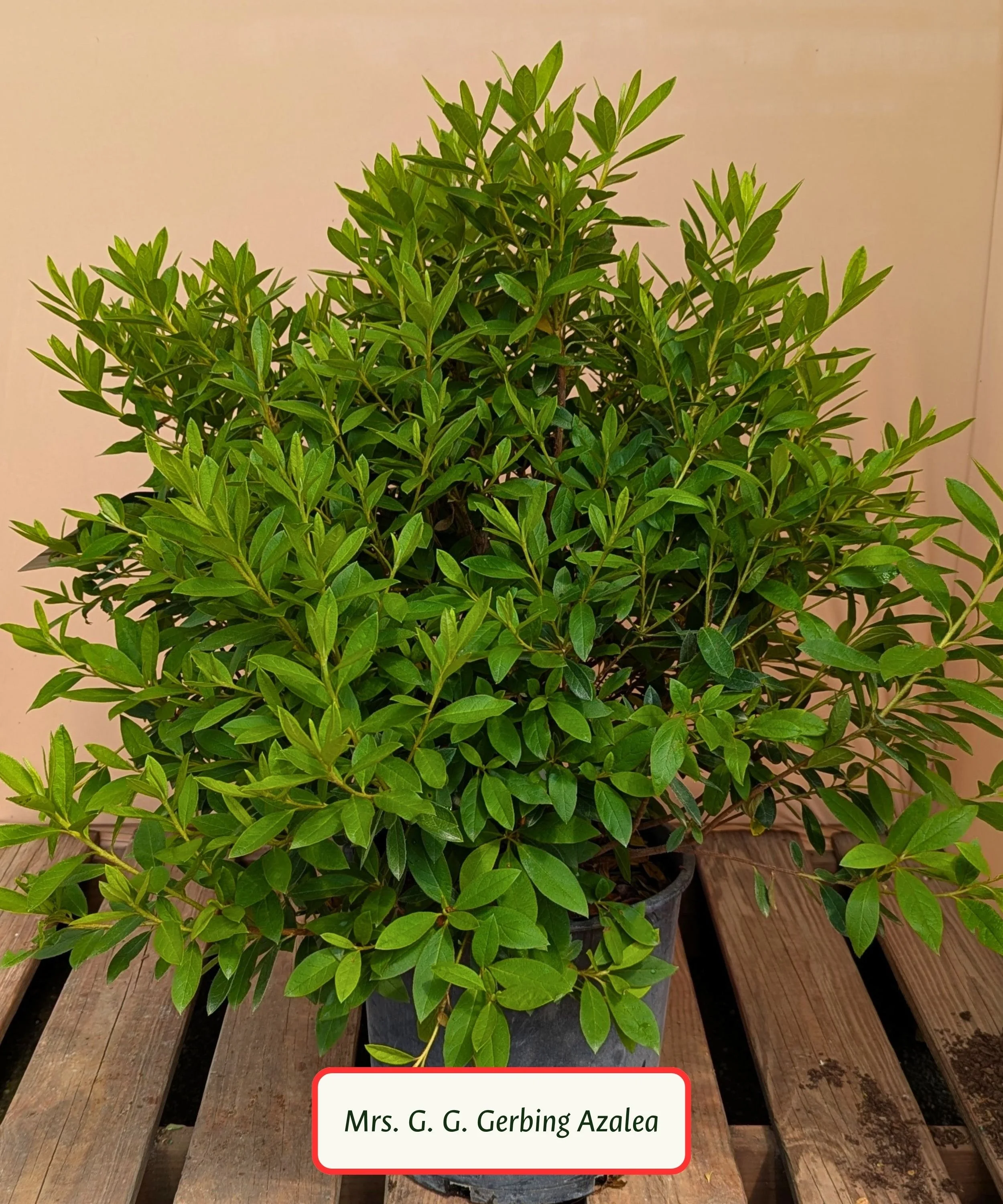
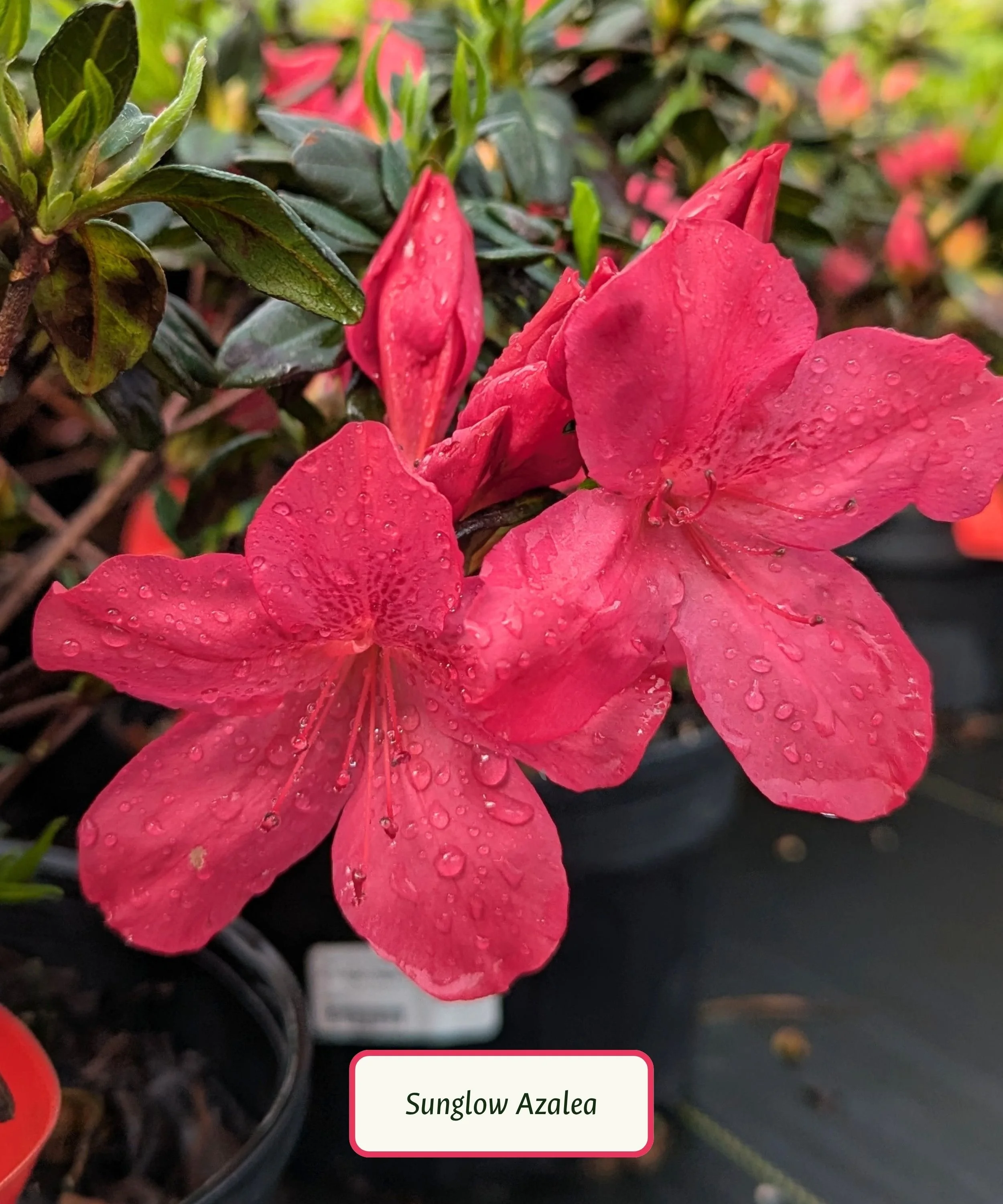
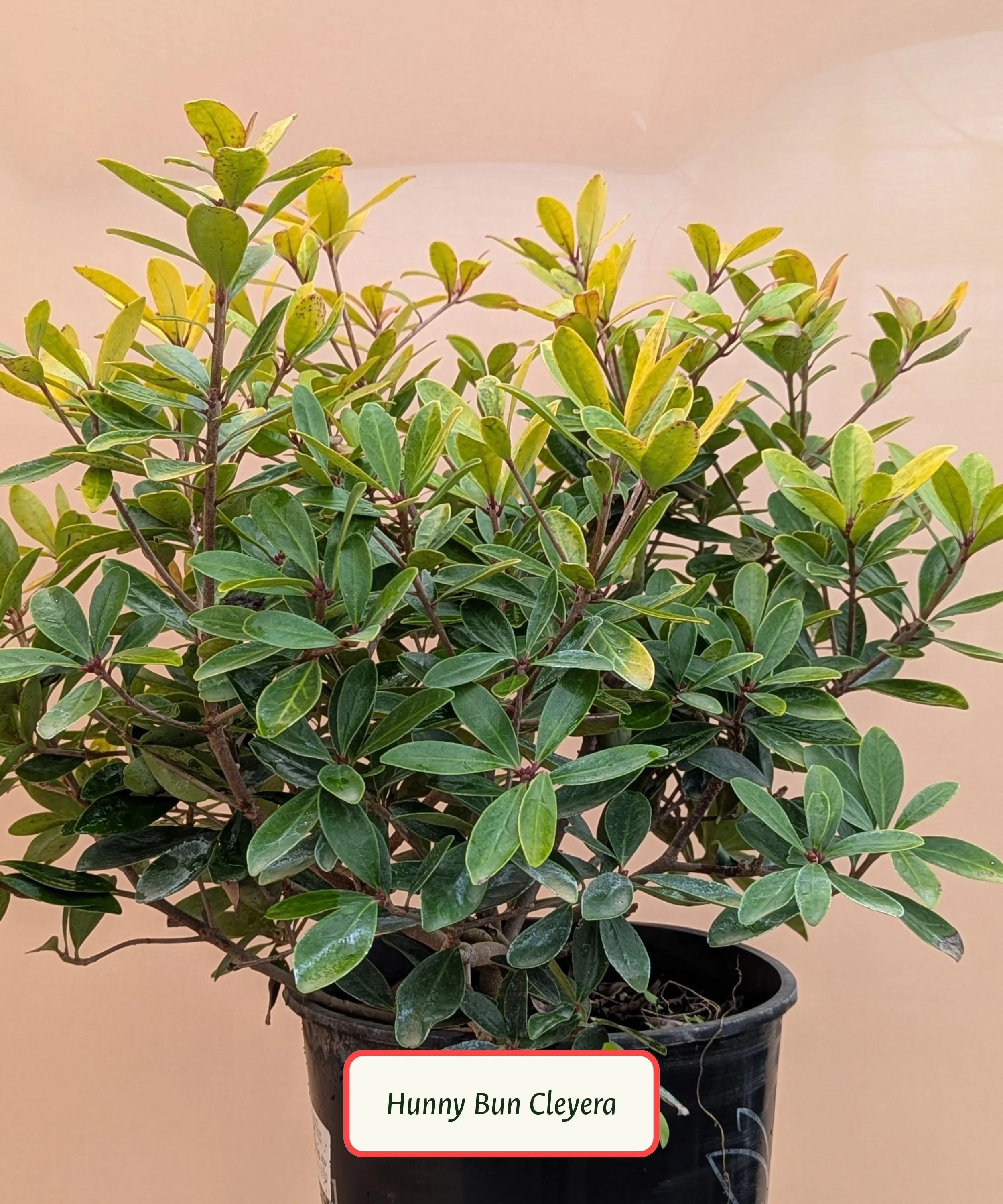
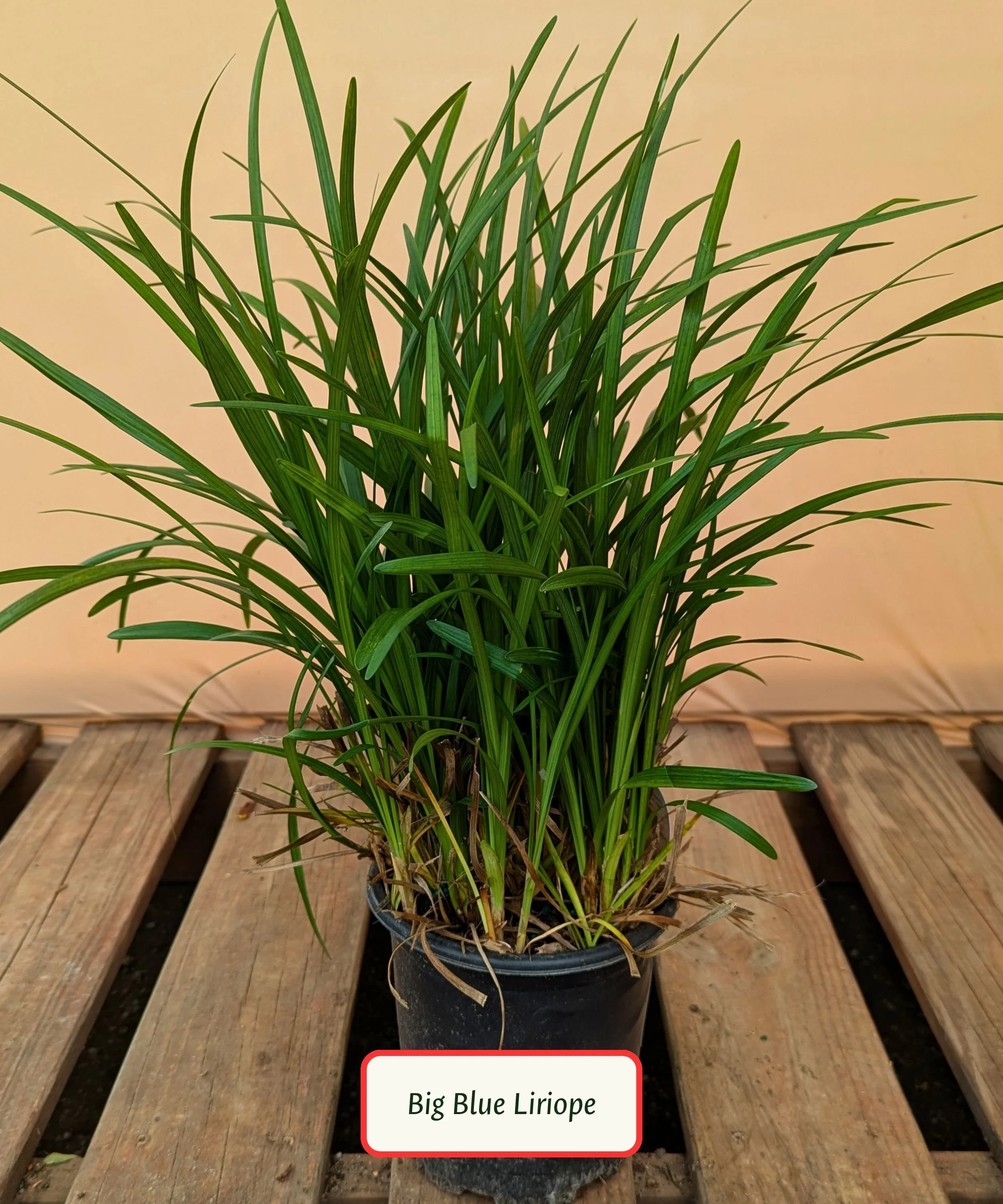 Image 3 of 4
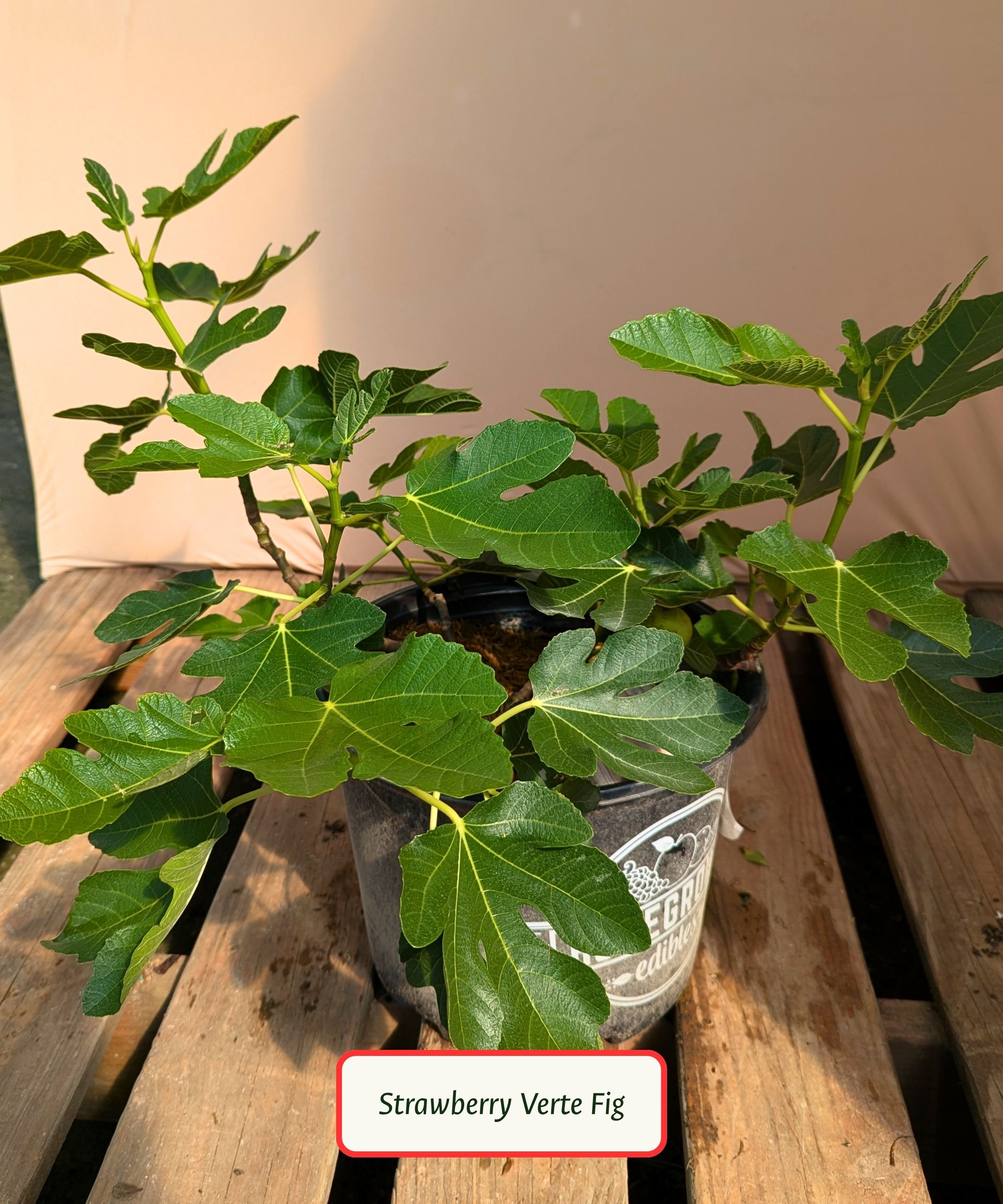
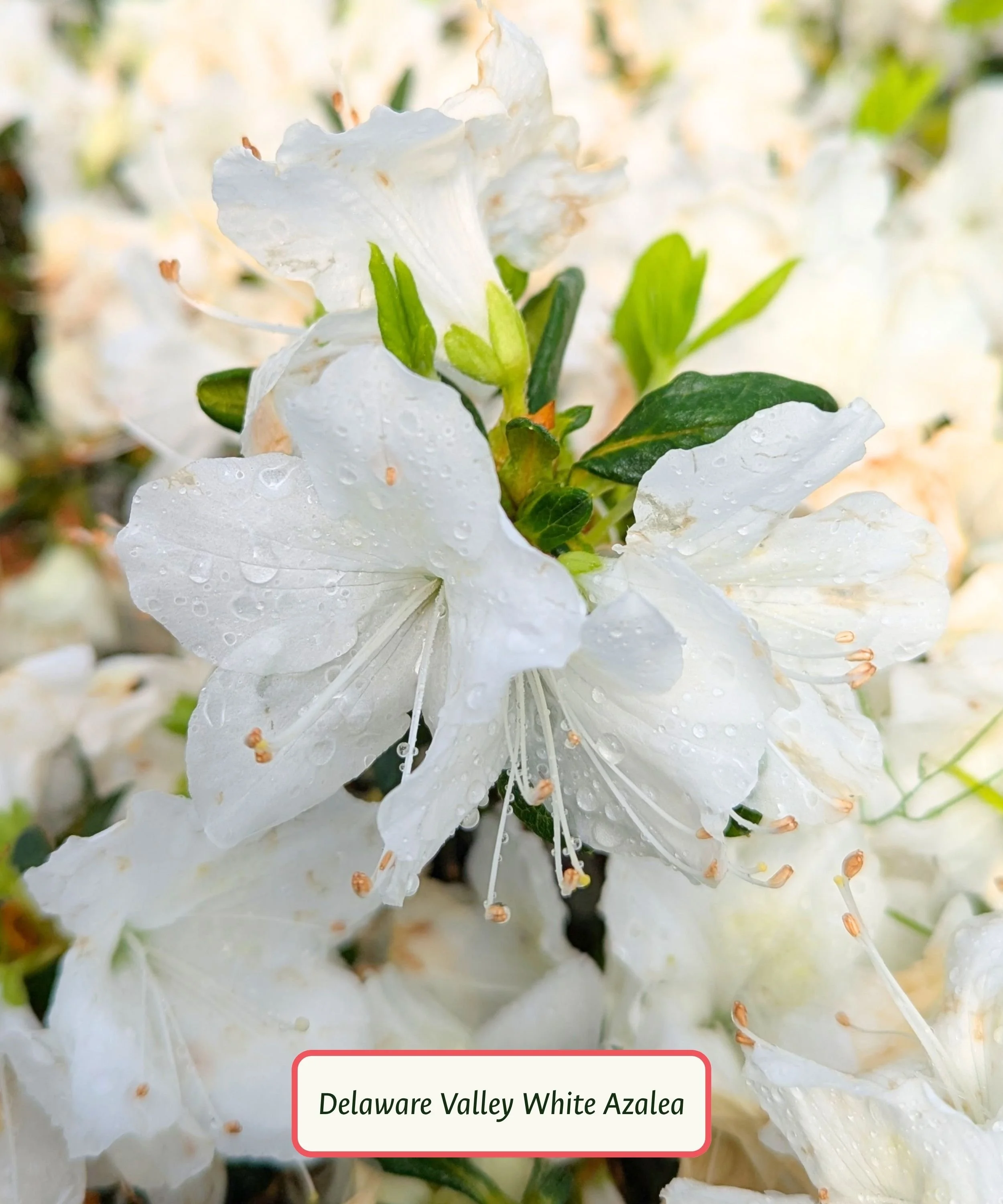
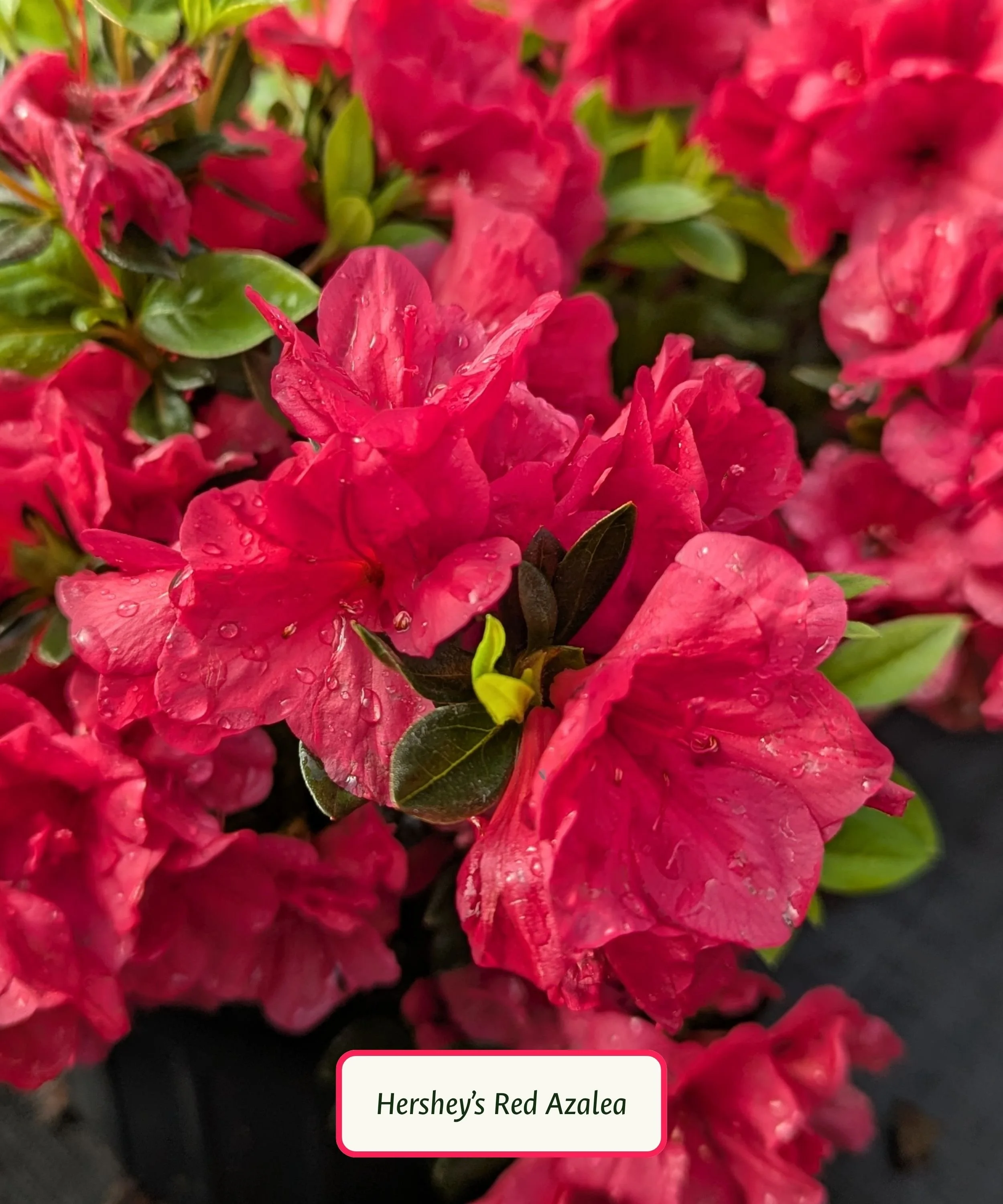
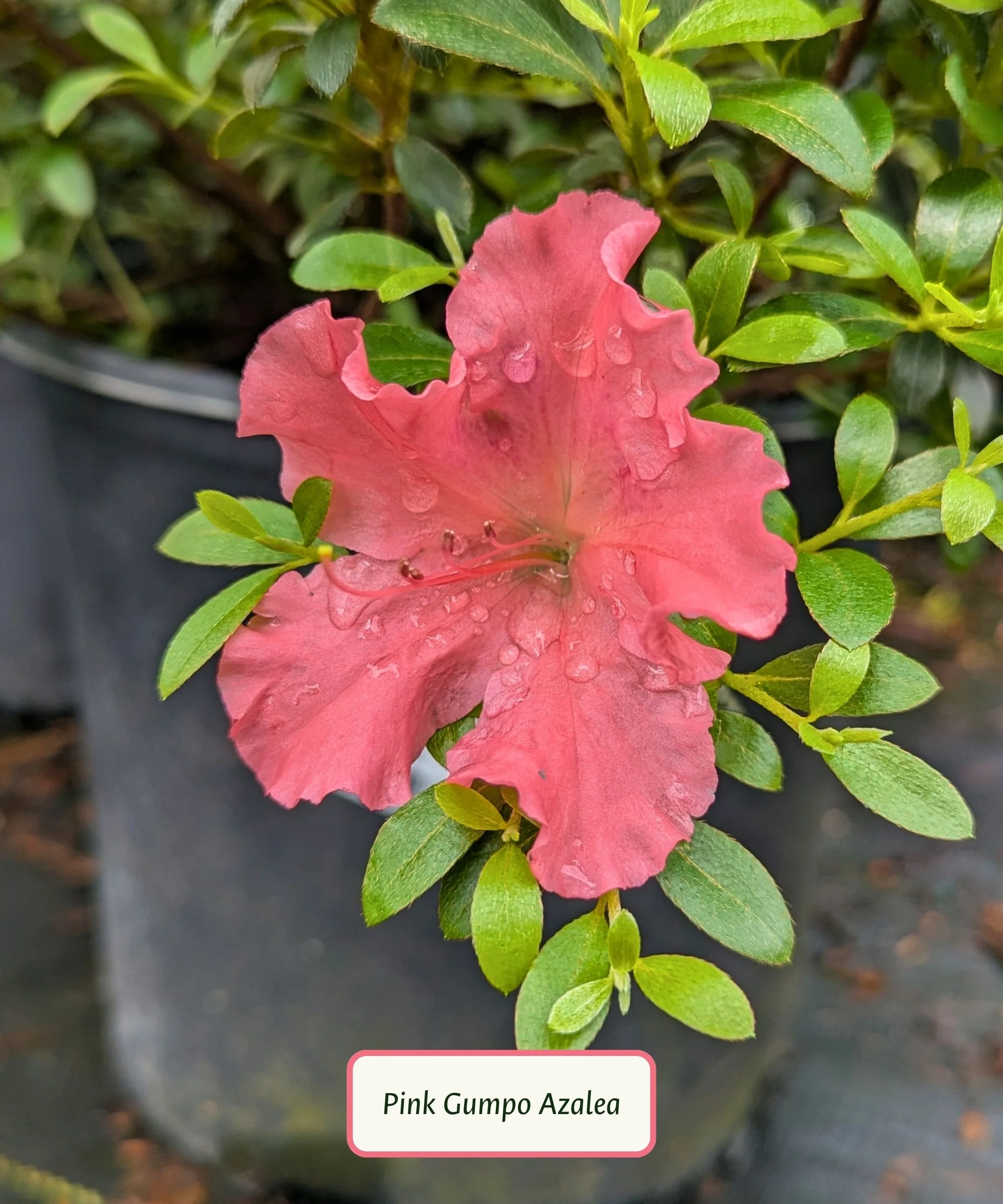
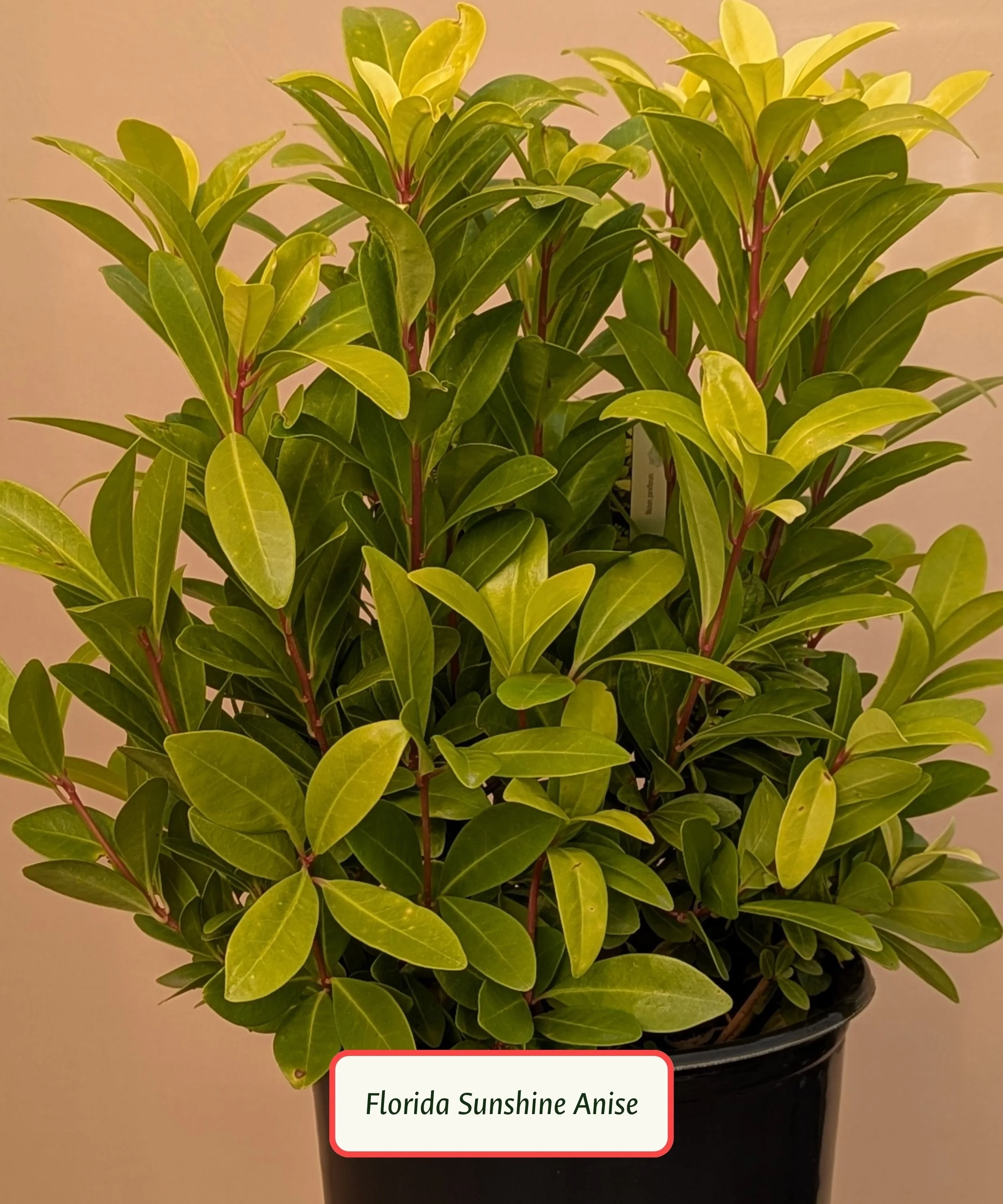
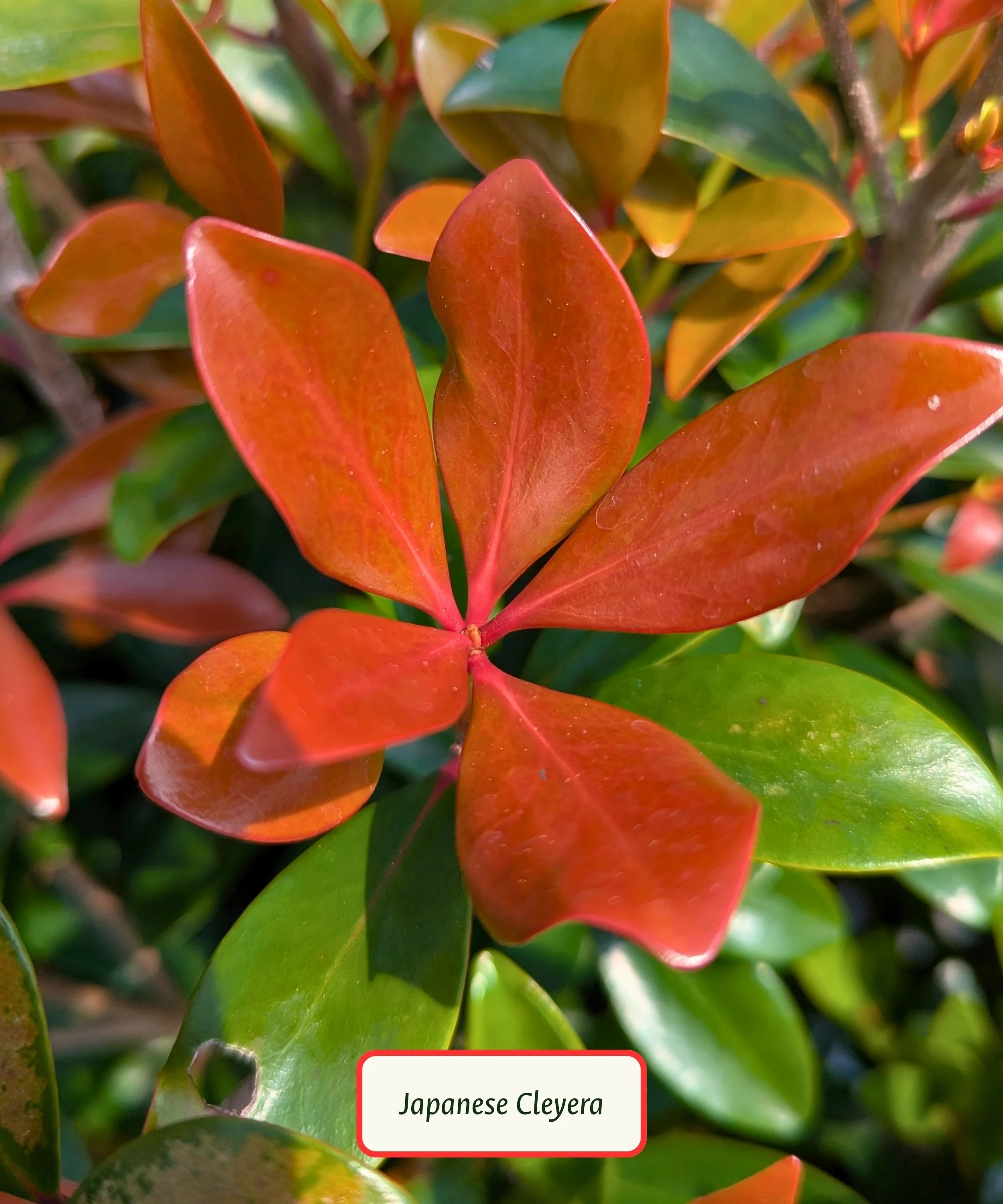
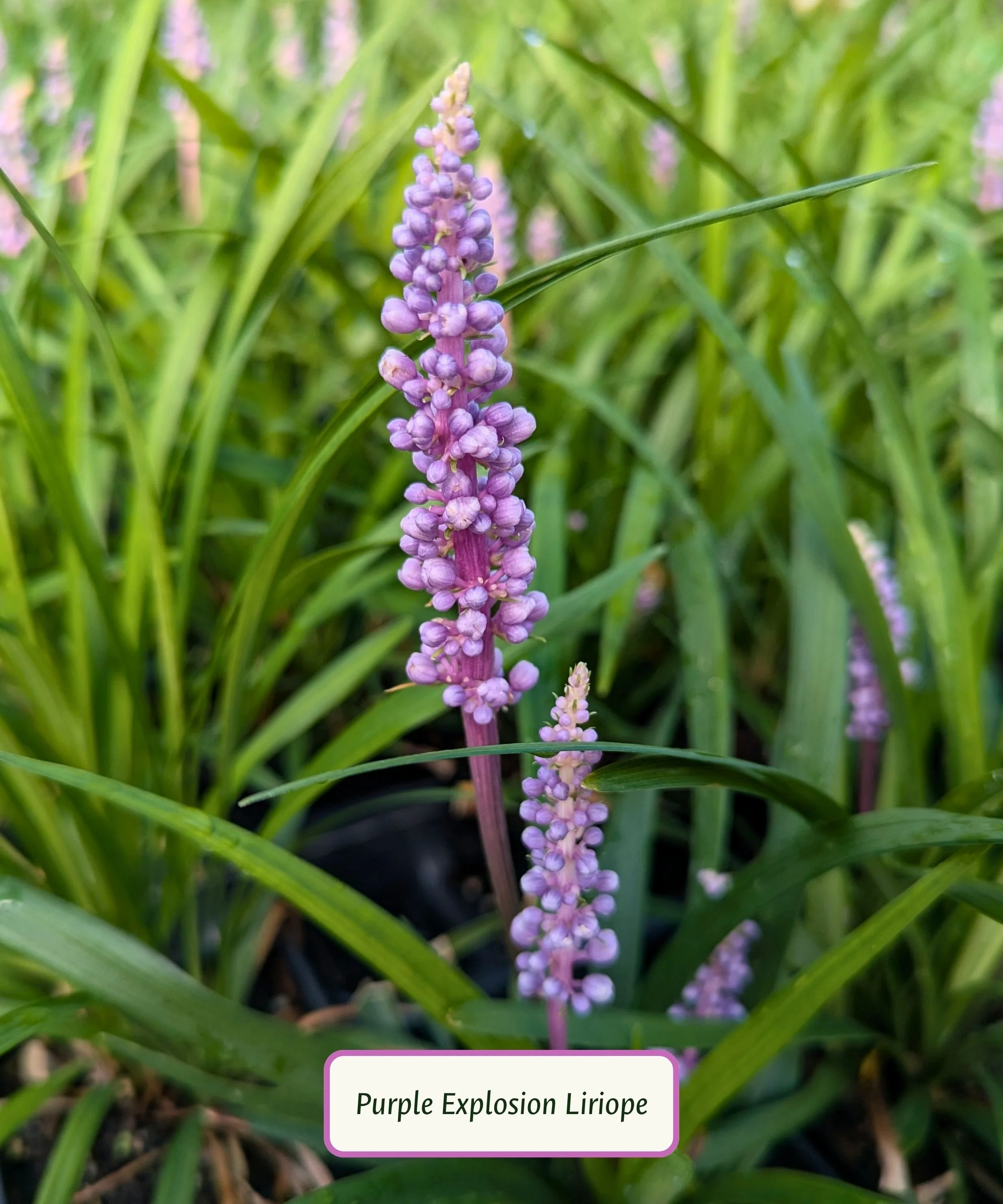 Image 4 of 4
Botanical Name: Liriope
Varieties we carry:
Big Blue
Purple Spectacular
Royal Purple
Variegata
Seasons of availability: All year
A broadleaf, semi-evergreen, herbaceous, perennial. Monkey Grass is highly reliable and low growing only reaching roughly 1 ft high. Liriope spicata will continue to spread indefinitely, but most varieties available are Liriope muscari which form a clump. Though Monkey Grass may resemble an ornamental grass it is not a true grass. Occasional pests and diseases are Anthracnose, leaf and crown rot, slugs, and snails. Liriope is susceptible to deer browsing. Monkey Grass has many landscape uses: along slopes to prevent erosion, for edging, rock gardens, containers, in woodland settings, or as a ground cover. Some Monkey Grass species can be used as a lawn alternative for lawns that receive occasional light foot traffic.
Hardy to growing Zones 4-10, Monkey Grass prefers acidic to neutral well-drained soils in partial shade. It is very adaptable even to full sun. Avoid overwatering or piling mulch directly on the crown to prevent root rot. Divide clumps every few years if they spread too aggressively. Mulch the prepared soil base to retain moisture and fertilize with a slow-release fertilizer to encourage new growth.
Botanical Name: Liriope
Varieties we carry:
Big Blue
Purple Spectacular
Royal Purple
Variegata
Seasons of availability: All year
A broadleaf, semi-evergreen, herbaceous, perennial. Monkey Grass is highly reliable and low growing only reaching roughly 1 ft high. Liriope spicata will continue to spread indefinitely, but most varieties available are Liriope muscari which form a clump. Though Monkey Grass may resemble an ornamental grass it is not a true grass. Occasional pests and diseases are Anthracnose, leaf and crown rot, slugs, and snails. Liriope is susceptible to deer browsing. Monkey Grass has many landscape uses: along slopes to prevent erosion, for edging, rock gardens, containers, in woodland settings, or as a ground cover. Some Monkey Grass species can be used as a lawn alternative for lawns that receive occasional light foot traffic.
Hardy to growing Zones 4-10, Monkey Grass prefers acidic to neutral well-drained soils in partial shade. It is very adaptable even to full sun. Avoid overwatering or piling mulch directly on the crown to prevent root rot. Divide clumps every few years if they spread too aggressively. Mulch the prepared soil base to retain moisture and fertilize with a slow-release fertilizer to encourage new growth.