Native, wildlife friendly, Southern staple, evergreen shade tree.
Botanical Name: Magnolia
Varieties we carry:
Little Gem
Teddy Bear
Bracken's Brown Beauty
Sweet Bay
The following varieties may be available for special request: Banana Shrub
Seasons of availability: All year.
Landscape Value:
A southern staple. Magnolias are large evergreen shade tree native to the bottomlands and moist wooded areas in the central and southeastern United States. It typically grows to 60 to 80 feet tall with a pyramidal to rounded crown with a spread of 20 to 40 feet wide. Dwarf Varieties like Little Gem and Teddy Bear grow slower, but can still exceed 30 feet tall. Sweet bay Magnolia is also smaller in stature than Southern Magnolia. Magnolias have large lustrous dark green leaves with large fragrant white flowers in the summer months. Magnolia is essentially problem free. Scale is probably the most concerning pest. Deer occasionally damage small trees. Magnolias have high wildlife and pollinator value. This is a magnificent tree when used as a large specimen.
Plant Care:
Magnolia grows well in full sun to partial shade and is tolerant of various soil types. Lower branches tend to reach the ground and can be pruned out to appear more tree-like. Magnolia suppresses undergrowth and requires plenty of space to grow. Prune in late spring for best results, but be aware that flowers may be removed during that season. Mulch the prepared soil base to retain moisture and fertilize with a slow-release fertilizer to encourage new growth.
Ideal planting seasons: Fall, Winter, and Spring.
Native, wildlife friendly, Southern staple, evergreen shade tree.
Botanical Name: Magnolia
Varieties we carry:
Little Gem
Teddy Bear
Bracken's Brown Beauty
Sweet Bay
The following varieties may be available for special request: Banana Shrub
Seasons of availability: All year.
Landscape Value:
A southern staple. Magnolias are large evergreen shade tree native to the bottomlands and moist wooded areas in the central and southeastern United States. It typically grows to 60 to 80 feet tall with a pyramidal to rounded crown with a spread of 20 to 40 feet wide. Dwarf Varieties like Little Gem and Teddy Bear grow slower, but can still exceed 30 feet tall. Sweet bay Magnolia is also smaller in stature than Southern Magnolia. Magnolias have large lustrous dark green leaves with large fragrant white flowers in the summer months. Magnolia is essentially problem free. Scale is probably the most concerning pest. Deer occasionally damage small trees. Magnolias have high wildlife and pollinator value. This is a magnificent tree when used as a large specimen.
Plant Care:
Magnolia grows well in full sun to partial shade and is tolerant of various soil types. Lower branches tend to reach the ground and can be pruned out to appear more tree-like. Magnolia suppresses undergrowth and requires plenty of space to grow. Prune in late spring for best results, but be aware that flowers may be removed during that season. Mulch the prepared soil base to retain moisture and fertilize with a slow-release fertilizer to encourage new growth.
Ideal planting seasons: Fall, Winter, and Spring.


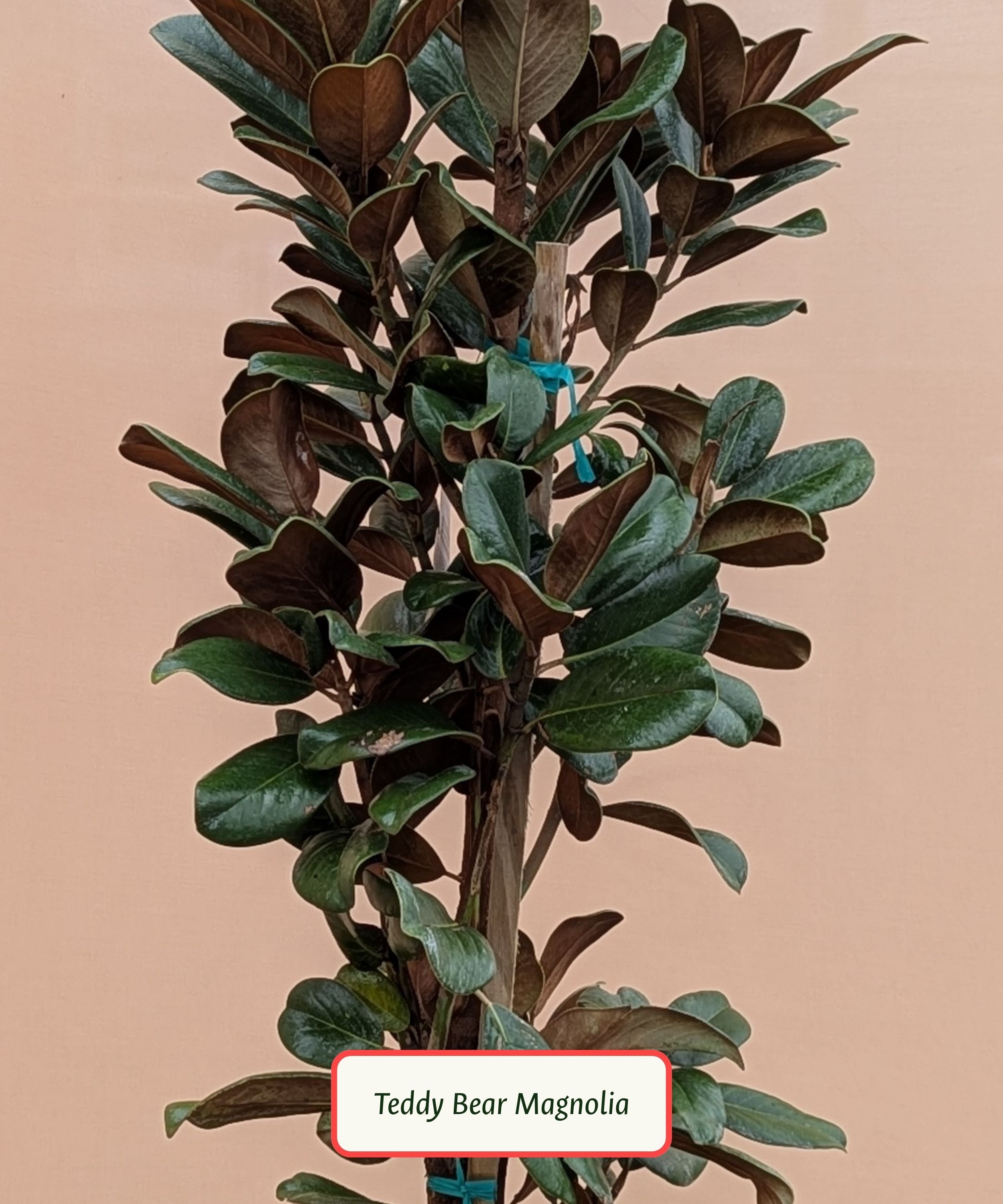 Image 1 of 10
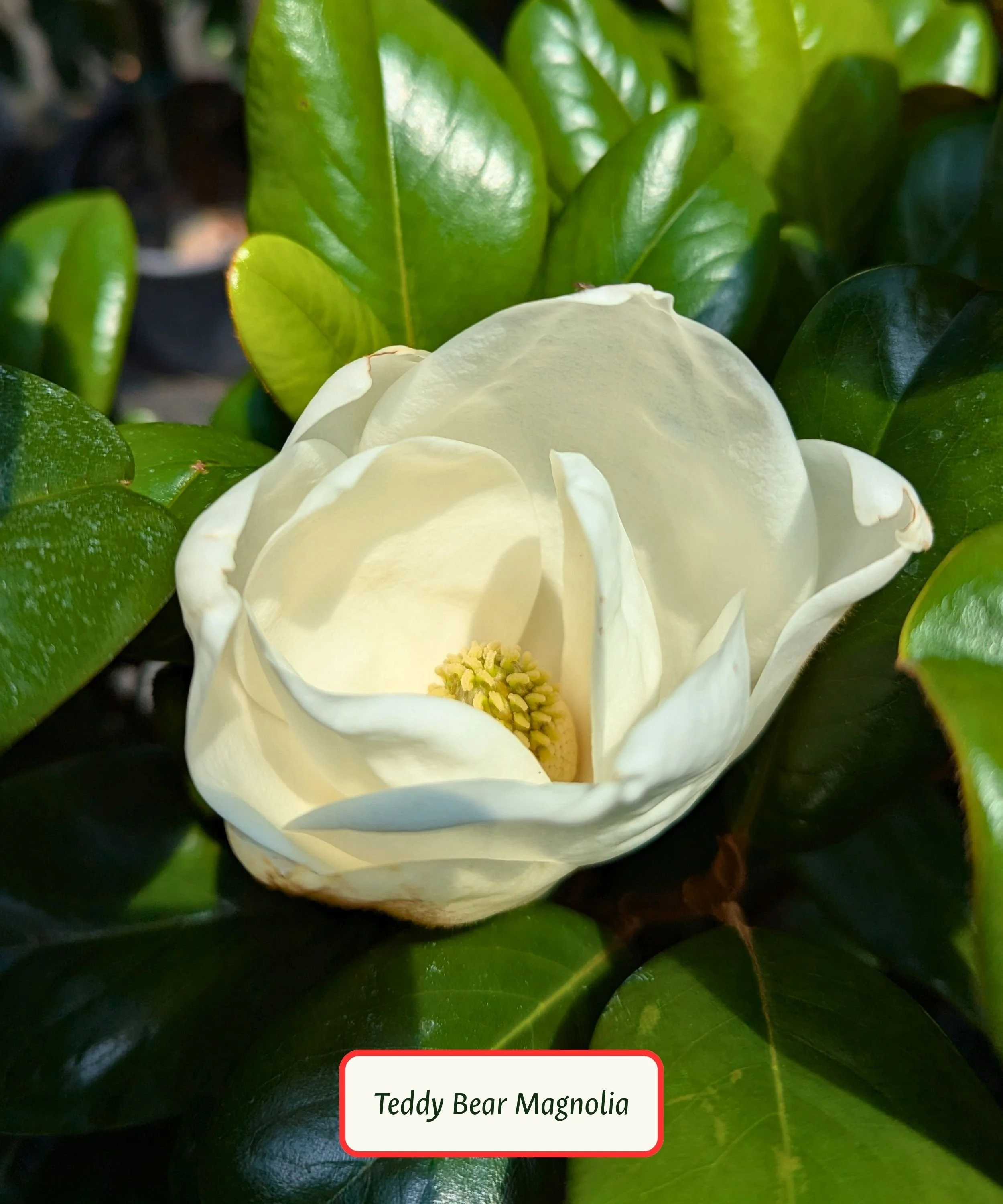 Image 2 of 10
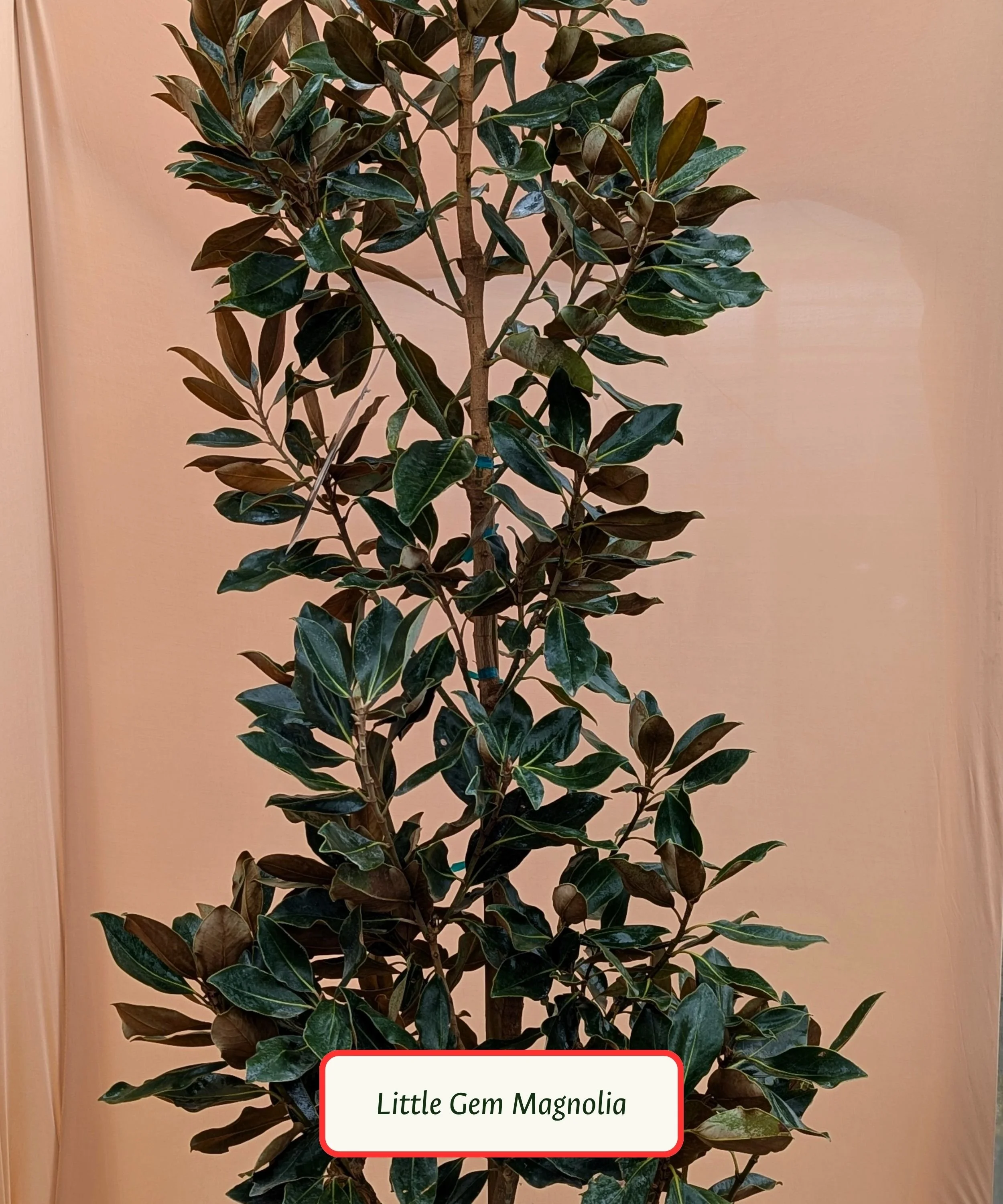 Image 3 of 10
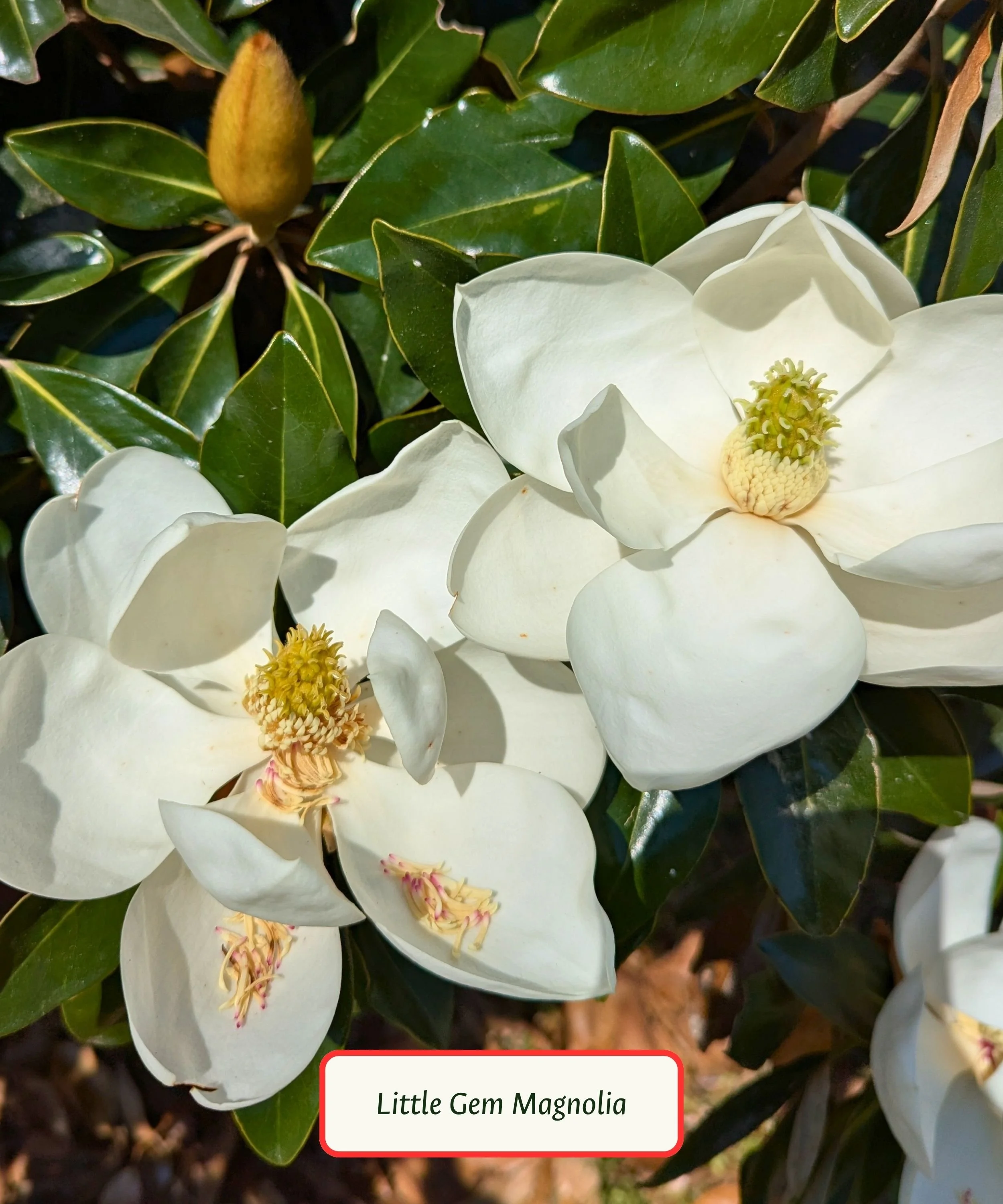 Image 4 of 10
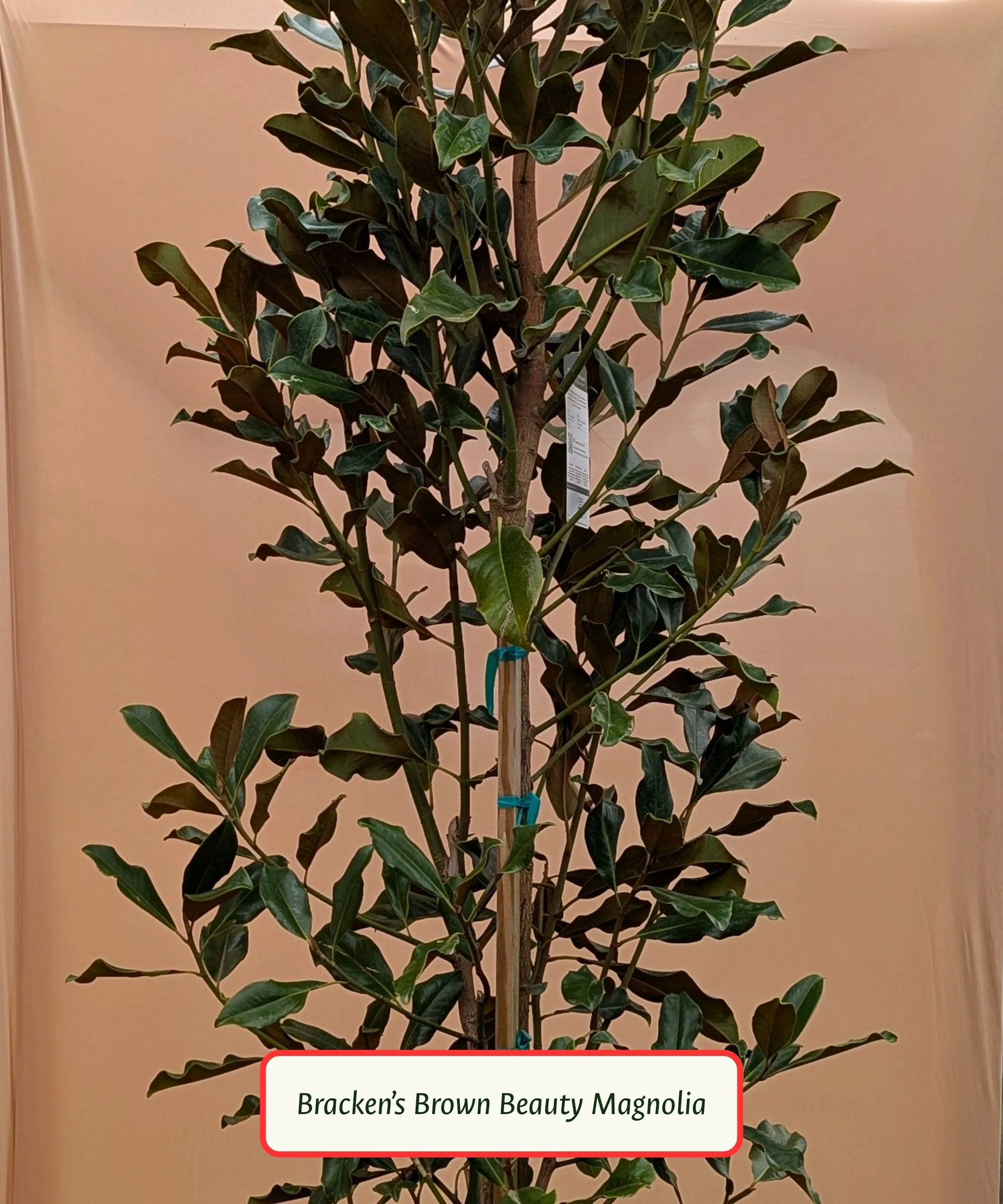 Image 5 of 10
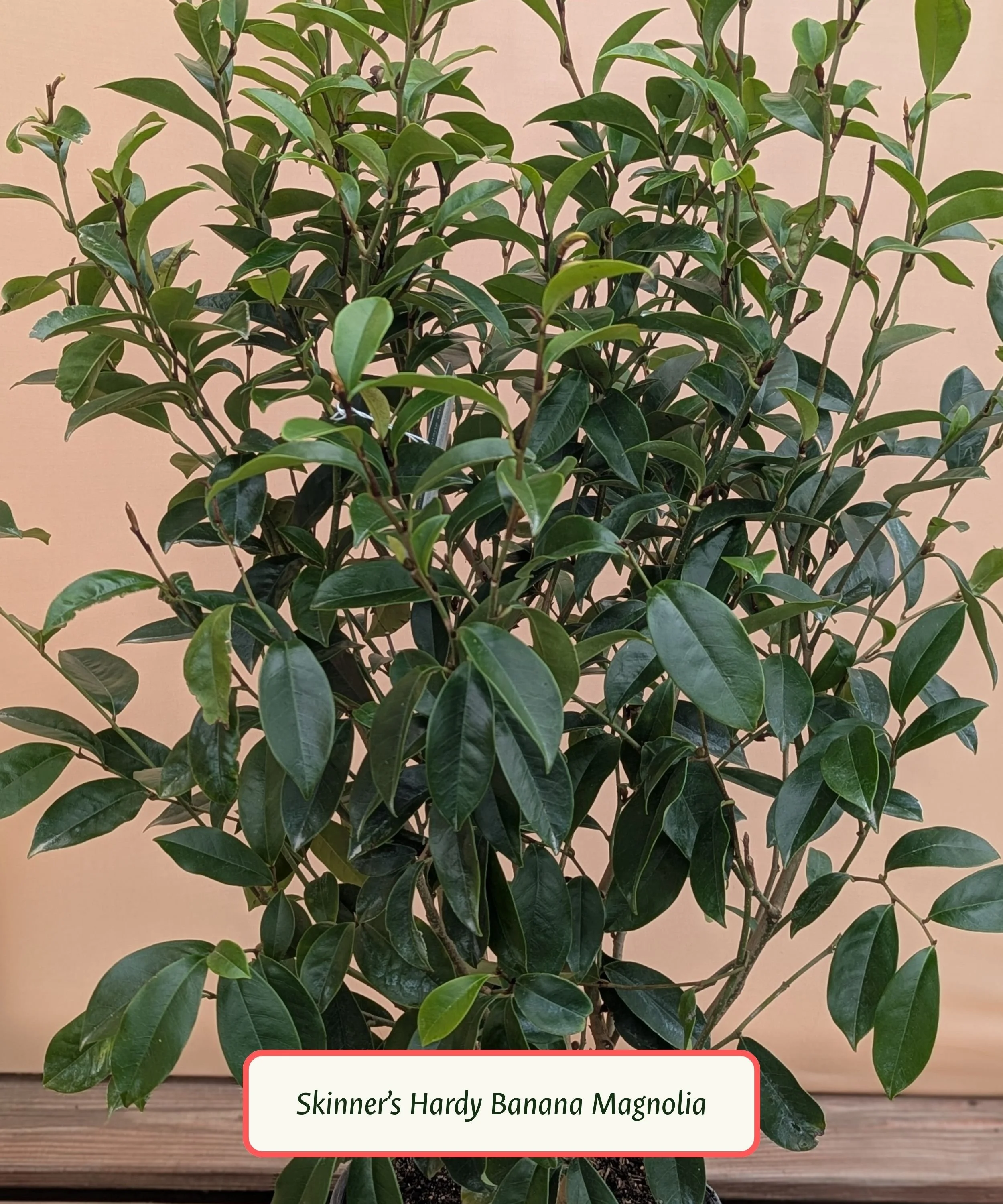 Image 6 of 10
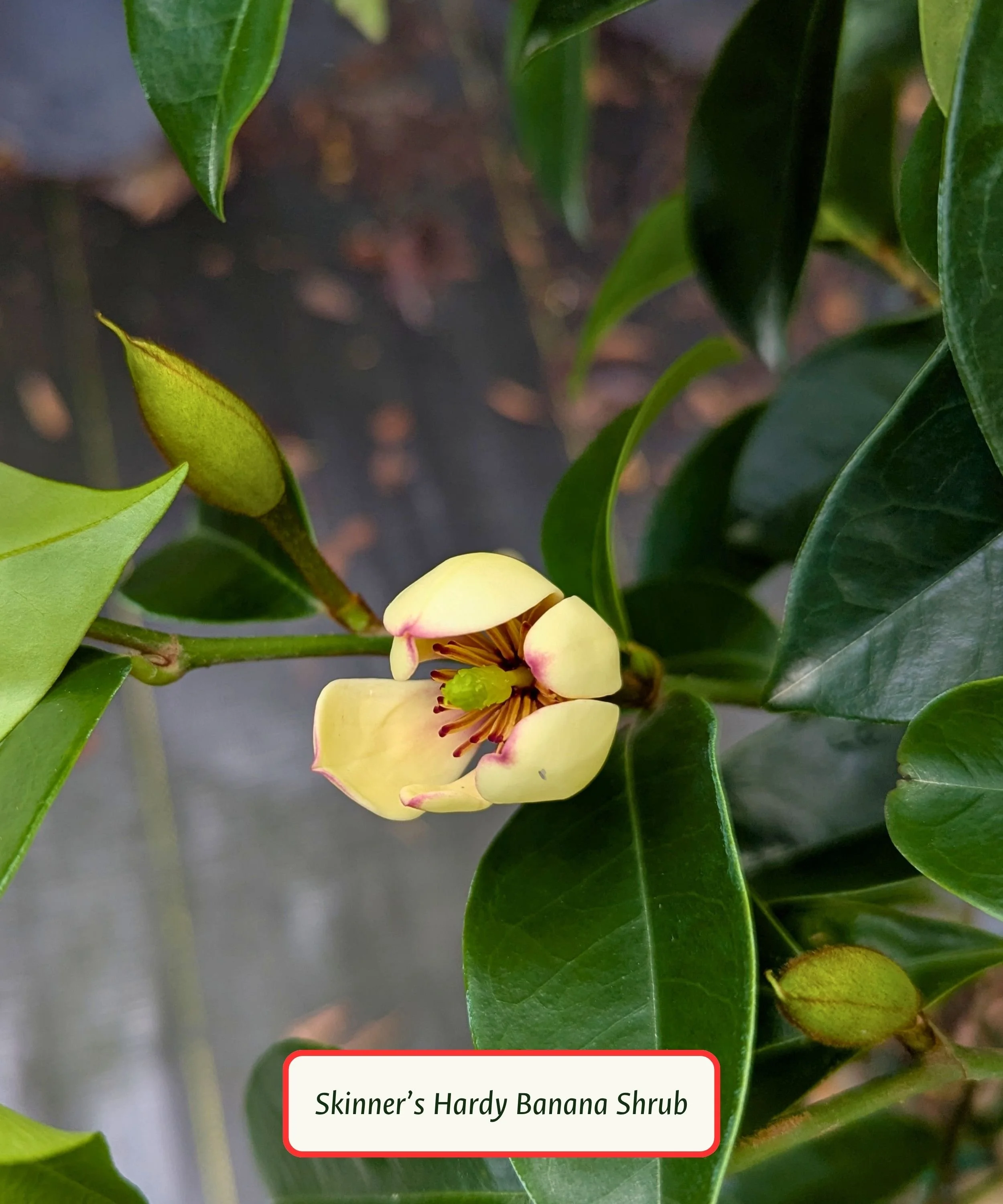 Image 7 of 10
 Image 8 of 10
 Image 9 of 10
 Image 10 of 10