Specimen, fall color, slow growing, elegant ornamental tree.
Botanical Name: Acer palmatum
Varieties we carry:
Crimson Queen
Red Dragon
Inaba shidare
Tamukeyama
Waterfall
Viridis
Orangeola
Ryusen
Mikawa yatsubusa
Shishigashira
Twombley's Red Sentinel
Bloodgood
Hefner's Red Select
Fireglow
Sango kaku
Summer Gold
Seiryu
Pung kil
Koto no ito
Osakazuki
Seasons of availability: All year, new shipments primarily in Fall
Landscape Value:
Japanese Maples have high landscape value. They are often used as a specimen tree due to their dominance in foliage color and relatively small size for a tree. Japanese Maples perform best as a woodland understory tree or forest edge tree, but any area that shelters them from intense afternoon heat may be suitable. They offer some wildlife habitat and show a small degree of deer resistance, though they should be protected from antler rubbing and beavers.
Plant Care:
While some Japanese maple varieties can tolerate full sun, most varieties prefer dappled or afternoon shade, especially when young and in our Southern climate. This tree thrives in well-drained, slightly acidic soil, with a pH between 5.5-6.5. Japanese maples have relatively few disease and insect issues. Antrachrose, leaf spot, and Asian Beetles are minor issues. Japanese maple grows best in hardiness Zones 5-8, with needed protection from leaf scorch in zone 9. Mulch the prepared soil base to retain moisture and fertilize with a slow-release fertilizer to encourage new growth.
Ideal planting seasons: Fall and Winter.
Specimen, fall color, slow growing, elegant ornamental tree.
Botanical Name: Acer palmatum
Varieties we carry:
Crimson Queen
Red Dragon
Inaba shidare
Tamukeyama
Waterfall
Viridis
Orangeola
Ryusen
Mikawa yatsubusa
Shishigashira
Twombley's Red Sentinel
Bloodgood
Hefner's Red Select
Fireglow
Sango kaku
Summer Gold
Seiryu
Pung kil
Koto no ito
Osakazuki
Seasons of availability: All year, new shipments primarily in Fall
Landscape Value:
Japanese Maples have high landscape value. They are often used as a specimen tree due to their dominance in foliage color and relatively small size for a tree. Japanese Maples perform best as a woodland understory tree or forest edge tree, but any area that shelters them from intense afternoon heat may be suitable. They offer some wildlife habitat and show a small degree of deer resistance, though they should be protected from antler rubbing and beavers.
Plant Care:
While some Japanese maple varieties can tolerate full sun, most varieties prefer dappled or afternoon shade, especially when young and in our Southern climate. This tree thrives in well-drained, slightly acidic soil, with a pH between 5.5-6.5. Japanese maples have relatively few disease and insect issues. Antrachrose, leaf spot, and Asian Beetles are minor issues. Japanese maple grows best in hardiness Zones 5-8, with needed protection from leaf scorch in zone 9. Mulch the prepared soil base to retain moisture and fertilize with a slow-release fertilizer to encourage new growth.
Ideal planting seasons: Fall and Winter.


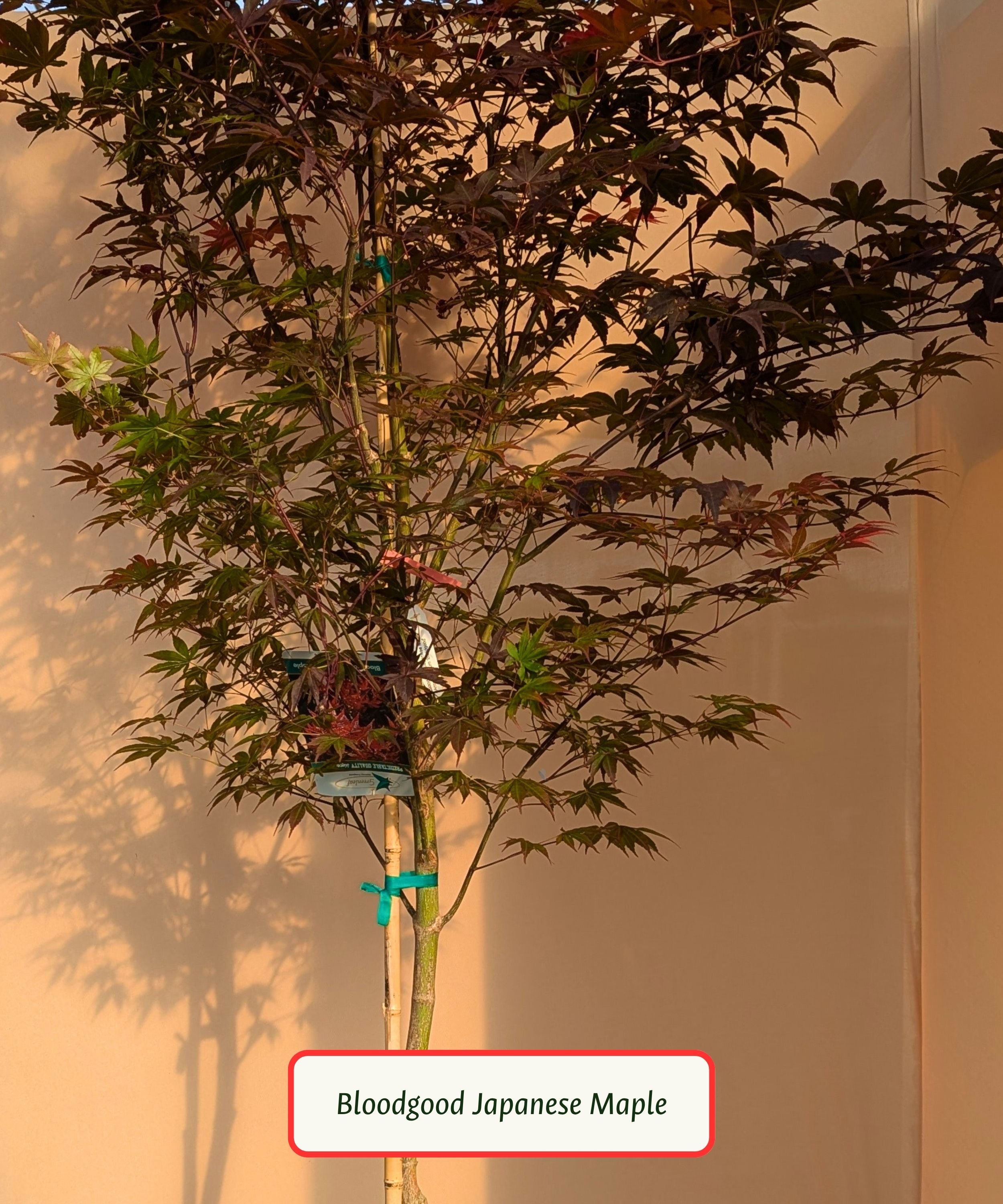 Image 1 of 10
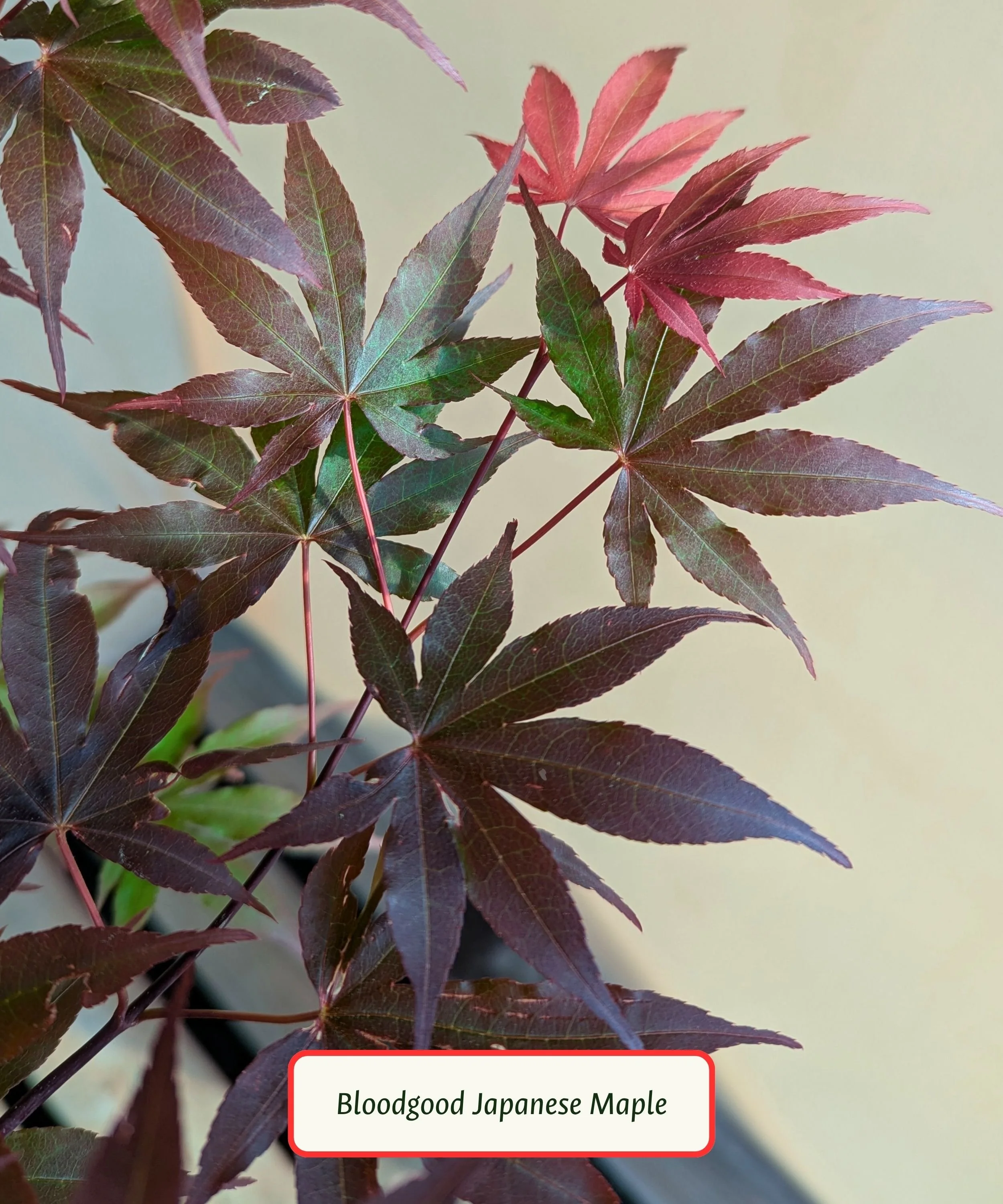 Image 2 of 10
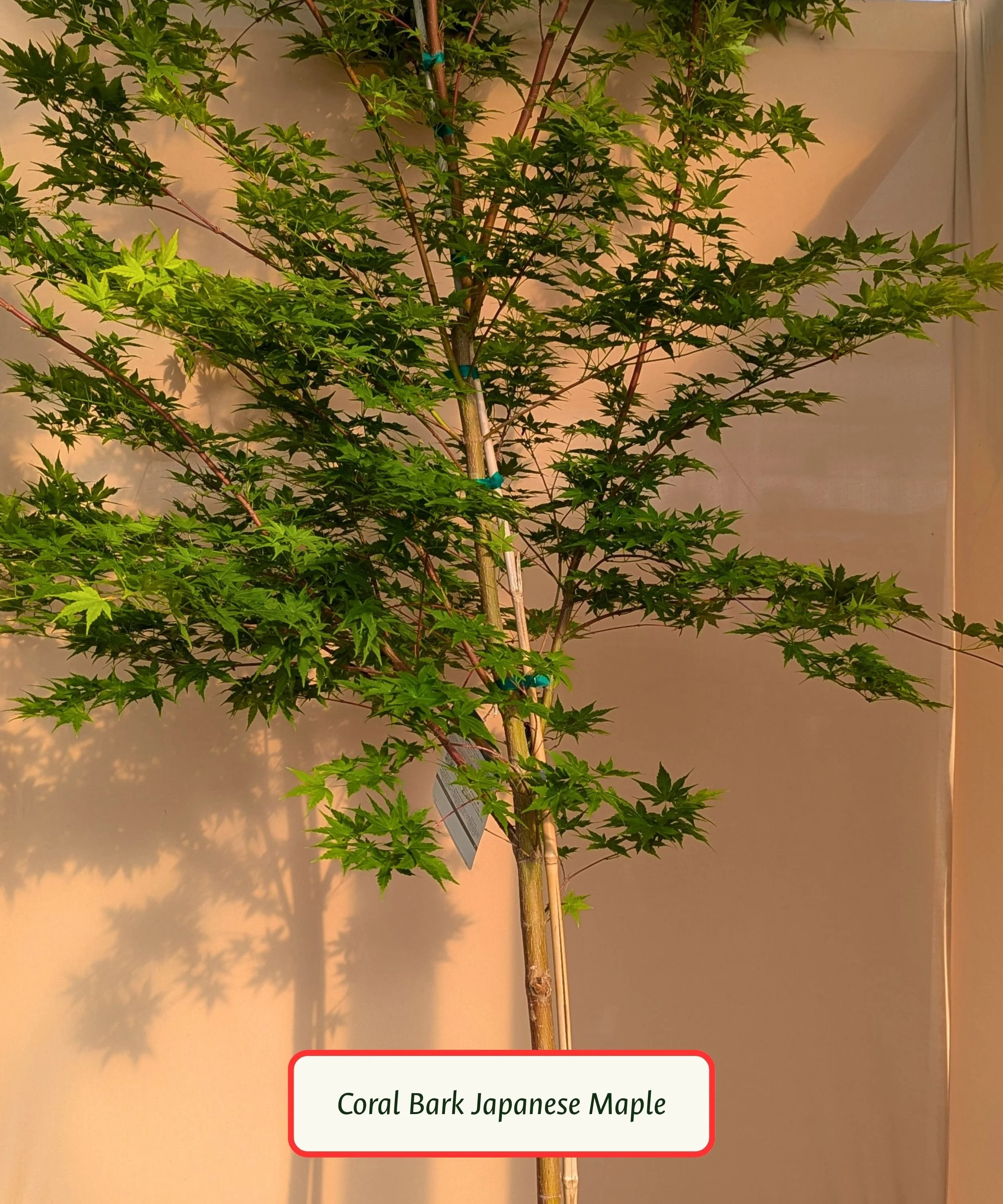 Image 3 of 10
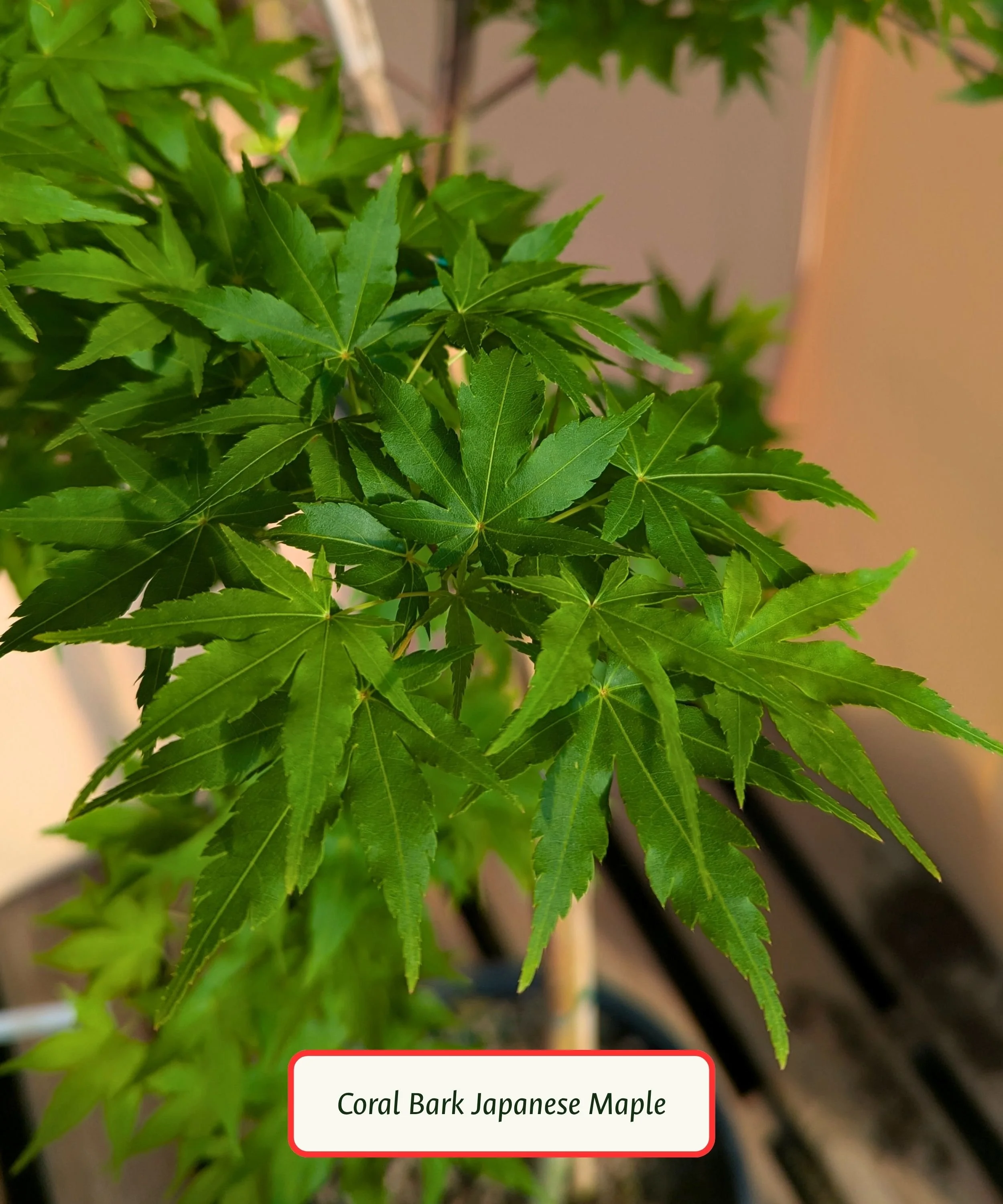 Image 4 of 10
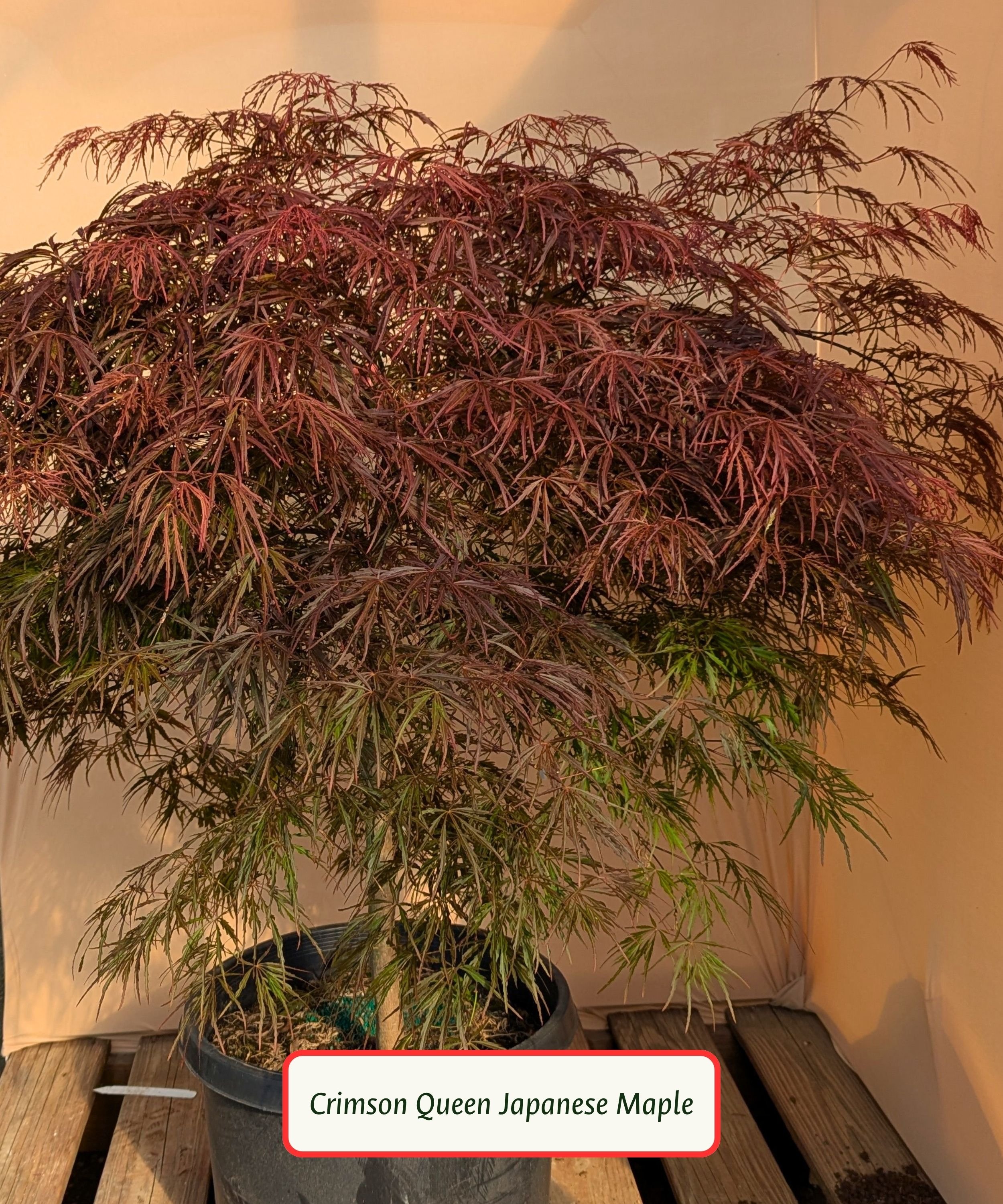 Image 5 of 10
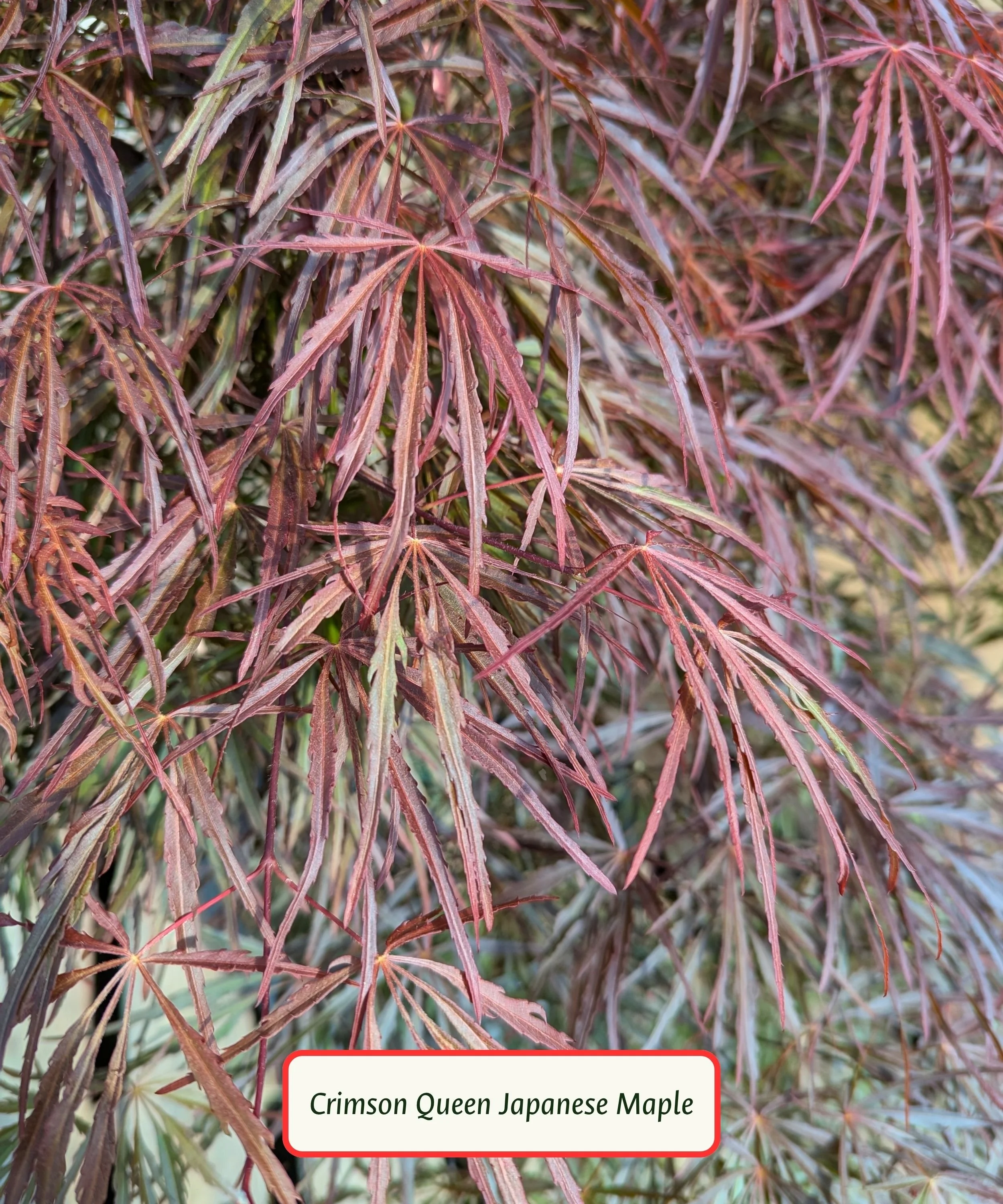 Image 6 of 10
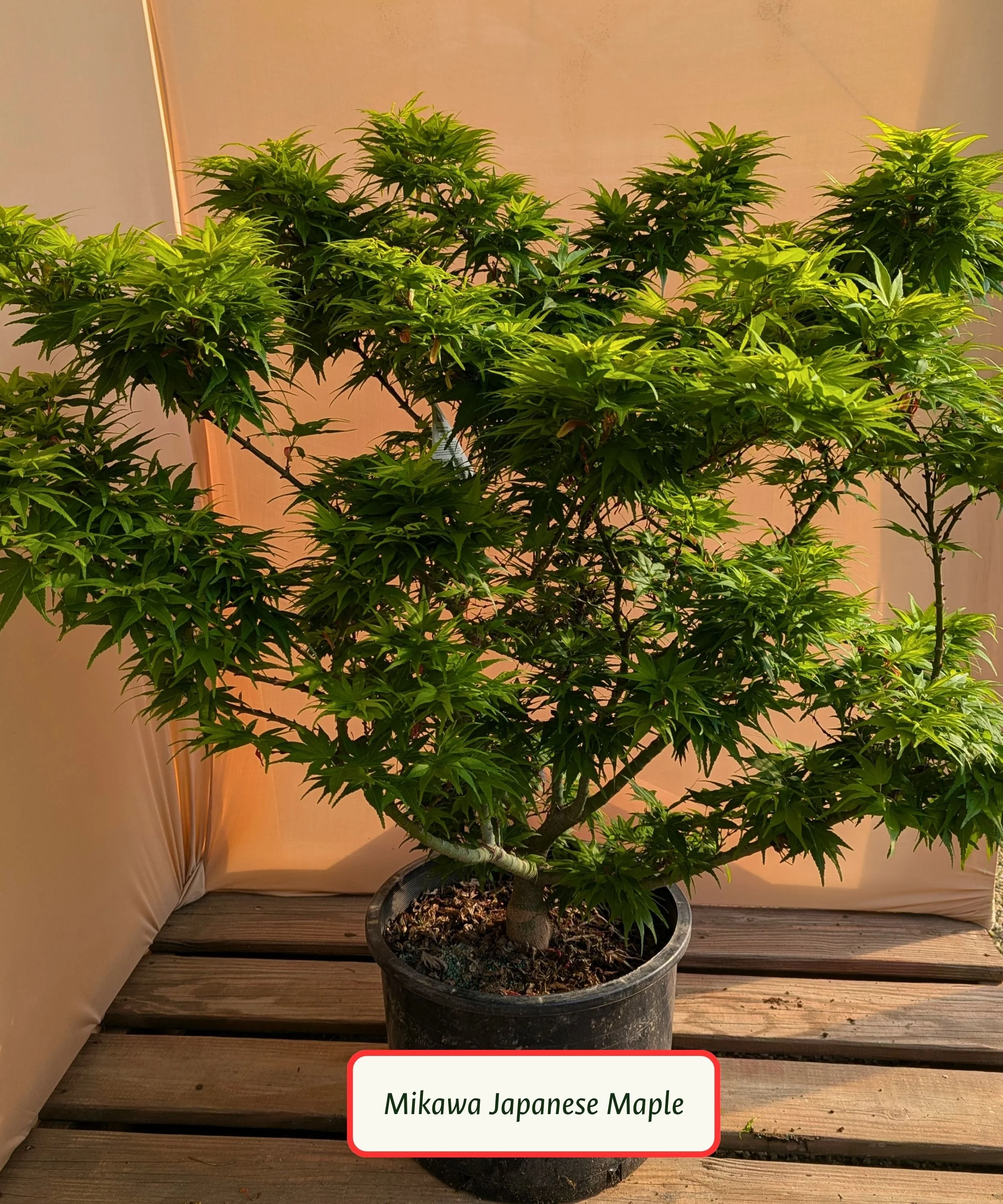 Image 7 of 10
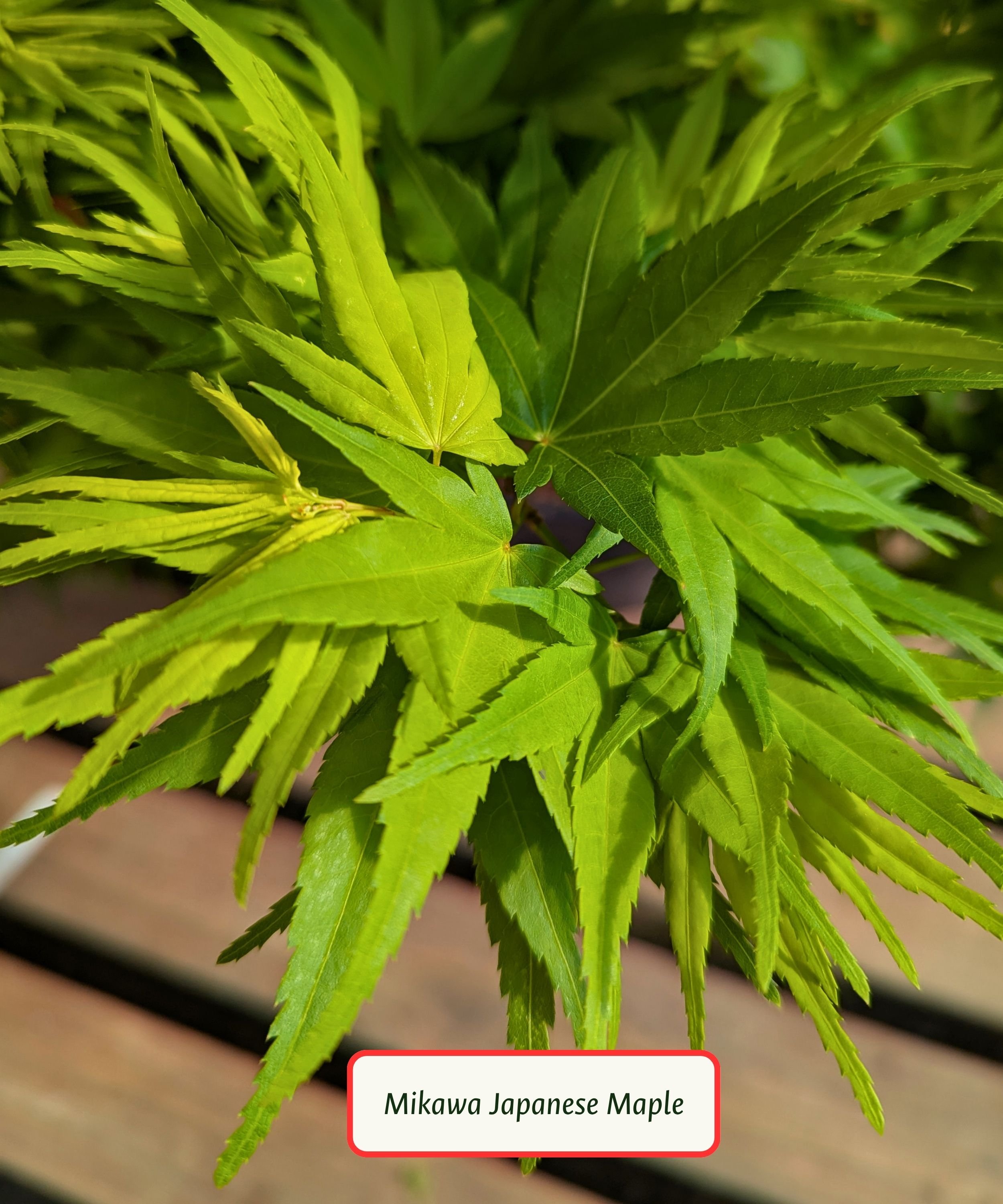 Image 8 of 10
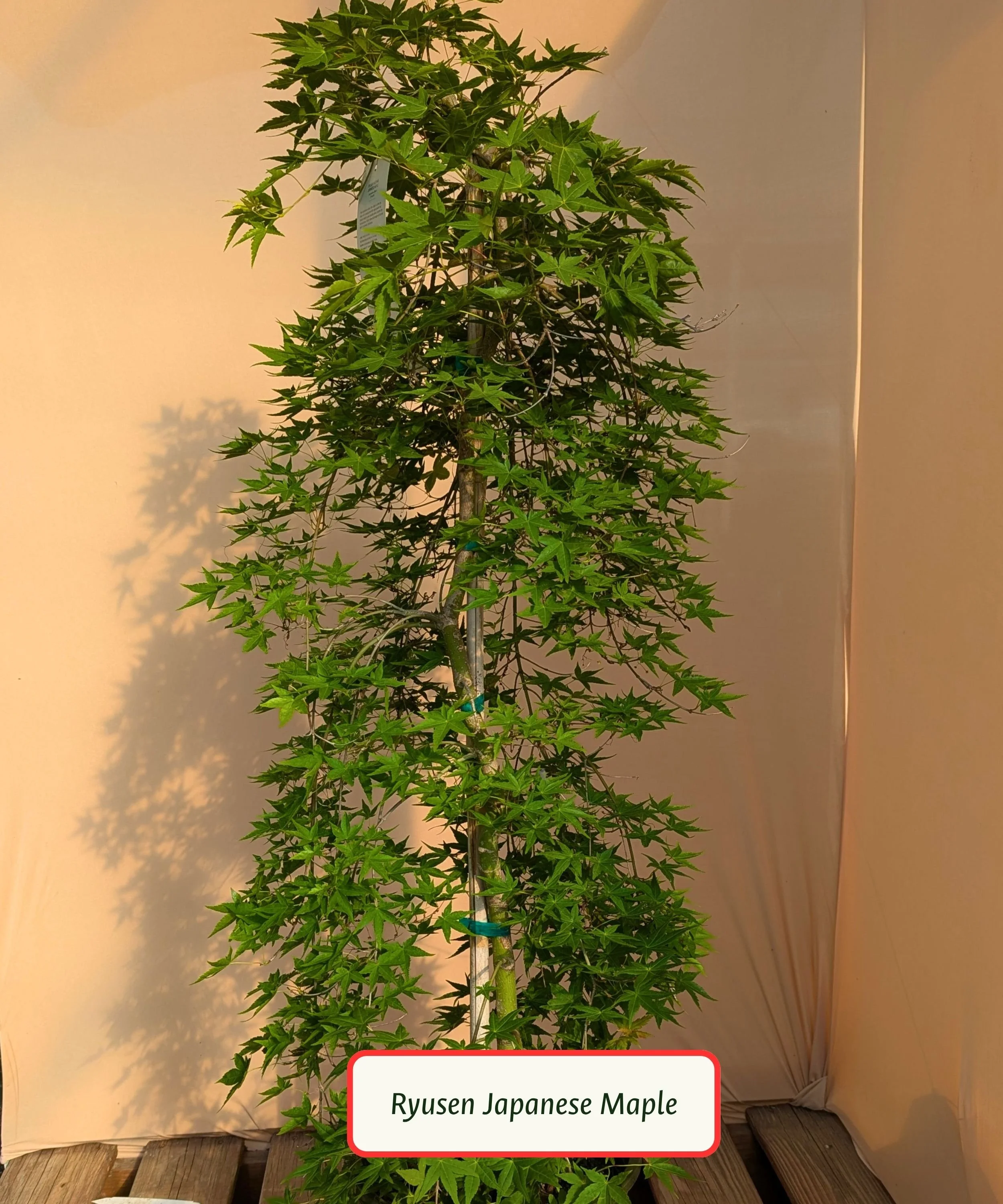 Image 9 of 10
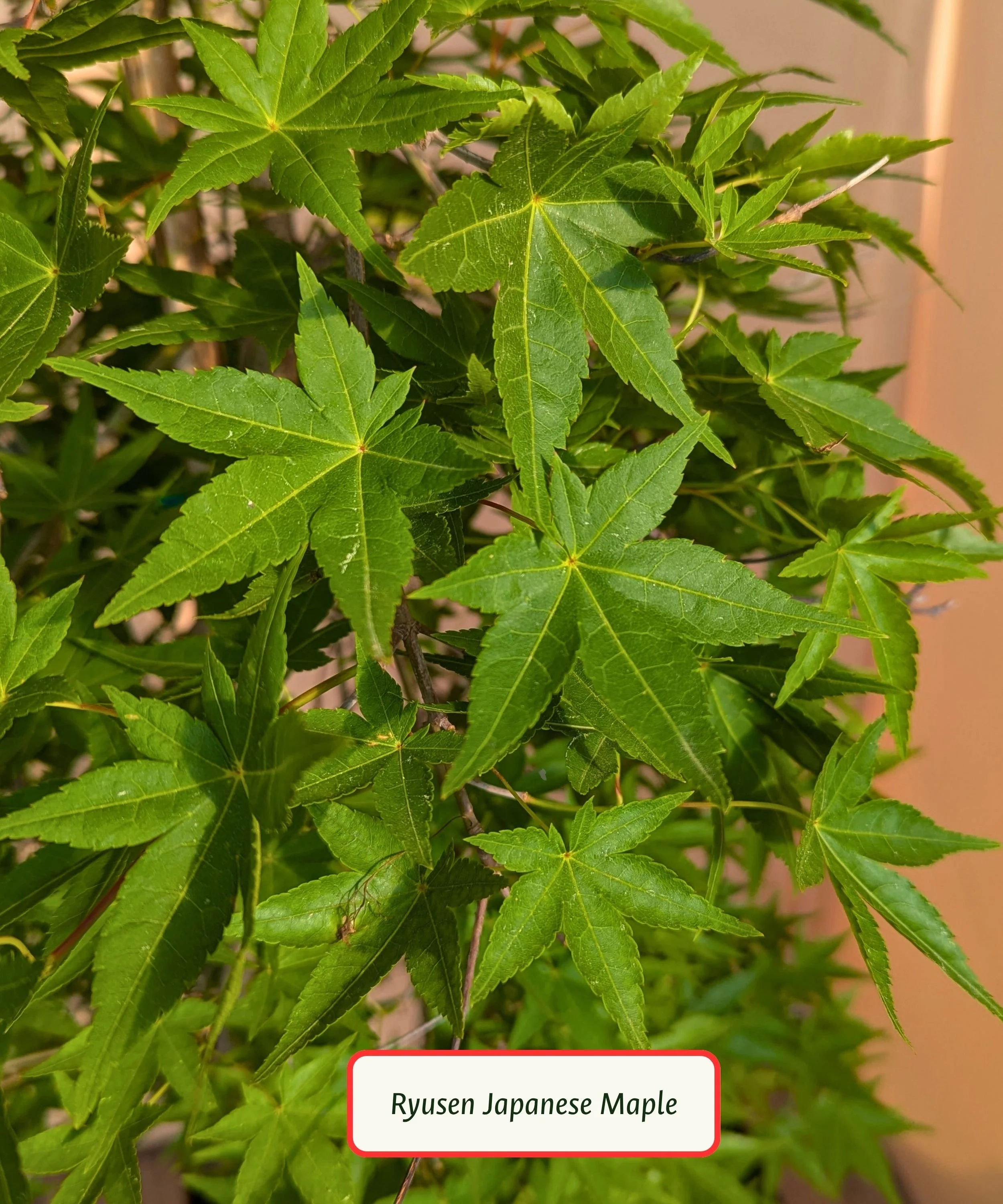 Image 10 of 10