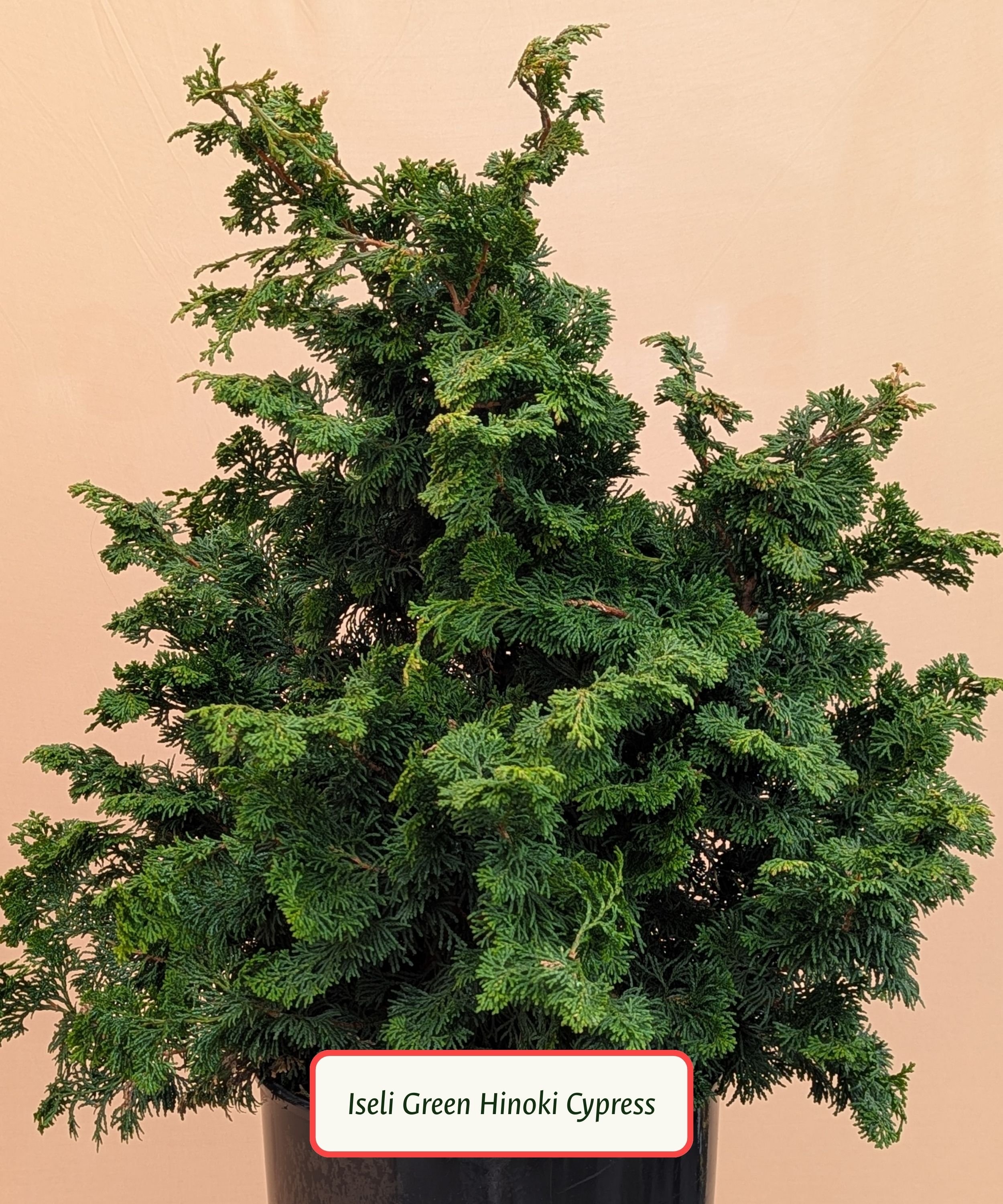
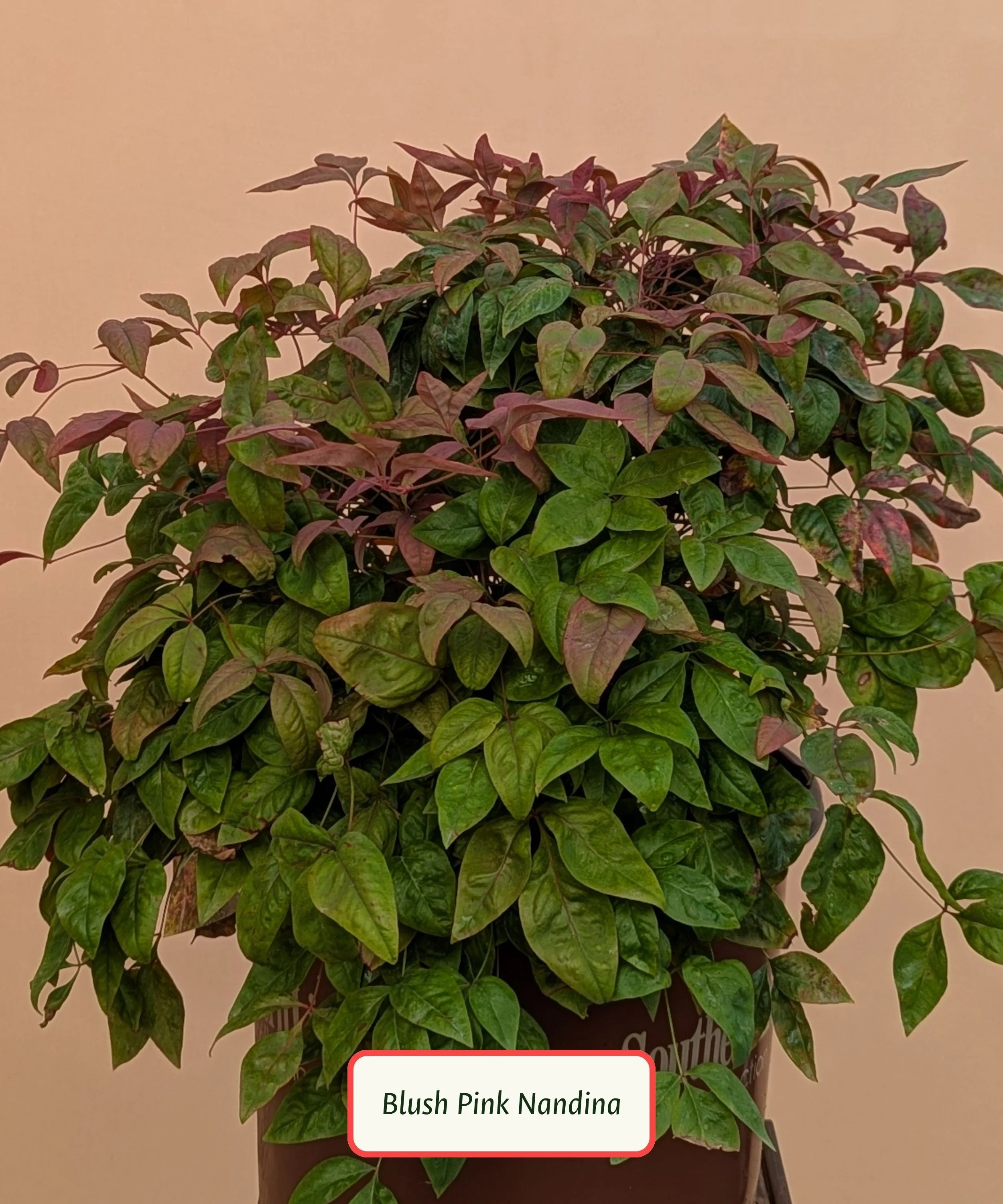
 Image 1 of 4
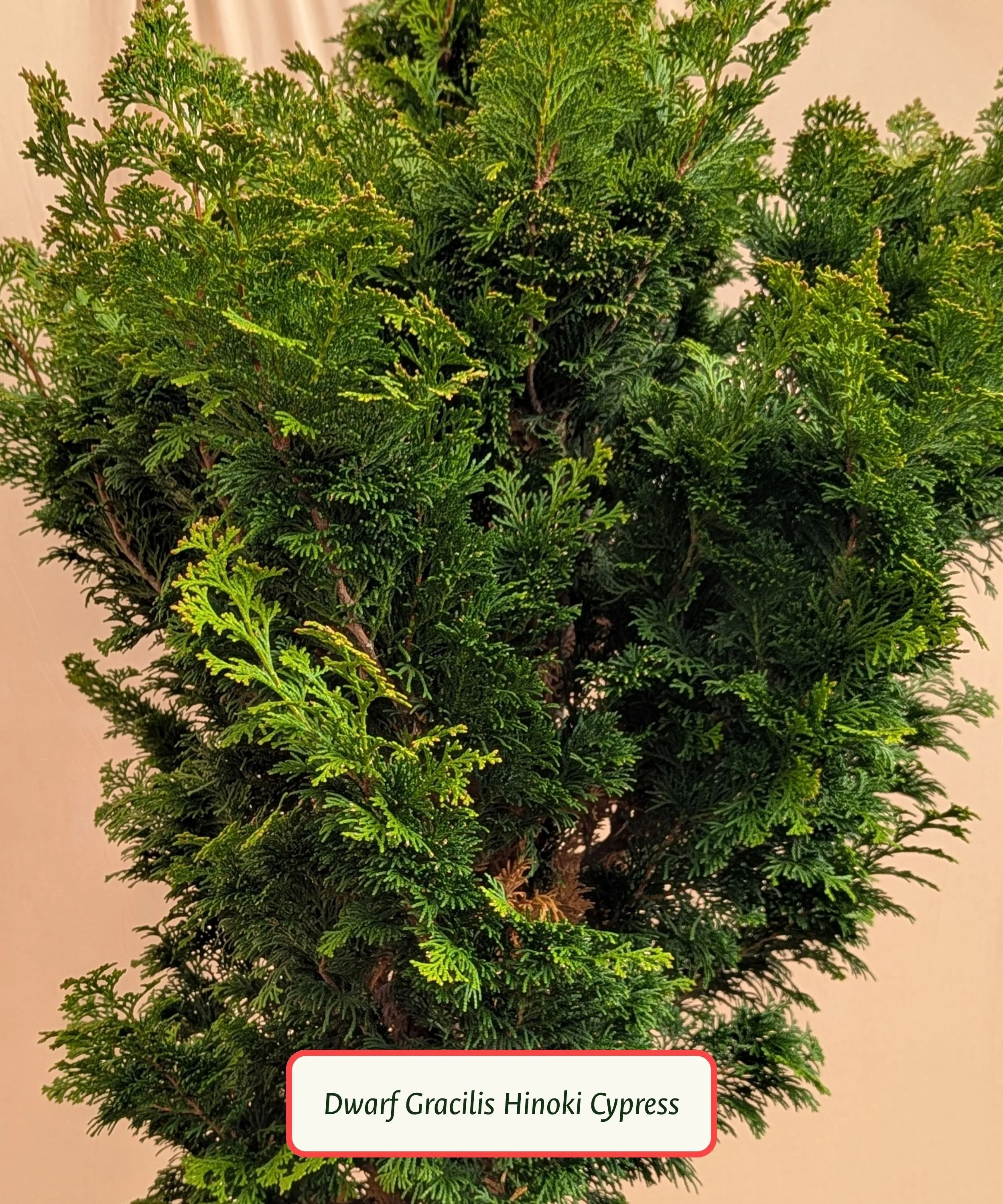
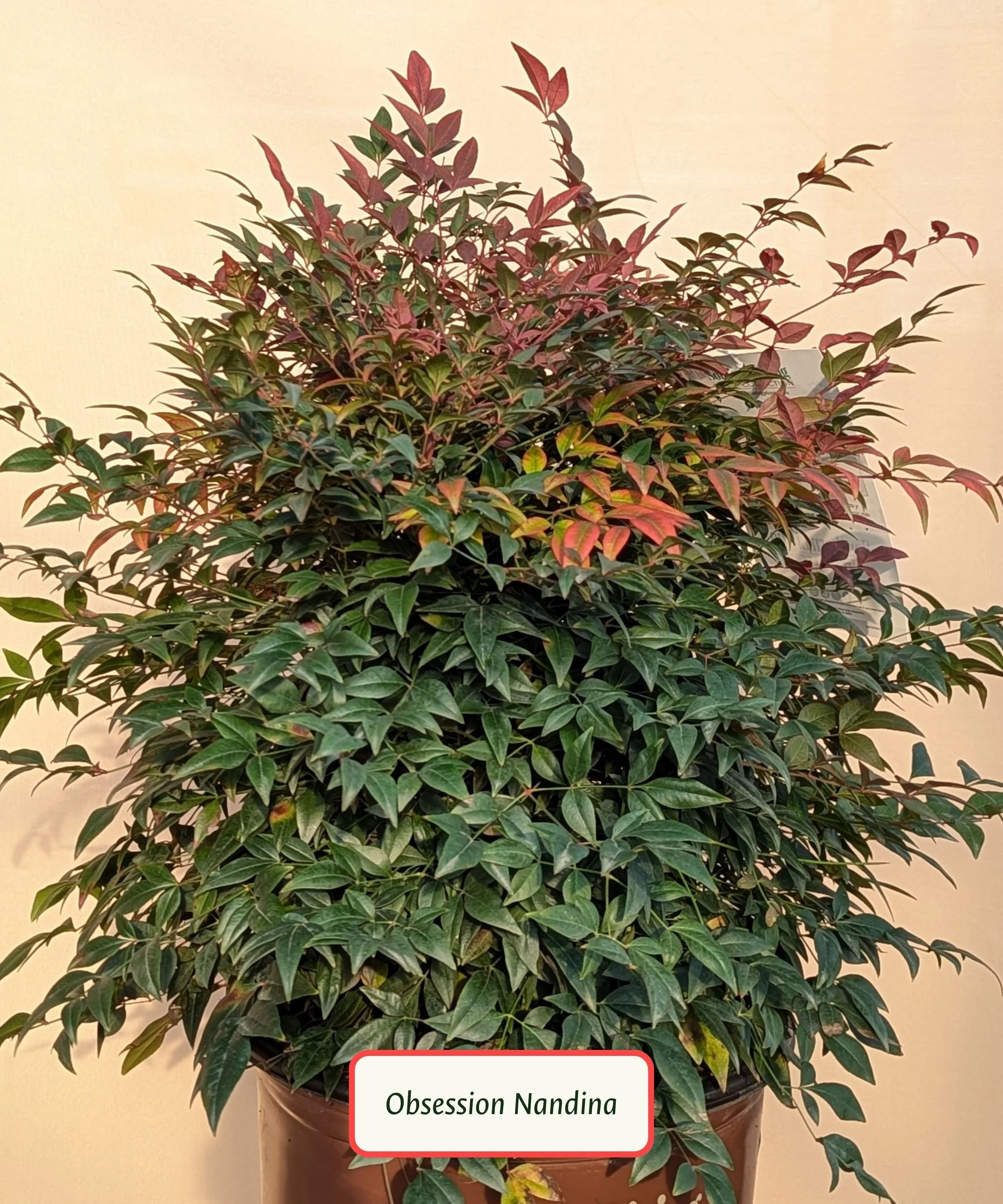
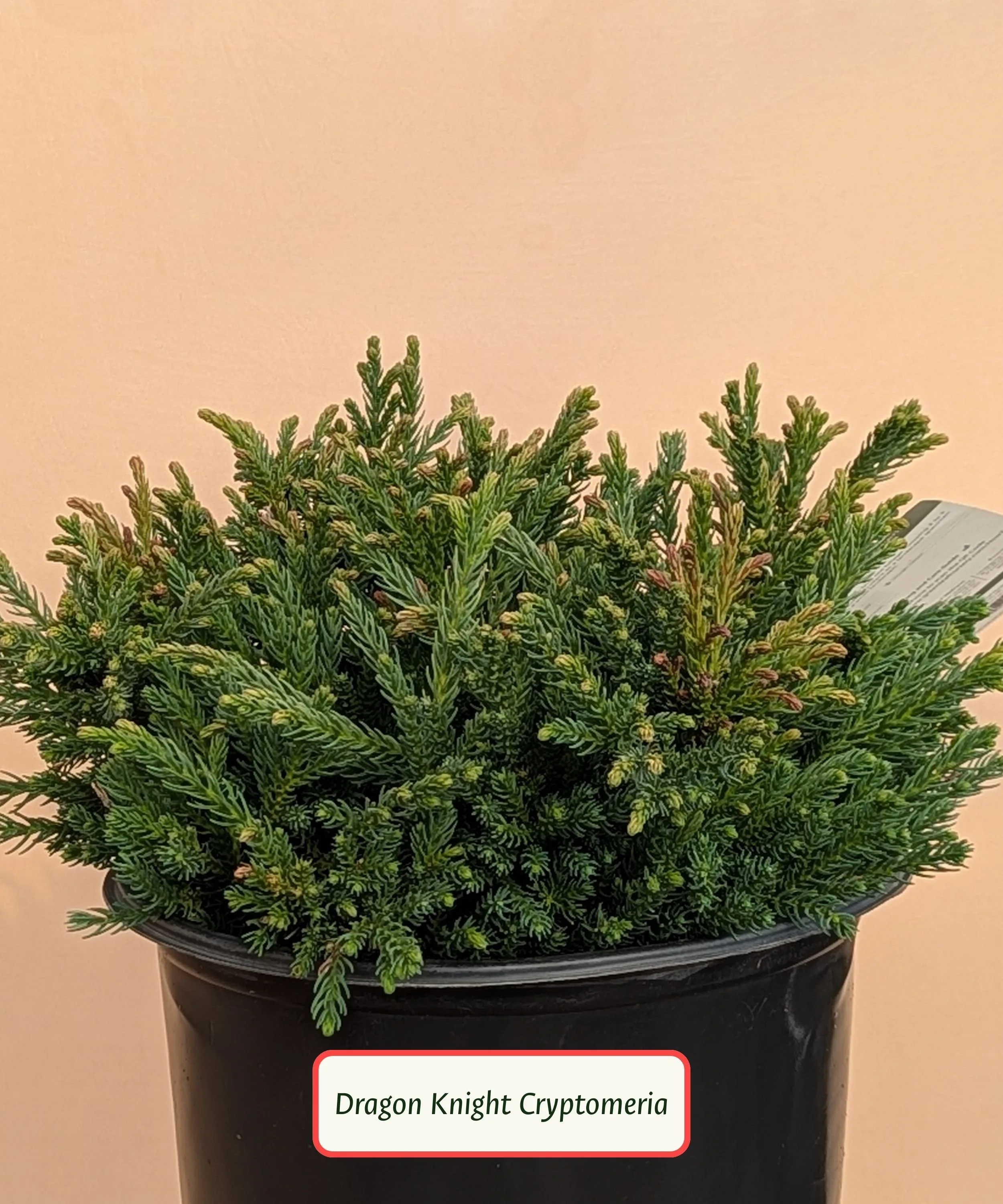 Image 2 of 4
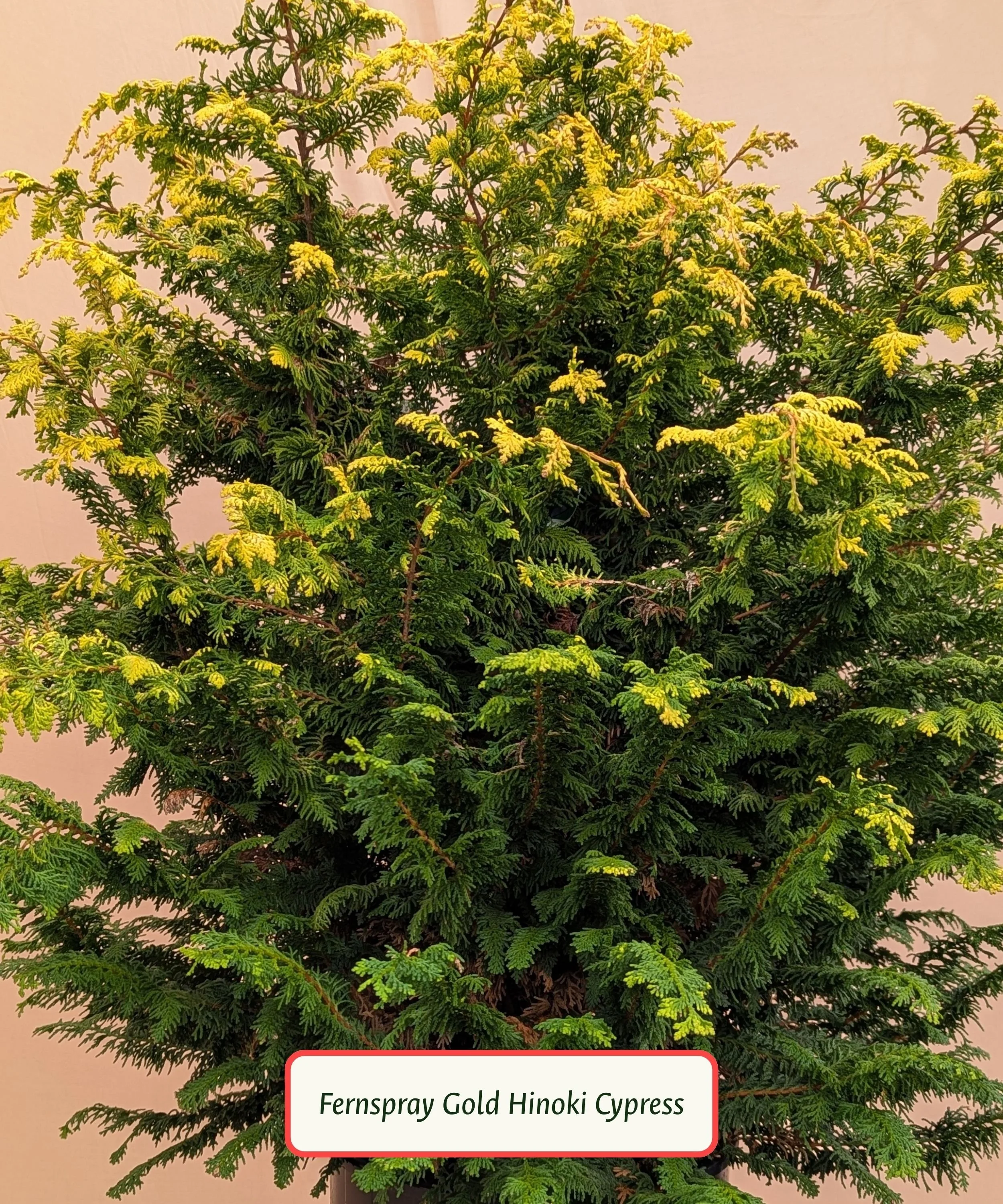
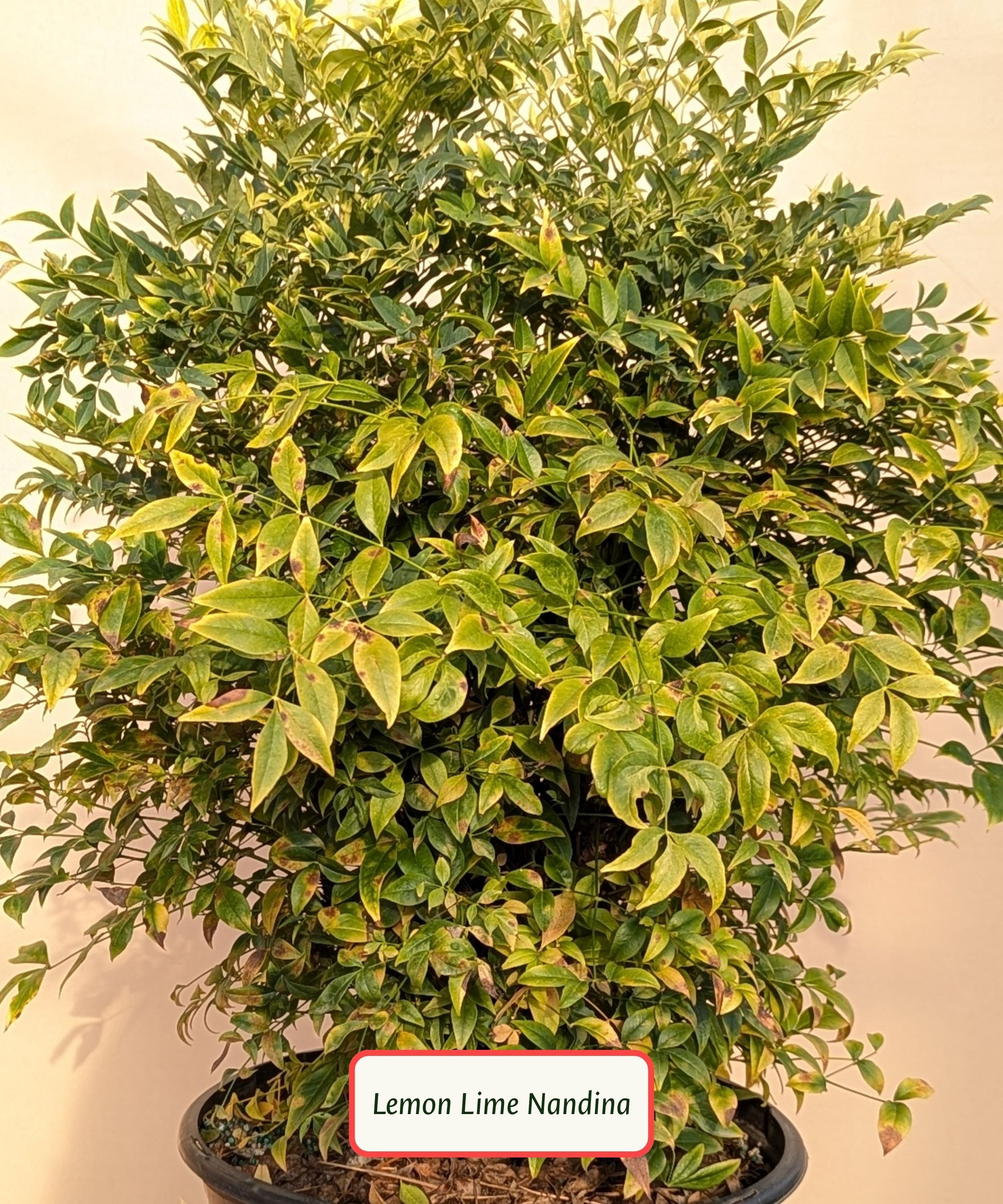
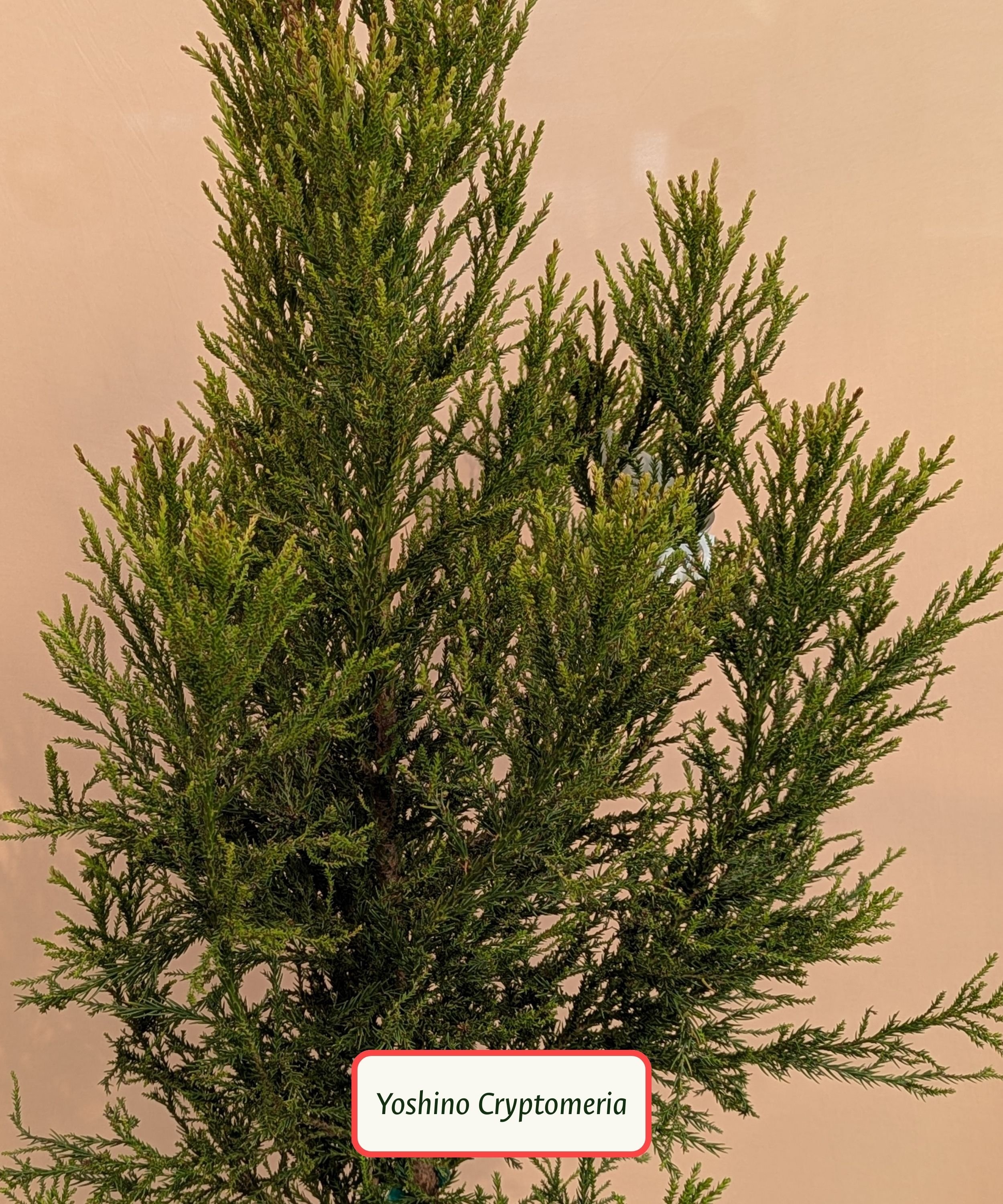 Image 3 of 4
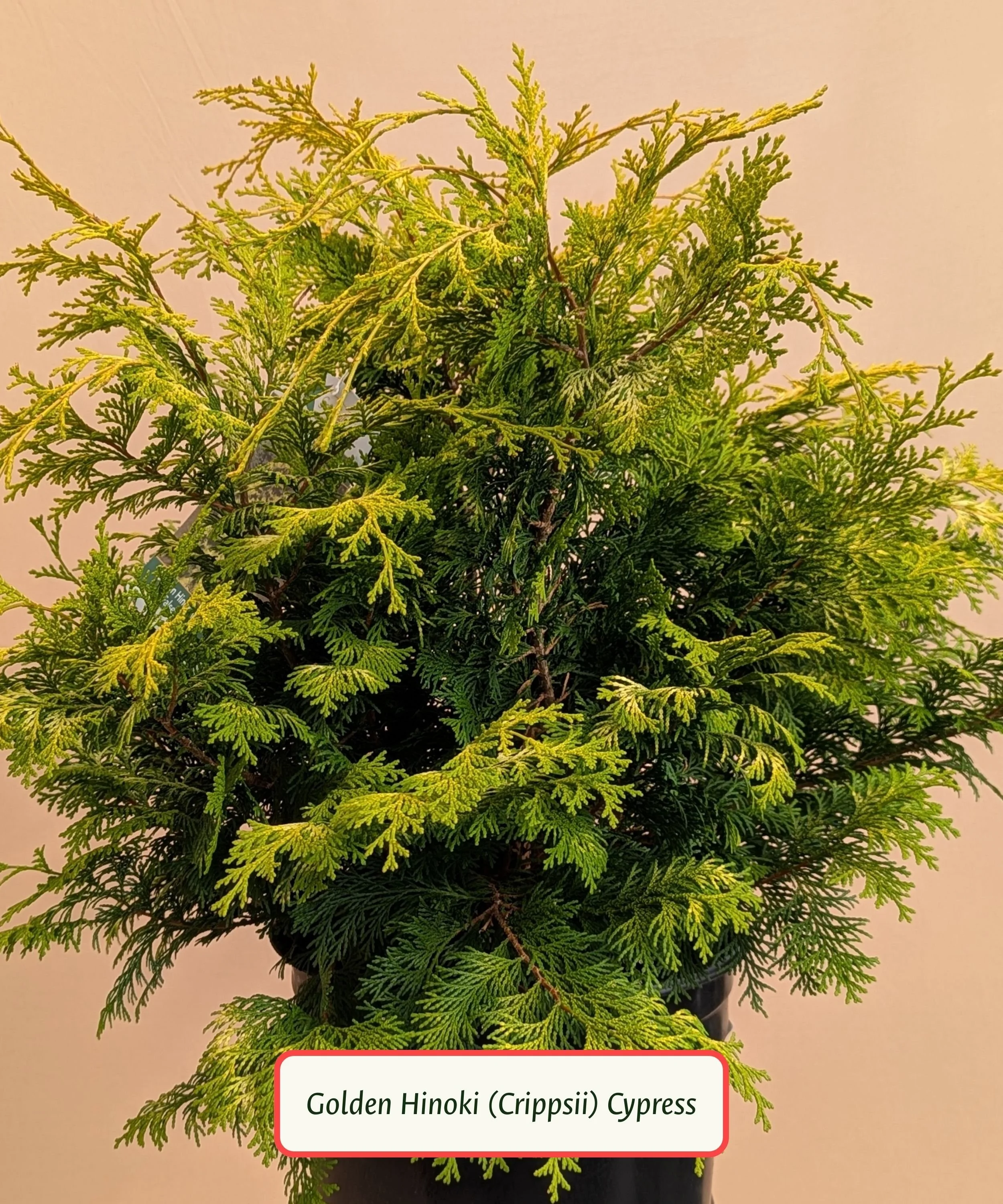
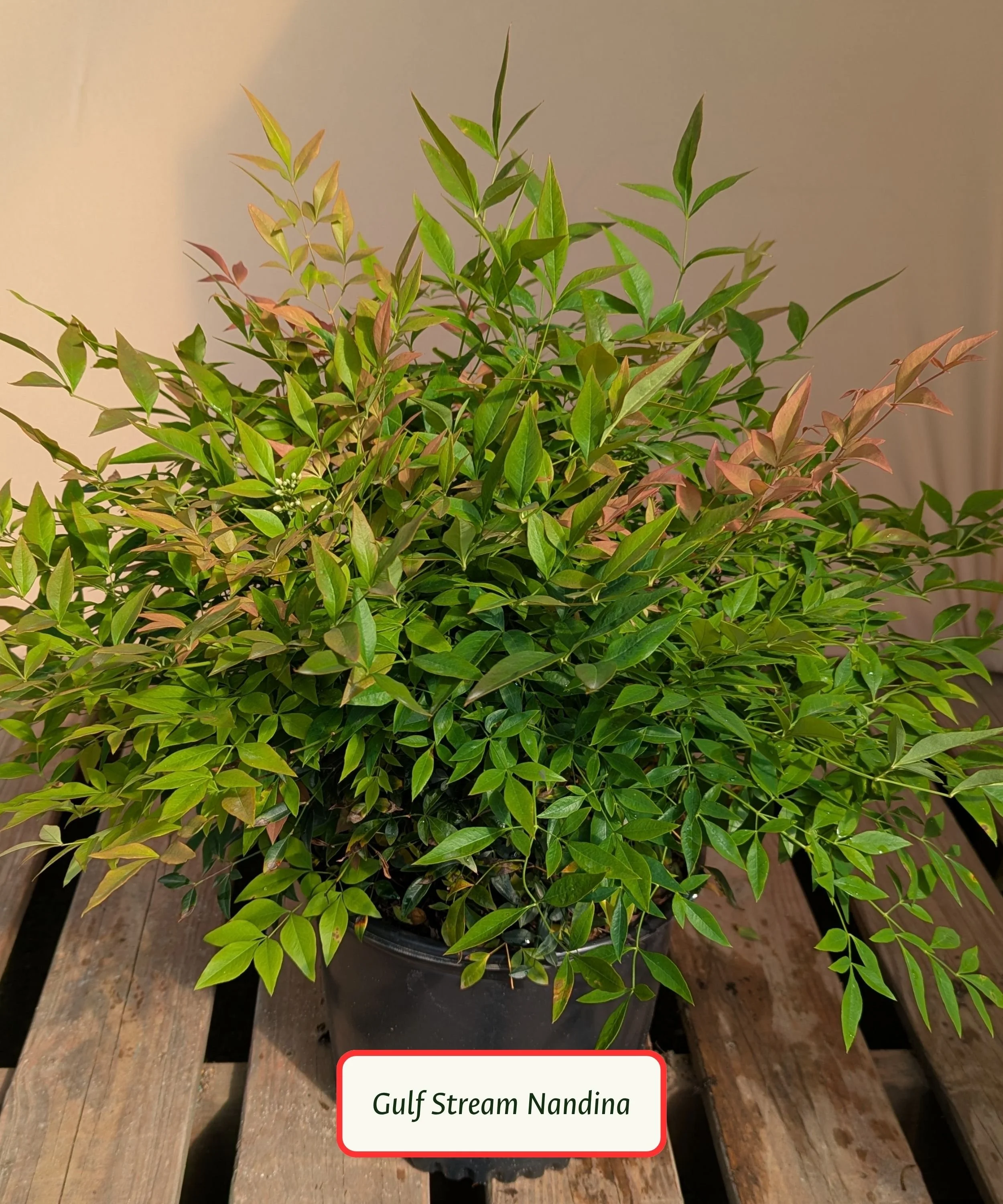
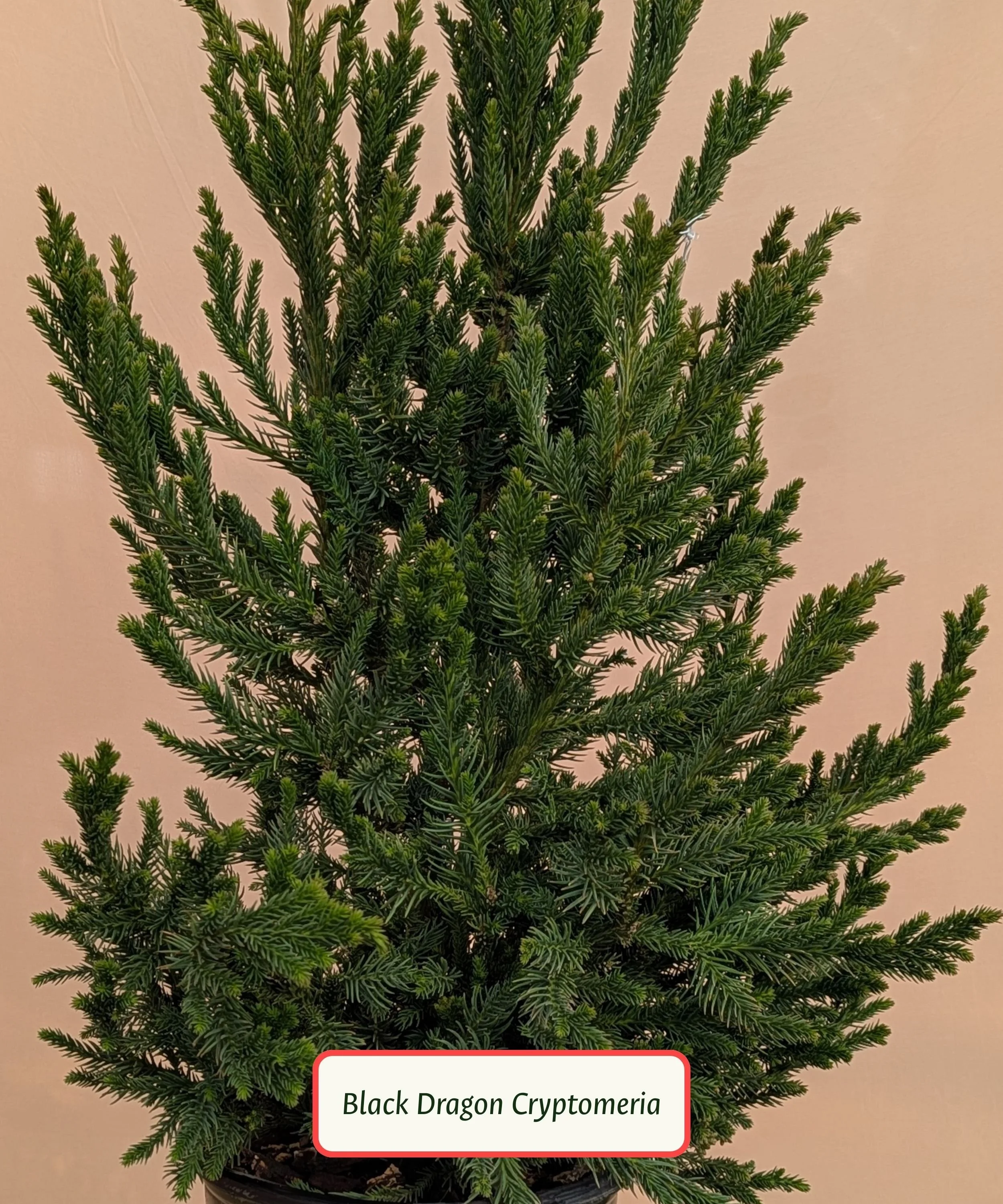 Image 4 of 4
Botanical Name: Cryptomeria
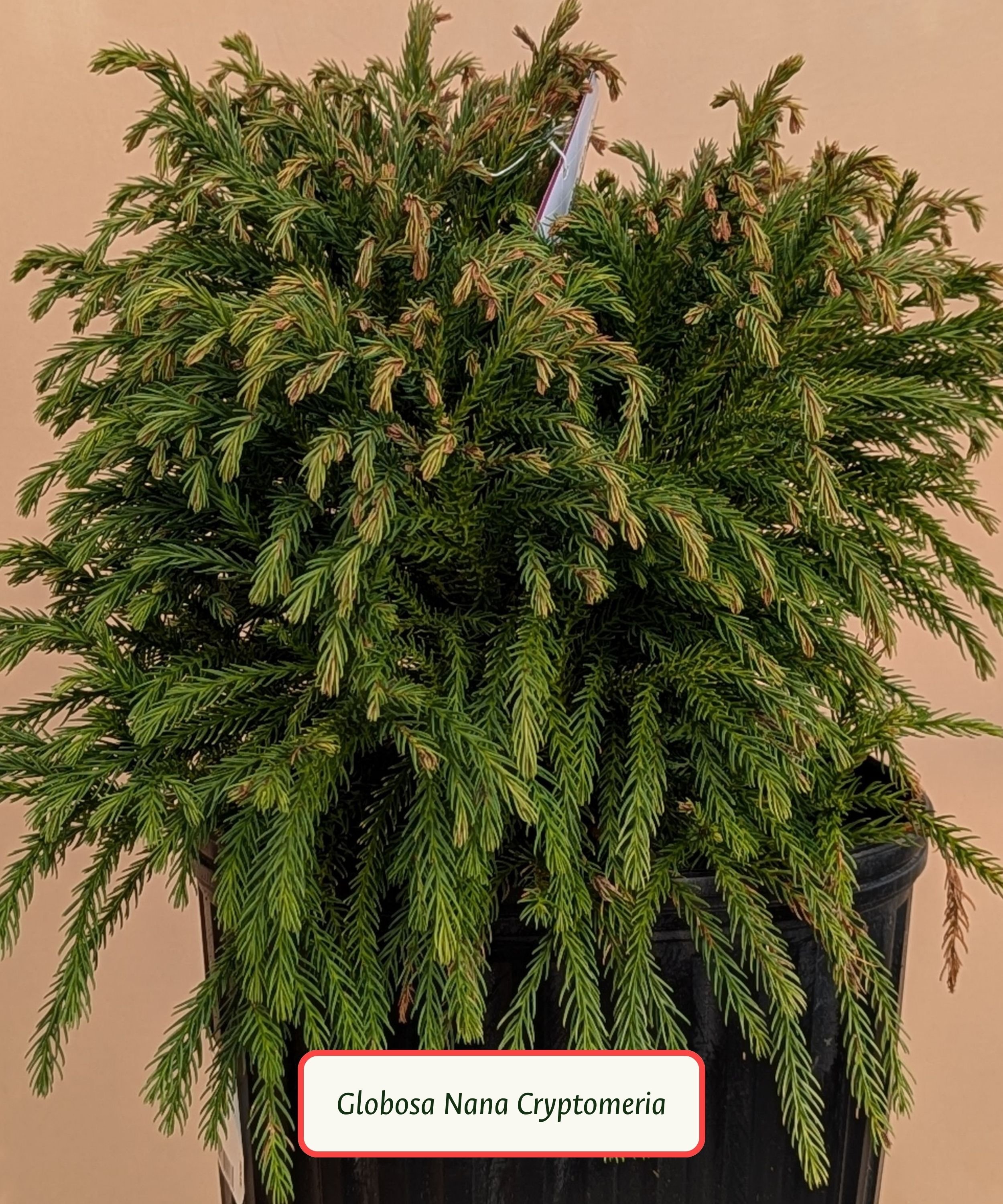
Globosa nana
Dragon Knight
Yoshino or Radicans
Gyokuryu
Black Dragon
The following varieties may be available for special request: Tansu
Seasons of availability: Spring and Fall.
Needled, woody evergreen tree with a soft graceful habit. The species can exceed 100 ft tall, but there are many dwarf varieties that are often used as a shrub. Bark is highly ornamental, showing reddish brown peeling off in long stripes. Deer resistance is fair, with dense foliage that provides shelter and nesting sites for wildlife. This conifer has versatile landscape uses, from specimen trees to privacy screens to compact foundation plants. Japanese cedar provides year-round texture and color. Larger forms like Yoshino or Radicans may be useful as a Leyland Cypress alternative.
Japanese Cedar does best in full sun to partial shade and is hardy to Zones 5-9. Be sure to water Japanese Cedar frequently until it is established. This cedar is adaptable to many soil types, but does best in moist, well-drained soil. They may have issues with leaf blights and vascular fungal disease, particularly in conditions of drought and poor air circulation. Mulch the prepared soil base to retain moisture and fertilize with a slow-release fertilizer to encourage new growth.
Ideal planting seasons: Fall and Winter.
Botanical Name: Cryptomeria
Globosa nana
Dragon Knight
Yoshino or Radicans
Gyokuryu
Black Dragon
The following varieties may be available for special request: Tansu
Seasons of availability: Spring and Fall.
Needled, woody evergreen tree with a soft graceful habit. The species can exceed 100 ft tall, but there are many dwarf varieties that are often used as a shrub. Bark is highly ornamental, showing reddish brown peeling off in long stripes. Deer resistance is fair, with dense foliage that provides shelter and nesting sites for wildlife. This conifer has versatile landscape uses, from specimen trees to privacy screens to compact foundation plants. Japanese cedar provides year-round texture and color. Larger forms like Yoshino or Radicans may be useful as a Leyland Cypress alternative.
Japanese Cedar does best in full sun to partial shade and is hardy to Zones 5-9. Be sure to water Japanese Cedar frequently until it is established. This cedar is adaptable to many soil types, but does best in moist, well-drained soil. They may have issues with leaf blights and vascular fungal disease, particularly in conditions of drought and poor air circulation. Mulch the prepared soil base to retain moisture and fertilize with a slow-release fertilizer to encourage new growth.
Ideal planting seasons: Fall and Winter.