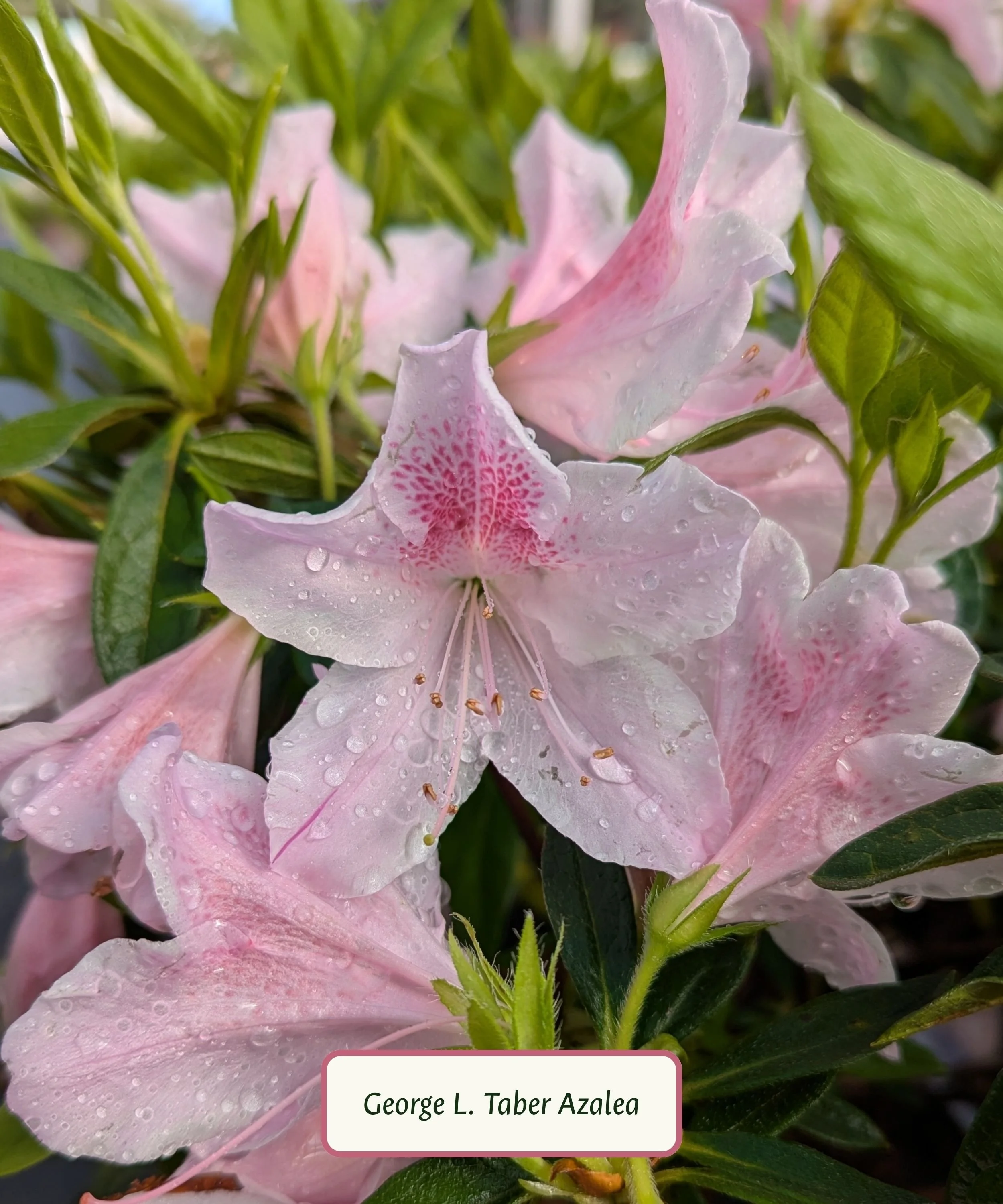
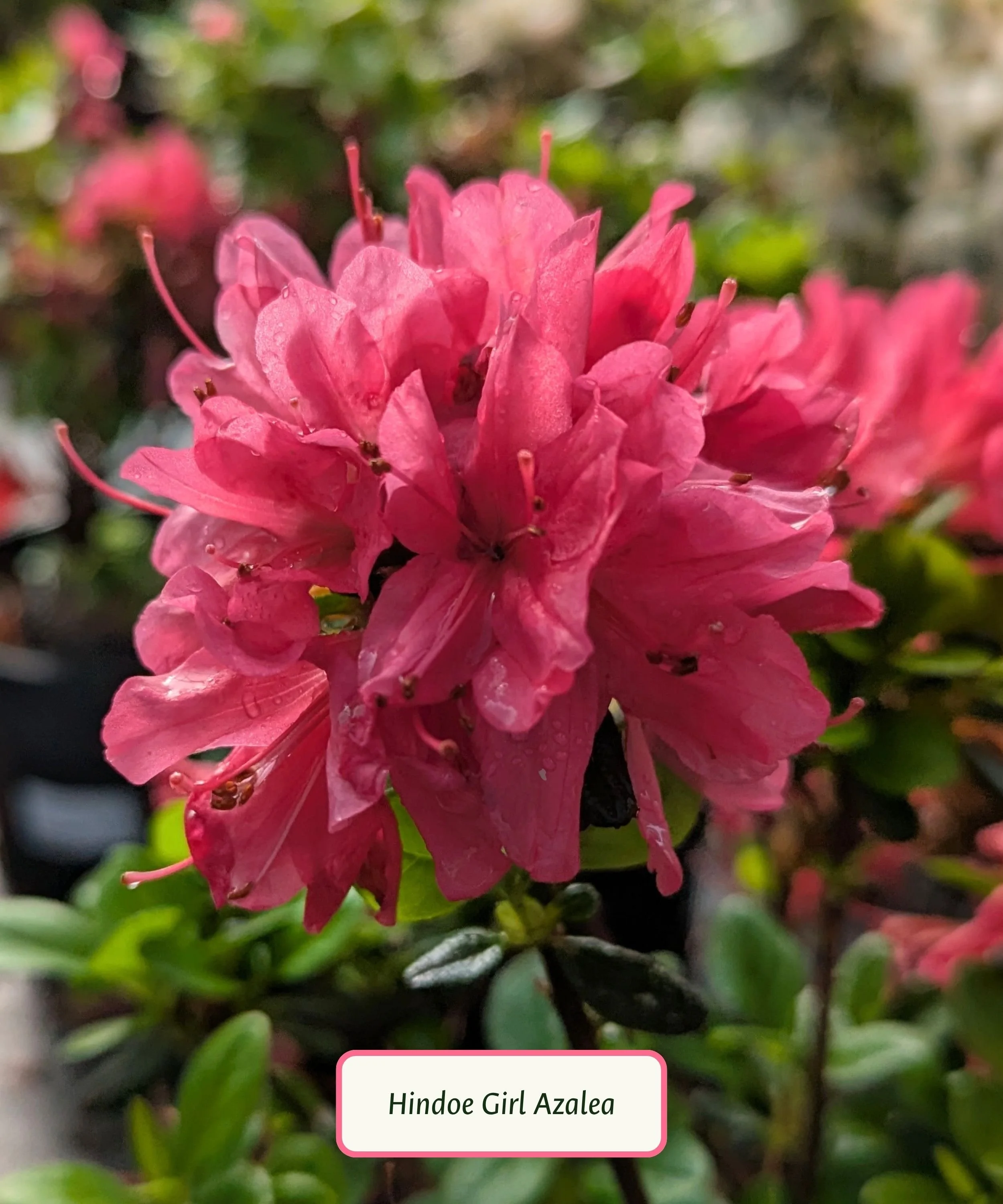
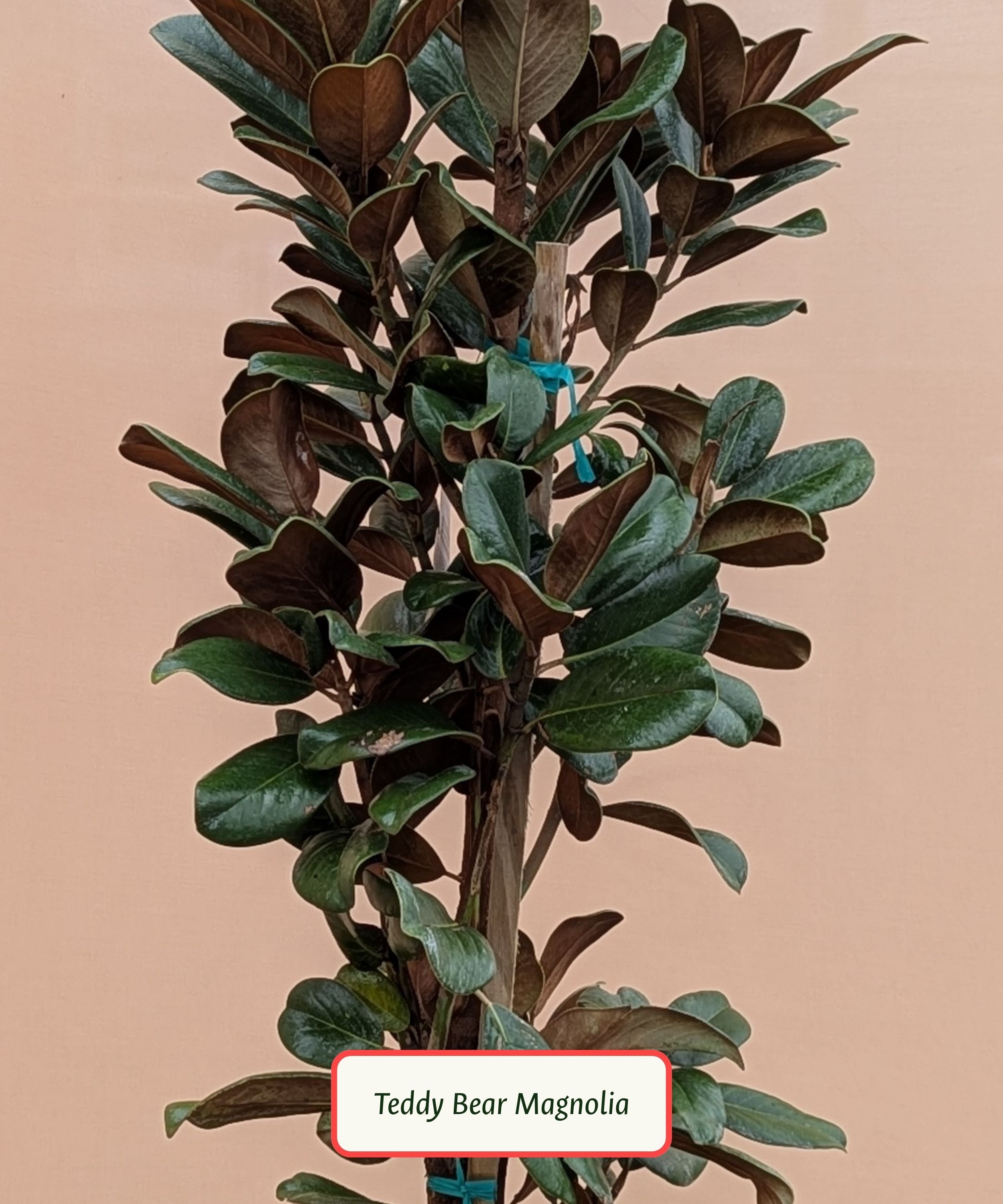
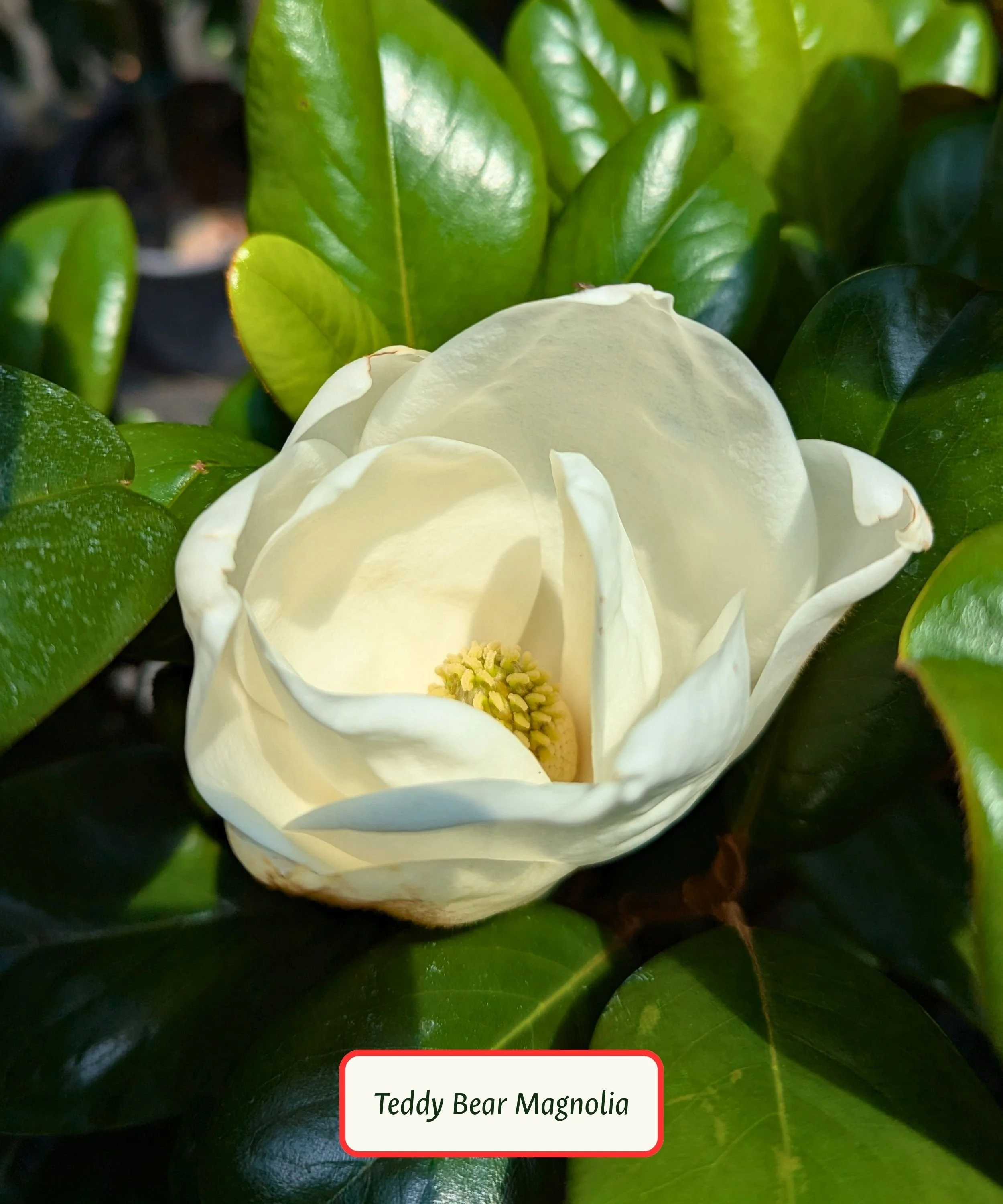
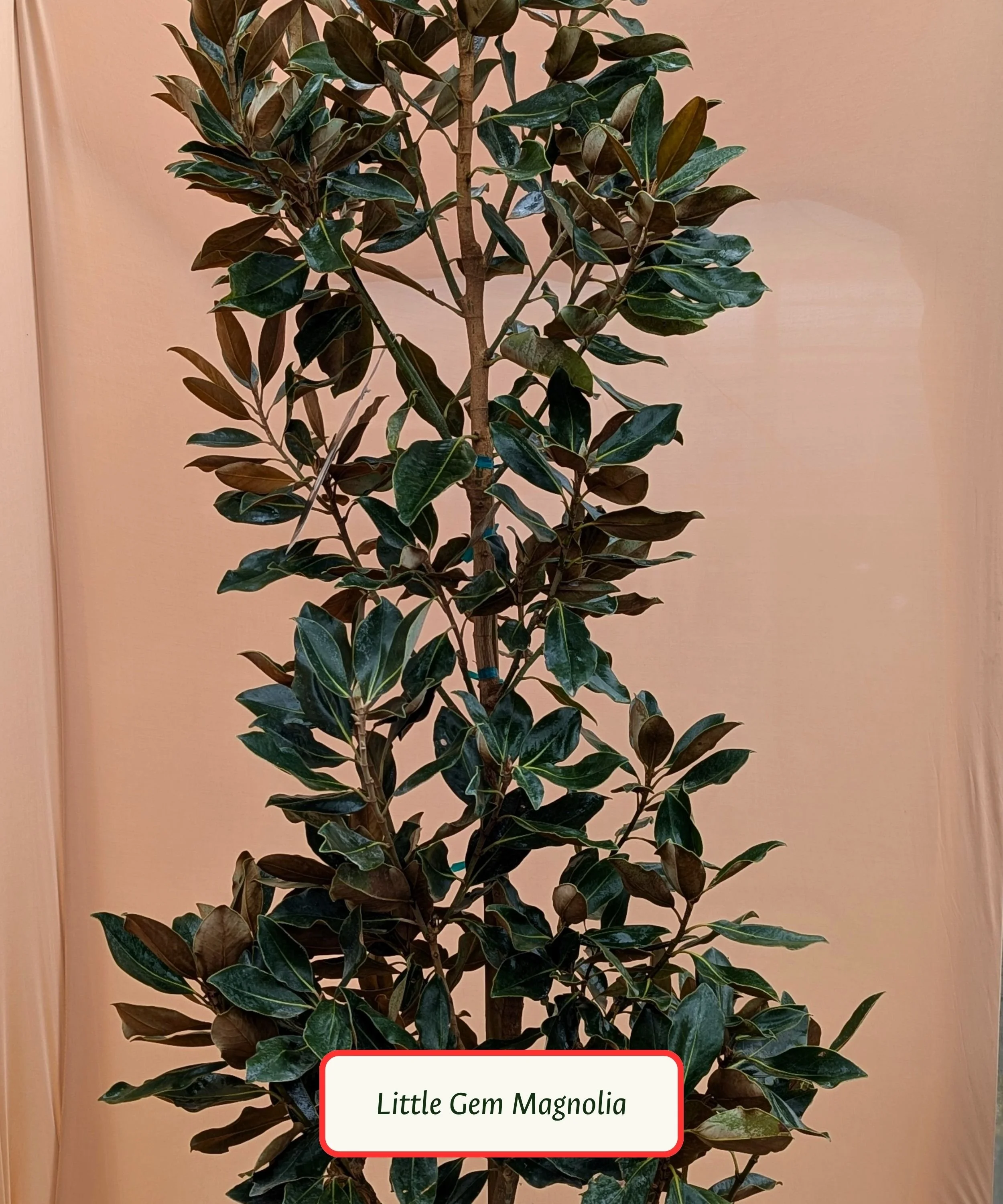
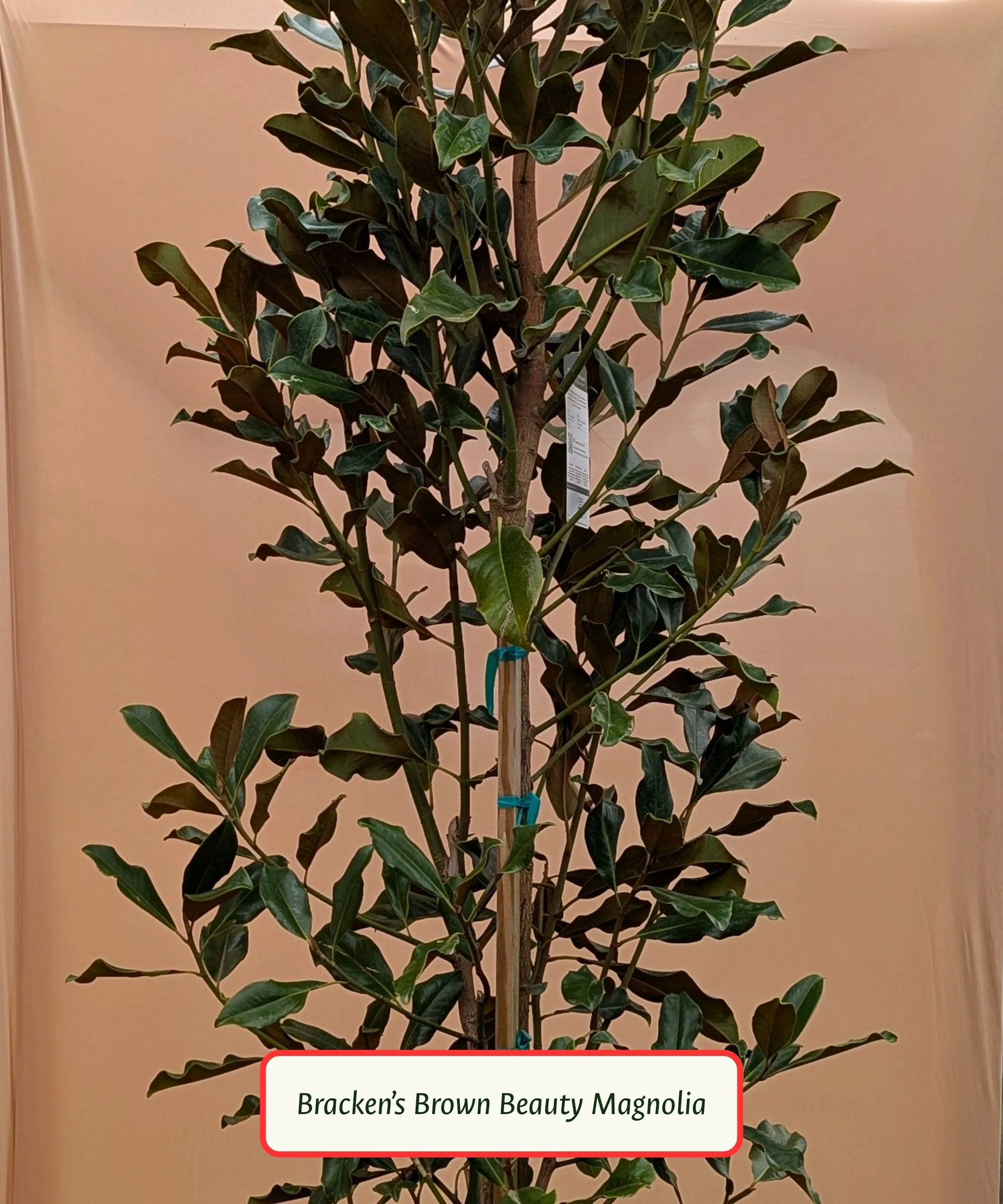
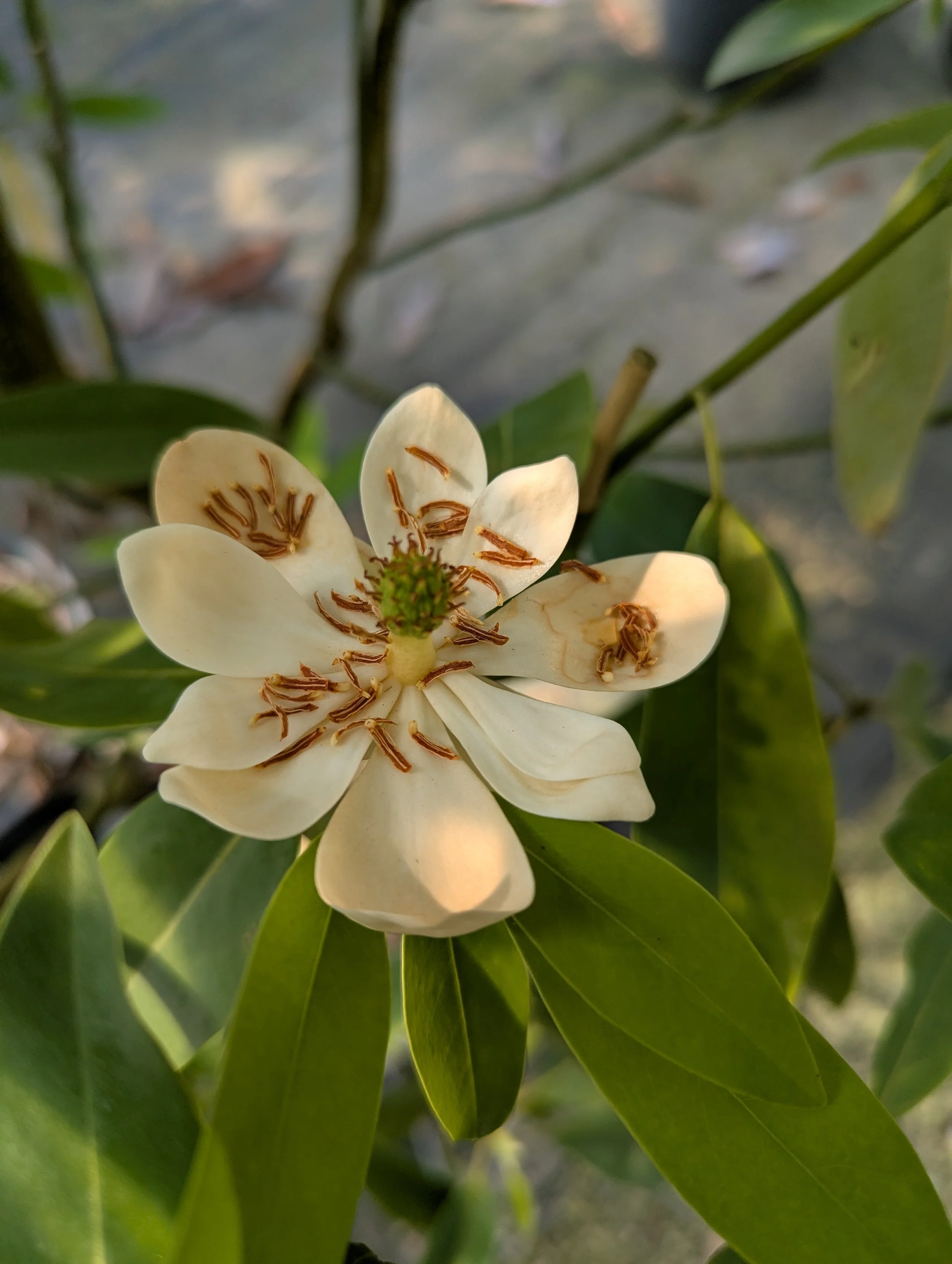
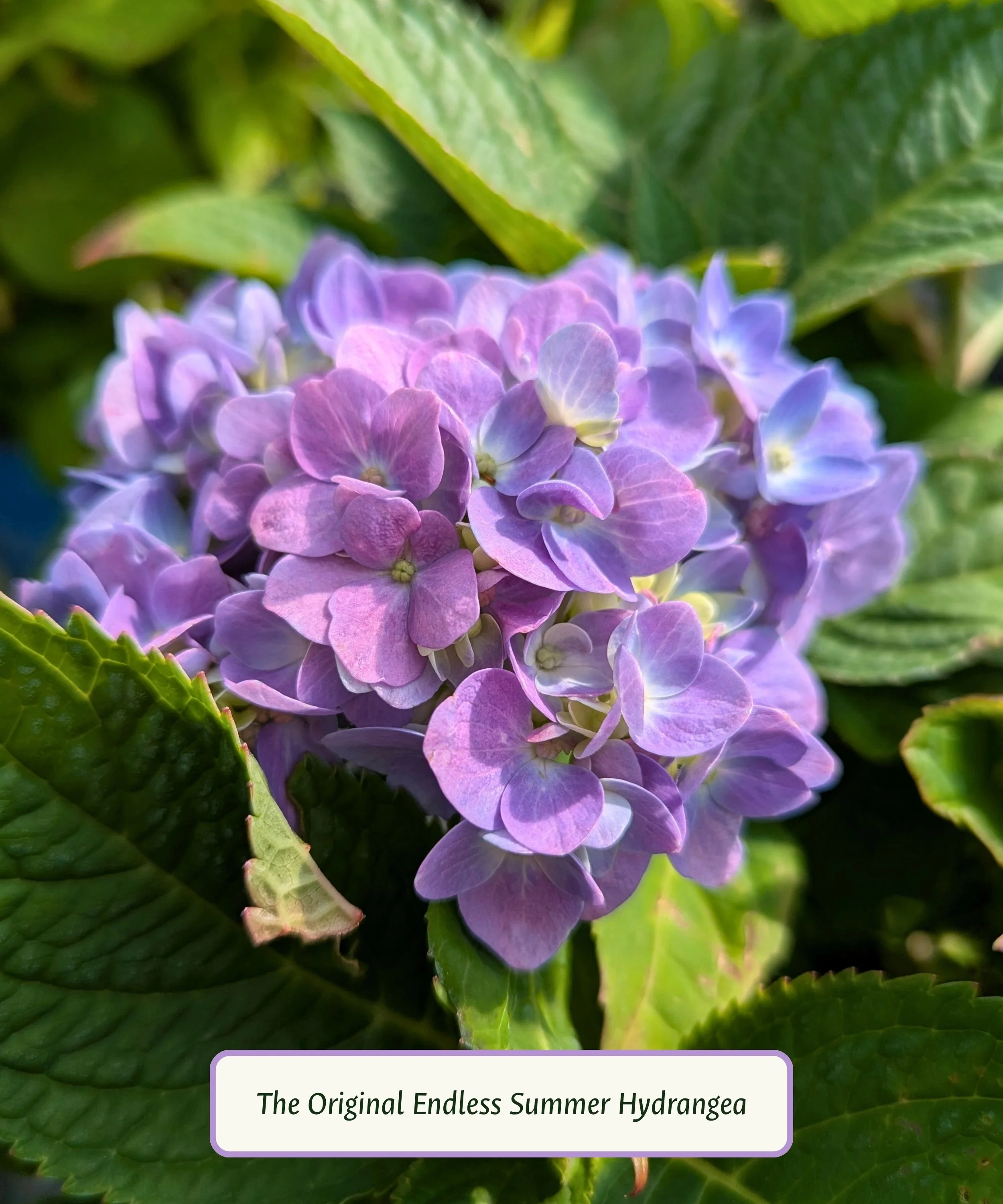
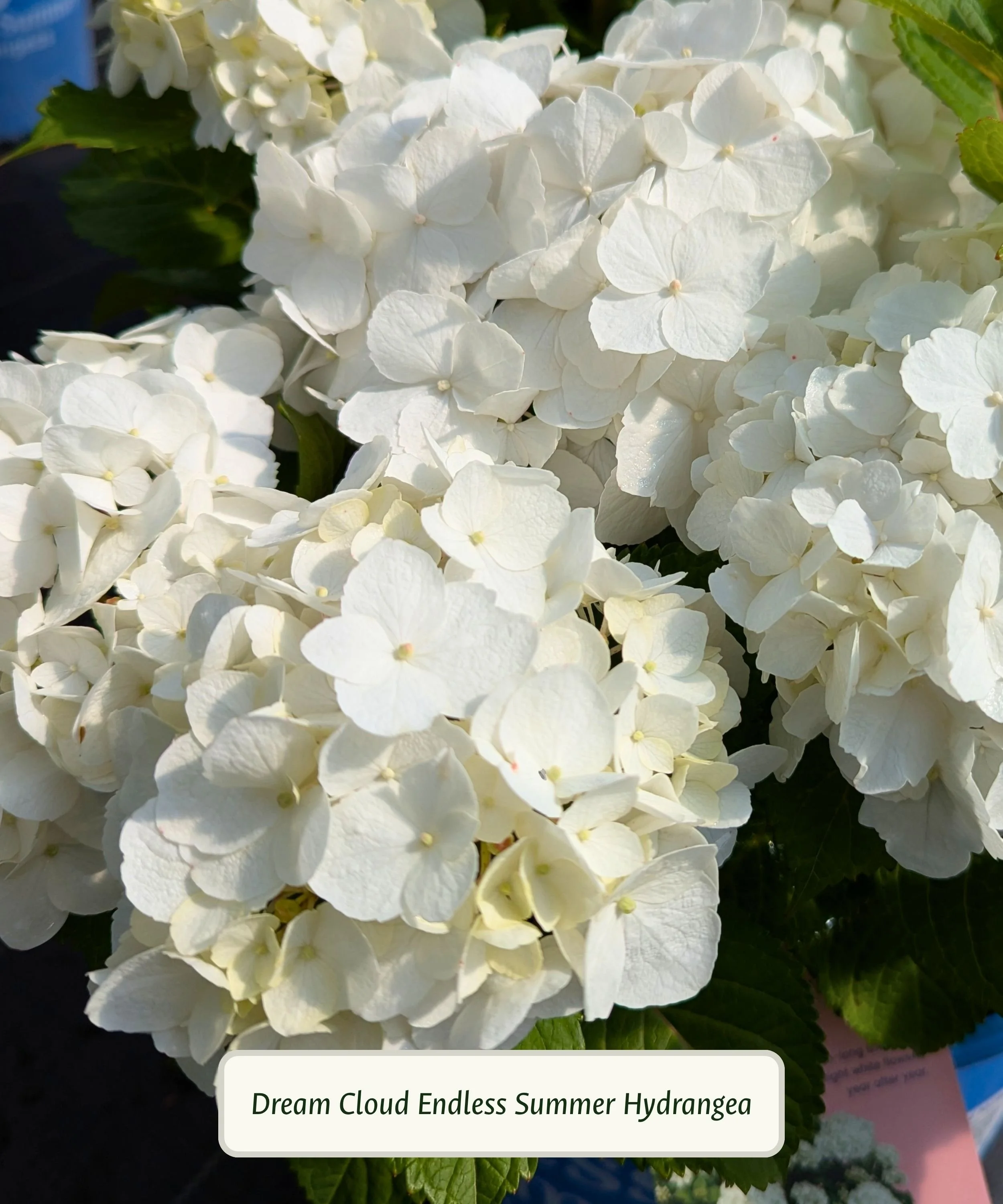
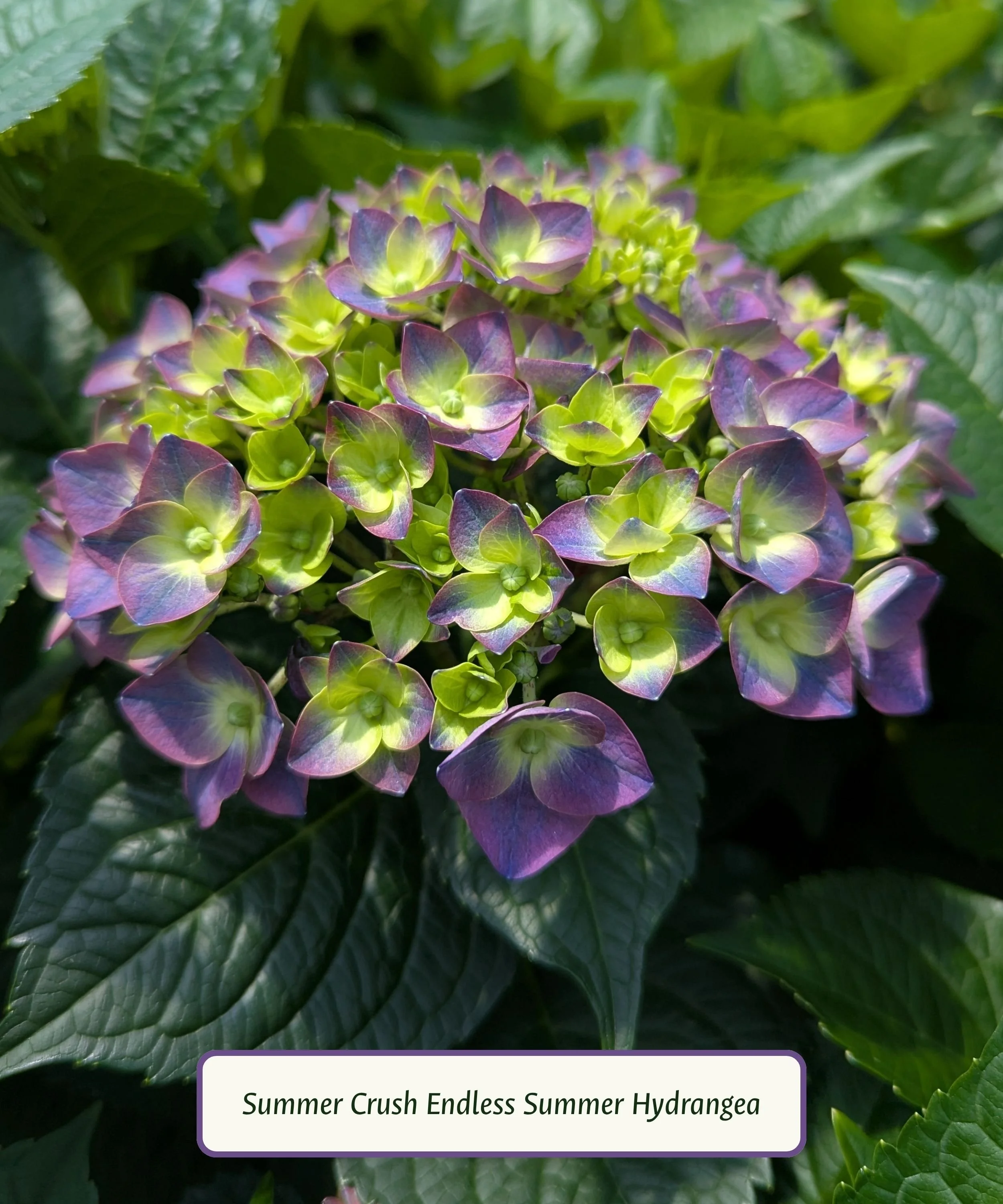
 Image 1 of 4
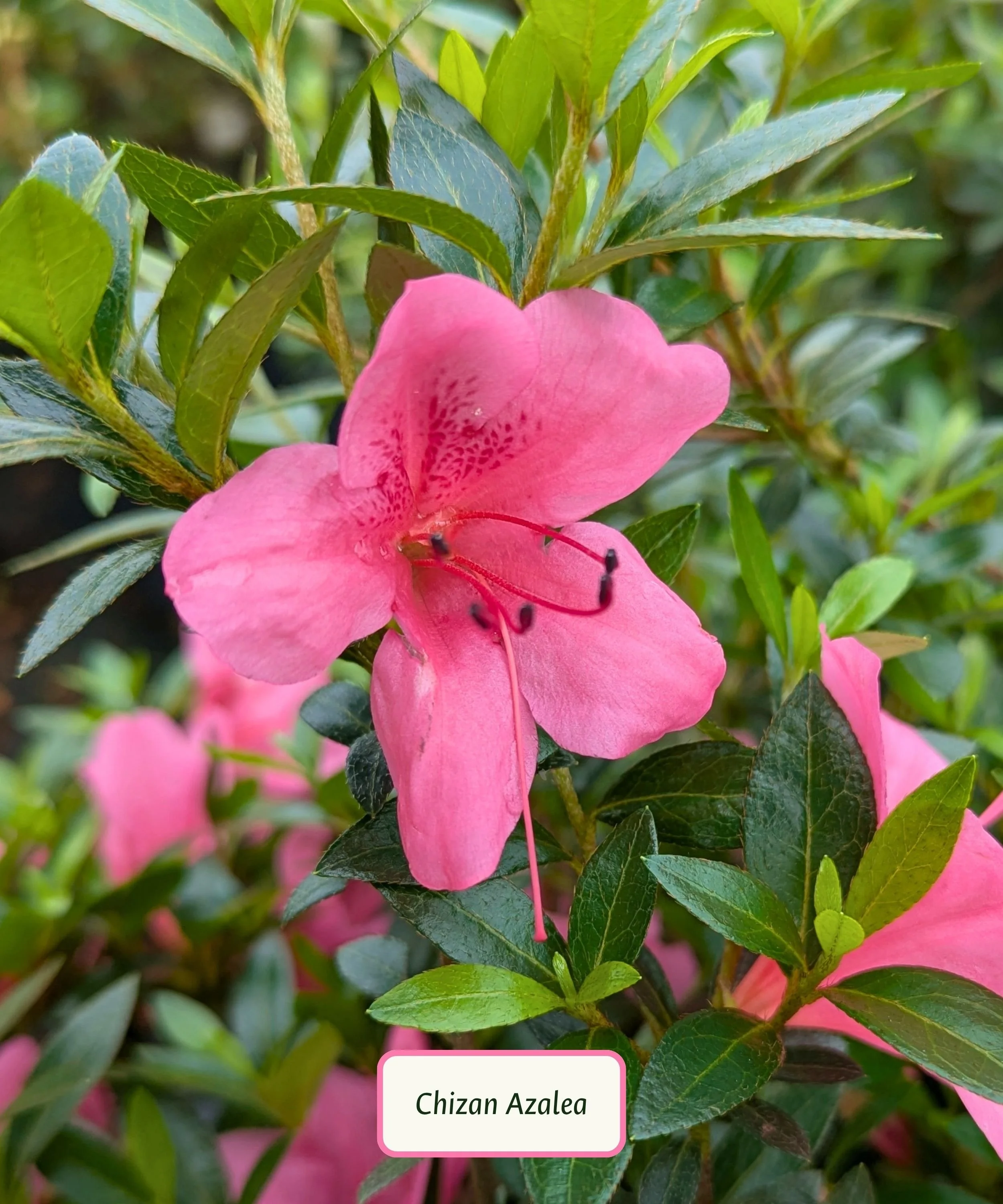
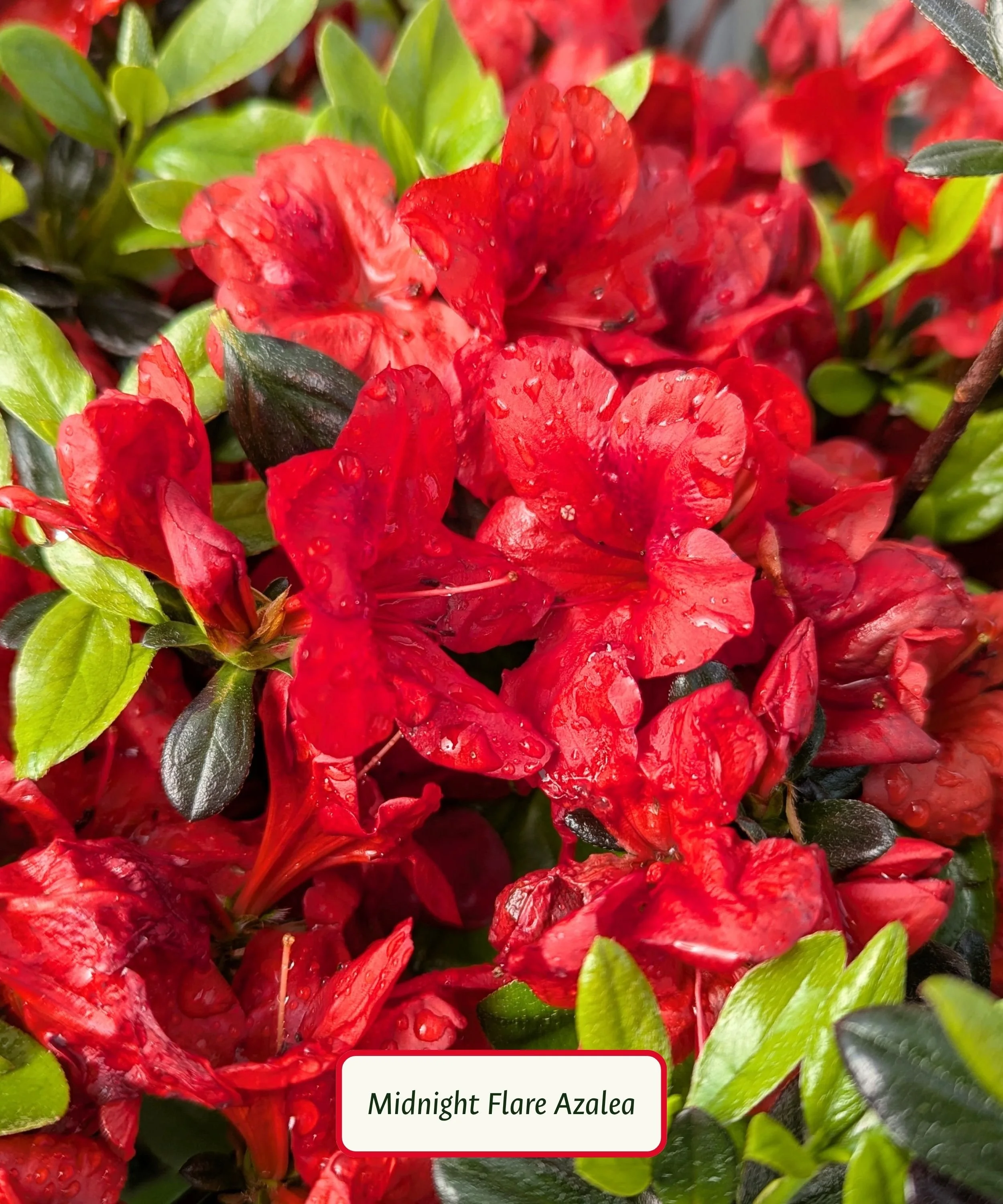
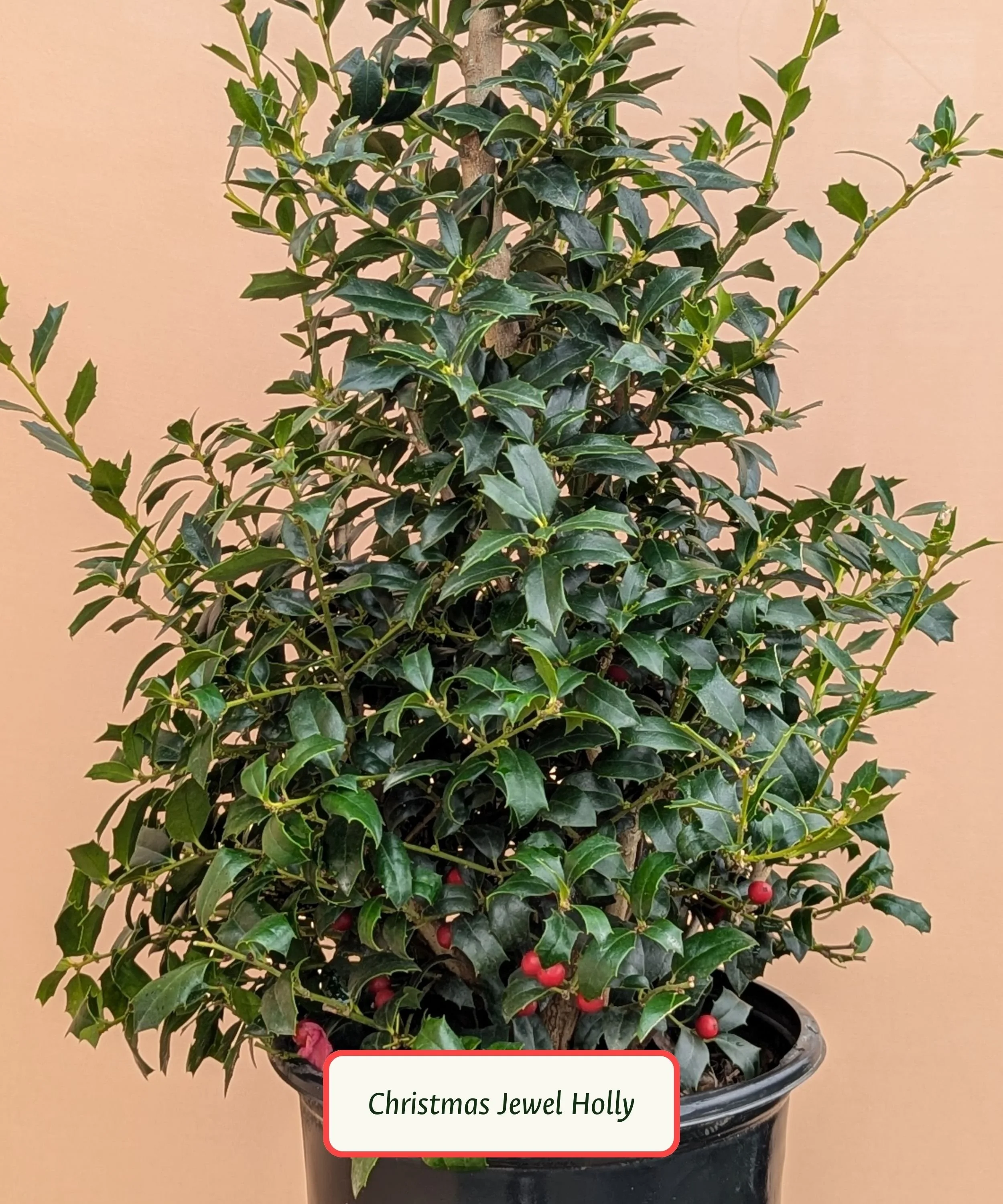
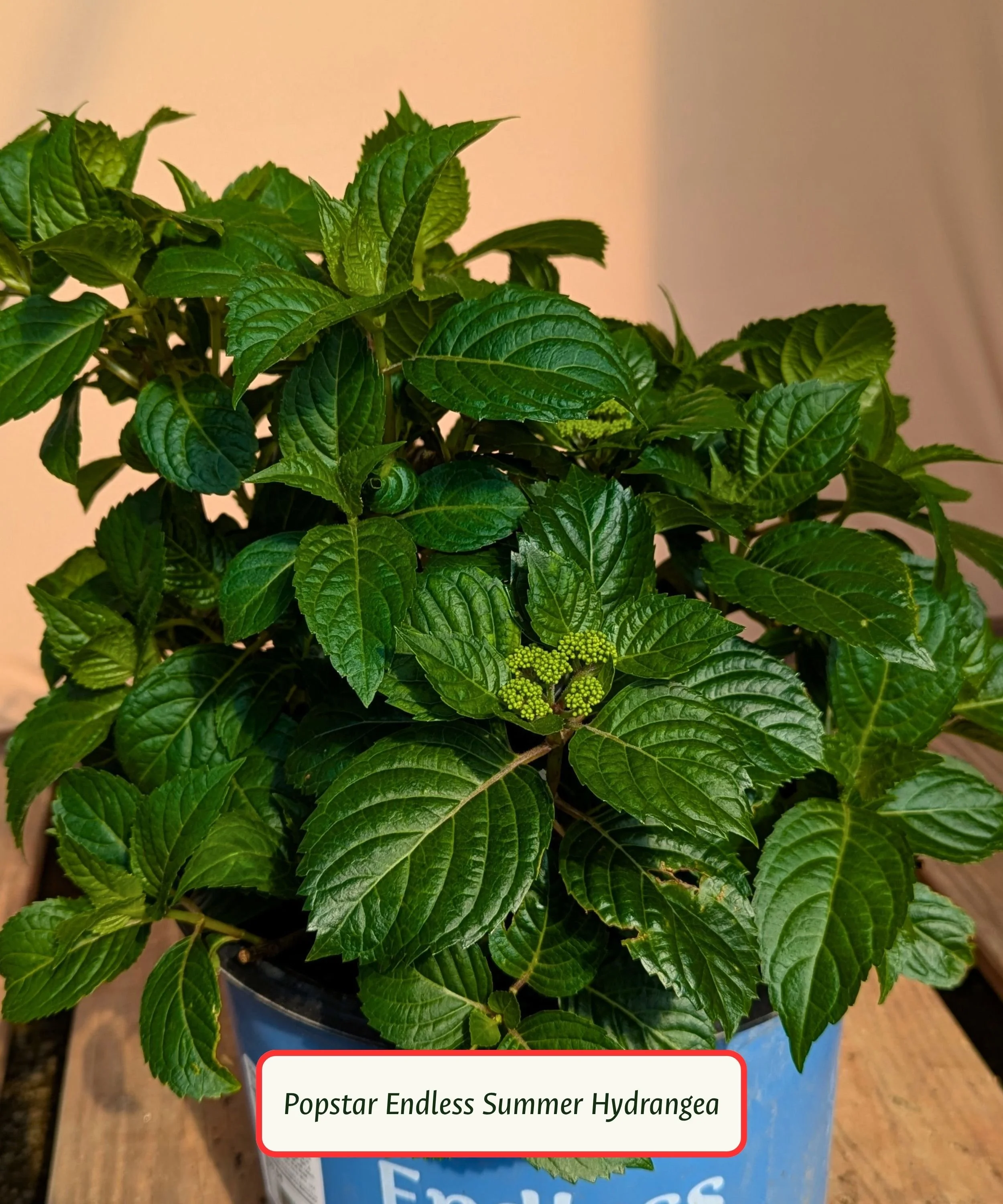
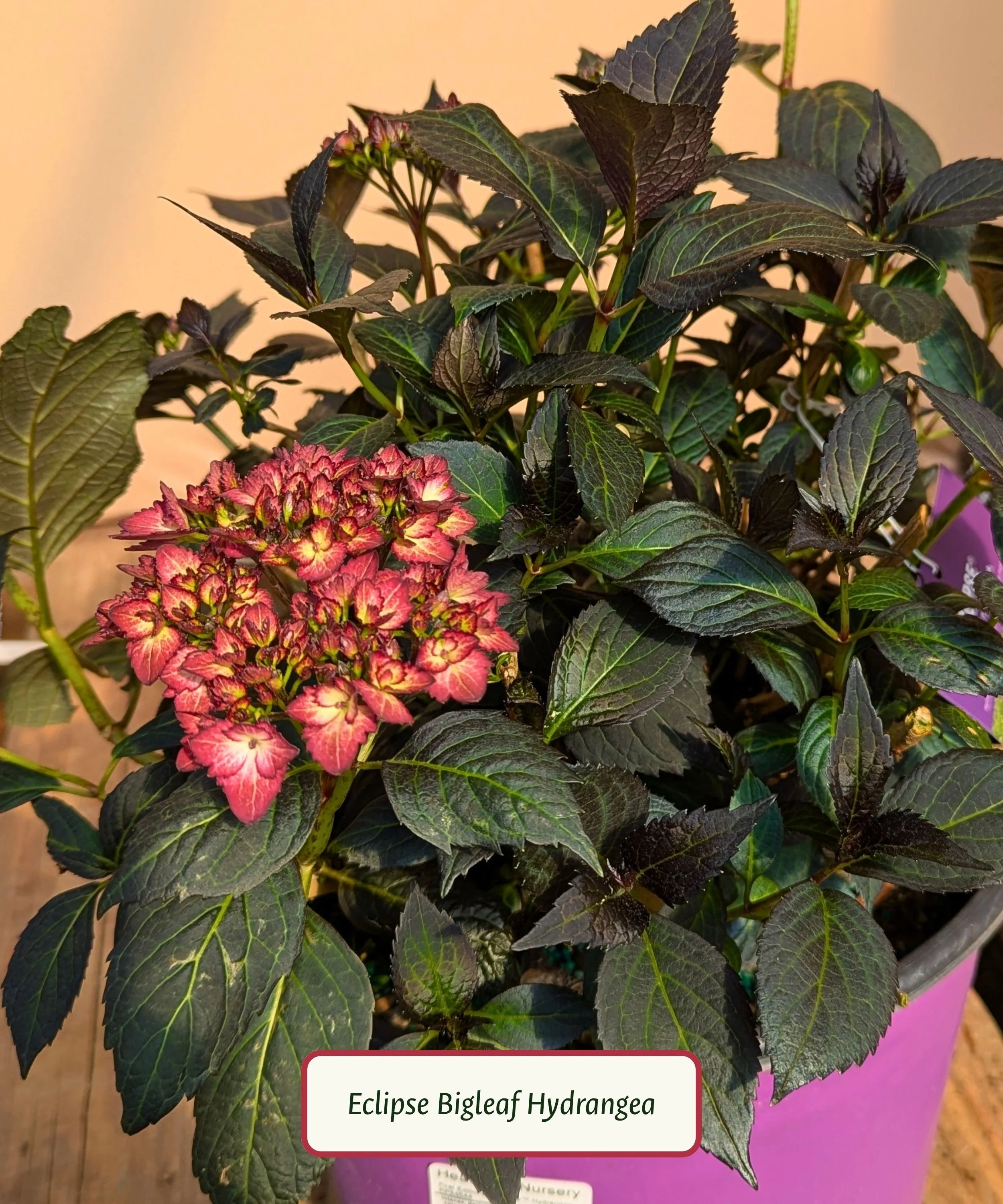
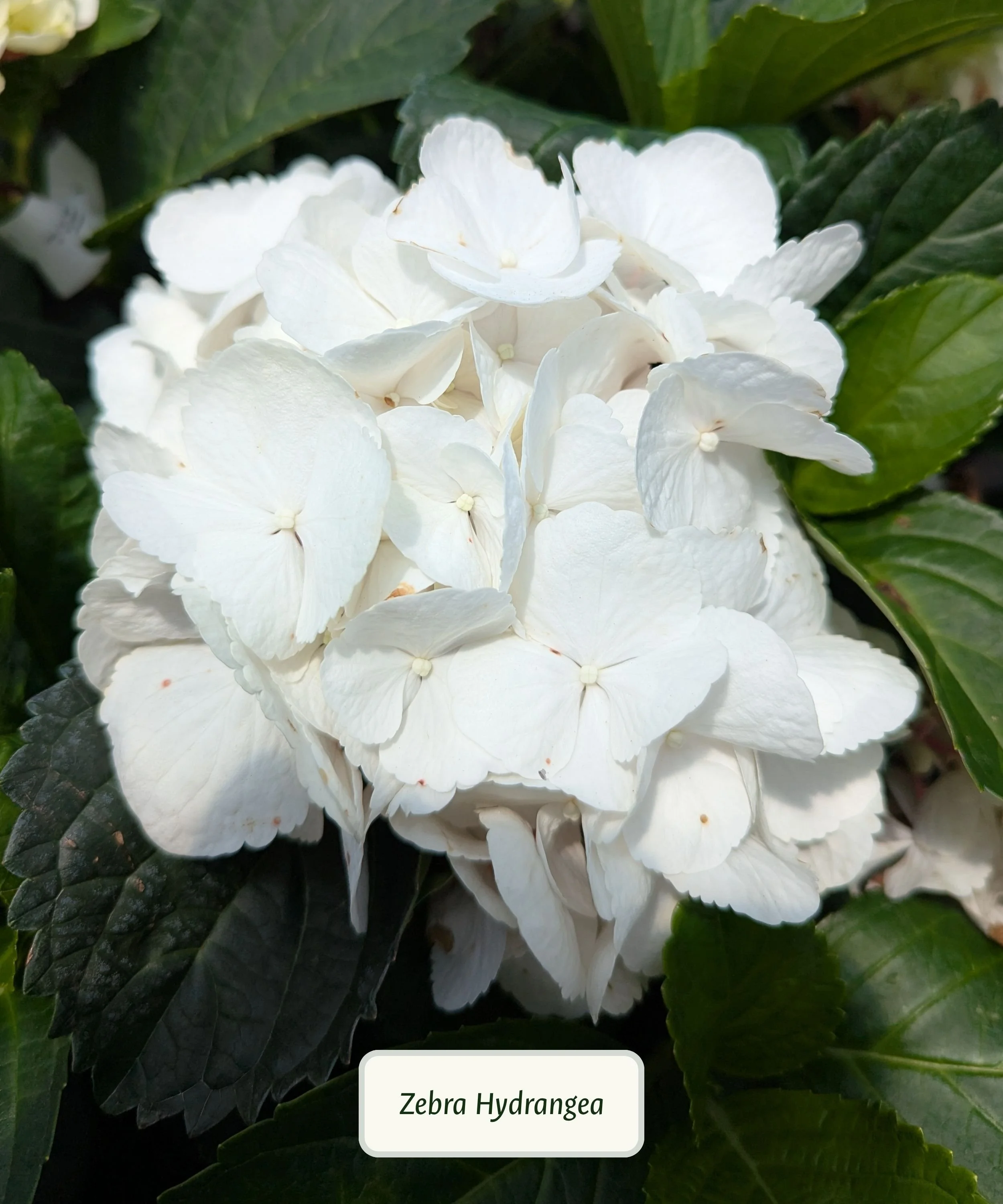
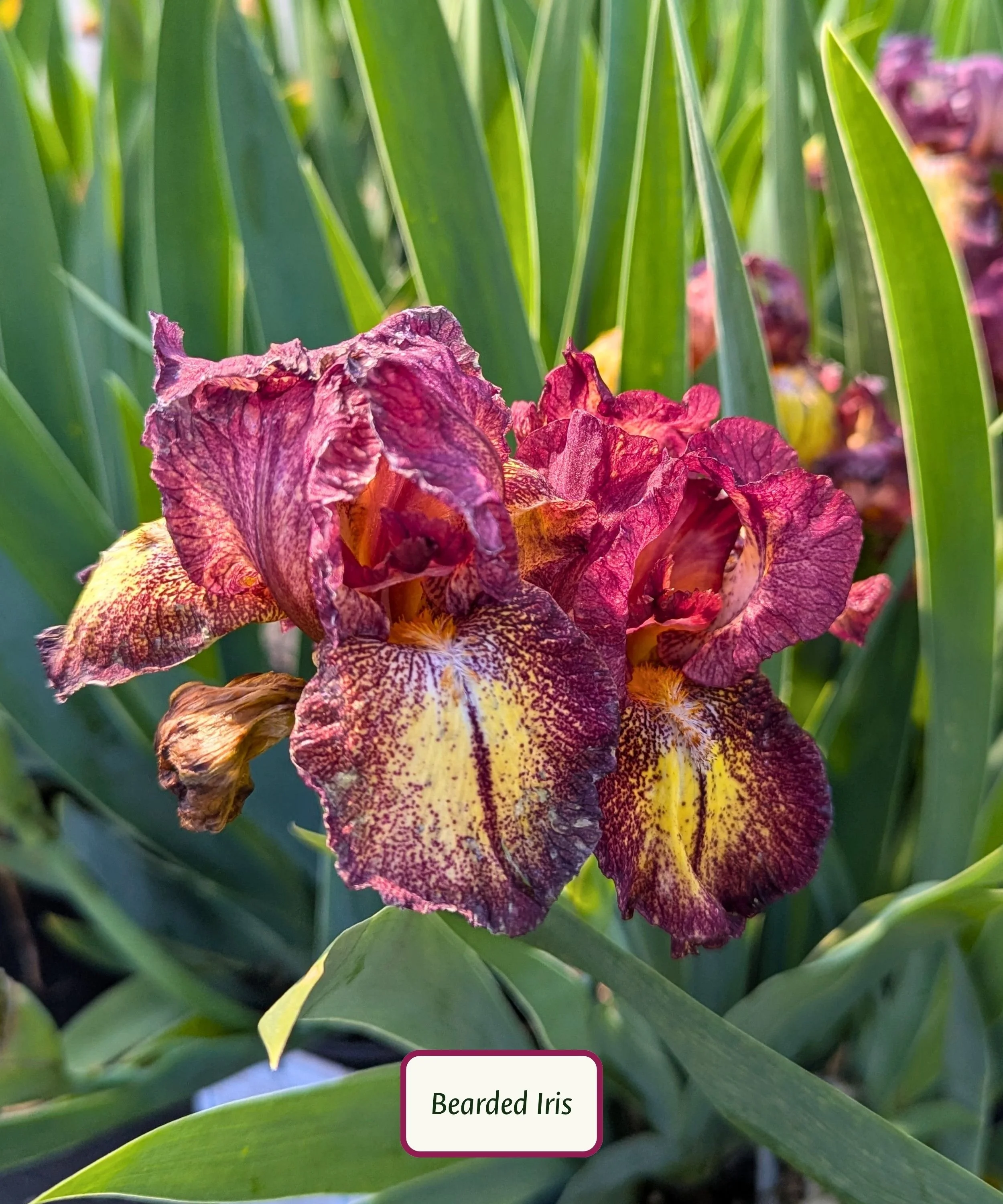 Image 2 of 4
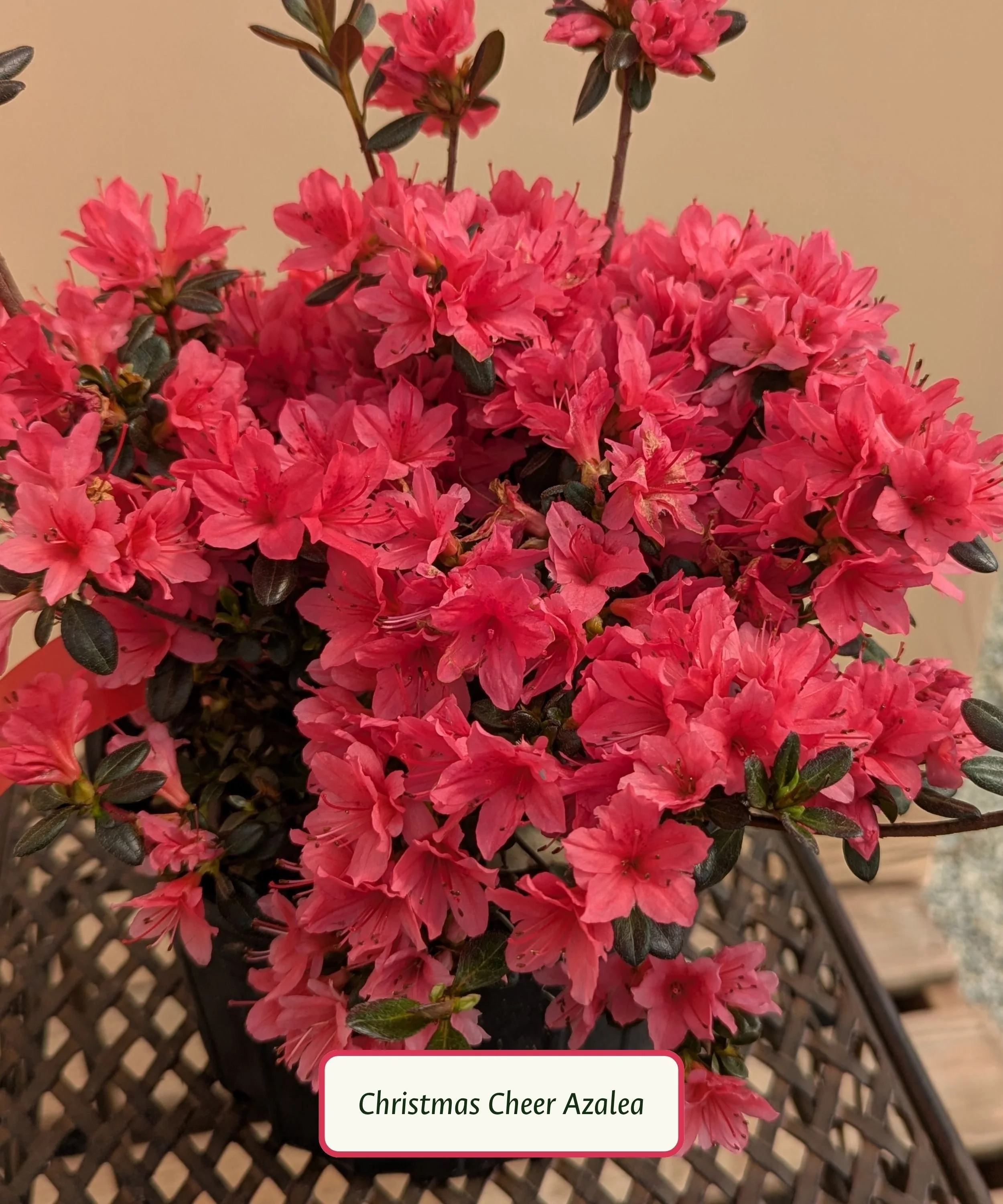
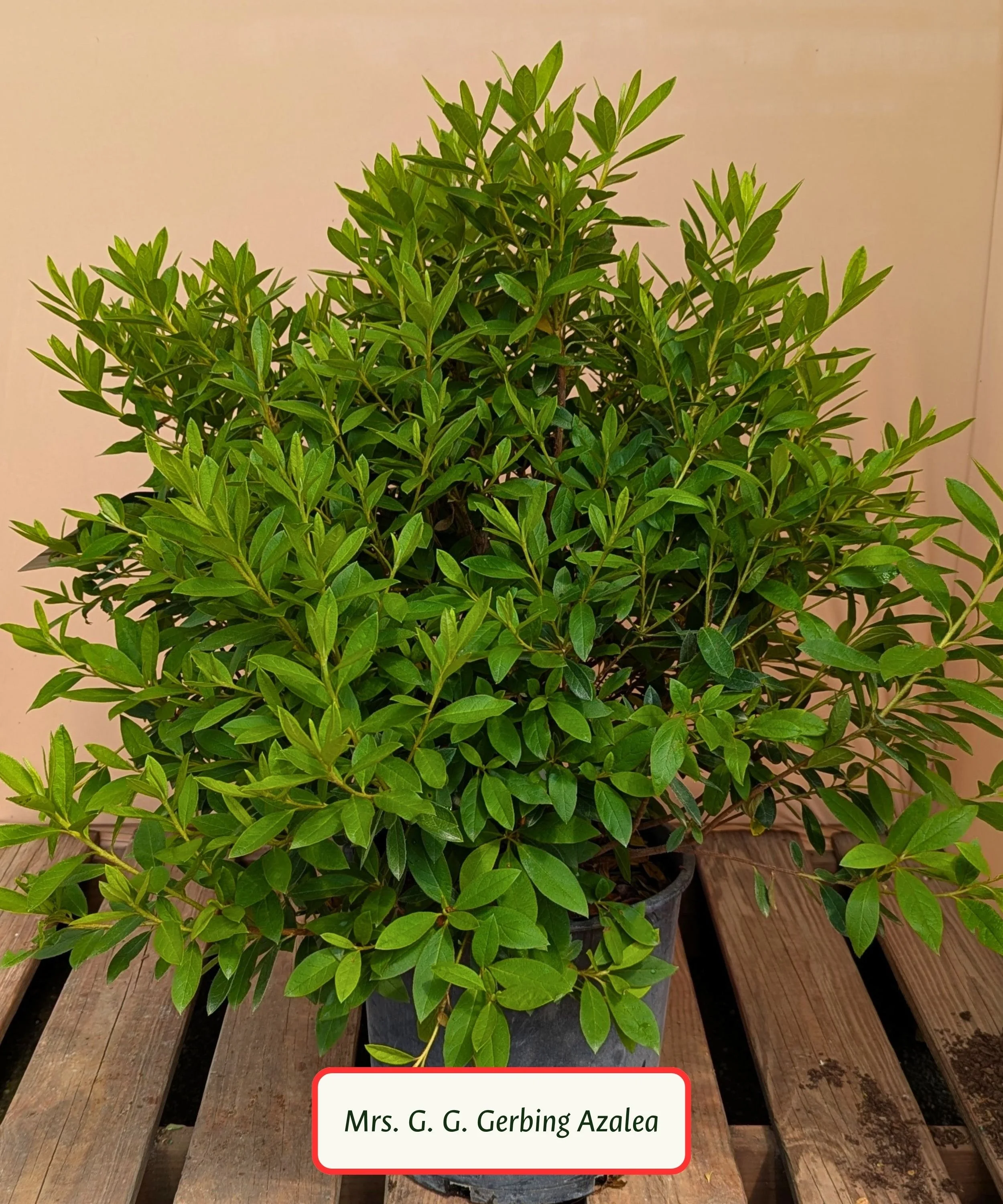
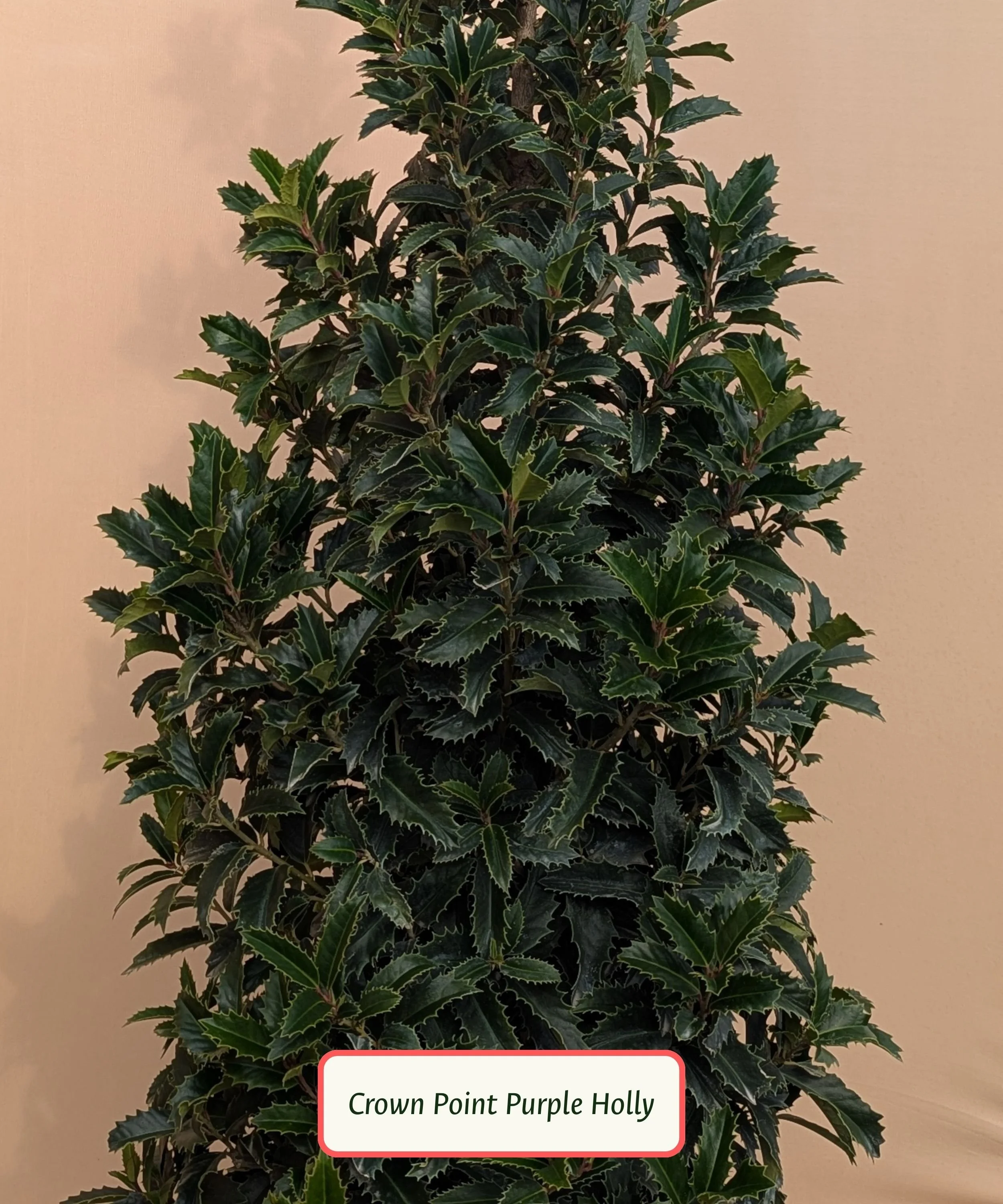
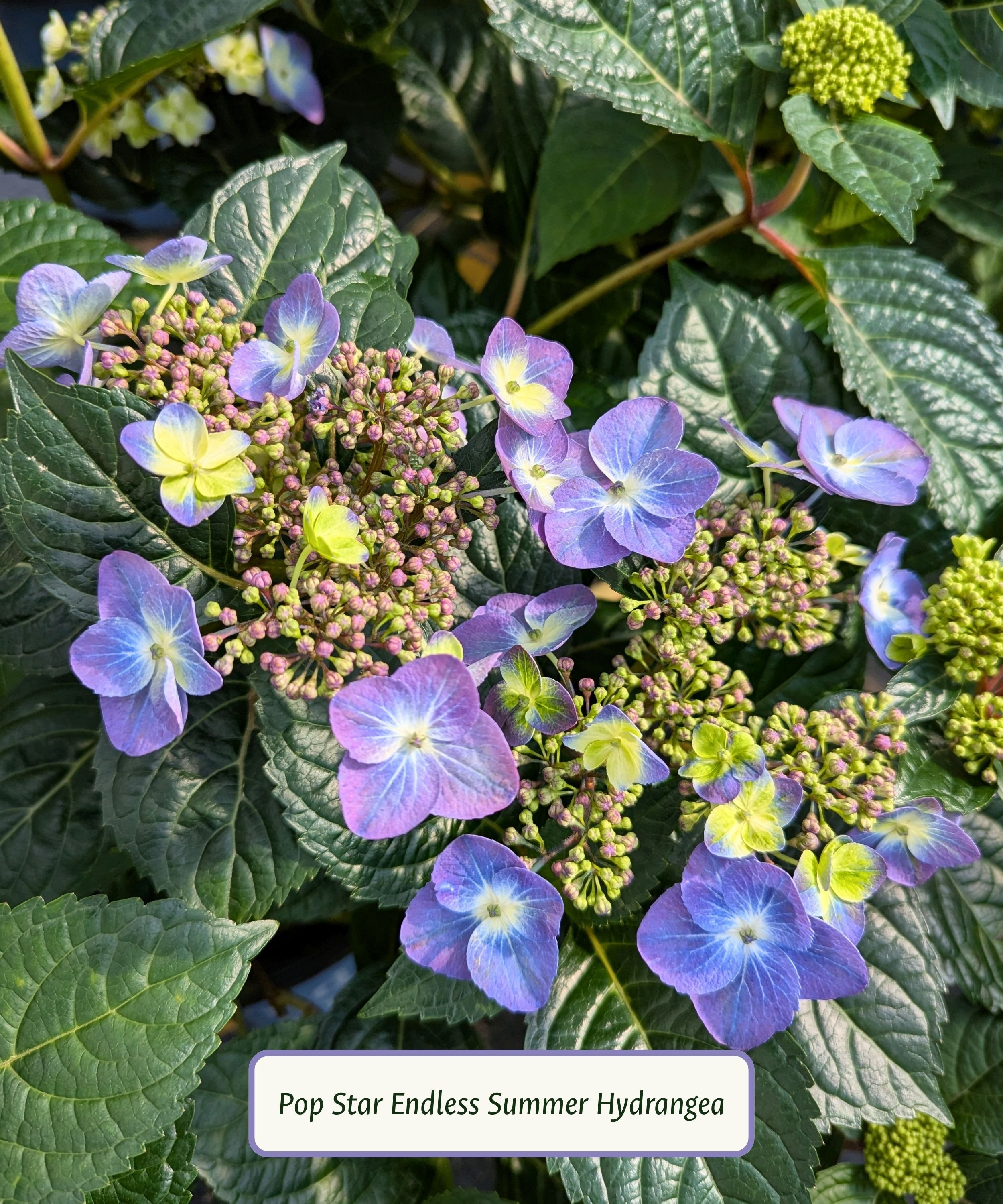
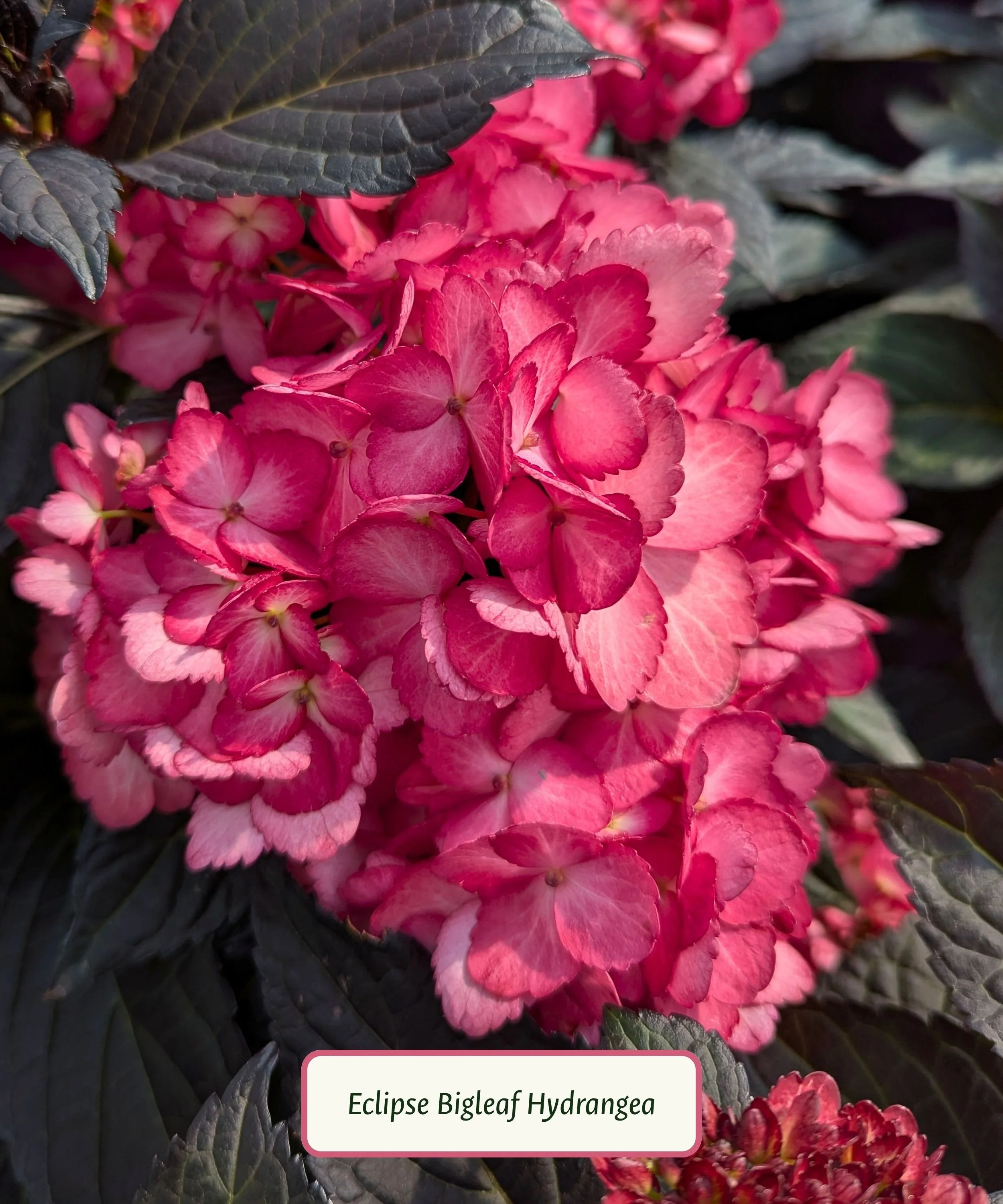
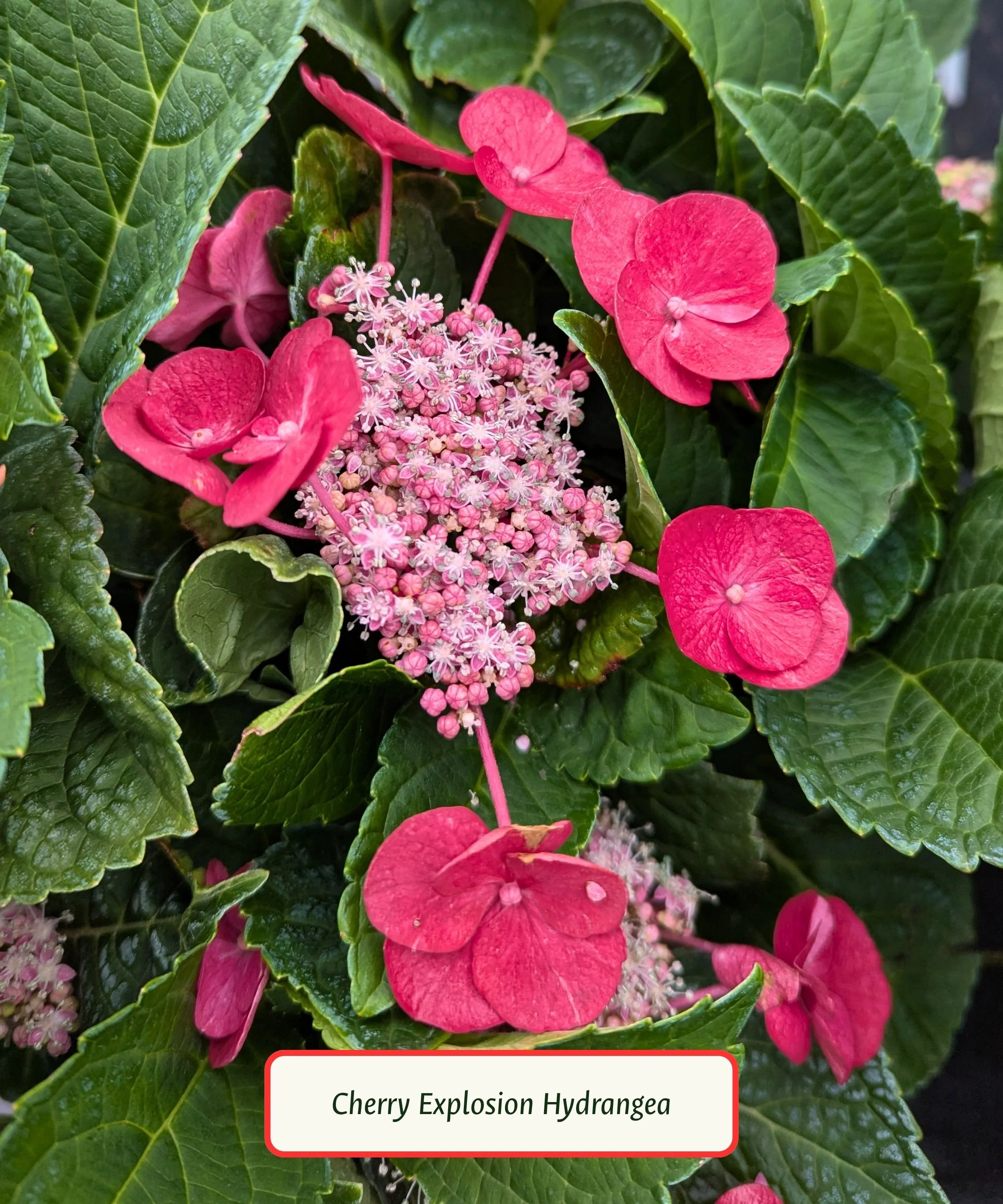
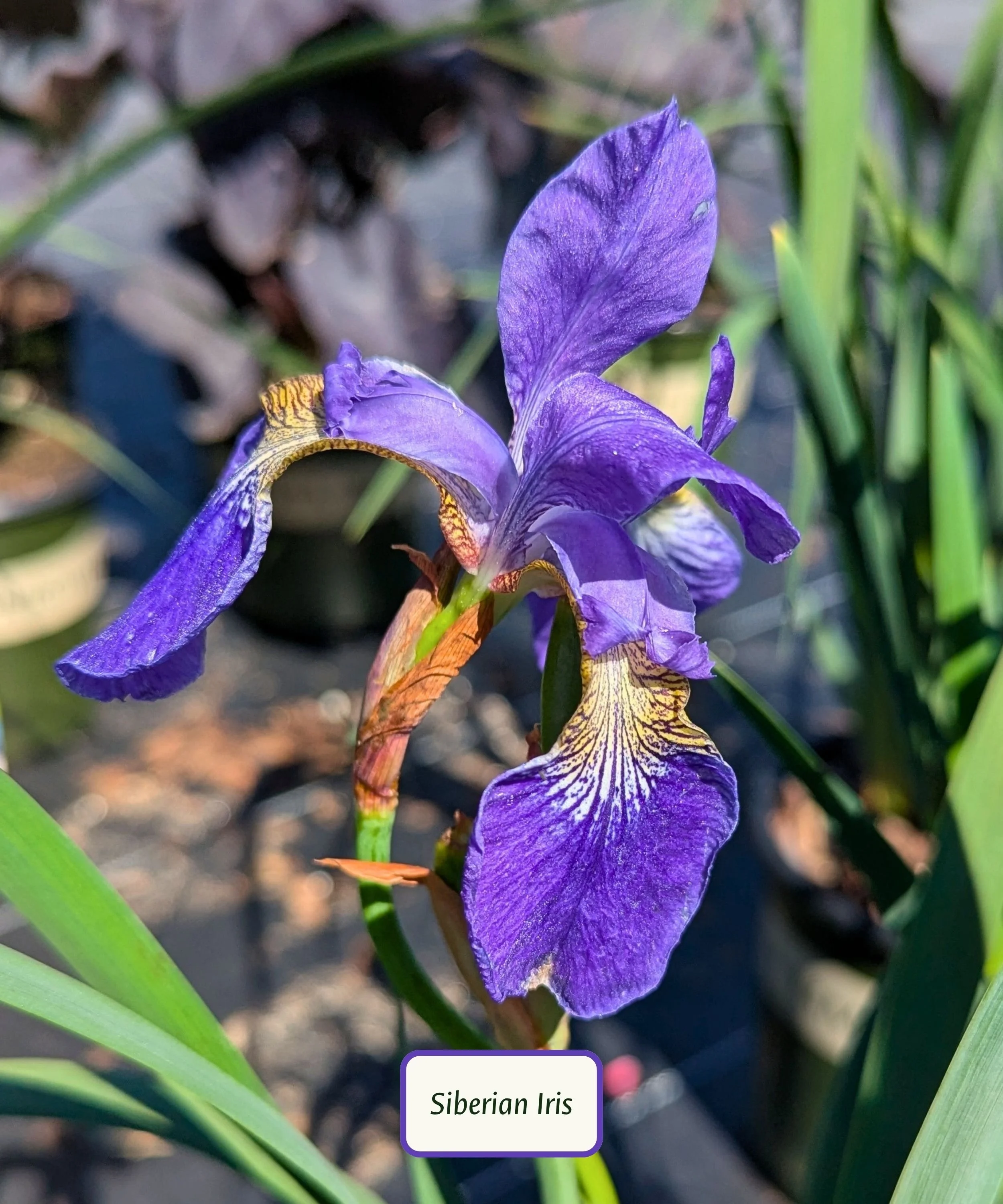 Image 3 of 4
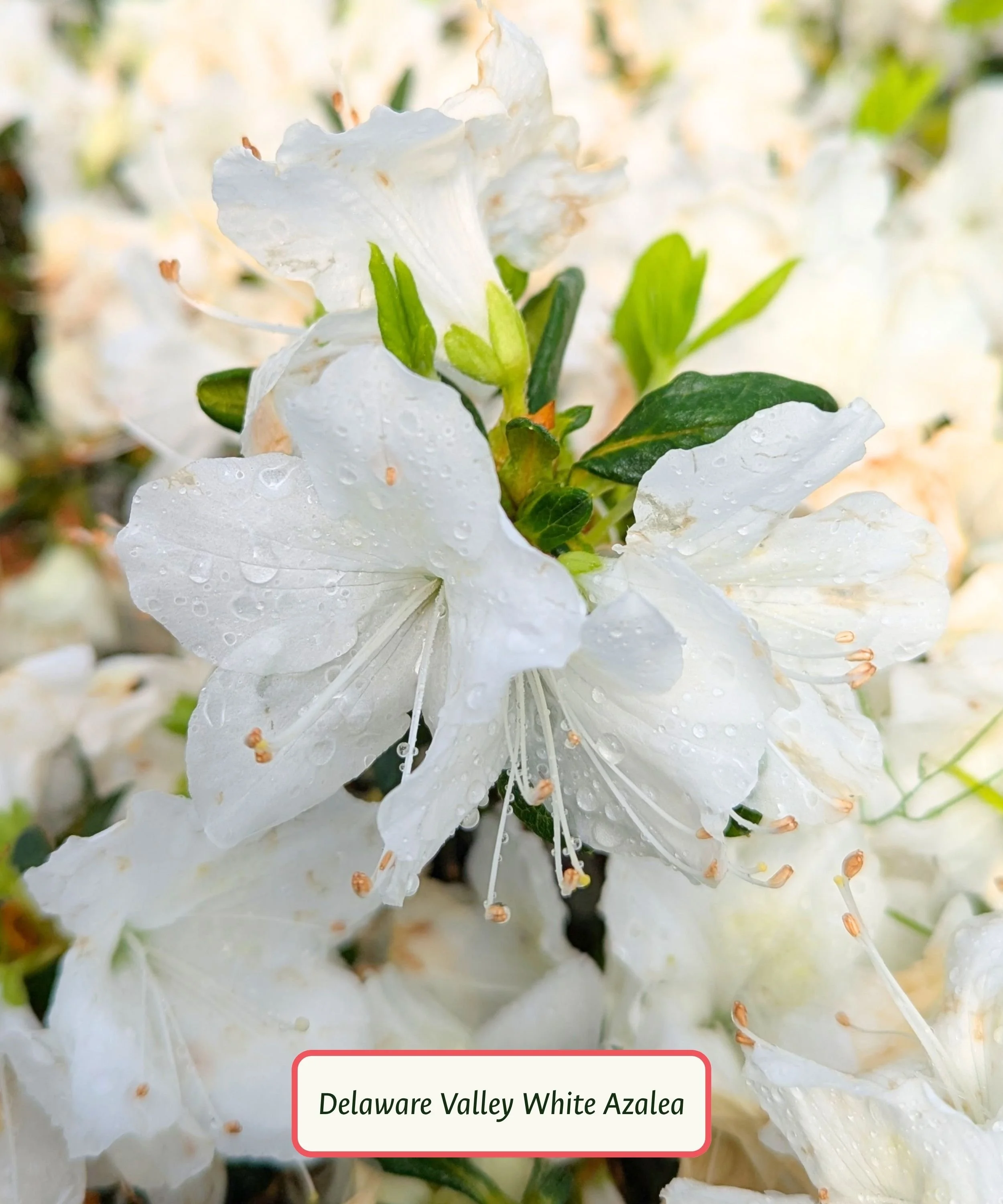
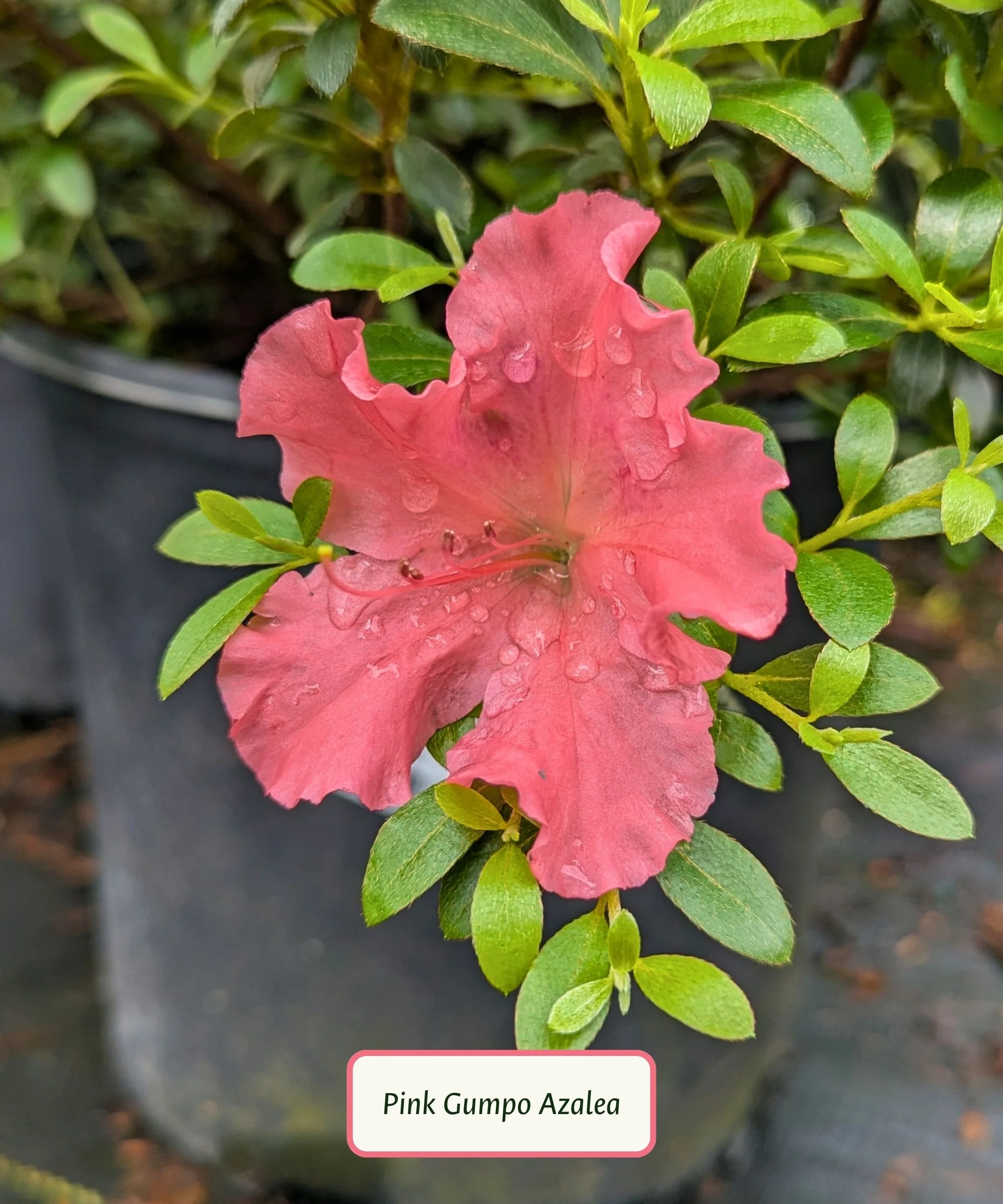
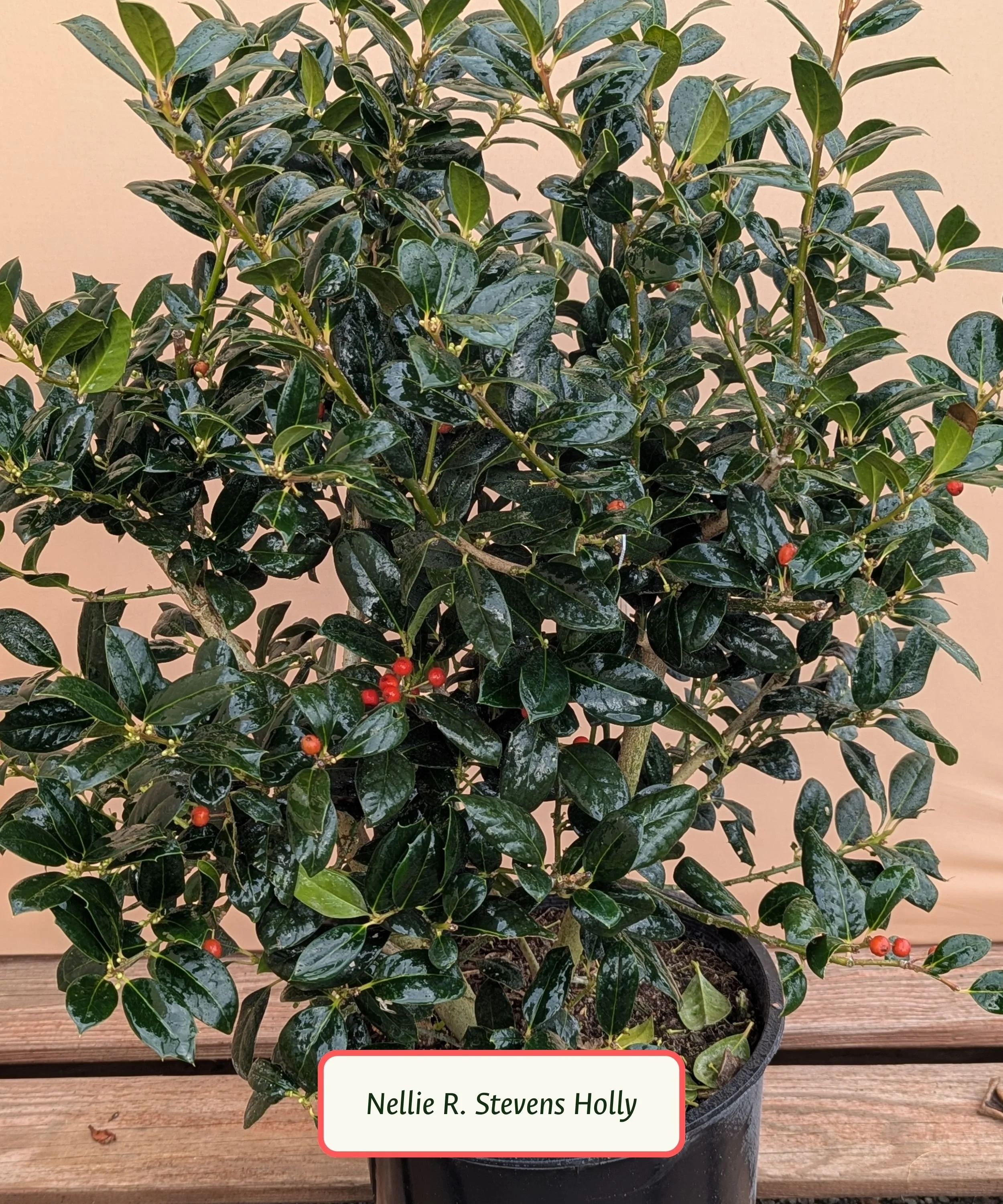
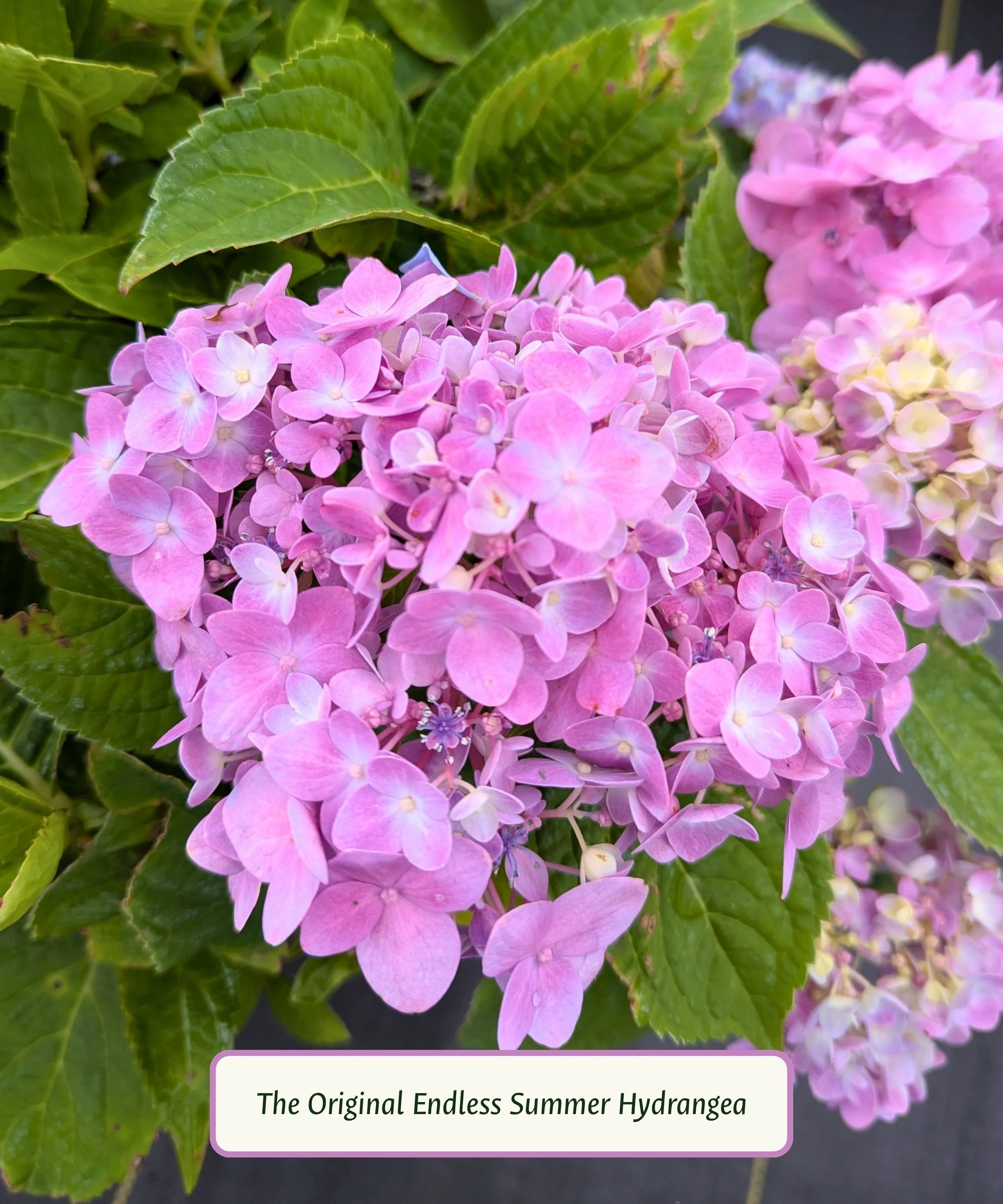
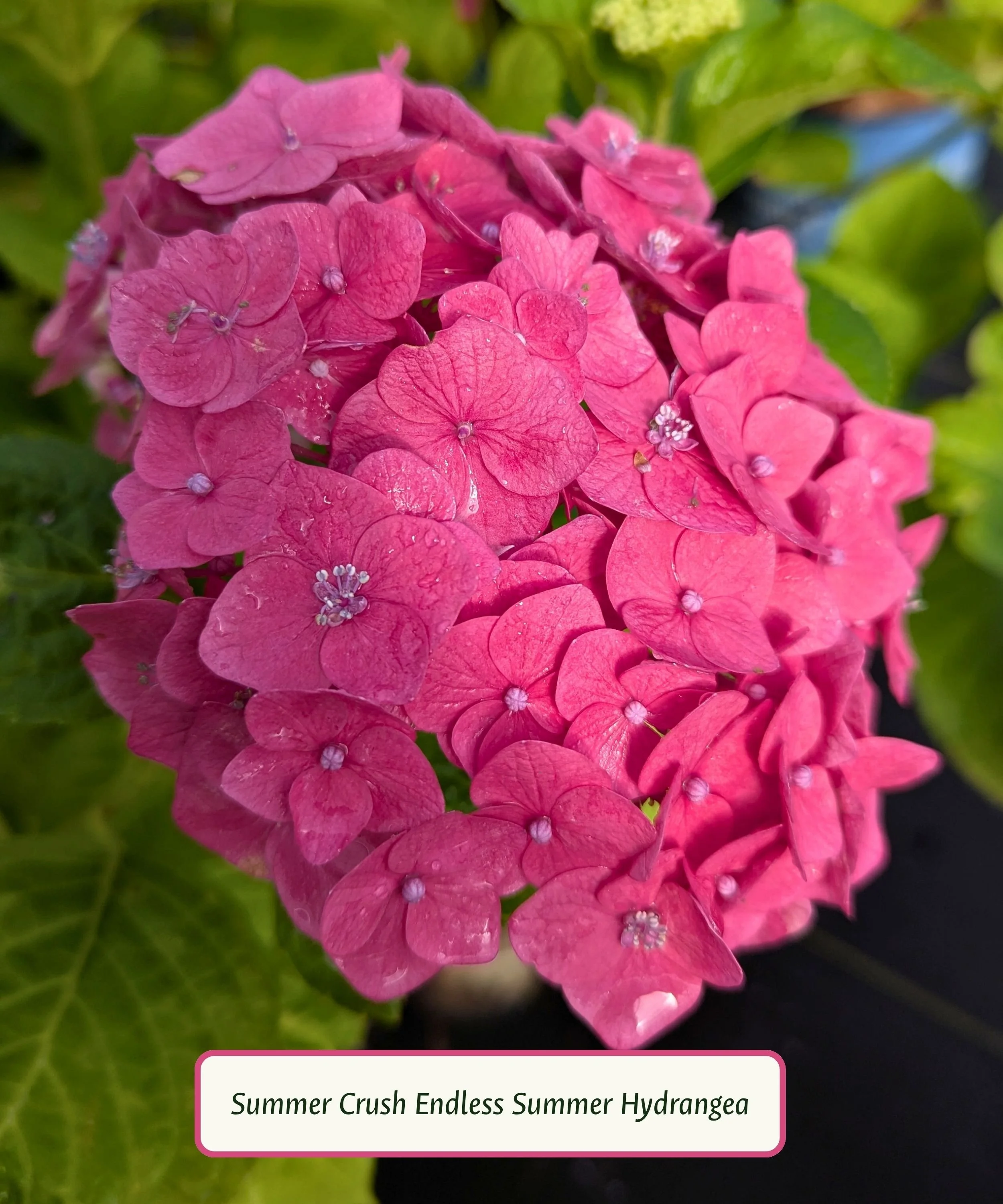
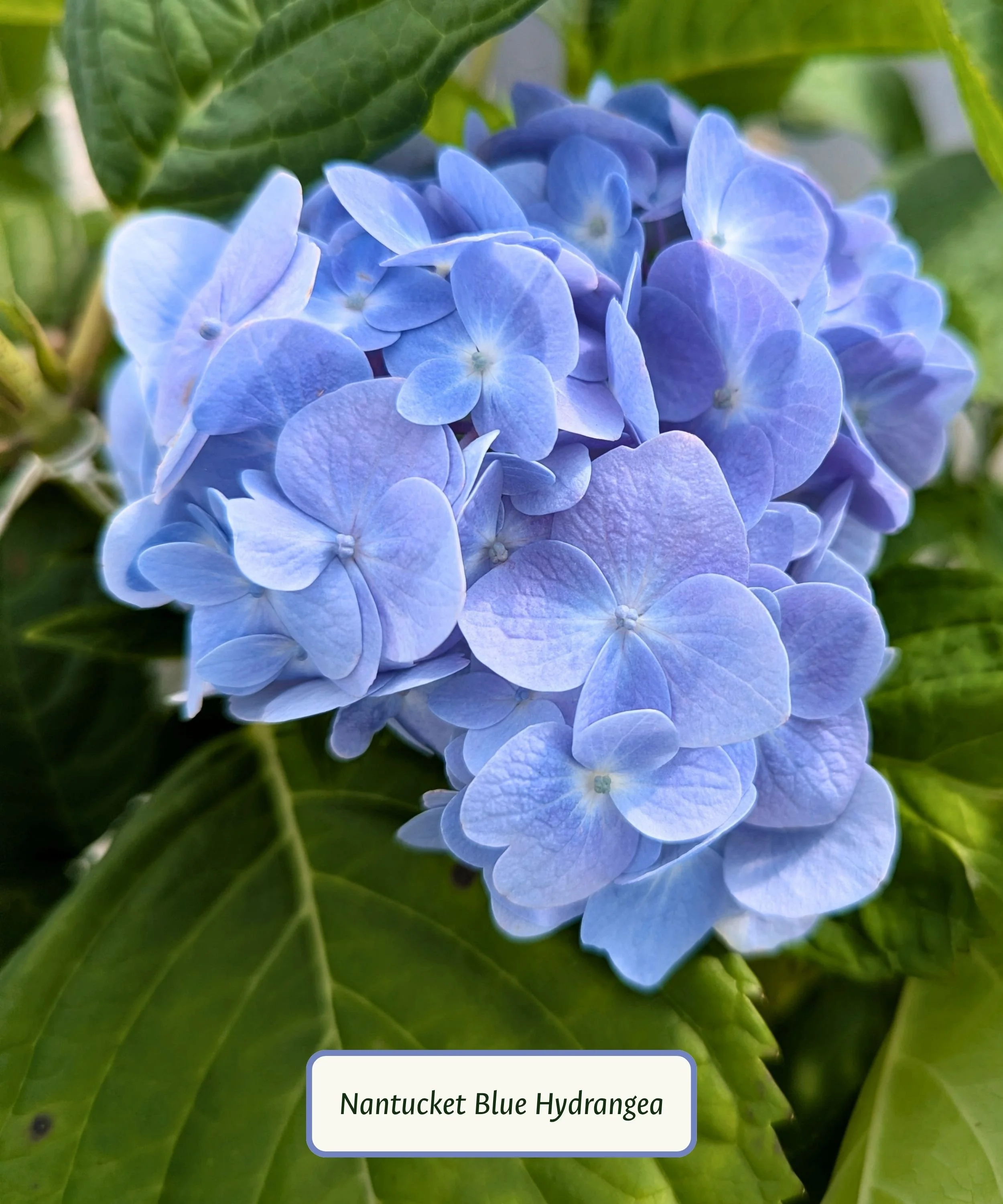
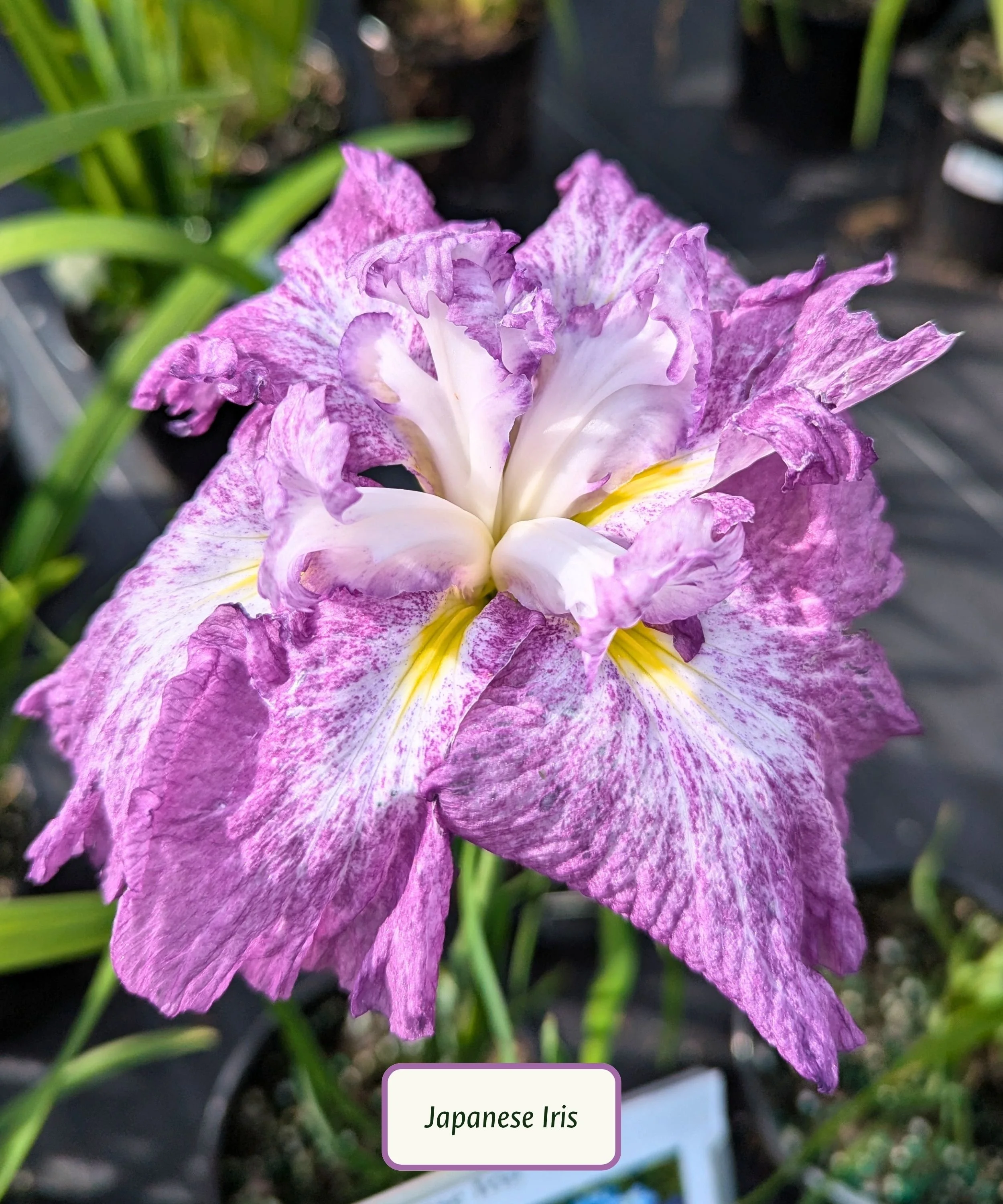 Image 4 of 4
Botanical Name: Iris
Japanese
Siberian
Louisiana (Native Hybrids)
Seasons of availability: April and May, Limited. Native varities are limited.
Iris is one of the most popular herbaceous perennials and is available in a variety of colors with varying blooming times. There are Iris species native throughout the world. Iris is most effective when planted in small groups or in mass plantings. They may be used as border plantings, foundation plantings, near a patio, and along walkways, woodlands, and meadows. They are perfect for a cutting garden or cottage garden. There are a few minor insect issues including aphids and mites, but the most concerning disease is crown or root rot.
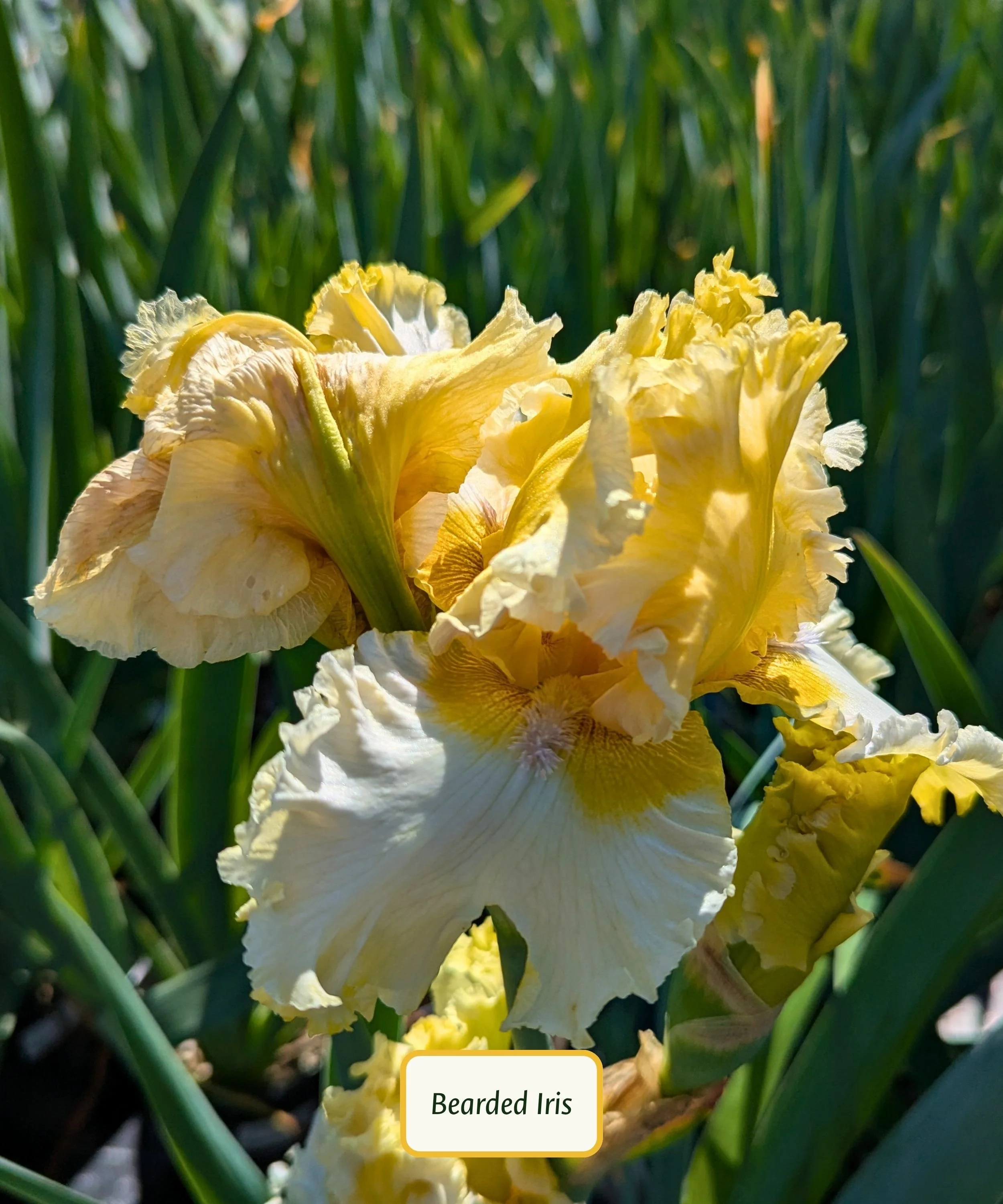
Different species require light from full sun to full shade. Neutral to alkaline soils are required for some species. They grow in mounds or drifts in rich soils; some (such as Japanese Iris) prefer wet or marshy areas and even standing water. Iris propagate through root division or by seed. Some varieties like Bearded Iris require rhizomes to be at soil level, while others tolerate planting corms and bulbs deeper in the soil. Most iris require periodic division of the rhizomes. After blooming is complete, allow the foliage to deteriorate and then remove the spent foliage in the fall.
Botanical Name: Iris
Japanese
Siberian
Louisiana (Native Hybrids)
Seasons of availability: April and May, Limited. Native varities are limited.
Iris is one of the most popular herbaceous perennials and is available in a variety of colors with varying blooming times. There are Iris species native throughout the world. Iris is most effective when planted in small groups or in mass plantings. They may be used as border plantings, foundation plantings, near a patio, and along walkways, woodlands, and meadows. They are perfect for a cutting garden or cottage garden. There are a few minor insect issues including aphids and mites, but the most concerning disease is crown or root rot.
Different species require light from full sun to full shade. Neutral to alkaline soils are required for some species. They grow in mounds or drifts in rich soils; some (such as Japanese Iris) prefer wet or marshy areas and even standing water. Iris propagate through root division or by seed. Some varieties like Bearded Iris require rhizomes to be at soil level, while others tolerate planting corms and bulbs deeper in the soil. Most iris require periodic division of the rhizomes. After blooming is complete, allow the foliage to deteriorate and then remove the spent foliage in the fall.