 Image 1 of 4
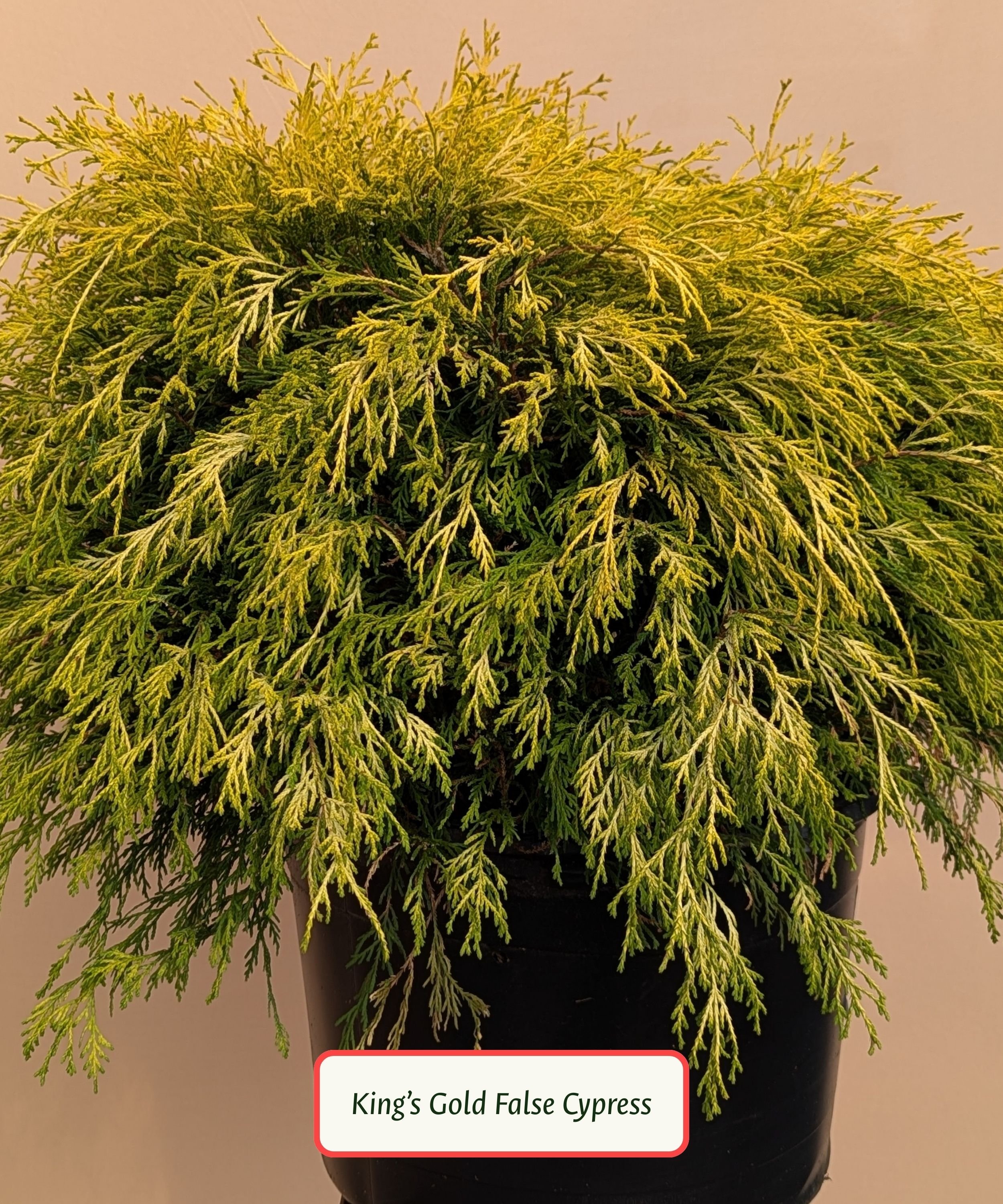 Image 2 of 4
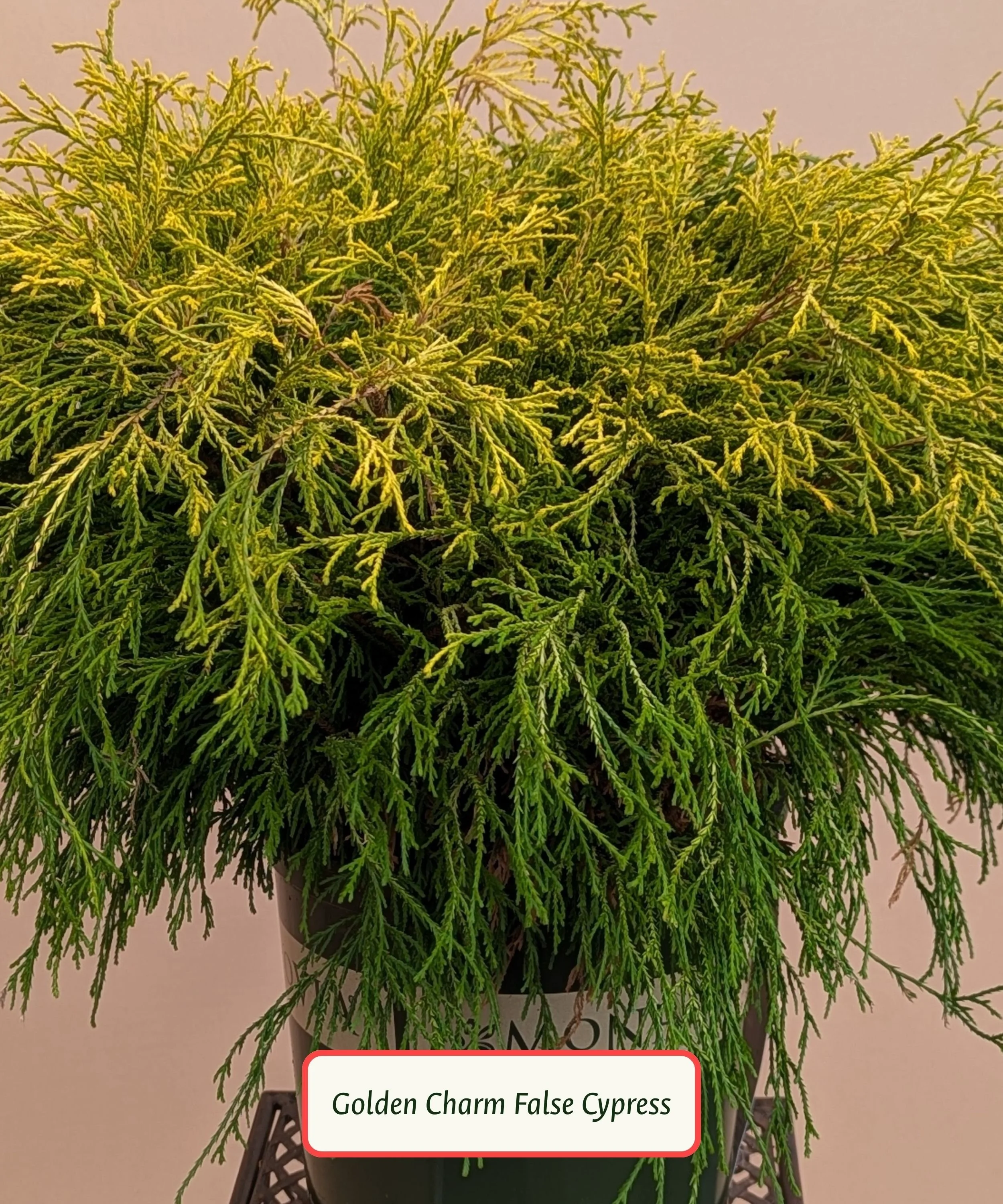 Image 3 of 4
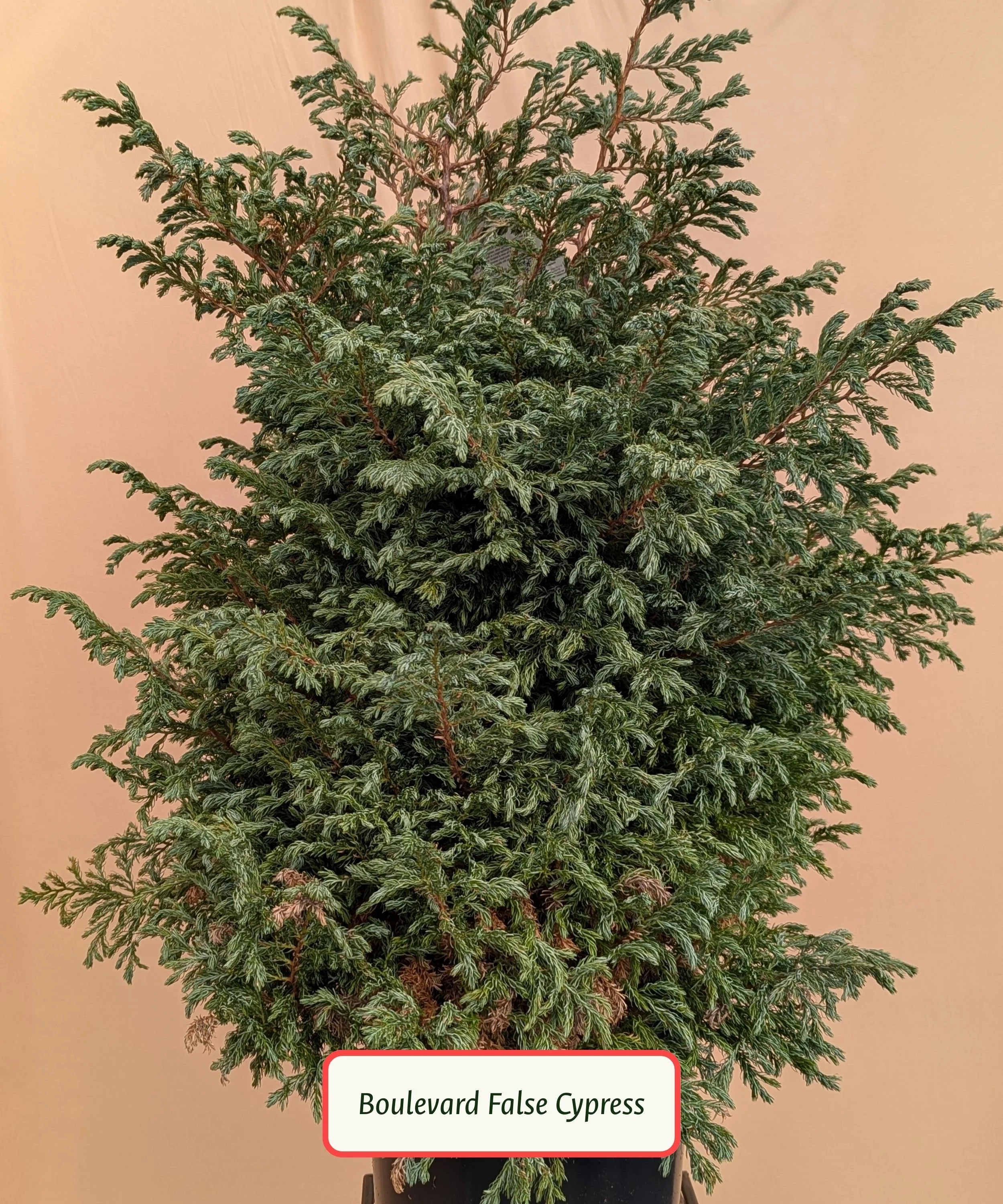 Image 4 of 4
Botanical Name: Chamaecyparis pisifera
Varieties we carry:
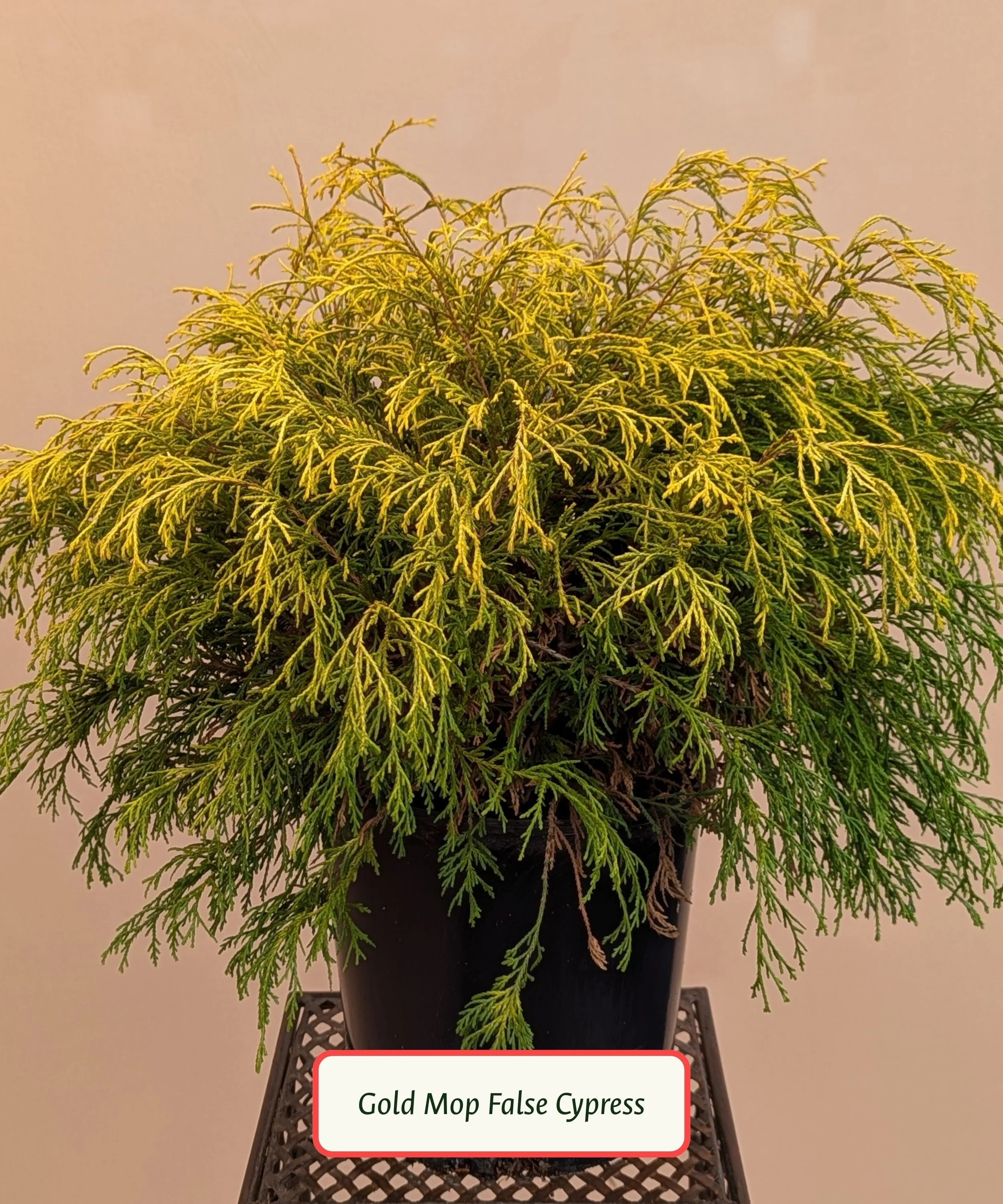
Gold Mop (Mops)
King's Gold
Golden Charm
Boulevard
Seasons of availability: Spring and Fall.
The species is a pyramidal tree with a loose open habit reaching 50-70’ in height and 10-20’ in width. Most of what is available are dwarf cultivars that are a better fit for the home landscape. With many cultivars, this plant can serve many functions in the landscape, especially in rock gardens or as accent plants. Cultivars are often used as focal points or specimen trees at entranceways or as a large foundation shrub. Like most dwarf conifers, growth is fairly slow but steady, and they are best planted in areas where older plants can freely exceed average size estimates. False cypress have fair deer resistance, but they provide no significant wildlife value.
This ornamental tree grows best in Zones 4-8 , in full sun to partial shade. Growing slower in the Southern heat, Sawara Cypress prefers moist, well drained soil that is lime-free. This plant shows some susceptibility to bagworms, root rot, and juniper blight. Mulch the prepared soil base to retain moisture and fertilize with a slow-release fertilizer to encourage new growth.
Ideal planting seasons: Fall and Winter.
Botanical Name: Chamaecyparis pisifera
Varieties we carry:
Gold Mop (Mops)
King's Gold
Golden Charm
Boulevard
Seasons of availability: Spring and Fall.
The species is a pyramidal tree with a loose open habit reaching 50-70’ in height and 10-20’ in width. Most of what is available are dwarf cultivars that are a better fit for the home landscape. With many cultivars, this plant can serve many functions in the landscape, especially in rock gardens or as accent plants. Cultivars are often used as focal points or specimen trees at entranceways or as a large foundation shrub. Like most dwarf conifers, growth is fairly slow but steady, and they are best planted in areas where older plants can freely exceed average size estimates. False cypress have fair deer resistance, but they provide no significant wildlife value.
This ornamental tree grows best in Zones 4-8 , in full sun to partial shade. Growing slower in the Southern heat, Sawara Cypress prefers moist, well drained soil that is lime-free. This plant shows some susceptibility to bagworms, root rot, and juniper blight. Mulch the prepared soil base to retain moisture and fertilize with a slow-release fertilizer to encourage new growth.
Ideal planting seasons: Fall and Winter.