Showy flowers, Southern staple, semi-evergreen shrub.
Botanical Name: Rhododendron
Varieties we carry:
Formosa
George Tabor
G. G. Gerbing
The following varieties may be available for special request: Christmas Cheer, Chinzan, Osakazuki, Delaware Valley White, Hinodegiri, Flame Creeper, White Gumpo, Pink Gumpo, Hershey Red, Sunglow, Herbert, Midnight Flare, Renee Michelle, Coral Bells, Pink Pearl, Pink Ruffles, Red Ruffles, Hardy Gardenia, Congo, Gyokushin, Hilda Niblet, Dorothy Reese, Fashion
Seasons of availability: All year, but special varieties are only available in one shipment per year during the winter
Landscape Value:
There are hundreds of varieties of hybrid Azaleas. Most of them typically grow 3 to 5’ tall and 3 to 4’ wide, but some may exceed 6’ tall and wide. Traditional Azaleas bloom for a few weeks in the spring. Azaleas come in a variety of colors from white, pinks, purples, salmons, and reds. These showy shrubs work very well in a mixed border, mass planting, and can add color and interest to the understory of a woodland garden or naturalized area. Utilize their smaller height as a low hedge or planted along a foundation where their blooms can be enjoyed from a window. Protect Azaleas from deer, particularly young plants. Azaleas have a few insect issues, but the most common to watch for and treat is Lacebug. Root rot and stem cankers are occasionally a problem. Azaleas can attract pollinators.
Plant Care:
Plant Azaleas in a location that receives 2 to 6 hours of sun in well draining, moist, acidic soils that have a high organic content and water regularly. Azaleas require very little pruning to retain good form and do not need “dead-heading”. Prune immediately after the spring flowering period for maximum bud set. Light pruning of more established plants will stimulate growth and flowering. Prune tall shoots back inside the body of the plant. Some varieties (like Renee Michelle) are hardy to Zones 5-10, while most perform best in Zones 7-10. Mulch the prepared soil base to retain moisture and fertilize with a slow-release fertilizer to encourage new growth.
Ideal planting seasons: Fall and Winter.
Showy flowers, Southern staple, semi-evergreen shrub.
Botanical Name: Rhododendron
Varieties we carry:
Formosa
George Tabor
G. G. Gerbing
The following varieties may be available for special request: Christmas Cheer, Chinzan, Osakazuki, Delaware Valley White, Hinodegiri, Flame Creeper, White Gumpo, Pink Gumpo, Hershey Red, Sunglow, Herbert, Midnight Flare, Renee Michelle, Coral Bells, Pink Pearl, Pink Ruffles, Red Ruffles, Hardy Gardenia, Congo, Gyokushin, Hilda Niblet, Dorothy Reese, Fashion
Seasons of availability: All year, but special varieties are only available in one shipment per year during the winter
Landscape Value:
There are hundreds of varieties of hybrid Azaleas. Most of them typically grow 3 to 5’ tall and 3 to 4’ wide, but some may exceed 6’ tall and wide. Traditional Azaleas bloom for a few weeks in the spring. Azaleas come in a variety of colors from white, pinks, purples, salmons, and reds. These showy shrubs work very well in a mixed border, mass planting, and can add color and interest to the understory of a woodland garden or naturalized area. Utilize their smaller height as a low hedge or planted along a foundation where their blooms can be enjoyed from a window. Protect Azaleas from deer, particularly young plants. Azaleas have a few insect issues, but the most common to watch for and treat is Lacebug. Root rot and stem cankers are occasionally a problem. Azaleas can attract pollinators.
Plant Care:
Plant Azaleas in a location that receives 2 to 6 hours of sun in well draining, moist, acidic soils that have a high organic content and water regularly. Azaleas require very little pruning to retain good form and do not need “dead-heading”. Prune immediately after the spring flowering period for maximum bud set. Light pruning of more established plants will stimulate growth and flowering. Prune tall shoots back inside the body of the plant. Some varieties (like Renee Michelle) are hardy to Zones 5-10, while most perform best in Zones 7-10. Mulch the prepared soil base to retain moisture and fertilize with a slow-release fertilizer to encourage new growth.
Ideal planting seasons: Fall and Winter.


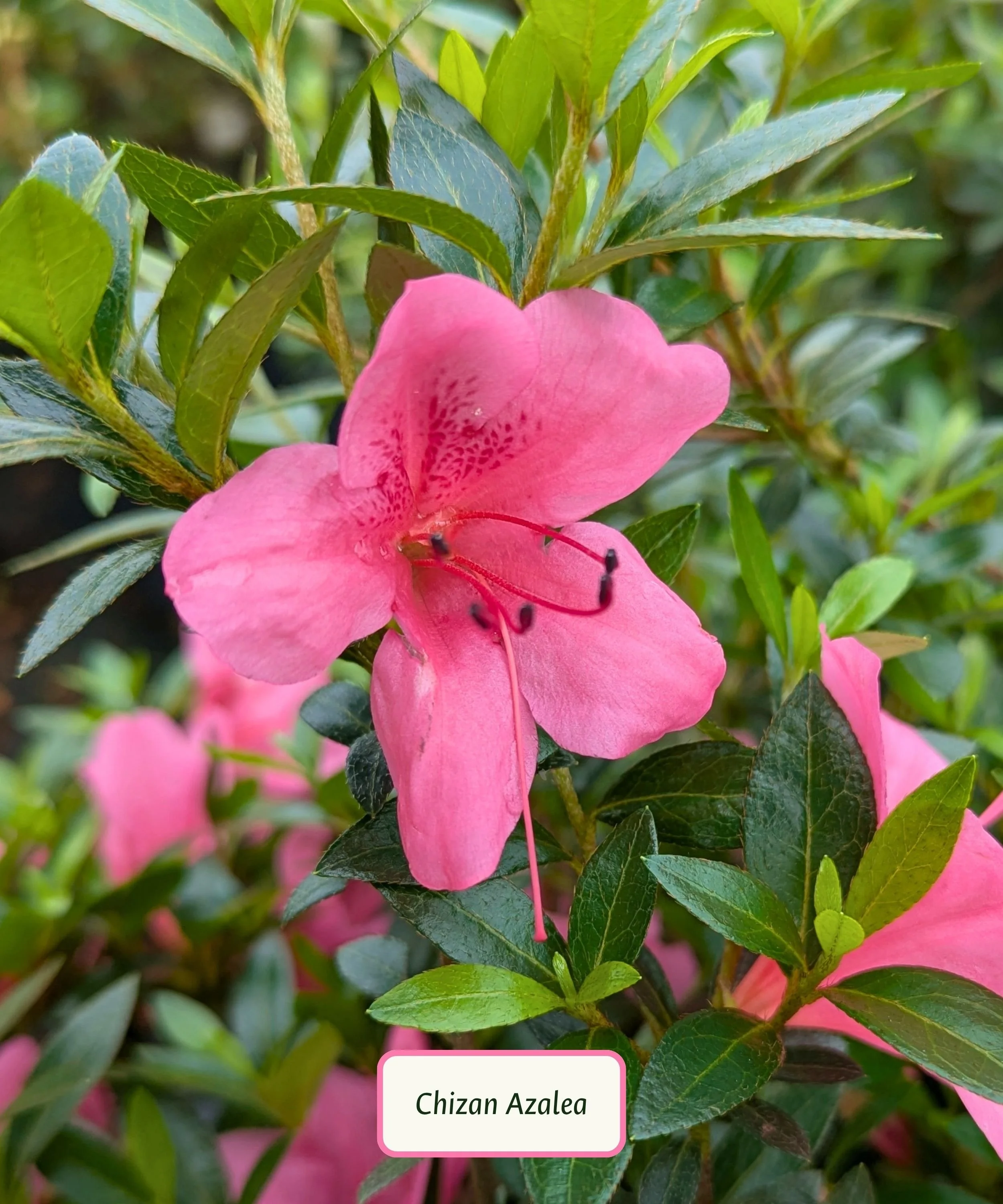 Image 1 of 15
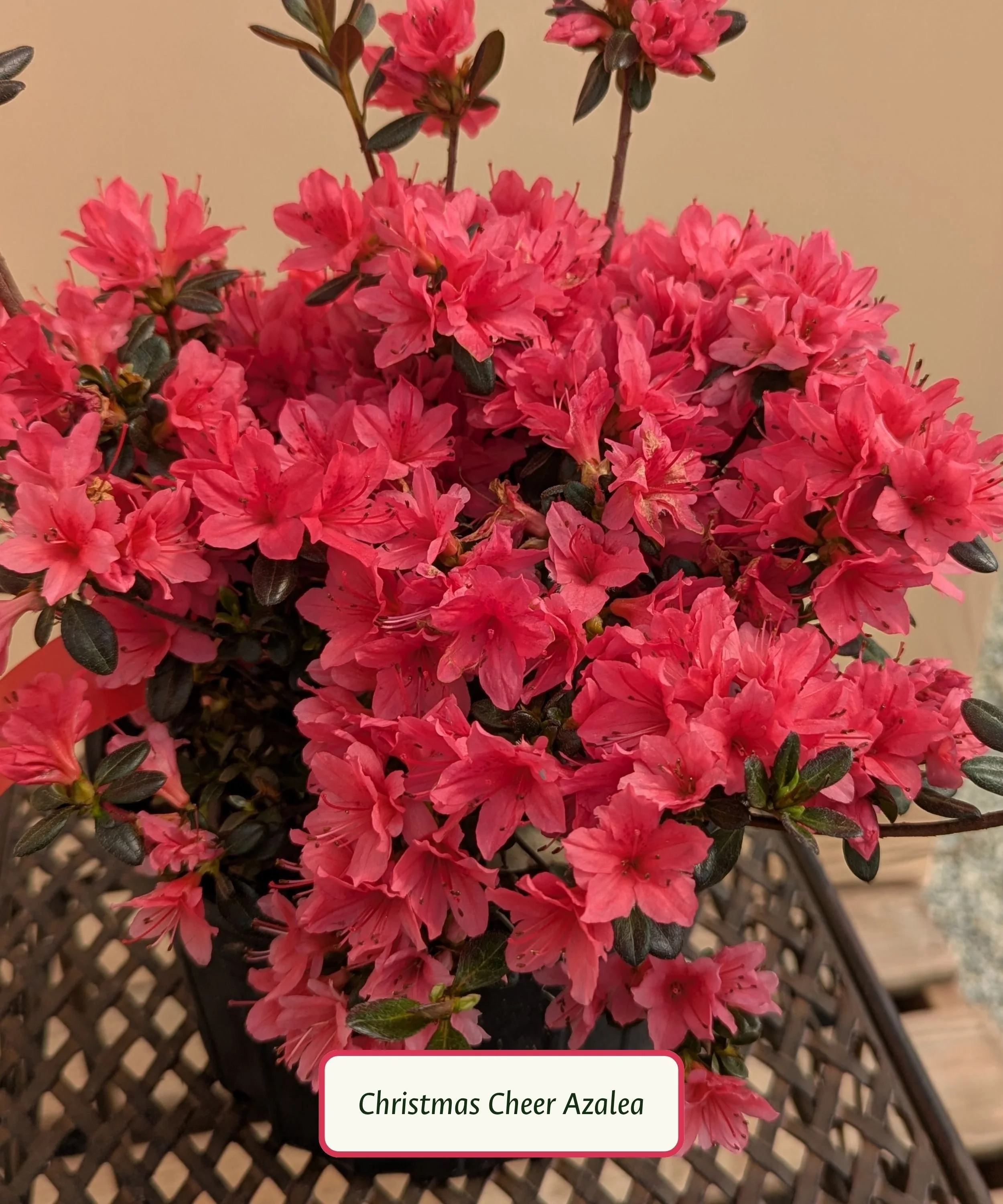 Image 2 of 15
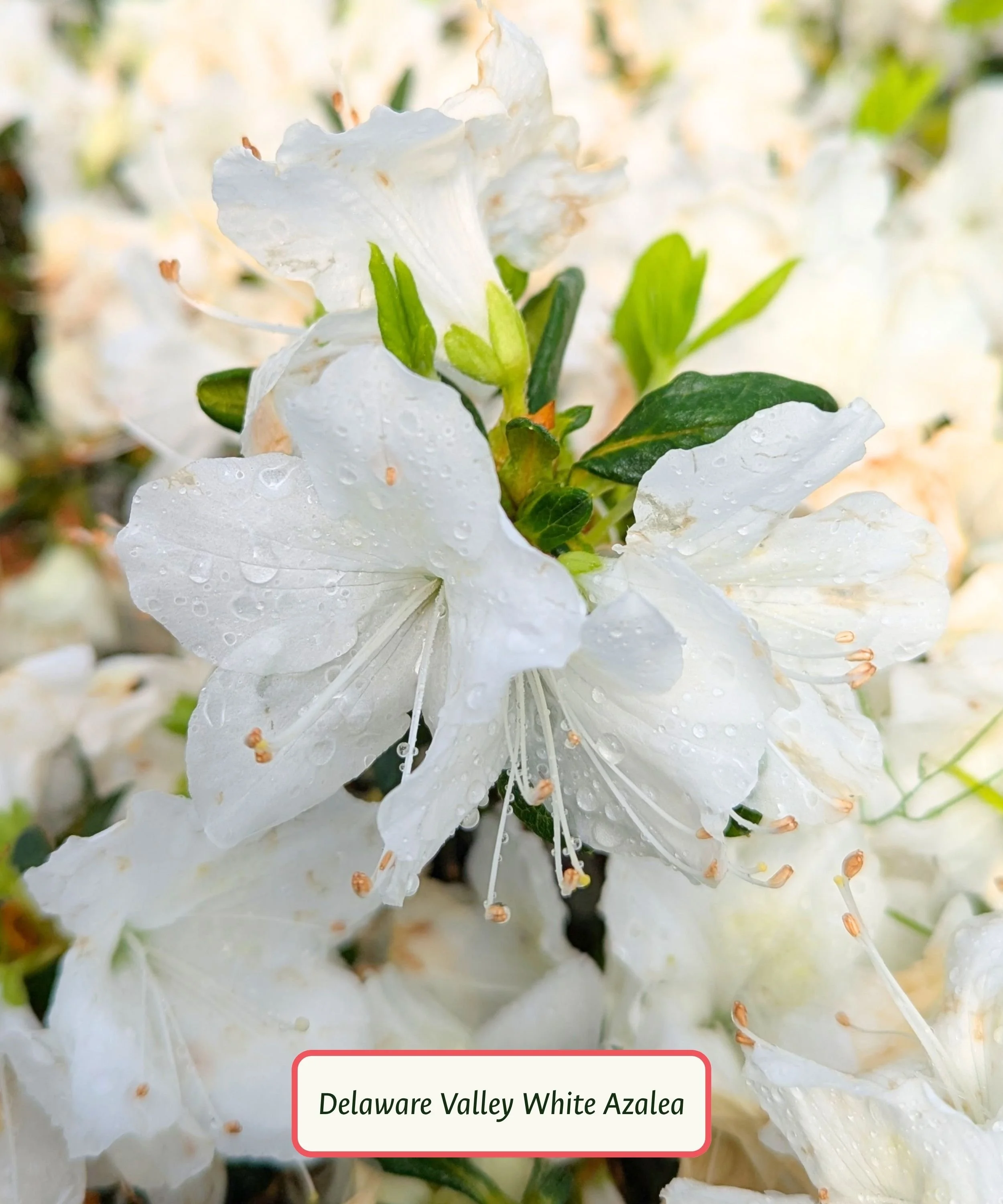 Image 3 of 15
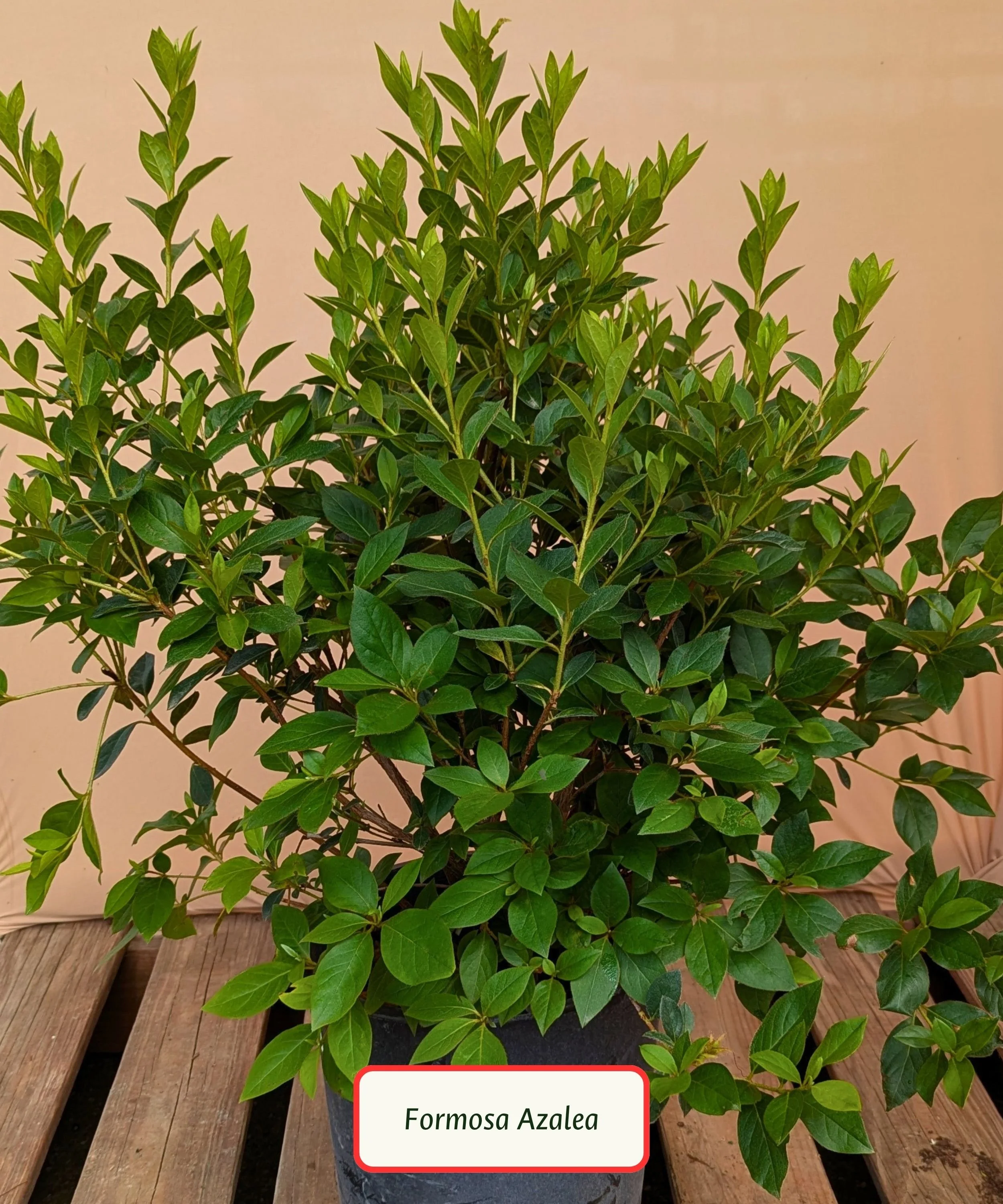 Image 4 of 15
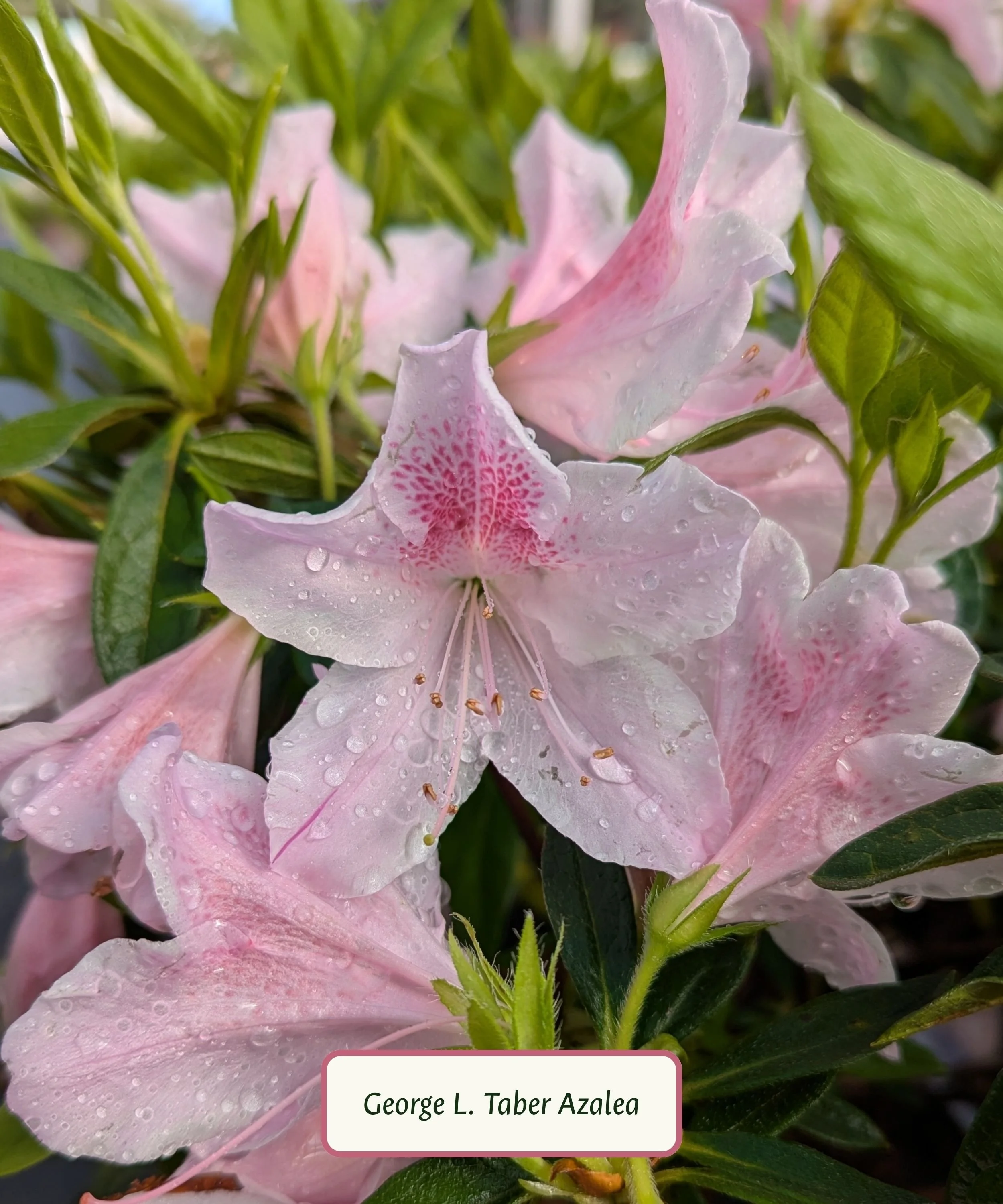 Image 5 of 15
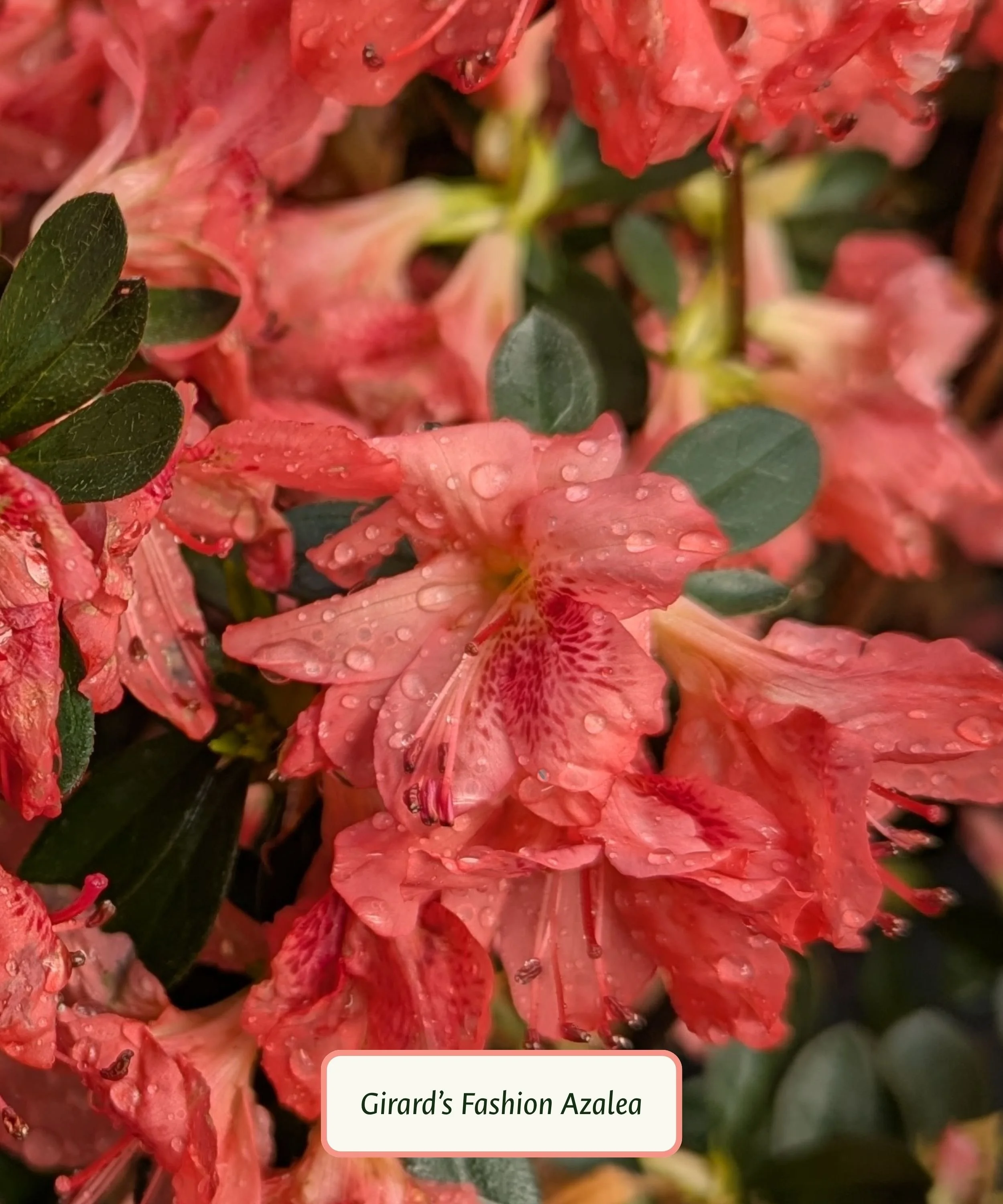 Image 6 of 15
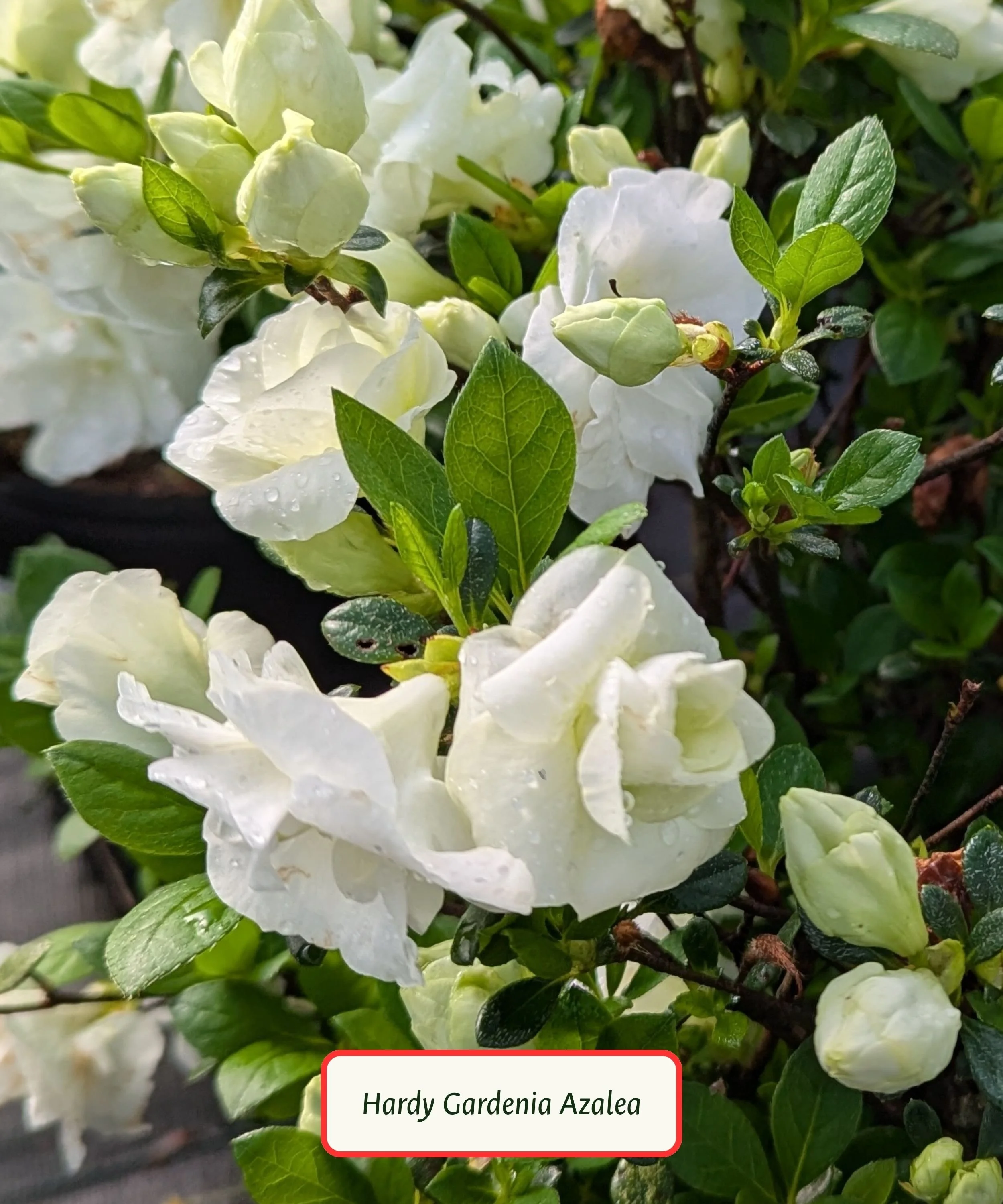 Image 7 of 15
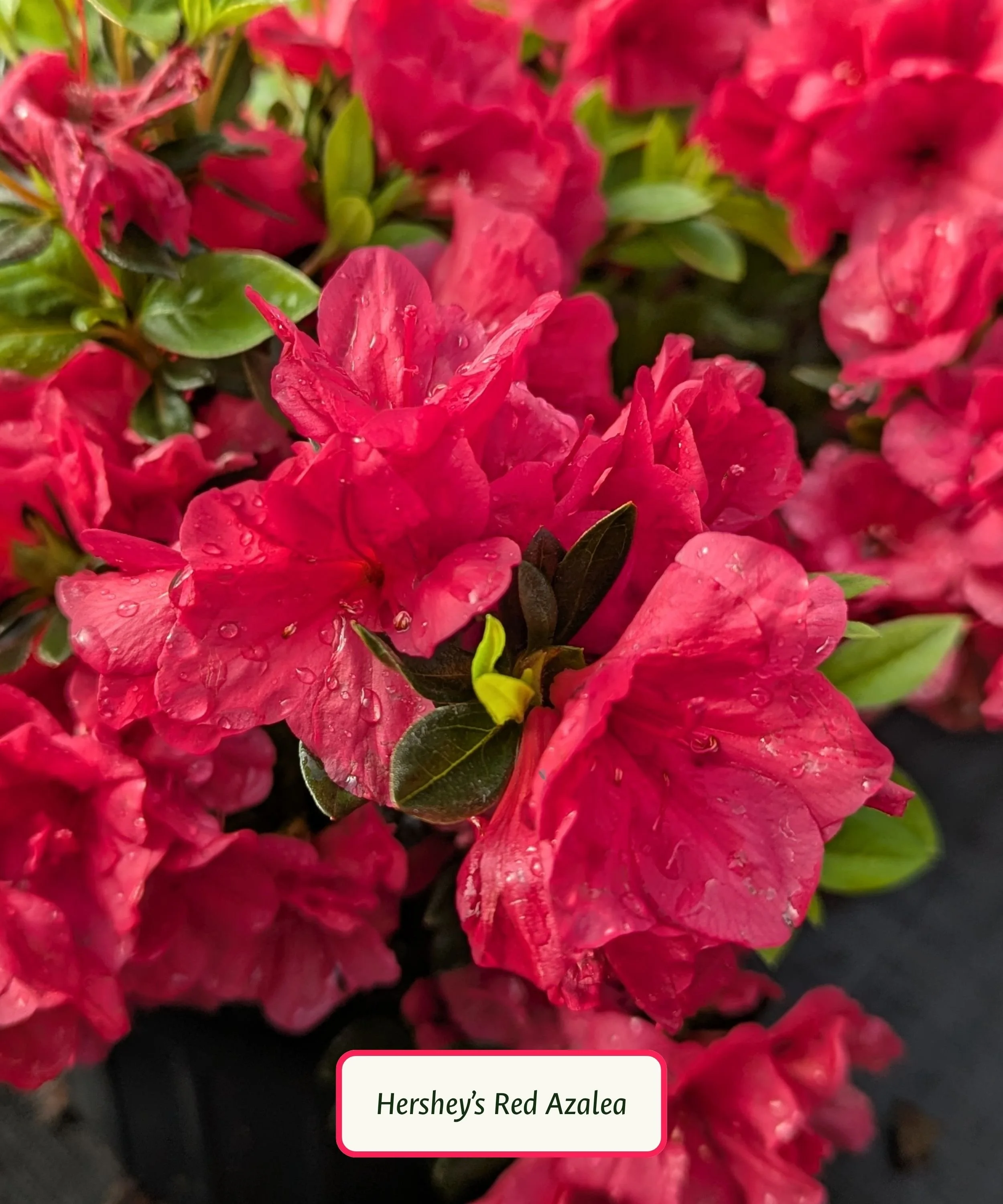 Image 8 of 15
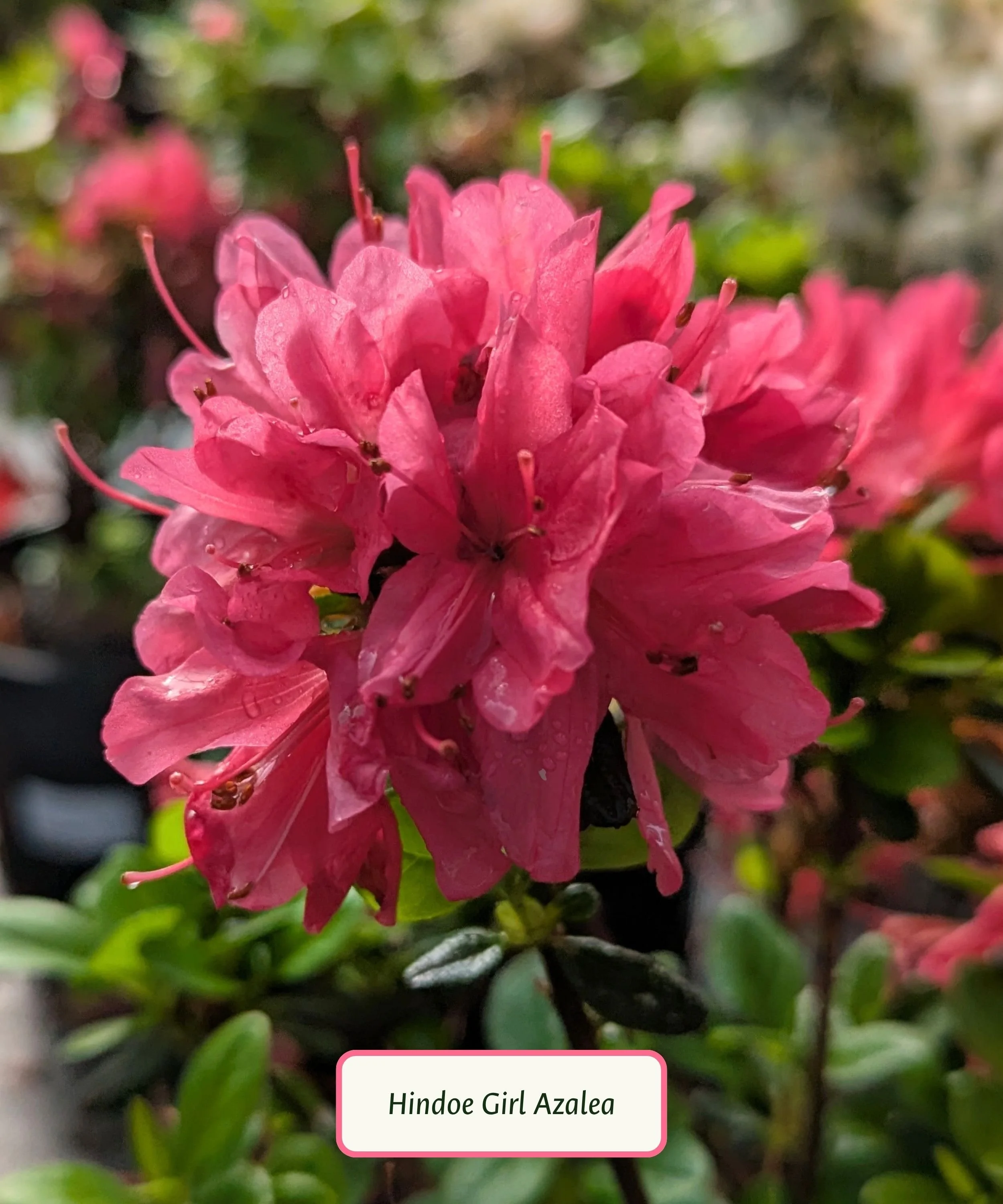 Image 9 of 15
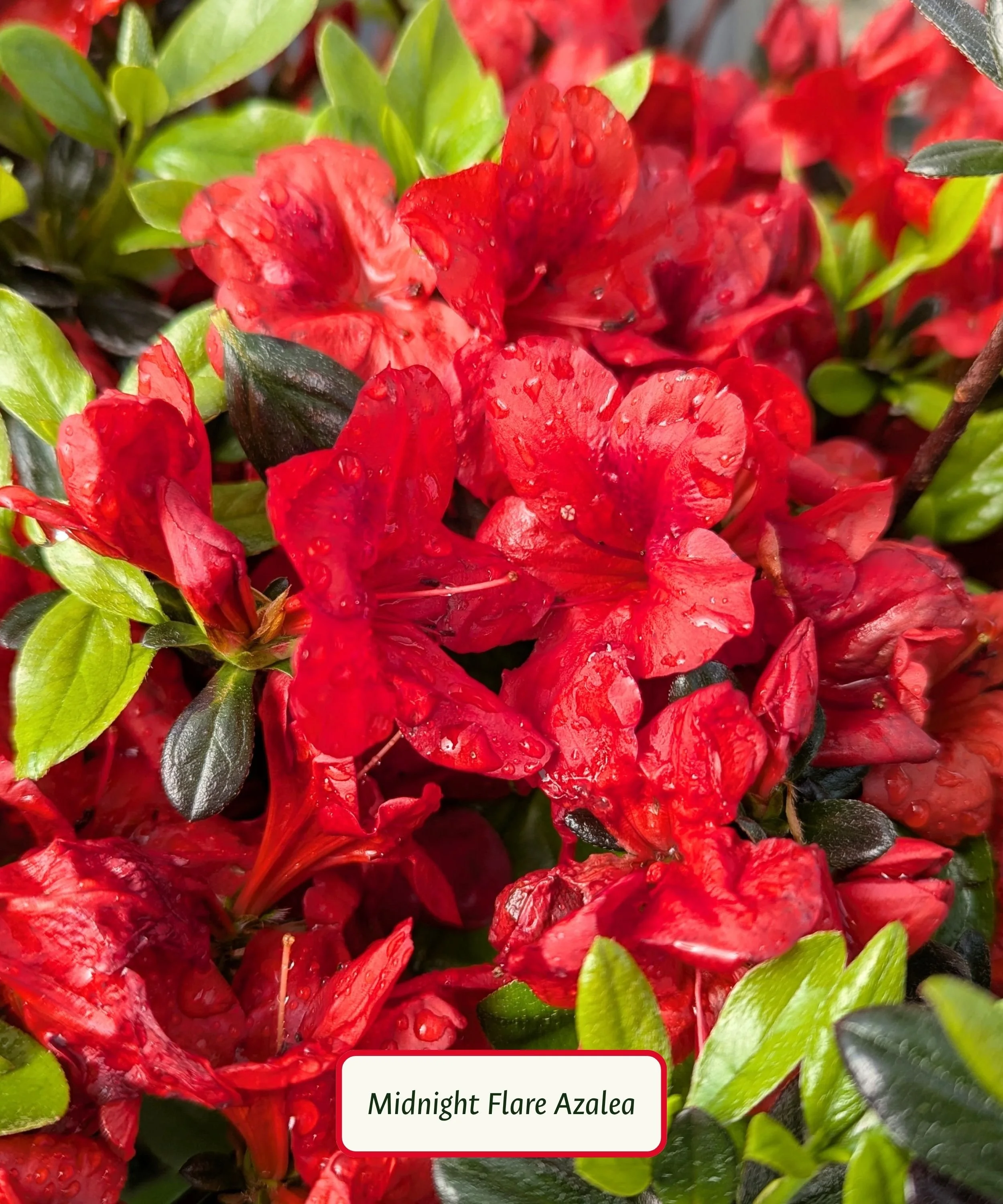 Image 10 of 15
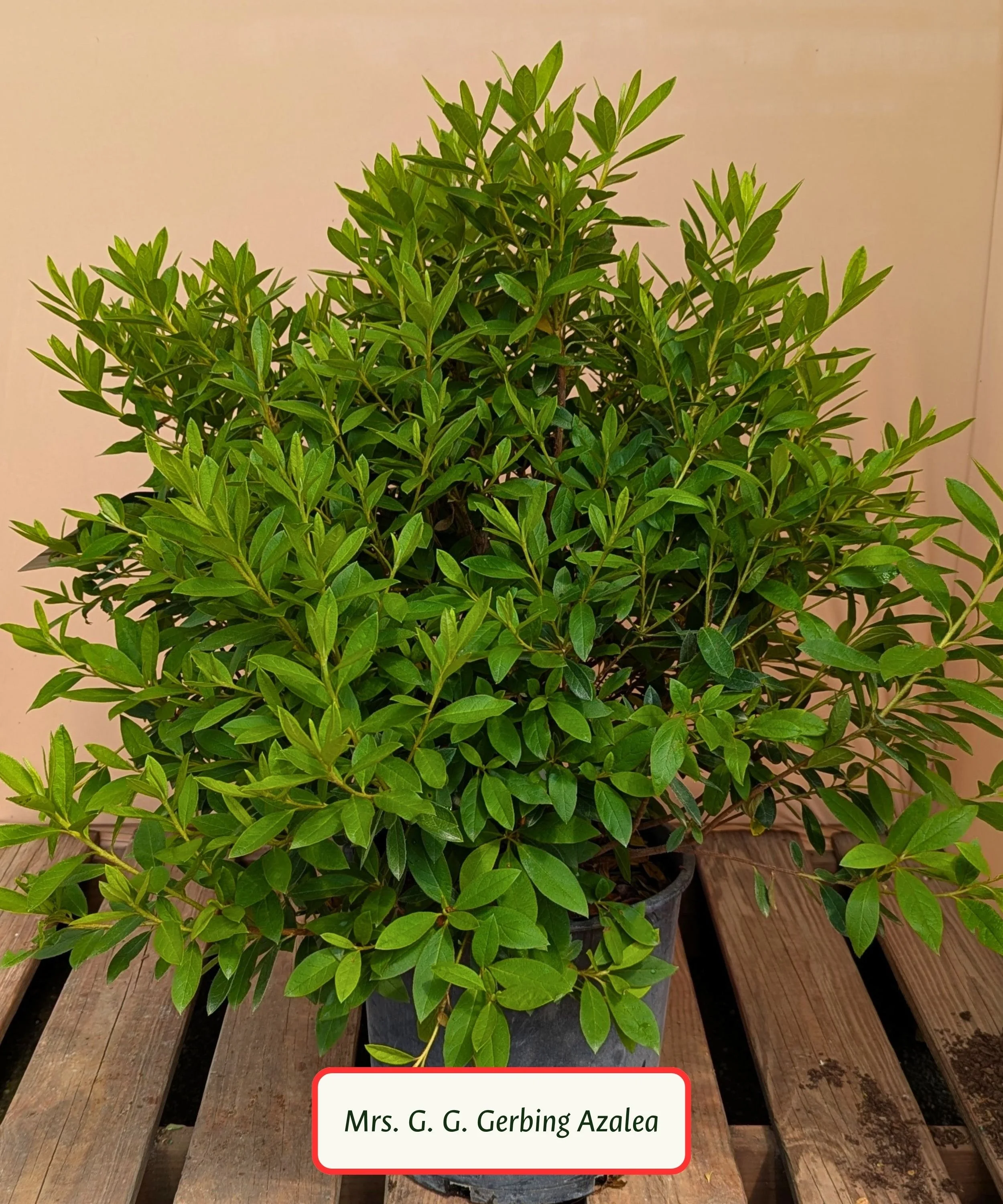 Image 11 of 15
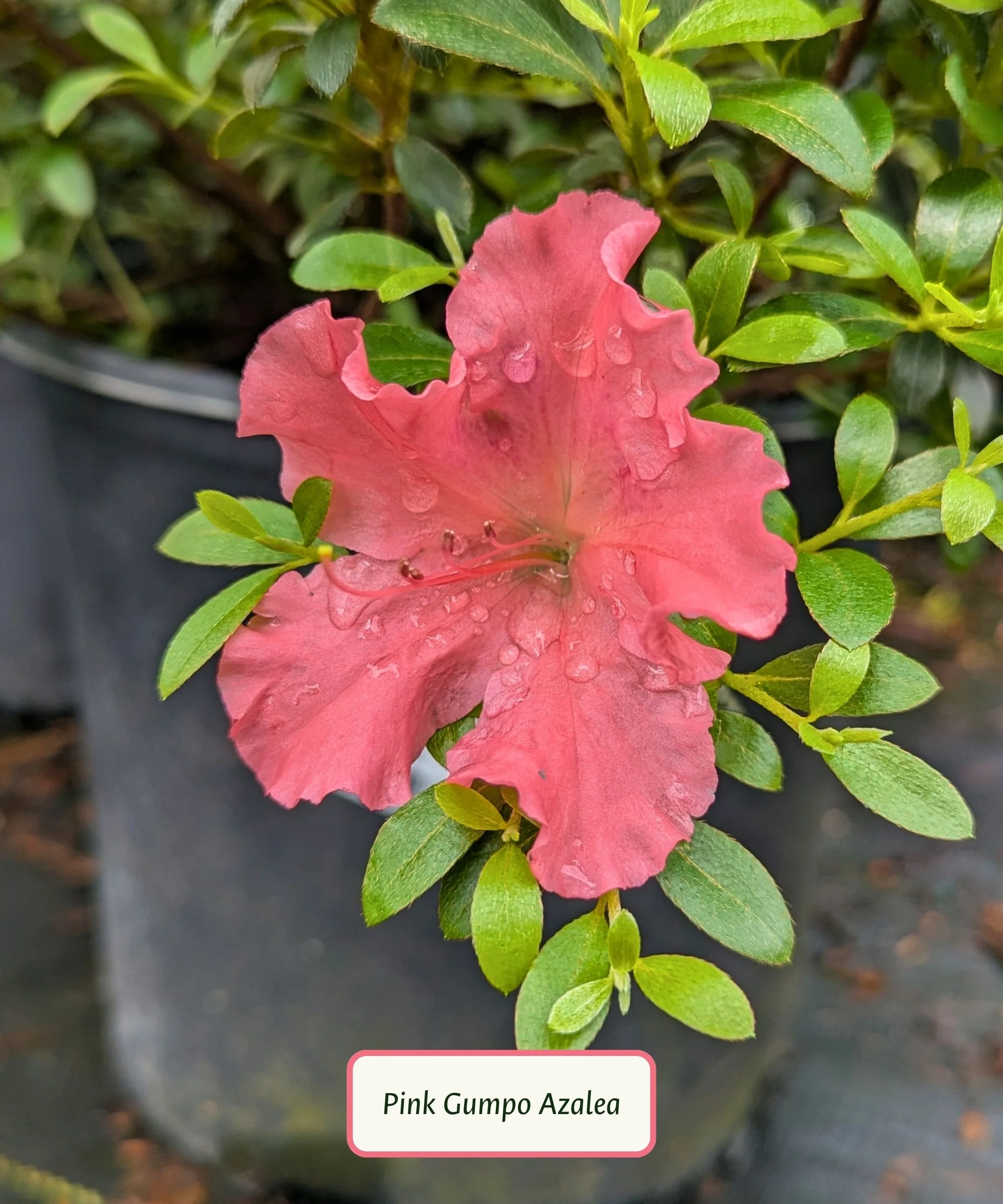 Image 12 of 15
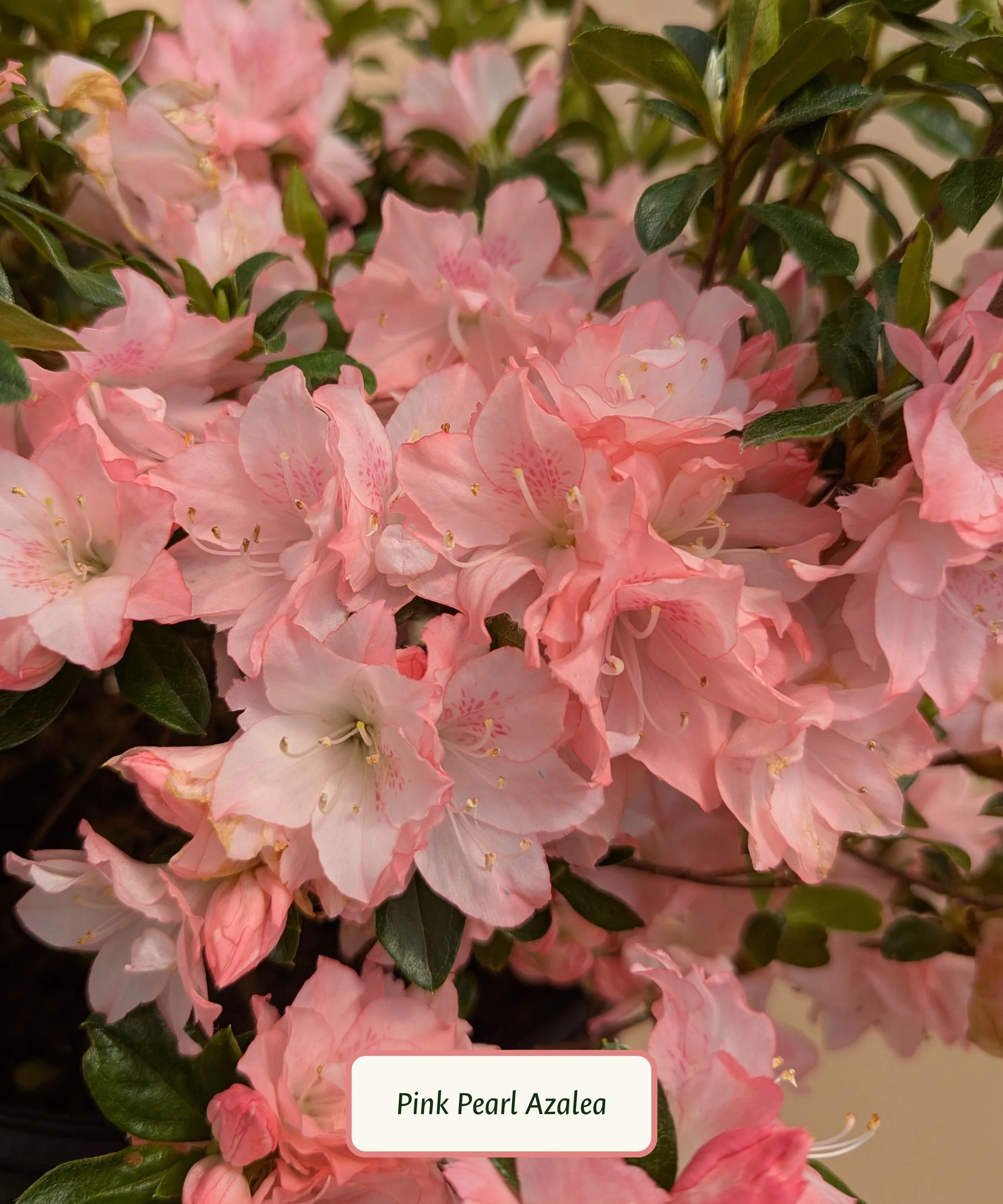 Image 13 of 15
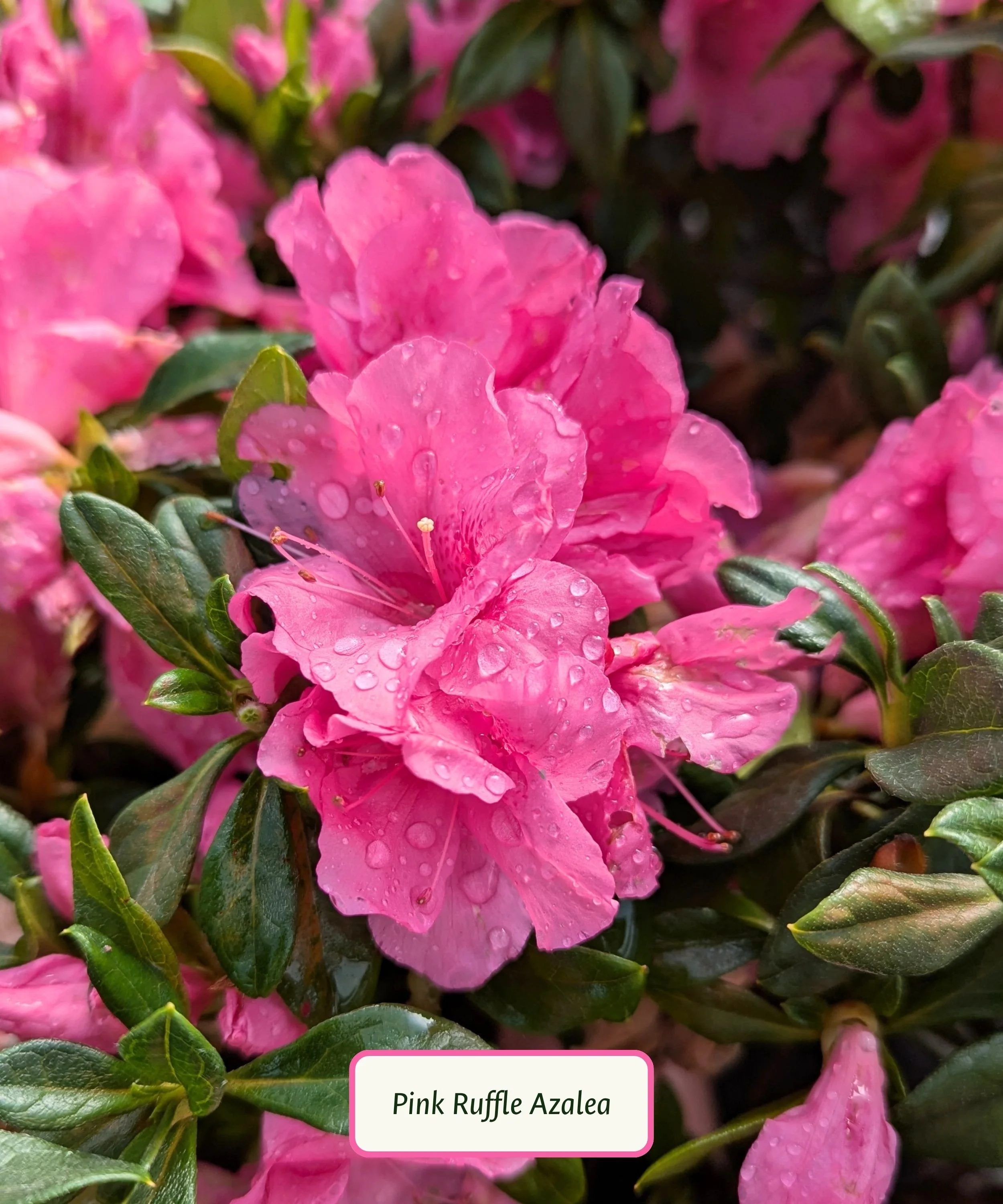 Image 14 of 15
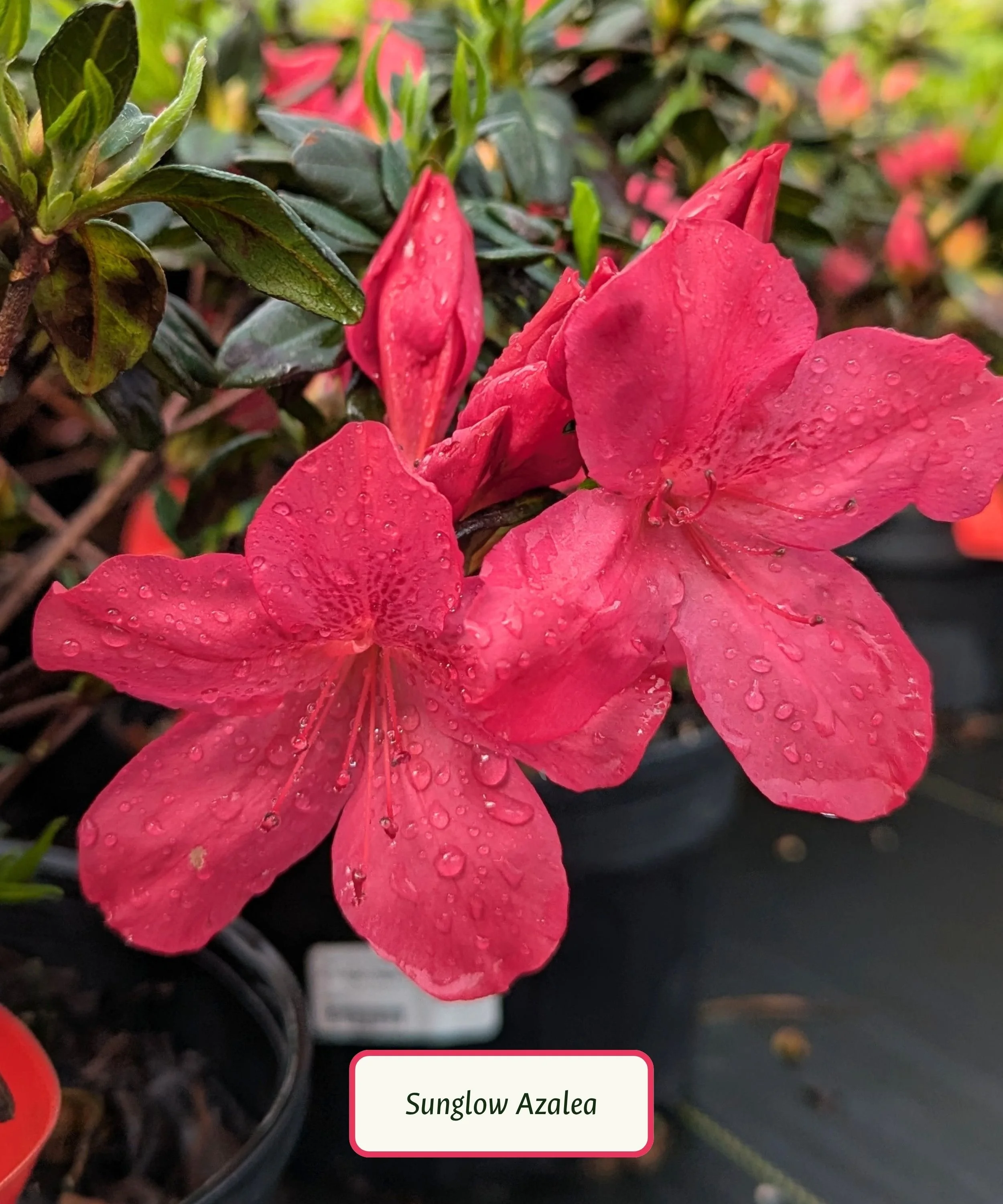 Image 15 of 15