The Best Houseplants for South Carolina Homes
Houseplants are terrific for brightening your indoor living space and incorporating nature into your home. Plus, they are great for making the winter in South Carolina more enjoyable by allowing people to continue to take care of plants despite the cold weather.
But what houseplant should you get? What houseplant is best for your South Carolina home? With over 40 years of horticultural experience, we know houseplants and we want to help you find your perfect houseplant. Here are eight houseplants that are great for any South Carolina home and why they may be right for you.
African Violet
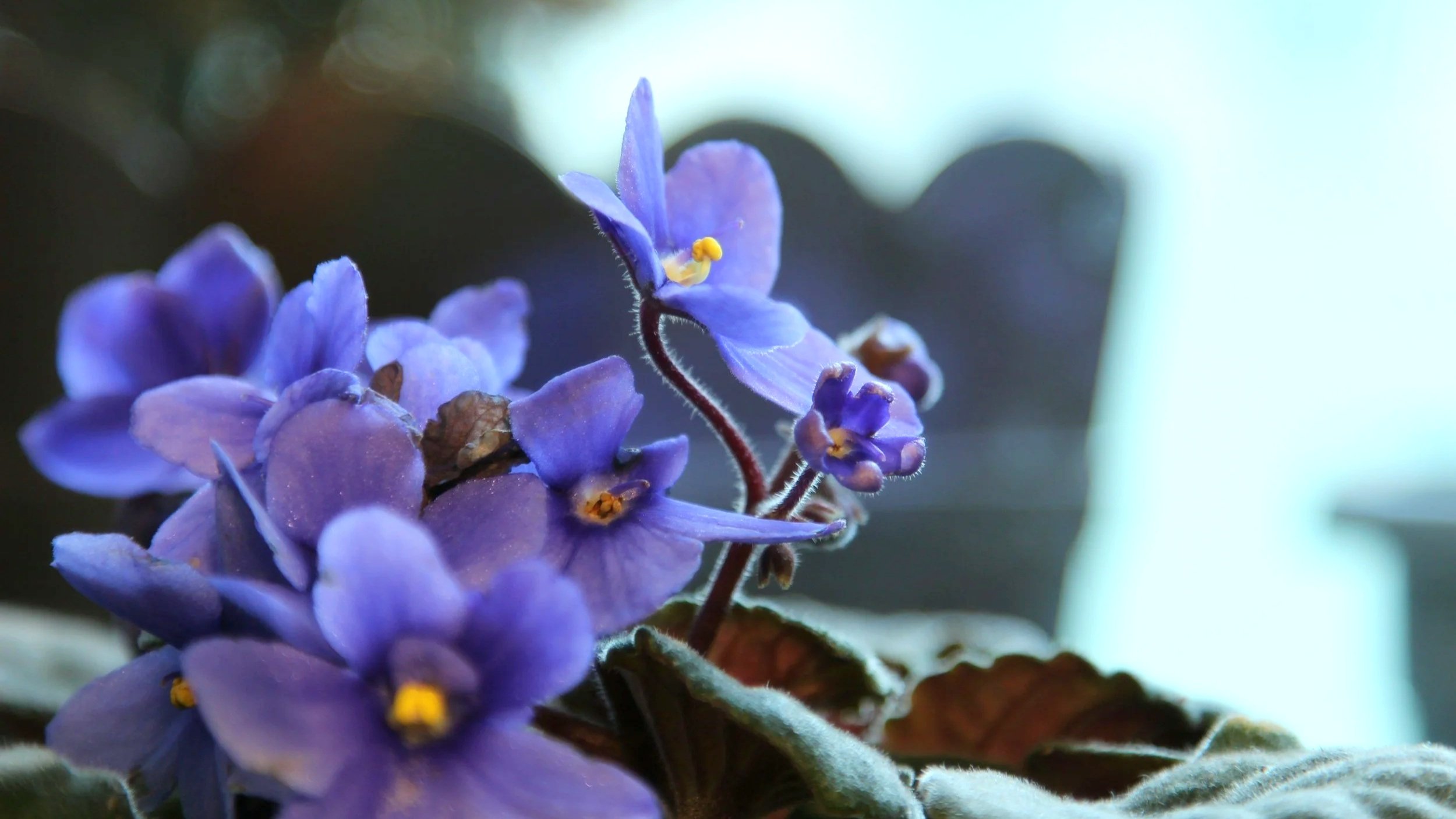
These small, compact plants are famous for their rosette-style growth of thick, fuzzy, heart-shaped leaves. They also have clusters of vibrant, velvet-like flowers that rise from the plant’s center. While the traditional royal purple is the most famous African violet, these plants also come in white, pink, periwinkle, and bicolor.
How to Care for an African Violet
African violets are low-maintenance plants, but they don’t like having wet feet. This means that they don’t like having their roots (or feet) constantly soggy.
Give African violets bright, indirect light. A north- or east-facing window is usually perfect for them. These are also one of the few blooming plants that do well under artificial light.
Bottom water these plants by placing the pot in a saucer of water for about twenty minutes. This also prevents water from getting on their fuzzy leaves. Any water left on their leaves can cause brown spots or rot.
Why You’ll Love an African Violet
You’ll love African violets if you have a small space where you want a constant pop of cheerful color. African violets’ small size makes them perfect for windowsills, desks, or side tables where space is at a premium. Plus, they are one of the few houseplants that can bloom nearly year-round with the right light.
Angel Wing Begonia
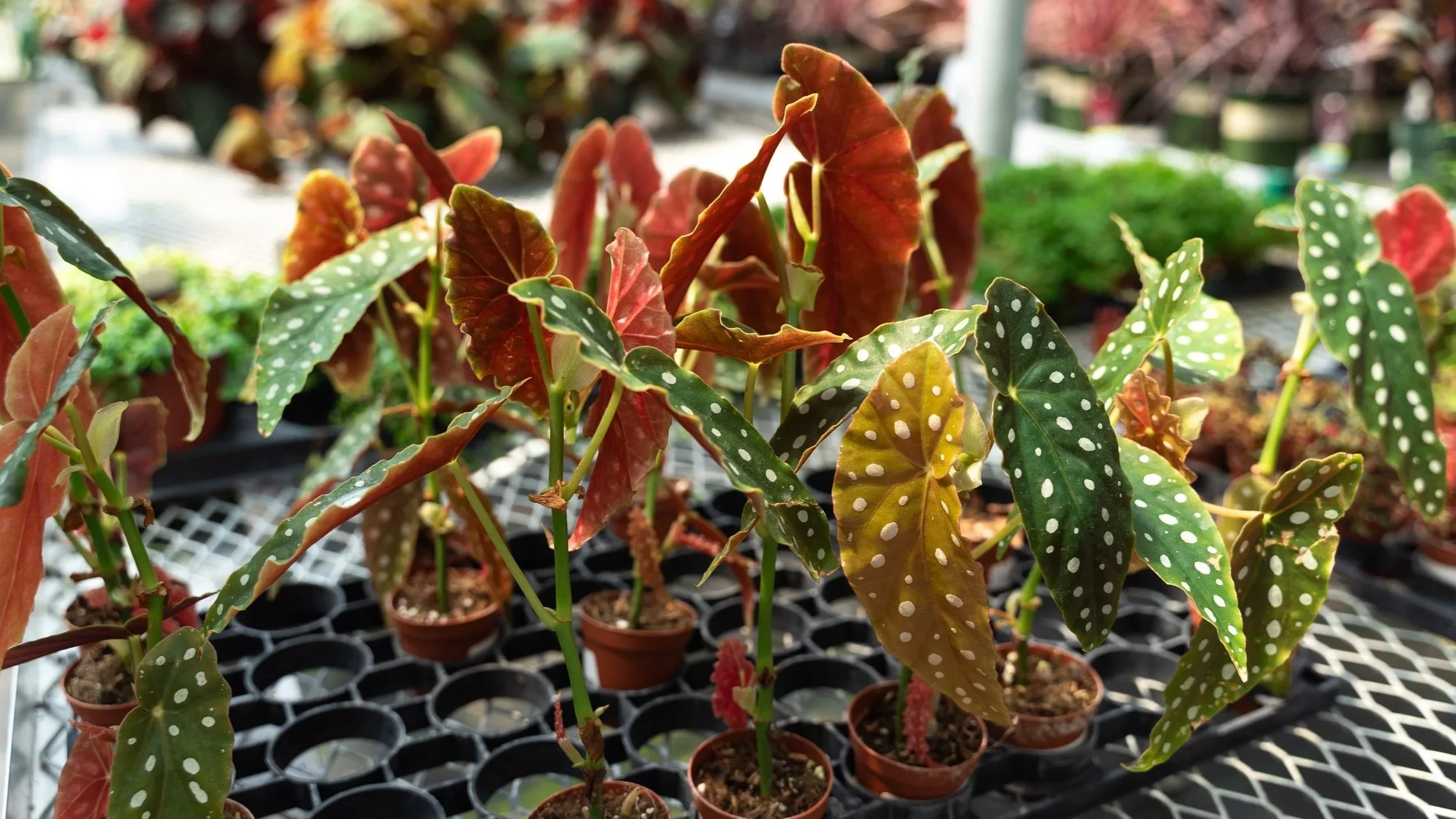
This stunning begonia is named for its large, asymmetrical leaves that resemble the shape of an angel’s wing. The foliage is often a deep, forest-green sprinkled with delicate white spots on top of each leaf. The leaves’ undersides often feature a striking deep red or burgundy tint. Their stems look like canes, so the plant is great for giving vertical height to spaces. Also, Angel Wing begonias will periodically grow clusters of delicate, pink flowers.
How to Care for an Angel Wing Begonia
Place your Angel Wing begonia in a spot with bright, filtered light to encourage blooming. While they can handle some morning sun, the afternoon rays of upstate South Carolina can be a little too intense for them.
An Angel Wing begonia prefers a well-draining potting mix. Water the plant when the surface of the soil feels dry. Don’t be afraid to prune this prolific and low-maintenance houseplant.
Why You’ll Love an Angel Wing Begonia
Angel Wing begonias look unique and are easy-to-care-for. Further, they are easy to propagate. Simply pop off a part of one of the canes, plant the cane in soil, water it, and wait. You’ll have another Angel Wing begonia in no time.
If you want a beginner-level houseplant or want a plant that will keep giving and giving, then an Angel Wing begonia is for you.
Boston Fern
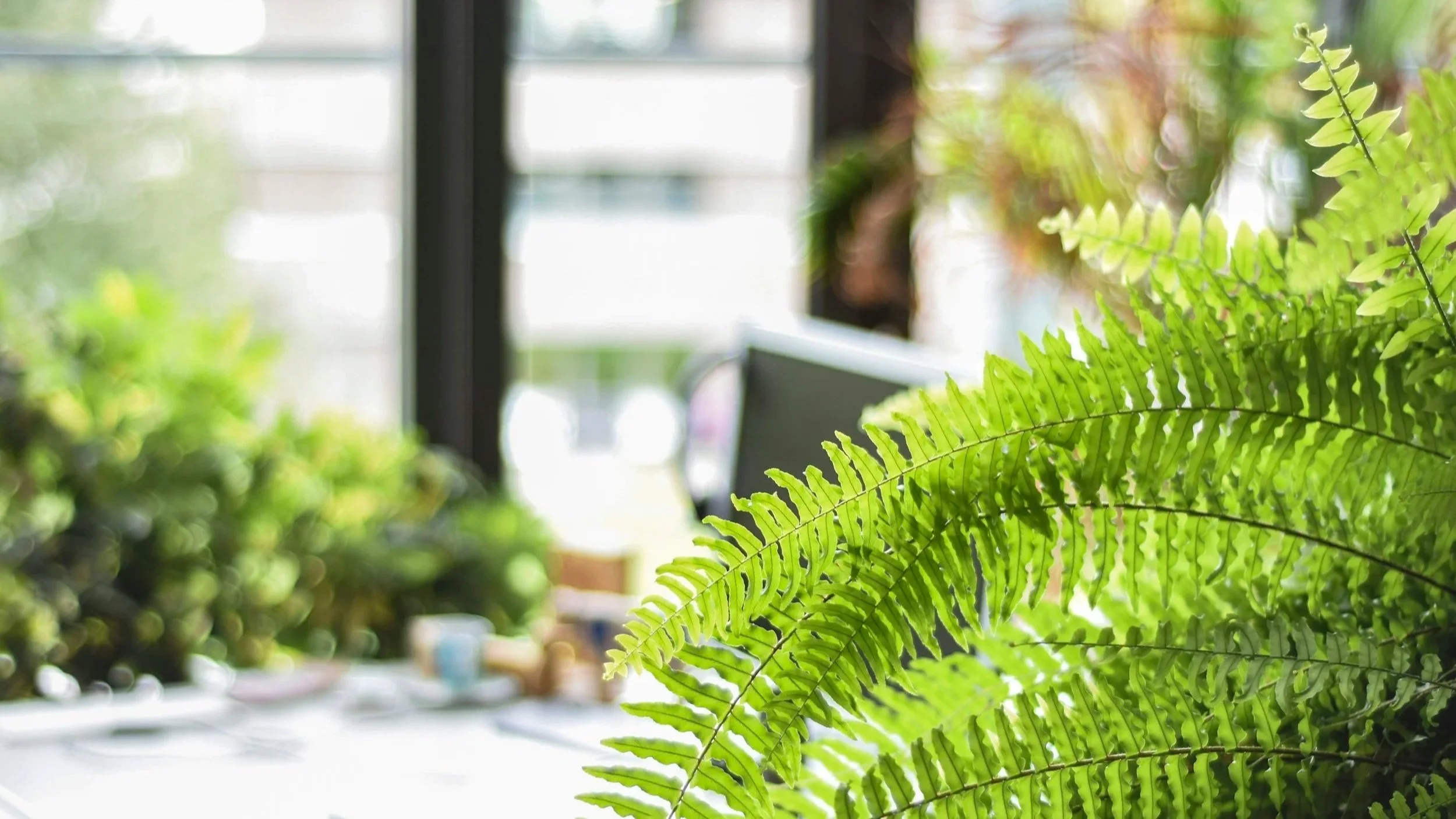
The Boston fern is the epitome of lush, woodland elegance, and it’s a classic Southern houseplant. Boston ferns have long, sword-shaped fronds that are composed of many tiny "pinnae" or leaflets. These fronds arch gracefully from the center of the plant, which creates a fountain-like effect of soft, feathery greenery.
How to Care for a Boston Fern
Boston ferns love humidity. For South Carolina homes in the summer, Boston ferns are happy on a shaded porch. When grown indoors, they need bright, filtered light and soil that remains consistently moist but not soggy. If the air in your home is dry (especially during the winter when the heater is running), then consider misting the fronds or using a pebble tray to increase moisture around the plant.
Why You’ll Love a Boston Fern
Nothing says "Southern charm" quite like a lush fern. Boston ferns are excellent for hanging baskets or tall pedestals, which allow their fronds to spill over the sides for a soft, elegant look. They are also non-toxic plants to cats and dogs, which makes them a safe choice for pet owners.
Frosty Fern
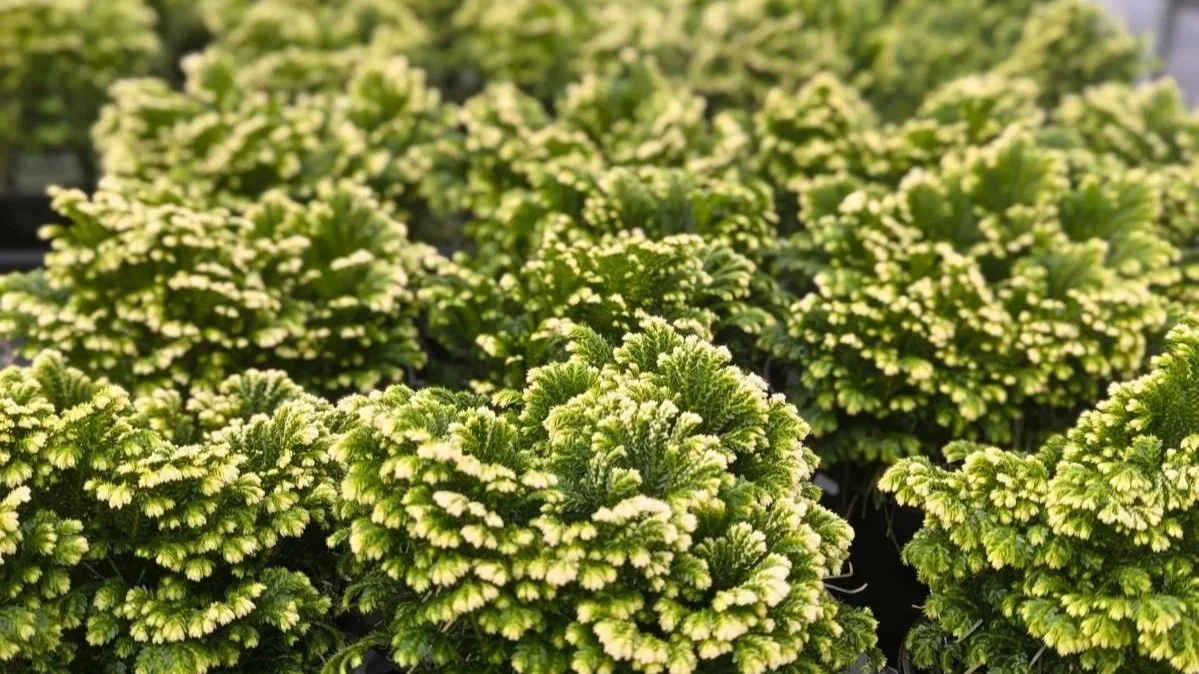
The frosty fern is one of the most beautiful and unique houseplants you can get. Frosty ferns grow in low, mounding clumps and have lacy foliage. Their distinct creamy-white tips on new growth contrast strikingly against the dark green bases of each branch. It almost looks like the plant has been dusted with a light South Carolina frost.
How to Care for a Frosty Fern
The frosty fern does best in high humidity, which makes it perfect as a plant for your bathroom. Frosty ferns also make for great terrarium plants and do well in glass cloches.
Give your frosty fern low to medium light and consistently damp soil. Frosty ferns tend to dry out their soil quickly, so keep an eye on your plant’s soil.
Why You’ll Love a Frosty Fern
The frosty fern’s unique appearance makes it a beautiful conversation piece, especially during the winter months. If you want a cute and short plant buddy for a humid space, then you’ll love a frosty fern.
Hoya
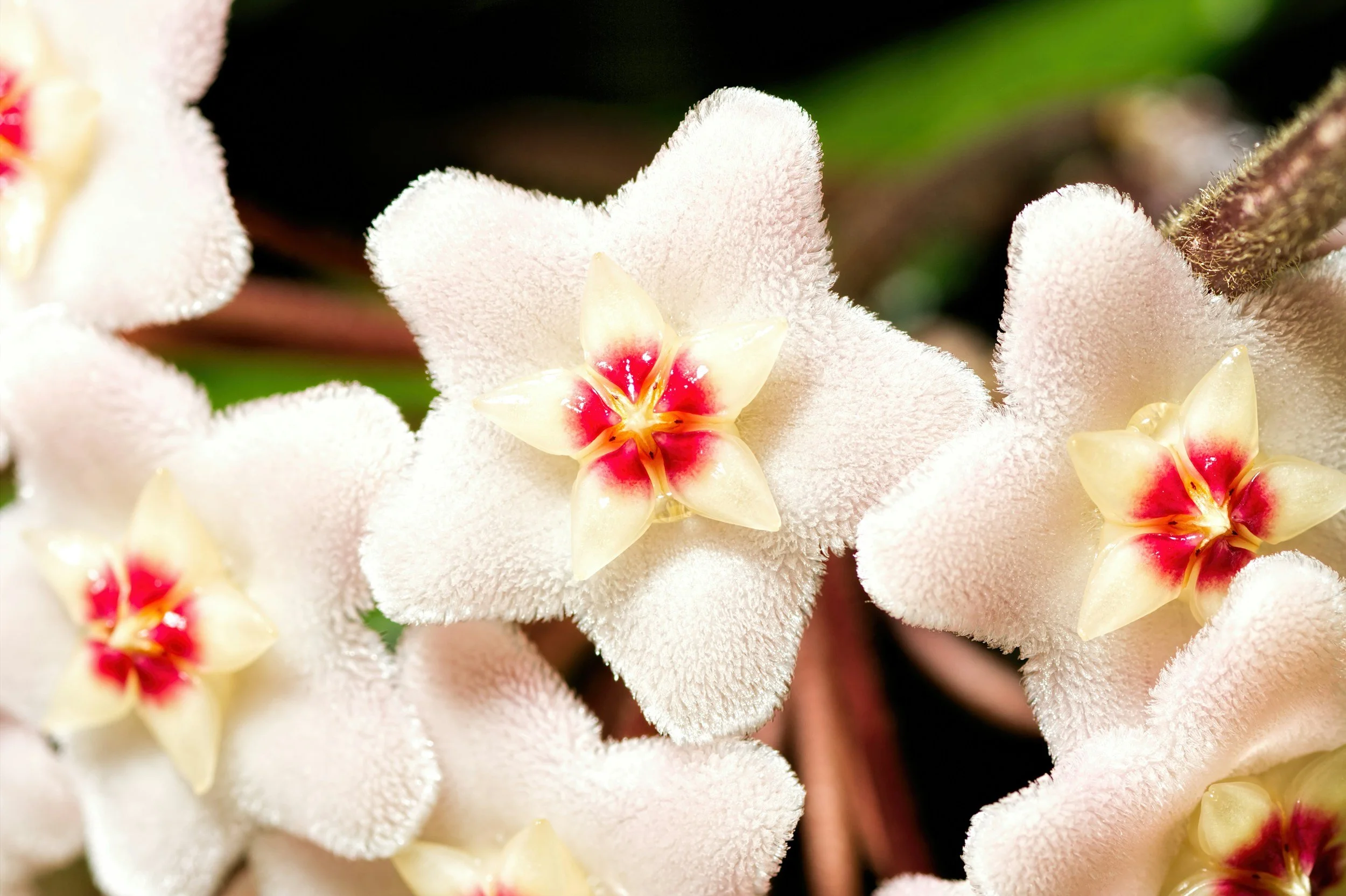
Hoyas are semi-woody vining plants and have thick, succulent-like waxy leaves. People prize them for their star-shaped flower clusters that look as though they were carved from porcelain or wax. These blooms are often highly fragrant, especially in the evening.
How to Care for a Hoya
Hoyas are low-maintenance plants that are fine with some neglect. This is because their thick leaves store water, which allows them to be very drought-tolerant. In fact, the biggest challenge to keeping a hoya is watering it too much! Check out our ultimate watering guide to help you avoid overwatering.
Give hoyas bright, indirect light as well as a well-draining soil mix, such as a succulent blend soil.
Why You’ll Love a Hoya
Hoyas are perfect for busy professionals, beginning gardeners, or for the person who just can’t seem to keep a houseplant alive. This is because hoyas can tolerate a lot of neglect as long as they have the right light and soil mix. Hoyas also look great trailing down a bookshelf or climbing up a small trellis.
We can see why hoyas are some of the most trending plants on social media!
Money Tree
The money tree is native to Central and South America. Since these plants thrive in wetlands, they are perfect plants for South Carolina’s climate.
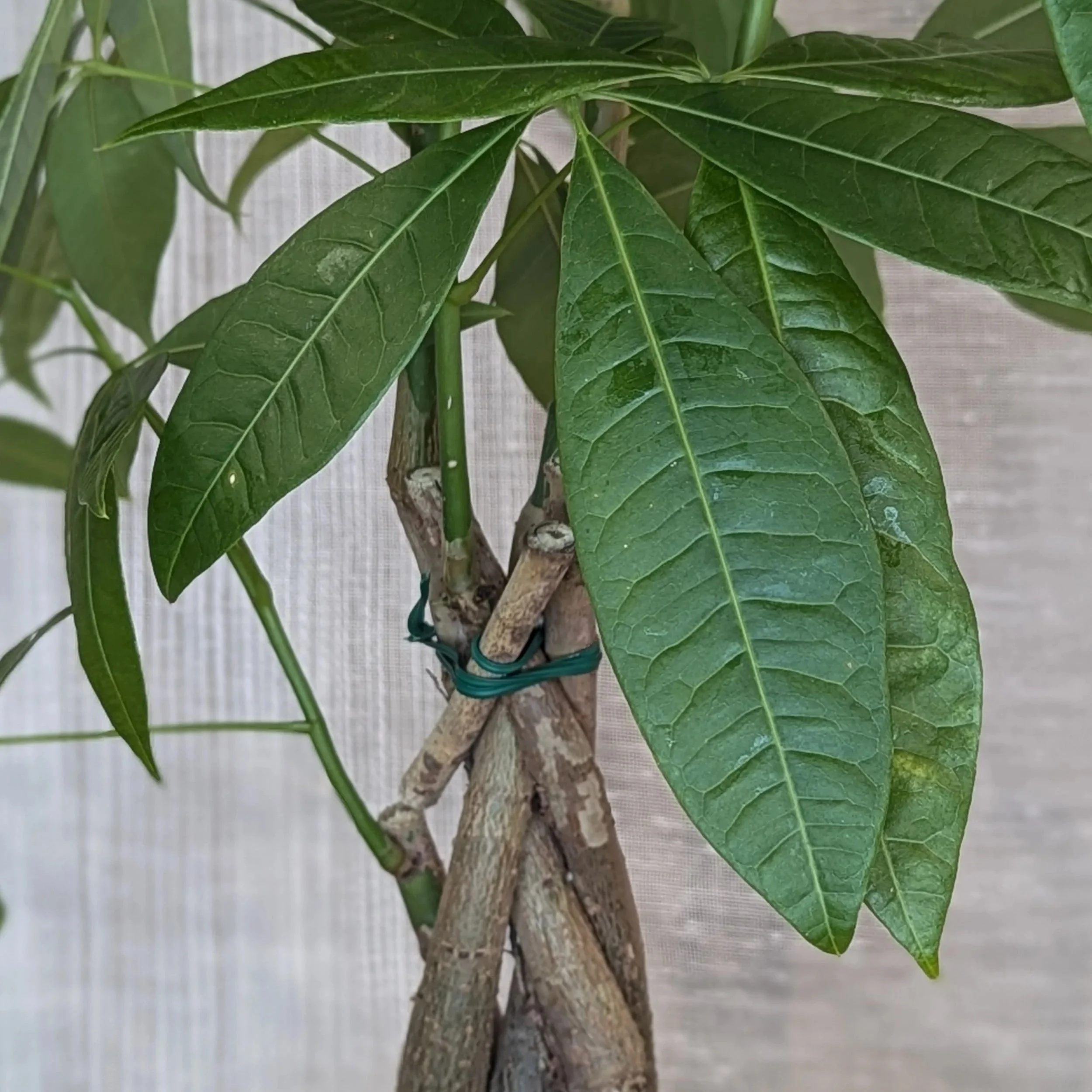
A money tree often has a trunk made of multiple stems braided together by growers while the stems are young and flexible. The money tree’s leaves look like palm leaves and are a vibrant, glossy green.
In Feng Shui, money trees are believed to bring good luck and positive energy to a home, and who doesn’t need some good luck and positive energy these days?
How to Care for a Money Tree
Give money trees bright, indirect sunlight. Too much direct sun can scorch the leaves, but too little sun can lead to the branches looking stretched and leggy.
Water your money tree deeply until the soil is fully saturated (excess water should drain out of the pot’s drainage holes). Then, allow the top two inches of soil to dry completely before watering again.
Why You’ll Love a Money Tree
If you want a statement piece that provides height without taking up too much floor space, then the money tree is for you. Its unique braided trunk adds instant architectural interest to a living room or foyer, and it’s extremely resilient and is a low-maintenance houseplant.
Visit Head-Lee Nursery for the Healthiest Houseplants
Whether you are a seasoned "green thumb" or just starting your journey with houseplants, we are here to help. At Head-Lee Nursery in Seneca, we pride ourselves on providing the healthiest plants and the friendliest guidance in upstate South Carolina.
Stop by our South Carolina garden center to see our selection of tropicals and houseplants. You can also give us a call at (864) 882-3663 if you have questions about plant care or about which plant is the best fit for your home. We look forward to seeing you soon!