Outdoor Plant Fertilization Guide for South Carolina Gardeners
Set your garden up for success by learning about the different types of fertilizer and how to use fertilizer. Choosing the right fertilizer is a key ingredient in supporting healthy plant growth. Here is a guide to help you choose the best fertilizer for your plants and what fertilizer works well for South Carolina trees, shrubs, and flowers.
Why Do Plants Need Fertilizer?
Growing healthy plants is a lot like creating a balanced meal–you want to make sure they have all the right nutrients to grow big and strong. The right fertilizer can make all the difference for fixing common plant problems like stunted growth and yellowing leaves. While the needs of various plants overlap, each one is different. So, choose the right fertilizer to cater to your plant’s needs.
What is Fertilizer?
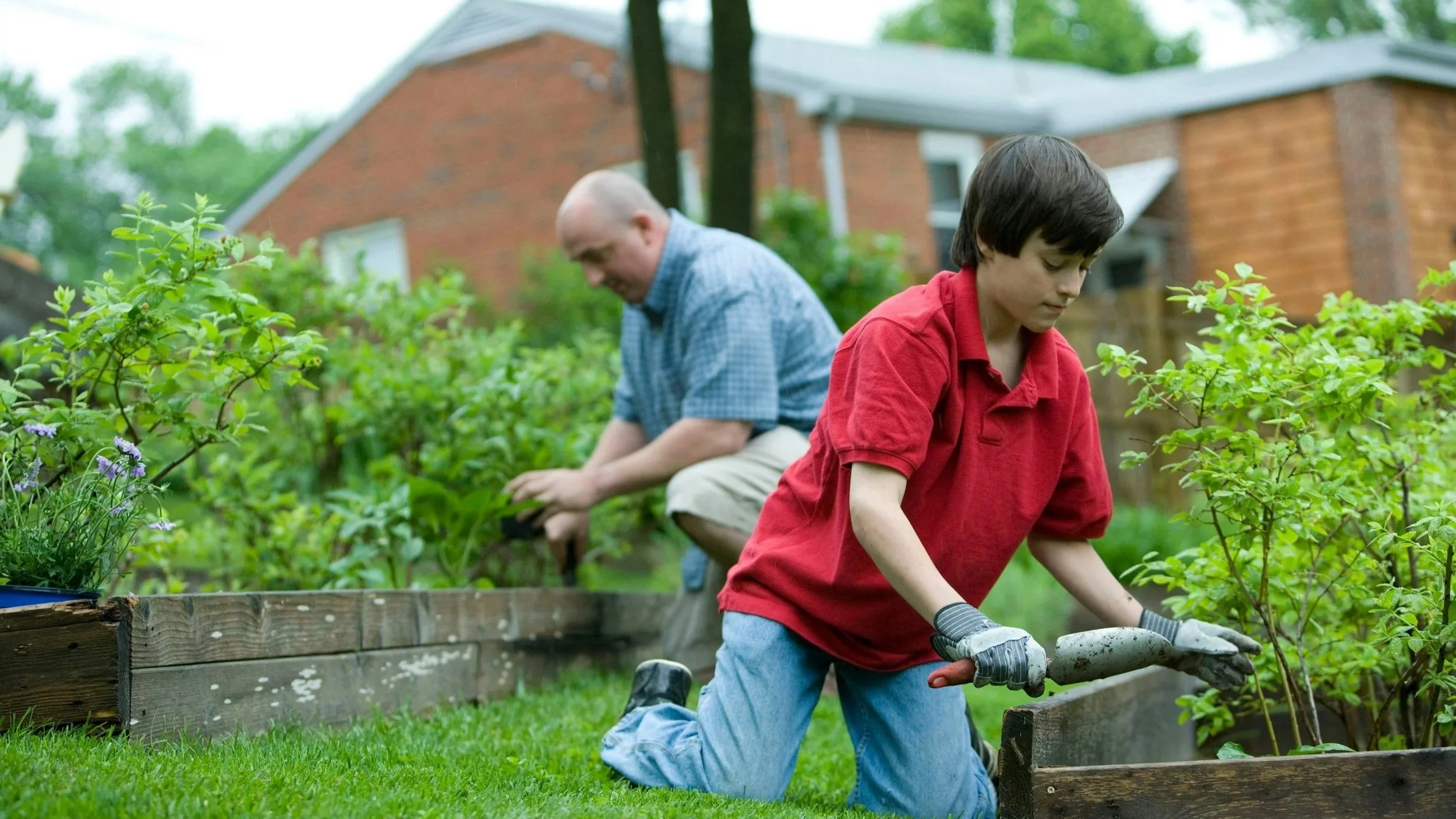
Fertilizer is a common soil additive that consists of concentrated nutrients required for plant growth. Plants typically require 16 to 17 elements for healthy growth. The elements plants take from water and air consists of hydrogen, oxygen, and carbon, while everything else is taken from the soil.
Fertilizers contain the big three nutrient blends your plants need: nitrogen, phosphorous, and potassium. Other important, secondary nutrients include calcium, sulfur, magnesium, and more for a well-rounded plant diet. All fertilizers have different nutrient mixes and nutrient ratios. Here are some of the most common types.
Types of Fertilizer
Natural and Synthetic
Choosing a natural or synthetic fertilizer is the first thing you should consider when picking the right fertilizer for your garden. Knowing the difference will reap the biggest benefits for your South Carolina garden, so here are the main things to know.
Natural fertilizers are made from raw plant and animal sources like manure, bone and blood meal, and seed meals. Natural fertilizers are beneficial as their organic compounds improve overall soil structure and create nutrient-rich environments for microorganisms.
Synthetic fertilizer can come as industrial byproducts, mined materials, and other non-living sources. Synthetic fertilizers typically contain a higher concentration of nutrients that are good for plants with immediate needs compared to natural fertilizers.
Slow- or Fast-Release Fertilizer
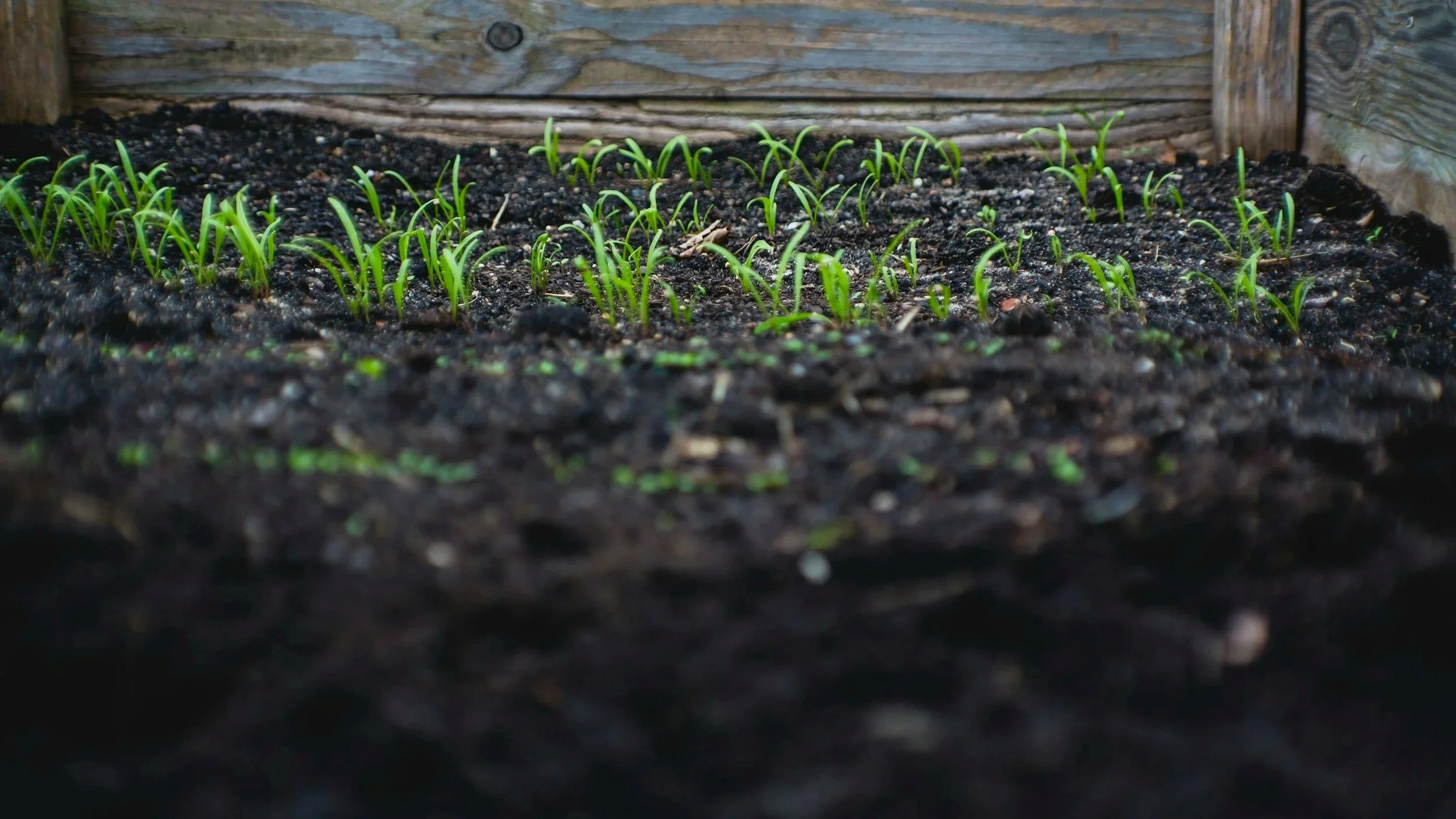
The difference between fast and slow-release fertilizer boils down to how “fast” or “slow” they release their nutrients. While slow-release fertilizers are not always natural fertilizers, they are usually made with organic materials that are broken down over time, whereas fast-acting fertilizers are typically made with synthetic, water soluble nitrogen. Releasing too many nutrients at once can shock and burn your plants, yet not enough may hinder their growth.
Compost
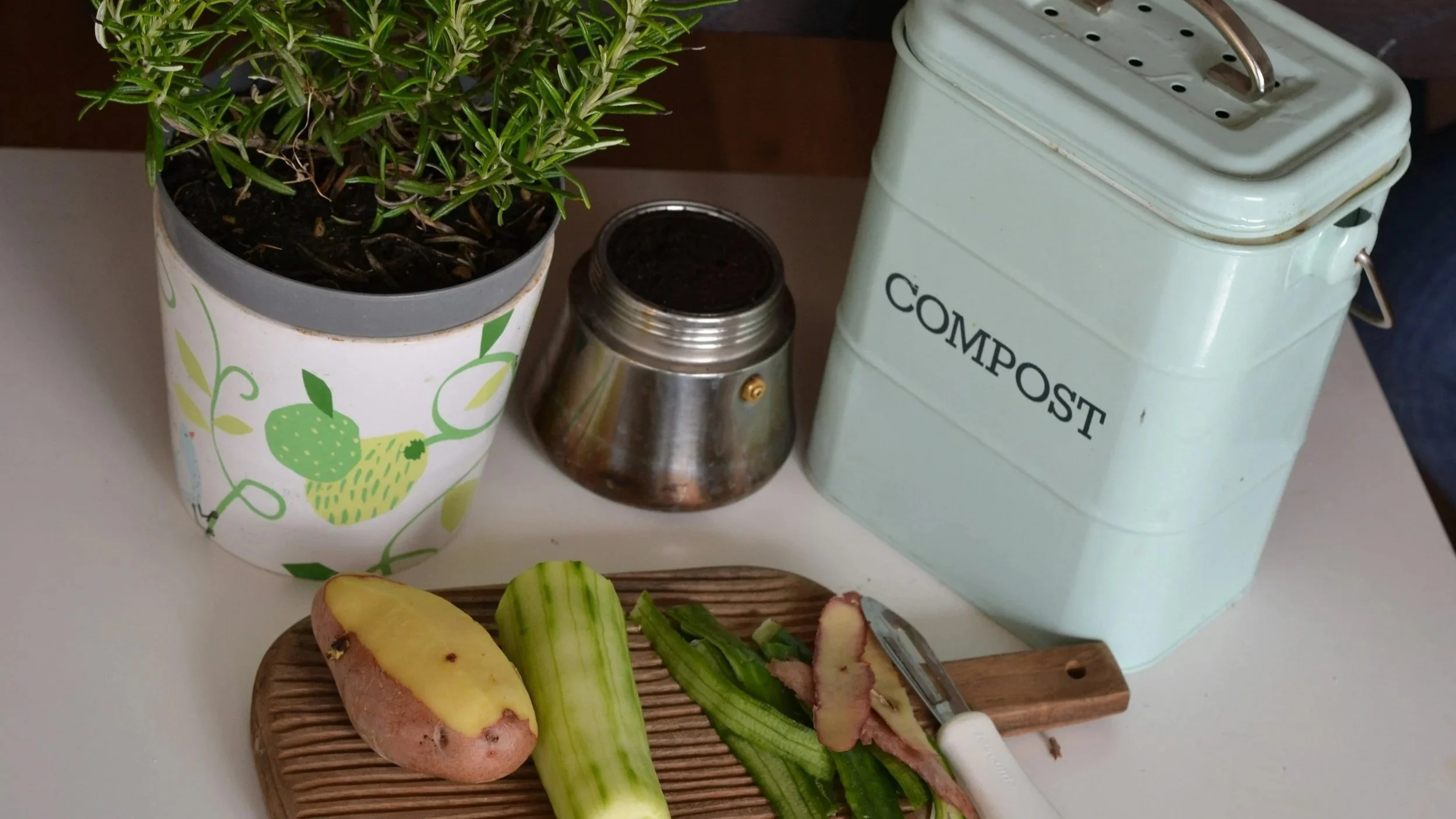
Your decomposing kitchen scraps make great food for your garden! This natural fertilizing method can reduce waste and save money on fertilizer. The downside is you may not be able to calculate exact nutrient densities with composting.
Liquid Fertilizers
Liquid fertilizers are fast-acting options as they dissolve partially or entirely in water depending on the brand, thereby giving your plants what they need quickly. The main downside to liquid fertilizers is that the salt content can dry out plants that are not watered enough. So, avoid using liquid fertilizers on hot, dry days if you don’t have sufficient irrigation.
Pelletized Minerals
Pelletized minerals are natural and slow-releasing additives that can be perfect for gradual outdoor plant growth. Two compatible types for South Carolina gardens are pelletized gypsum and pelletized dolomitic limestone. Pelletized gypsum is a natural, fast-acting additive that is great for gardening in South Carolina as it does not change the pH of your soil, thus making it a fantastic choice for the natural environment.
Another pelletized minerals option–specifically for hardy plants like trees and shrubs–is pelletized dolomitic limestone (also known as “lime”). This adds essential nutrients, such as calcium and magnesium, while neutralizing acidic soils and maintaining desired pH levels. Pelletized dolomitic limestone is another natural product that blends perfectly with South Carolina soil. See our chart below for guidance on fertilizer measurements.
When To Avoid Using Fertilizer
If an area has been prepared using a good soil conditioner (also called “soil amendment”), do not use any additional fertilizer for at least 4 to 6 weeks, because soil conditioner has all the essential nutrients to give the plant a good start.
How to Apply Fertilizer
When applying your gypsum, lime, or 16-4-8 slow-release fertilizer, spread the fertilizer evenly on the ground across a certain number of square feet (see the chart below). Never let the nutrients come in contact with the main stem or trunk of the plant as direct contact can burn your plant.
Use the chart below to determine how much fertilizer to give your plant.
| Plant Size | 16-4-8 Slow-Release (SR) | Gypsum | Dolomitic Lime | Per Sq Ft.* |
|---|---|---|---|---|
|
16” to 22” high
|
⅓ cup
|
⅔ cup
|
¼ cup | 10 sq. ft |
| 22’ to 30’ high | ⅔ cup | 1 ½ cup | ⅓ cup | 20 sq. ft |
| 1’ Caliper* | 1 cup | 2 cups | ½ cup | 30 sq. ft |
| 2’ Caliper | 1 ½ cup | 3 cups | ¾ cup | 40 sq. ft. |
| 3’ Caliper | 3 cups | 6 cups | 1 ½ cup | 100 sq. ft |
| 4’ Caliper | 4 cups | 8 cups | 2 cups | 150 sq. ft |
What Type of Fertilizer Should You Use
One way to ensure you’re getting the right nutrients for your plants is to test your soil. A soil testing kit will reveal your soil’s nutrient balance and show you what nutrients may be lacking. Once you have the test results, compare these results to the nutrient quantities of different fertilizers to create a nutrient combination that is best for your garden. If you’re not sure what exactly each plant needs, we’re always happy to consult with you over the phone at (864)-882-3663 or in person at our South Carolina nursery.
When to Fertilize in South Carolina
For fertilizing outdoor plants, the best time to fertilize is when your plants are out of their dormant periods, which is usually during springtime and early summer. Before the end of fall, give your plants a reduced dose of fertilizer to help your plants overwinter. Keep in mind that each plant has its quirks that may require fertilizing later on in the growth process, so it’s always important to research your specific plant’s needs.
How to Fertilize Your Lawn in South Carolina
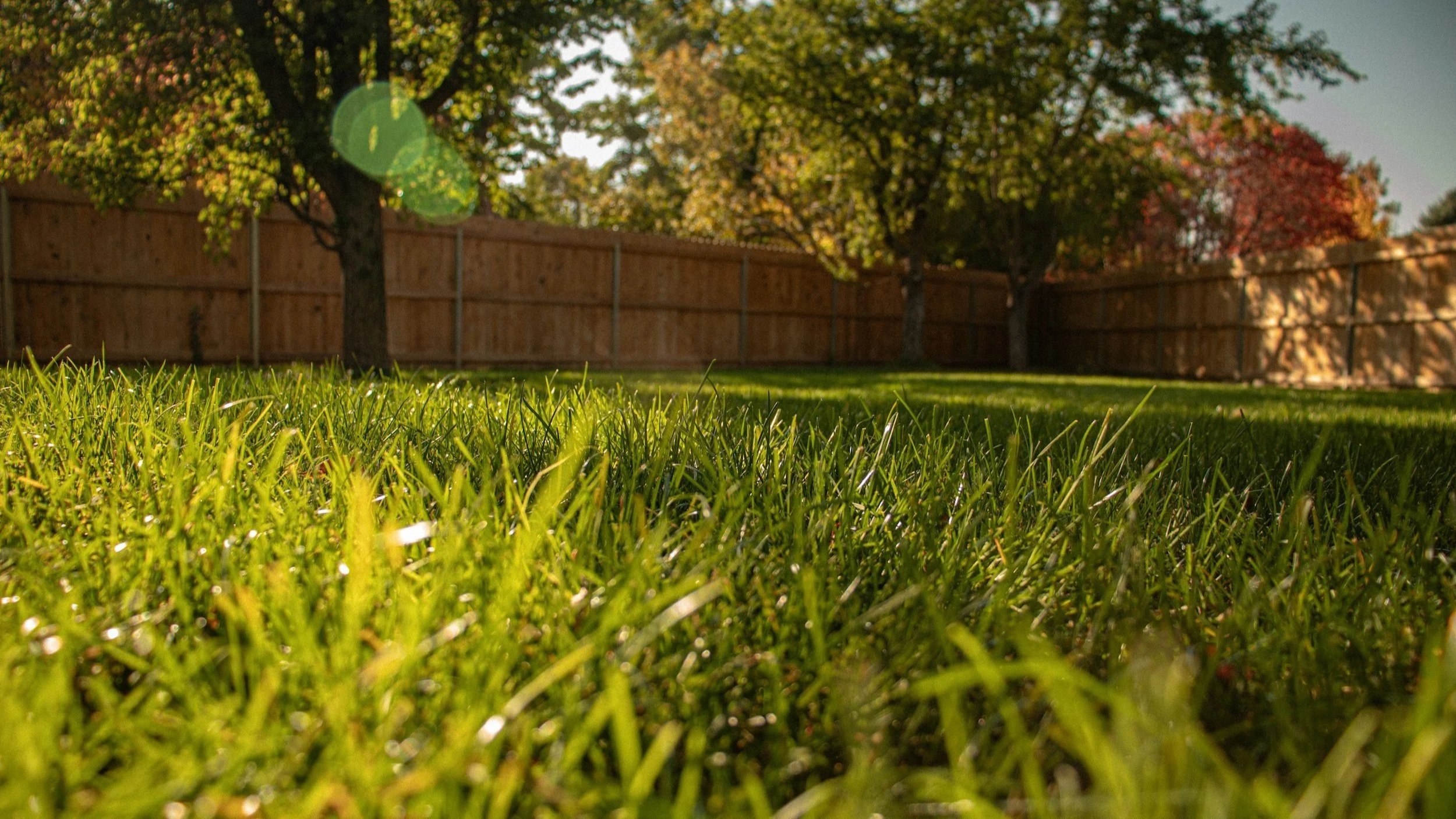
Most South Carolina lawns use warm season grasses like centipedegrass, bermudagrass, or zoysia. Fertilize these lawn types in the warmer seasons with fertilizers high in nitrogen. The best season for plant growth is during late spring when temperatures are high, but not too high. Warm season turf grasses begin to grow once the weather creeps up to 70°F and higher, thereby making the best time to add your fertilizer around April to May in South Carolina.
Amend your soil with fertilizers that contain a proper amount of nitrogen so your grass grows strong and sturdy. Each type of grass is different, so research the needs of your specific grass.
What South Carolina Plants Need Fertilizer?
Plants that are within 2 to 3 years after being transplanted benefit the most from fertilization. Shrubs and trees that have been trimmed or may have undergone some type of stress might benefit from fertilization. Many native plants may require less fertilizer once they are established, particularly in areas where the soil is healthy or undisturbed.
Here’s a list of some of our favorite South Carolina flowers, trees, and shrubs that thrive when properly fertilized.
Shrubs
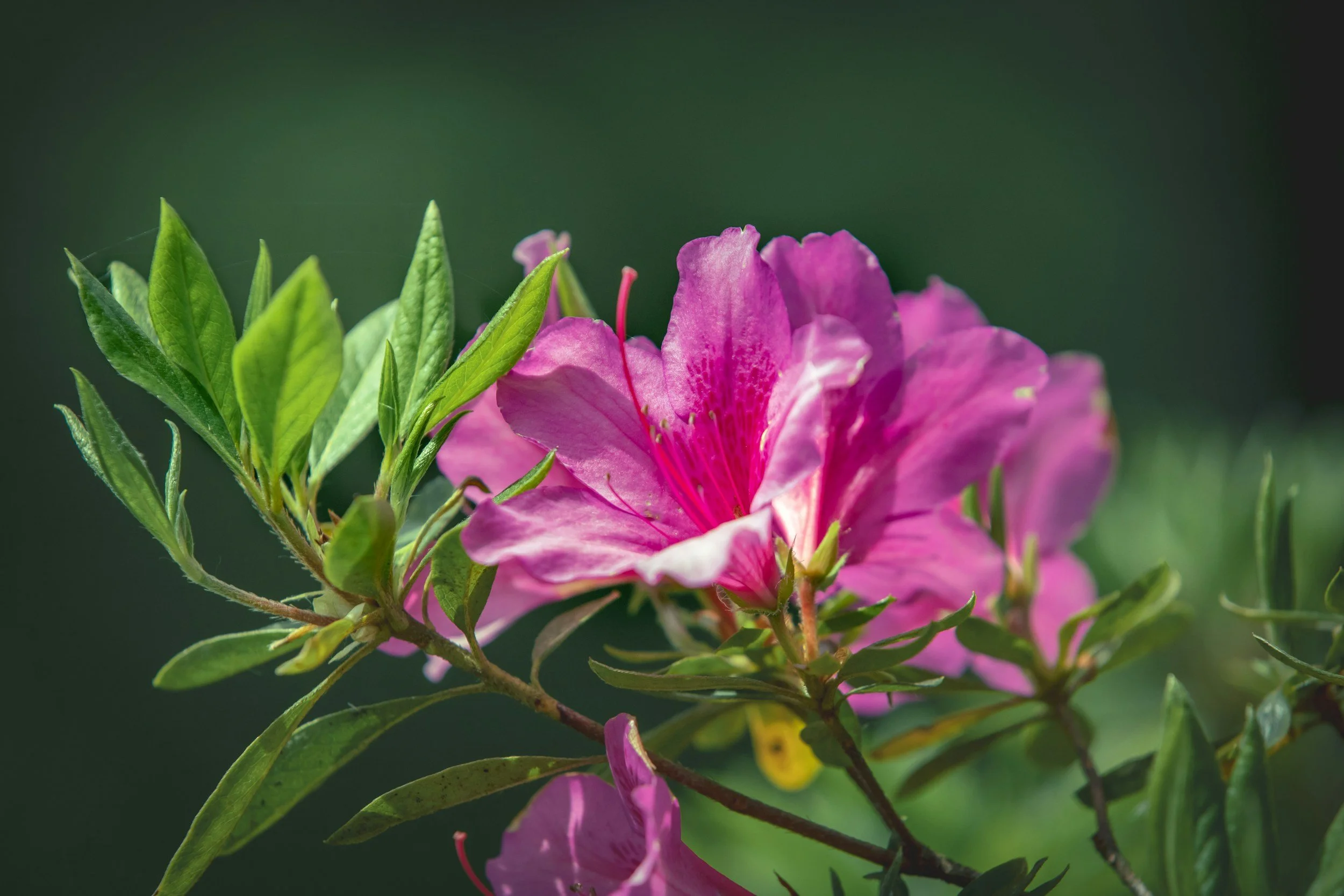
Fertilizers are good at aiding the growth of flowering and fruit bearing shrubs, such as:
Azalea
Blueberry
Fothergilla
Gardenia
Virginia sweetspire
Trees
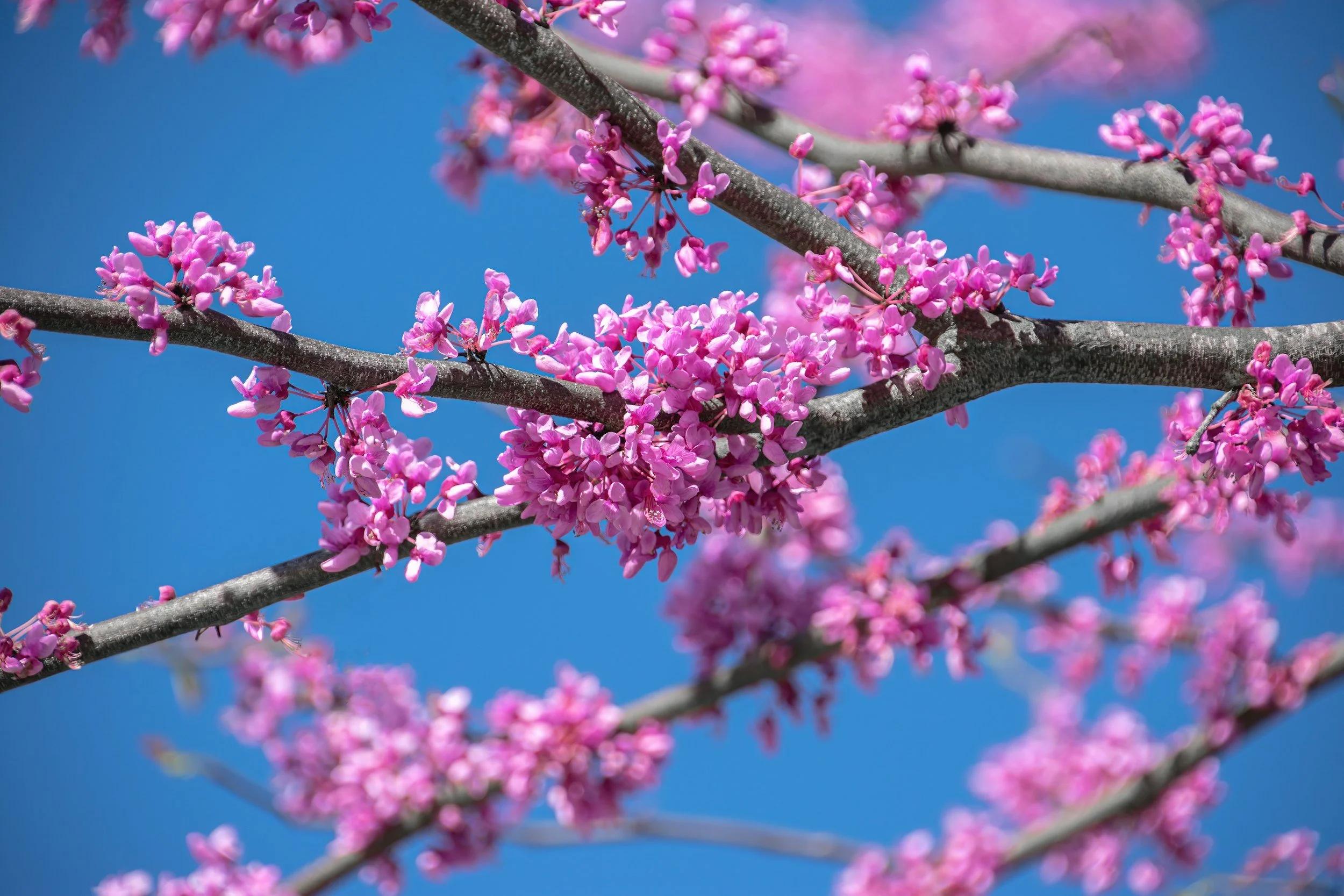
Like shrubs, many flowering and fruit trees love a good fertilizer.
Crape Myrtle
Flowering dogwood
Grancy greybeard
Redbud
River birch
Flowers
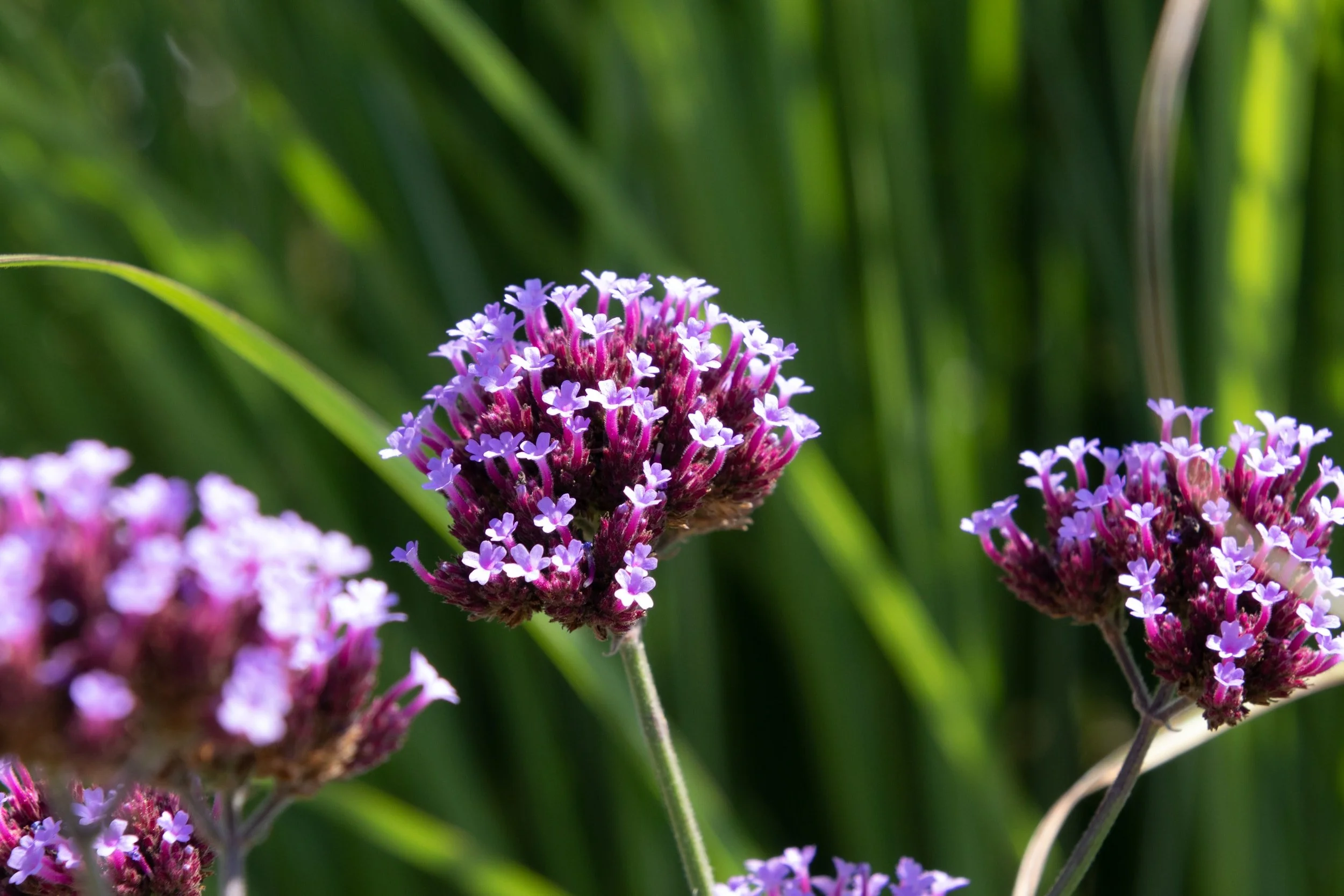
Most flowers–especially when transplanting and overwintering–can benefit from fertilizer. Here are a few of our favorites flowers for South Carolina gardens:
Cardinal flowers
Carolina jessamine
Pansies
Verbena
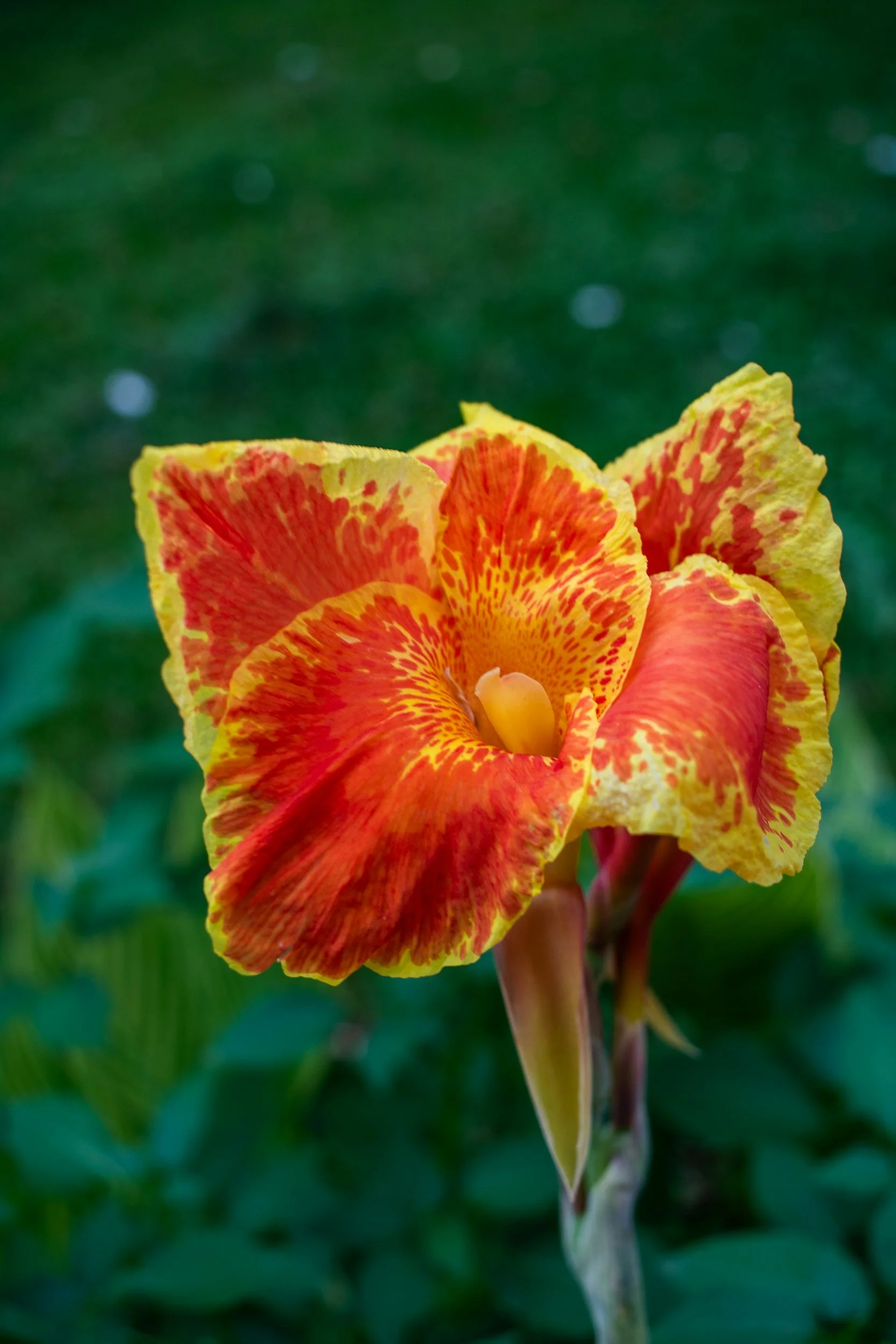
Yellow canna
Visit Head-Lee Nursery for Your Fertilizer Needs
Need guidance on fertilizing your plants or need fertilizer supplies? Visit Head-Lee Nursery! We have over 40 years of horticultural experience, and our friendly and knowledgeable staff at our Seneca garden center loves helping customers, whether you’re a gardening expert or a beginner. Stop by Head-Lee Nursery and let us help you find the perfect fertilizer for your plants.