Best Flowering Trees for South Carolina Gardens
Spring is a magical time for South Carolina gardeners. There are so many possibilities for planting, and people’s minds often wander to flowering trees. But what flowering trees are best for South Carolina gardens? What flowering trees should you avoid?
With over 50 years of horticultural experience, we know South Carolina gardening, and we want to help you find the best flowering tree for your home. So, here are four flowering trees you should plant in your upstate South Carolina garden and two flowering trees you should probably avoid.
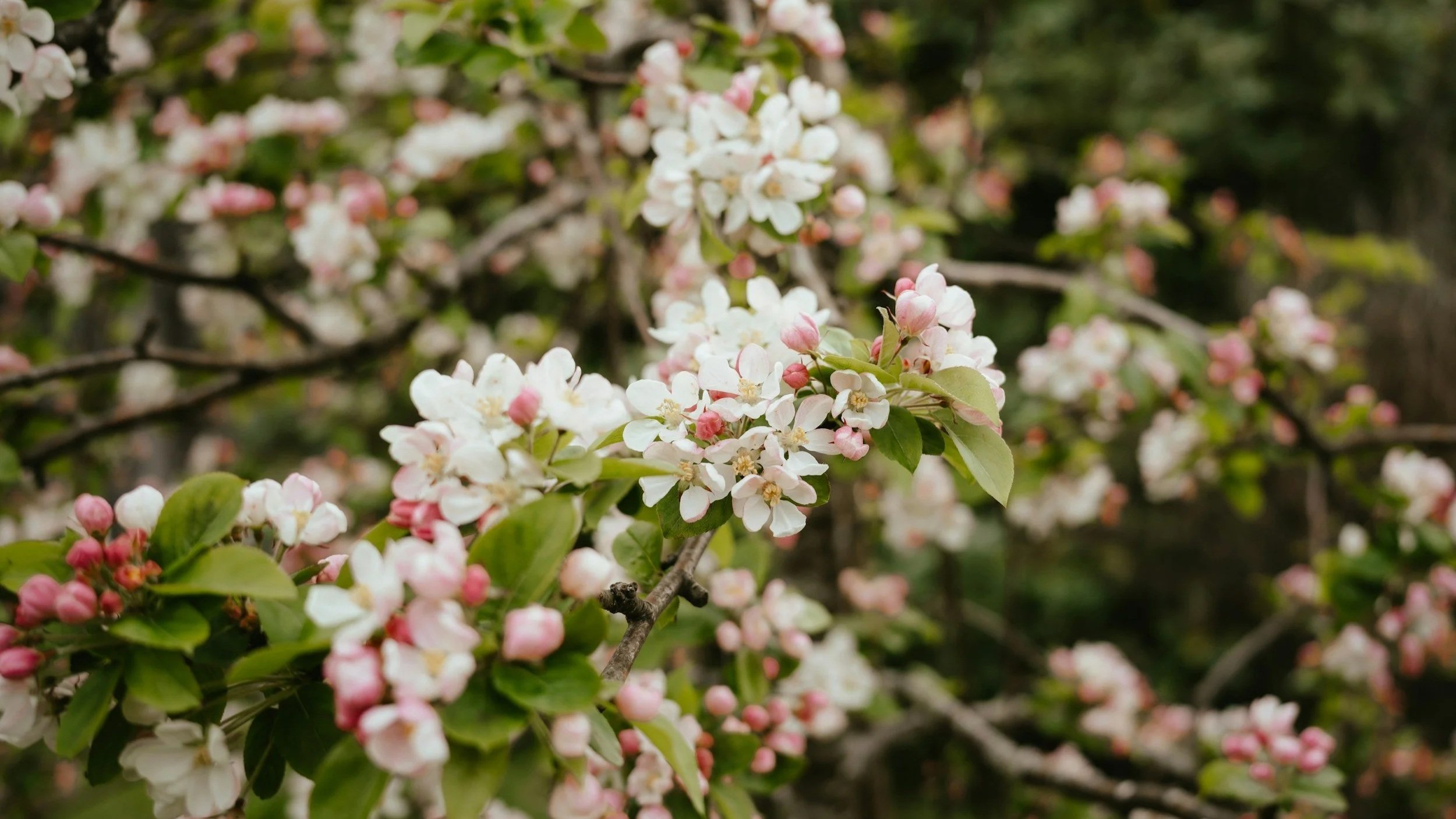
Best Flowering Trees
Tulip Magnolia
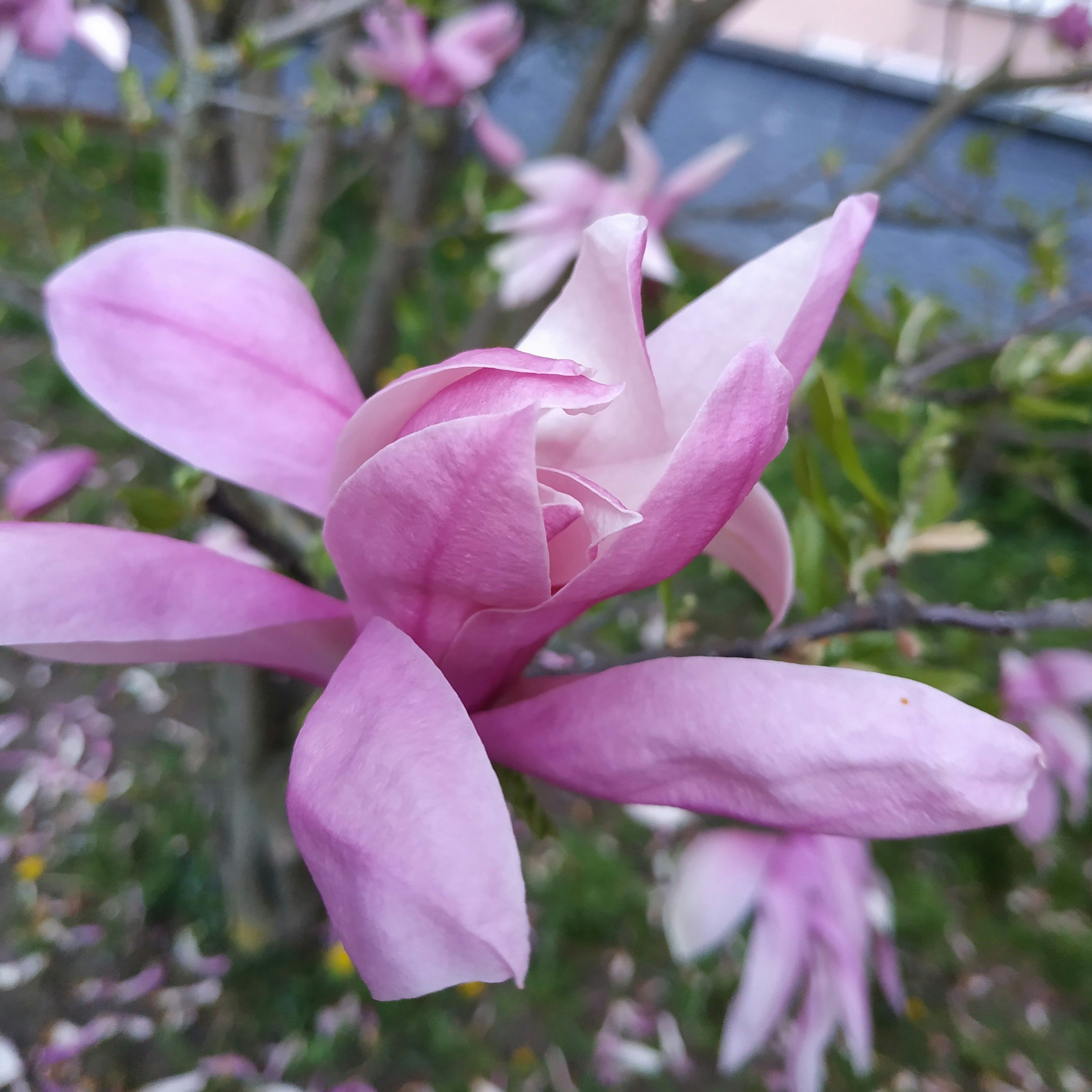
The Tulip Magnolia, or Saucer Magnolia, is a staple of spring in South Carolina. Before leaves appear, the tree is covered in cup-shaped blooms, which are usually white, pink, or purple flowers. The Tulip Magnolia grows to between fifteen and thirty feet tall depending on variety, which means that it can fit most landscapes without overwhelming the space. People love it for its elegance and fragrant blossoms.
How to Care for a Tulip Magnolia
Plant your Tulip Magnolia in full sun or partial shade, and ensure that it has room to spread its canopy as it grows. Give the tree moist, well-draining soil that is slightly acidic. Ensure that the tree is planted in a protected area so that an unexpected late frost has a lower likelihood of damaging the buds.
Why You’ll Love a Tulip Magnolia
You’ll love seeing the Tulip Magnolia’s flowers begin to bloom in late February and March. This tree is truly a garden showstopper because of its large flowers that make the tree look like it’s covered in flower-shaped balloons. The tree’s smooth, white bark also adds a unique element to any South Carolina garden space.
Fringe Tree
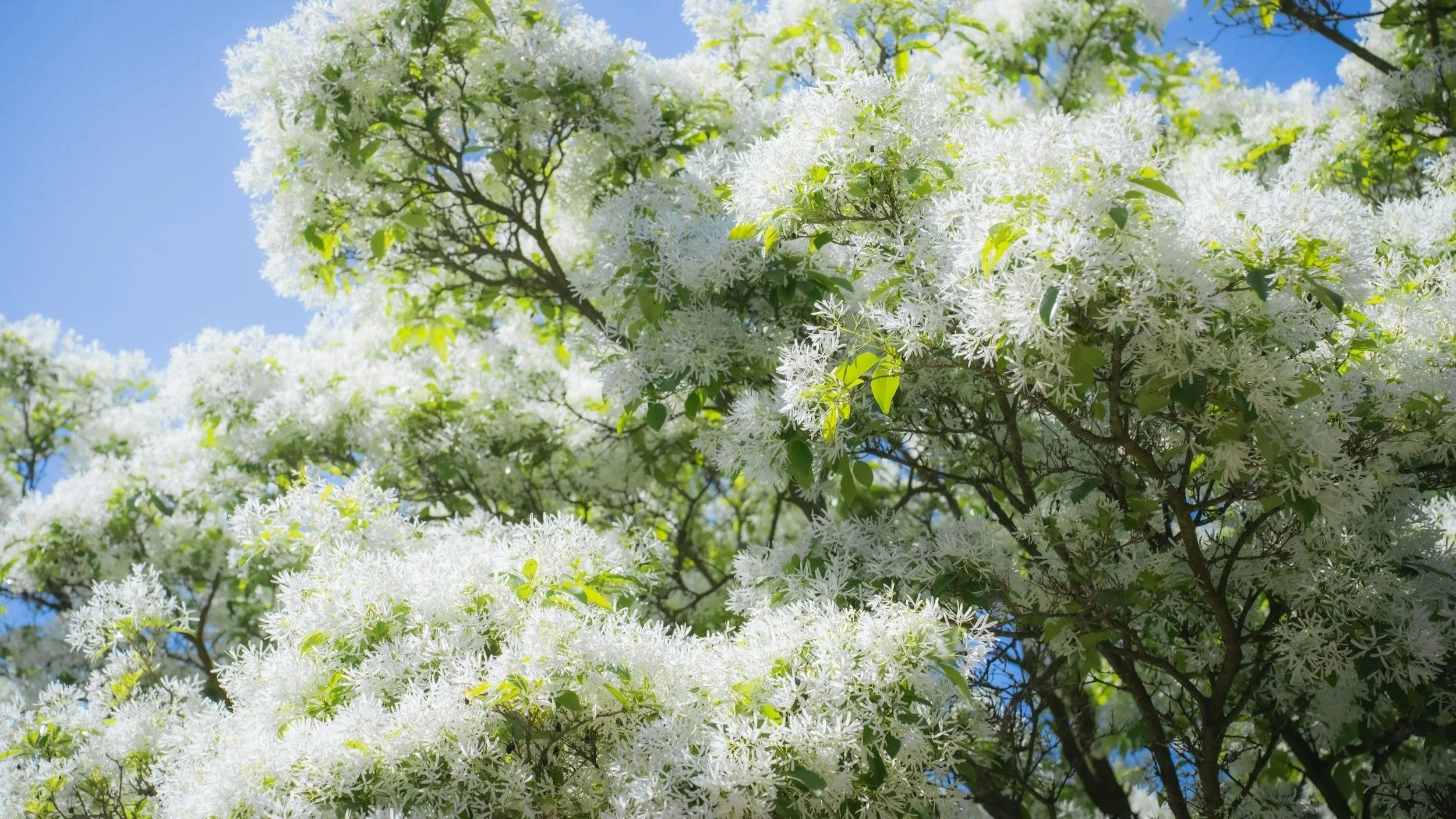
The Fringe Tree (Chionanthus virginicus) is a native tree to South Carolina, and it provides a unique look to any garden. In late spring, it produces clouds of white, fringe-like flowers (think 1970s jacket fringe mixed with delicate lace). This hardy tree handles South Carolina’s summer humidity well. Plus, it typically grows as a large shrub or small tree, which makes it ideal for small garden spaces.
The Chinese Fringe Tree (Chionanthus retusus) is also an excellent option. It is particularly well suited to exposed areas where many trees suffer.
How to Care for a Fringe Tree
Fringe trees are easy to care for once they are established. They prefer full sun or partial shade. While they can tolerate various types of soil (including clay), they thrive best in moist soil. The tree maintains a rounded shape, so very little pruning (if any) is needed.
Why You’ll Love a Fringe Tree
Beyond the beautiful white blooms, the Fringe Tree supports wildlife, including birds and pollinators. In fact, songbirds love to eat the fruits produced by these trees. You can also extend the bloom season of your garden with a Fringe Tree since it is one of the last trees to leaf out in the spring in South Carolina.
Japanese Snowbell
The Japanese Snowbell is a great choice for gardeners looking for something different. This tree features a horizontal branching pattern that displays bell-shaped, white flowers. The blooms hang downward and create a ceiling of white (or pink depending on the variety). Plus, this pest-resistant tree can live for more than forty years.
How to Care for a Japanese Snowbell
To keep your Japanese Snowbell tree healthy, provide consistent moisture and acidic, well-draining soil. Give it afternoon shade to prevent leaf scorching during the hottest parts of South Carolina’s summer. Also, mulch around the tree’s base to protect its roots from excessive heat.
Why You’ll Love a Japanese Snowbell
You’ll love the light and sweet fragrance of the Japanese Snowbell’s blossoms. People also enjoy how pest-resistant and low-maintenance this tree is. Plus, since the Japanese Snowbell stays fairly compact, it is great for small areas where you want beauty and greenery but may be dealing with structures that could get in the way of a tree’s vertical growth, such as overhanging roofs or power lines.
Eastern Redbud
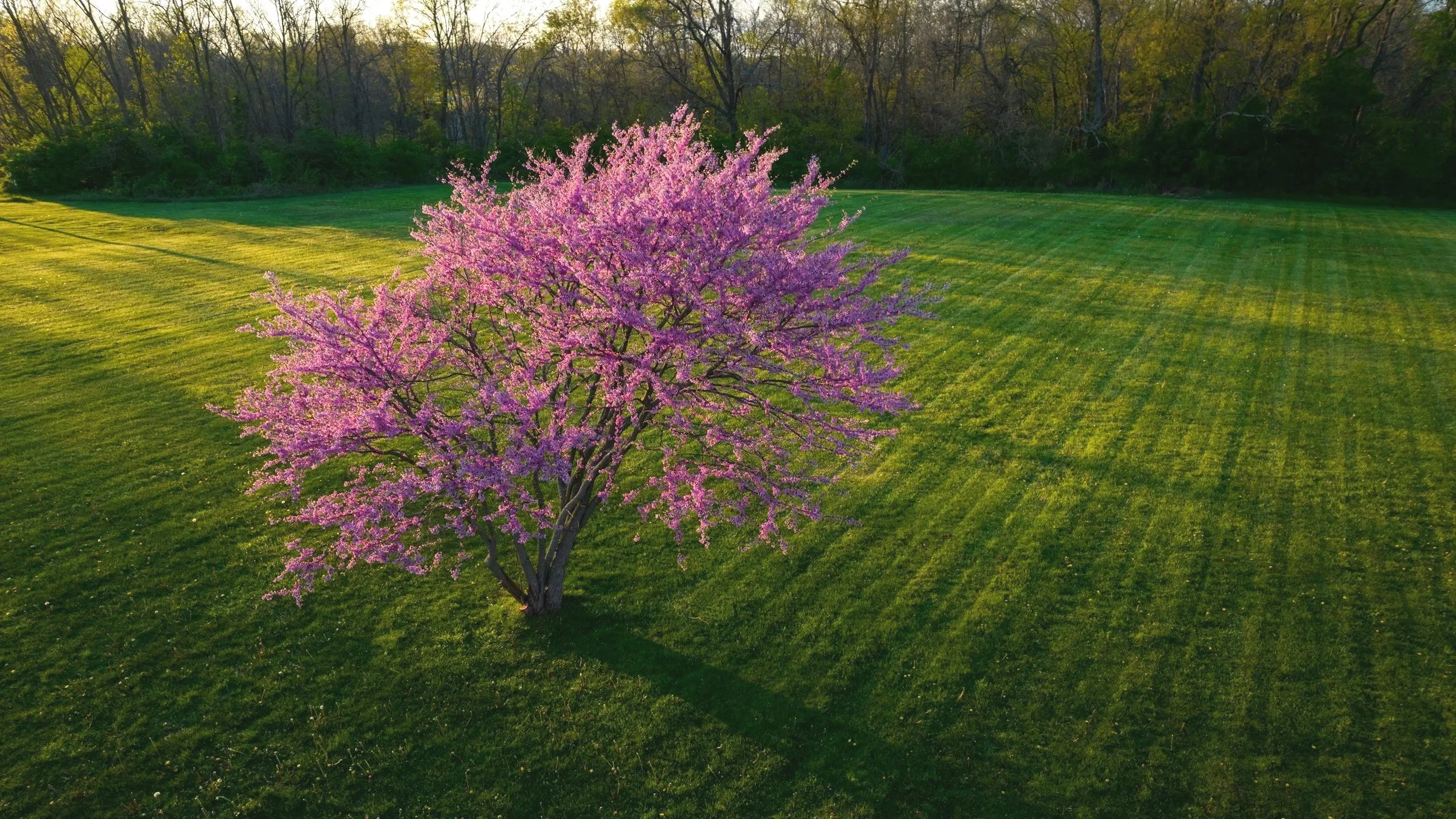
The Eastern redbud (“redbud”) is native to South Carolina and will bring vibrant color to your garden. In spring, its branches are covered by tiny pink or magenta flowers. As the flowers fade, they are replaced by heart-shaped leaves that create a lush canopy.
How to Care for an Eastern Redbud
Redbuds are adaptable and handle sun or shade, although they bloom the most when they receive full sun. They are not picky about soil pH but require ample drainage to prevent root rot. The redbud needs minimal pruning. Simply remove dead wood in the winter to encourage new growth and keep your tree looking healthy. The most concerning issue with Redbuds is the sensitivity to Ambrosia Beetle. Plant Redbuds in the fall to minimize stress and reduce the probability of an attack from this pest.
Why You’ll Love an Eastern Redbud
You’ll love how the flowers grow directly from the bark and trunk, and you’ll love the flowers’ vibrance and unique color. The heart-shaped foliage is also beloved among gardeners. This low-maintenance and fast-growing tree provides high impact for little effort.
Trees to Reconsider in South Carolina
We recommend avoiding these options due to climate and disease pressures in South Carolina.
Flowering Dogwood
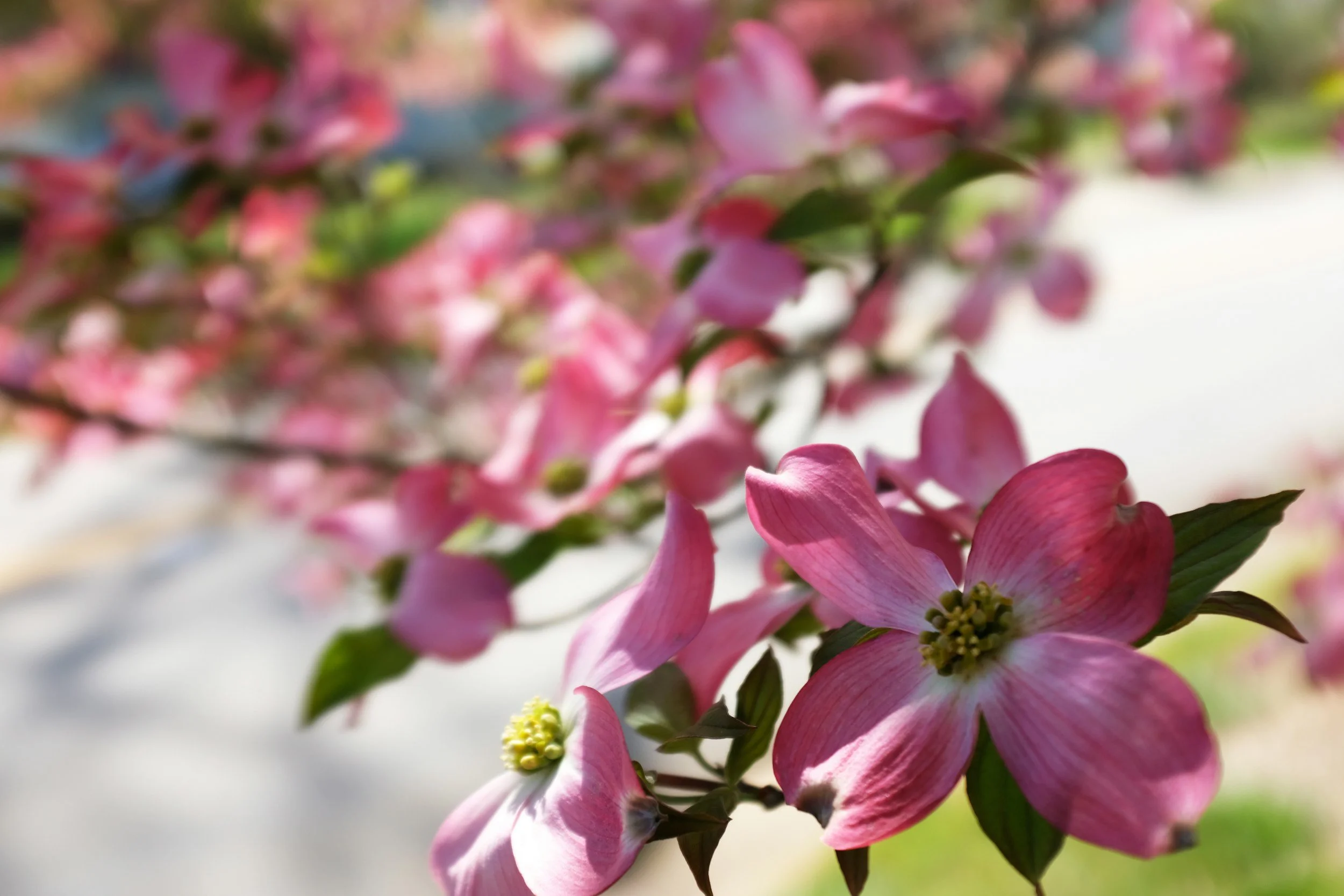
The Flowering Dogwood is a native tree, but it can be difficult to take care of in a home garden. These trees are susceptible to spot anthracnose and mildew, which can cause the foliage to look poorly by mid-summer. South Carolina’s summer heat can also cause leaf scorch. Root rot, Ambrosia beetle, and the dreaded Dogwood blight can be deadly to native Dogwoods.
If you plant a flowering dogwood in South Carolina, make sure to give it well-draining soil, a place with shade and protection from the wind, and consistent irrigation during the summer. Consider regularly treating it with fungicide to keep any fungus or mildew at bay and to keep the leaves from curling or turning gray. Ambrosia beetle and dogwood borers can be prevented with regular applications of insecticides such as permethrin.
While the flowering dogwood’s spring blooms are iconic, the stress of keeping this tree healthy often outweighs its beauty.
Ornamental Cherry
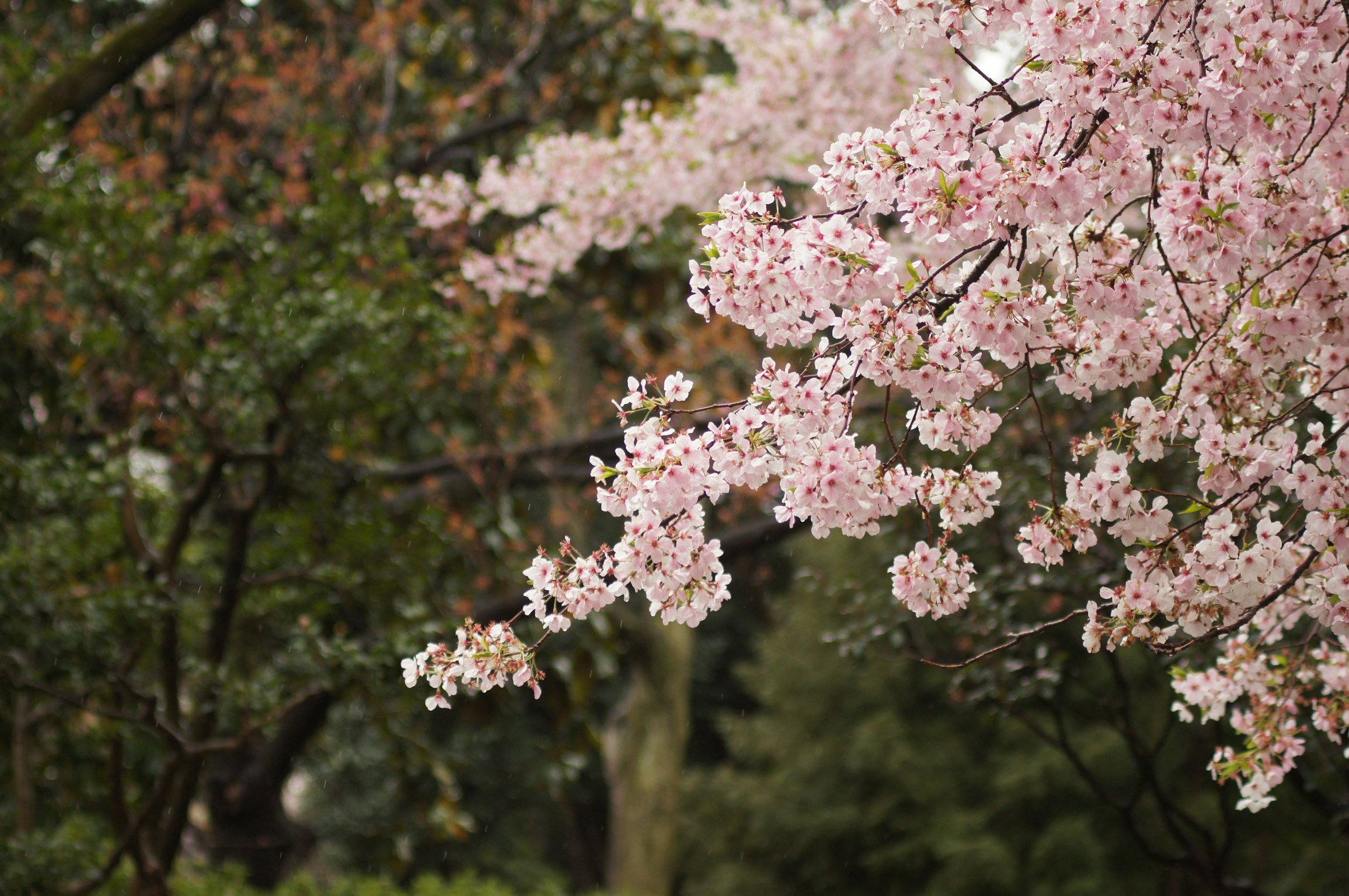
Ornamental cherry trees are famous for their gorgeous blossoms. While they may thrive in other regions of the United States, this tree faces challenges in South Carolina. Heat and humidity make them targets for pests, including beetles and leaf diseases. Also, ornamental cherry trees tend to decline after only ten years in South Carolina if not properly maintained.
Further, ornamental cherries often require treatments for pests and pruning to improve air circulation. They do not tolerate dry soil well, so they need regular watering during periods of summer drought in South Carolina. Also, watch for yellow leaves (which can be a sign of distress) and trunk cankers. Yes, you read that correctly–cankers. Trunk cankers are areas of dead bark on a trunk caused by fungi or bacteria and that act as open wounds on the tree.
While the spring flowers on ornamental cherry trees are undeniably gorgeous, they don’t outweigh the maintenance that you’ll have to do to keep an ornamental cherry tree alive and thriving in your garden.
Consult Head-Lee Nursery for Tree Expertise
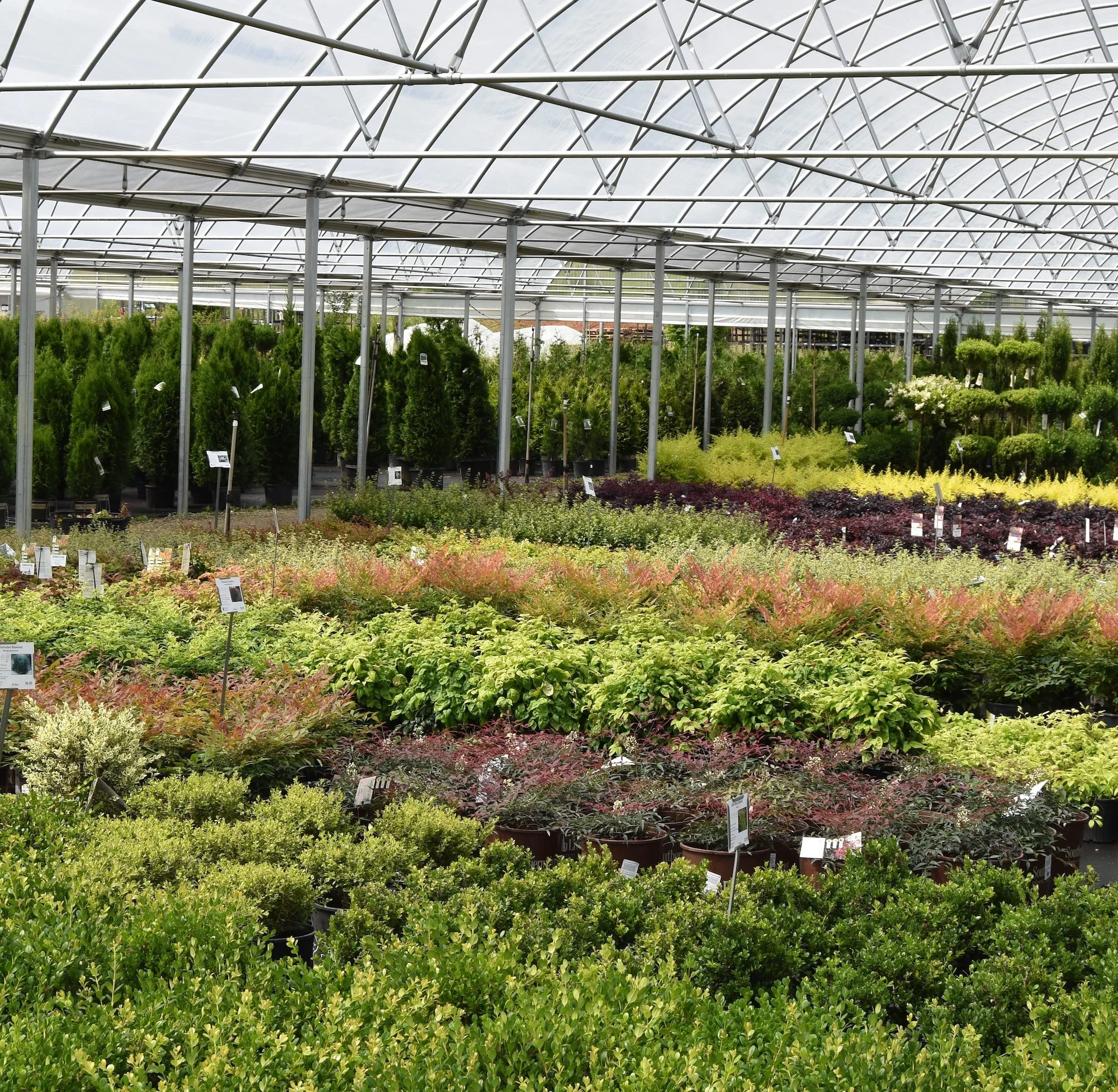
At Head-Lee Nursery in Seneca, we know which trees will thrive in your garden and which trees you may want to avoid. We want you to have a successful landscape that you’ll be happy with, so stop by our South Carolina garden center or give us a call at (864) 882-3663 for advice on planting trees in upstate South Carolina and for the healthiest trees in the state.
While you’re here, check out our wide selection of trees and perennials. We have several beautiful types of trees at our South Carolina garden center that will be sure to thrive in your garden. Also, check out our Plant Library for more information on how to care for plants in South Carolina and for plant availability at our garden center.