 Image 1 of 3
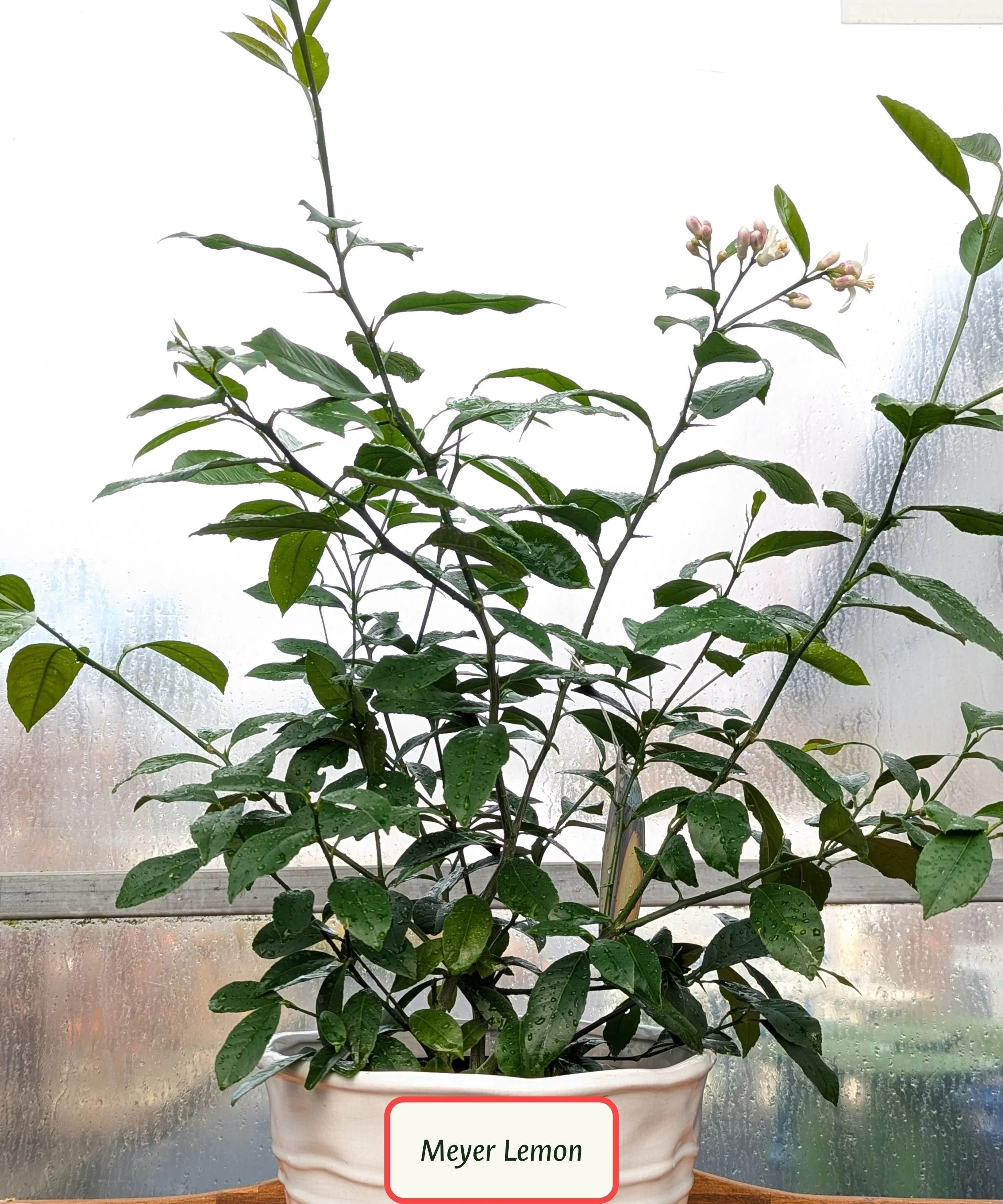 Image 2 of 3
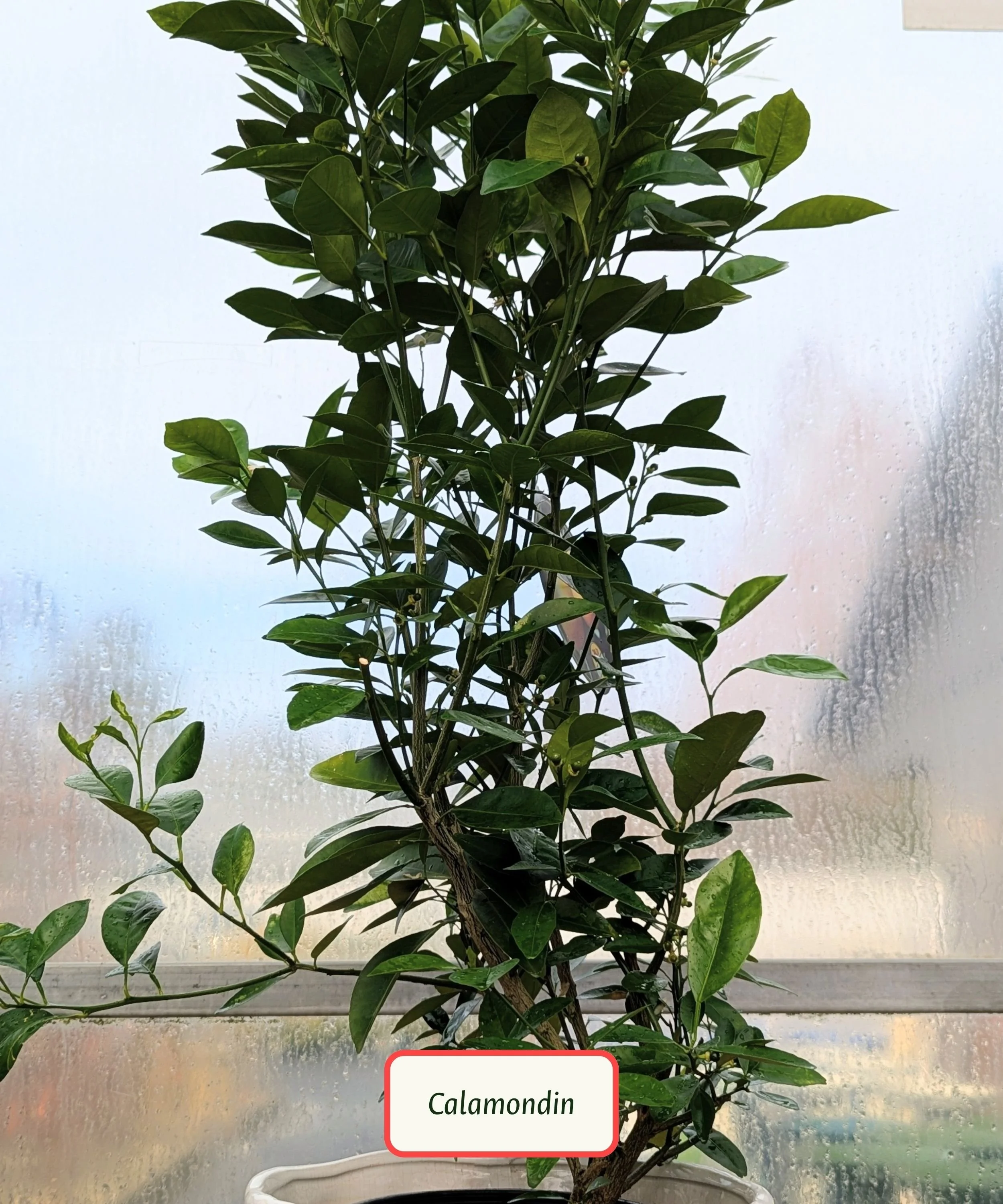 Image 3 of 3
Botanical Name: Citrus
Meyer Lemon
Calamondin
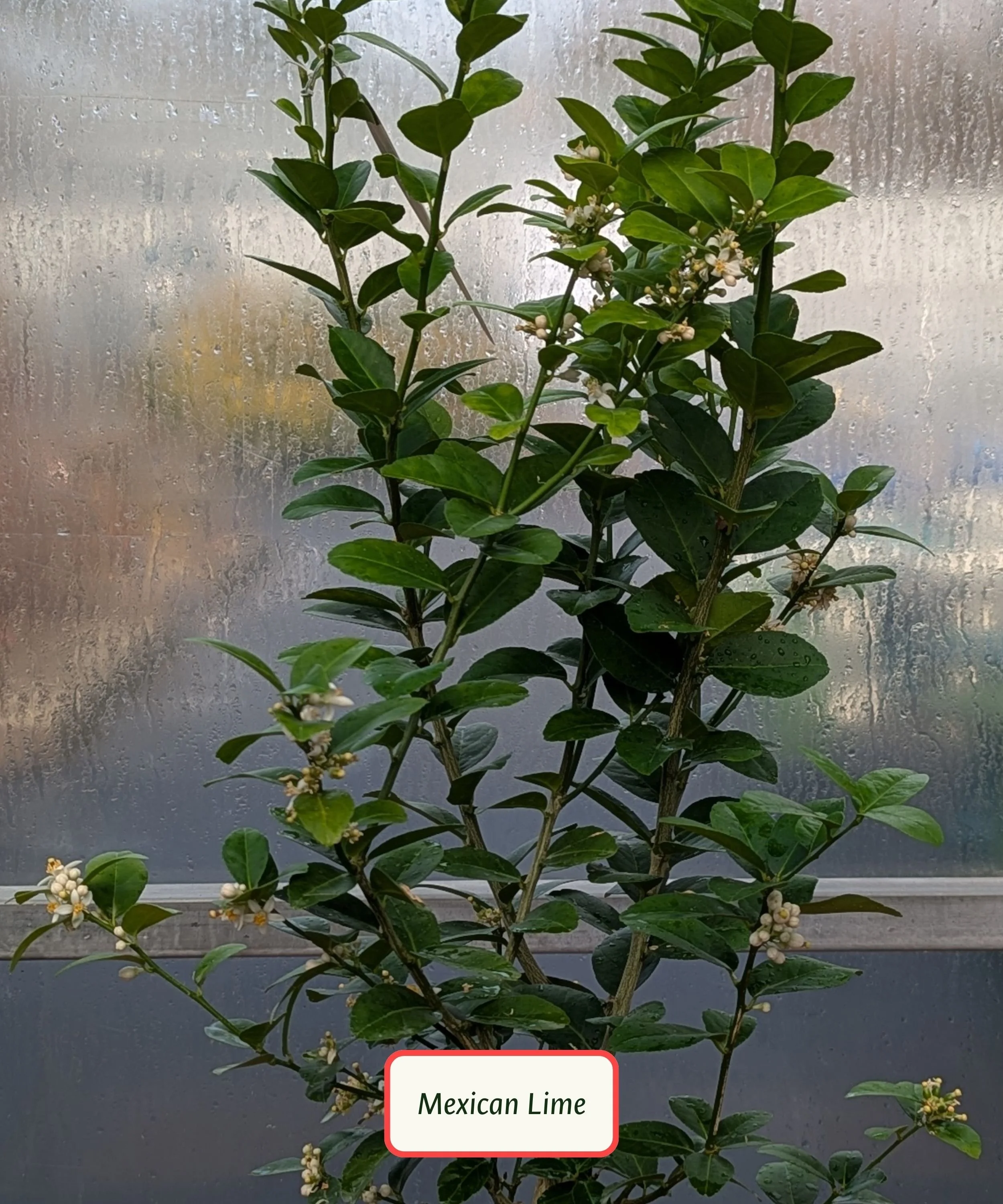
Mexican Lime
Ponderosa Lemon
Flying Dragon Hardy Citrus
The following varieties may be available for special request: Satsuma, Finger Lime, Orange, Grapefruit
Citrus are small evergreen broadleaf trees most of which are native to Asia. Most varieties of edible citrus must be protected during the winter. Flying Dragon is a cold hardy variety, though it is grown as an ornamental as the fruit are not considered quality.
Citrus is a fun addition to any plant collection! Most Citrus prefer partial shade to sun and require thoroughly well drained soil to prevent root rot. The best performance and fruit production occur in full sun. Fertilize only while growth is visible during Spring and Fall and reduce watering during Winter months. Prune branches to improve airflow and maintain a smaller size. Fruit clusters can also be pruned to one or two fruits to produce larger fruit. When indoors, keep Citrus in a bright location: South-facing windows providing the most sun. In order to produce fruit indoors, hand-pollinate flowers and continue to fertilize every three months. Monitor for mites, scale insects, whiteflies, aphids, and caterpillars. If you notice ants on the plant outdoors in spring it may indicate aphid issues.
Botanical Name: Citrus
Meyer Lemon
Calamondin
Mexican Lime
Ponderosa Lemon
Flying Dragon Hardy Citrus
The following varieties may be available for special request: Satsuma, Finger Lime, Orange, Grapefruit
Citrus are small evergreen broadleaf trees most of which are native to Asia. Most varieties of edible citrus must be protected during the winter. Flying Dragon is a cold hardy variety, though it is grown as an ornamental as the fruit are not considered quality.
Citrus is a fun addition to any plant collection! Most Citrus prefer partial shade to sun and require thoroughly well drained soil to prevent root rot. The best performance and fruit production occur in full sun. Fertilize only while growth is visible during Spring and Fall and reduce watering during Winter months. Prune branches to improve airflow and maintain a smaller size. Fruit clusters can also be pruned to one or two fruits to produce larger fruit. When indoors, keep Citrus in a bright location: South-facing windows providing the most sun. In order to produce fruit indoors, hand-pollinate flowers and continue to fertilize every three months. Monitor for mites, scale insects, whiteflies, aphids, and caterpillars. If you notice ants on the plant outdoors in spring it may indicate aphid issues.