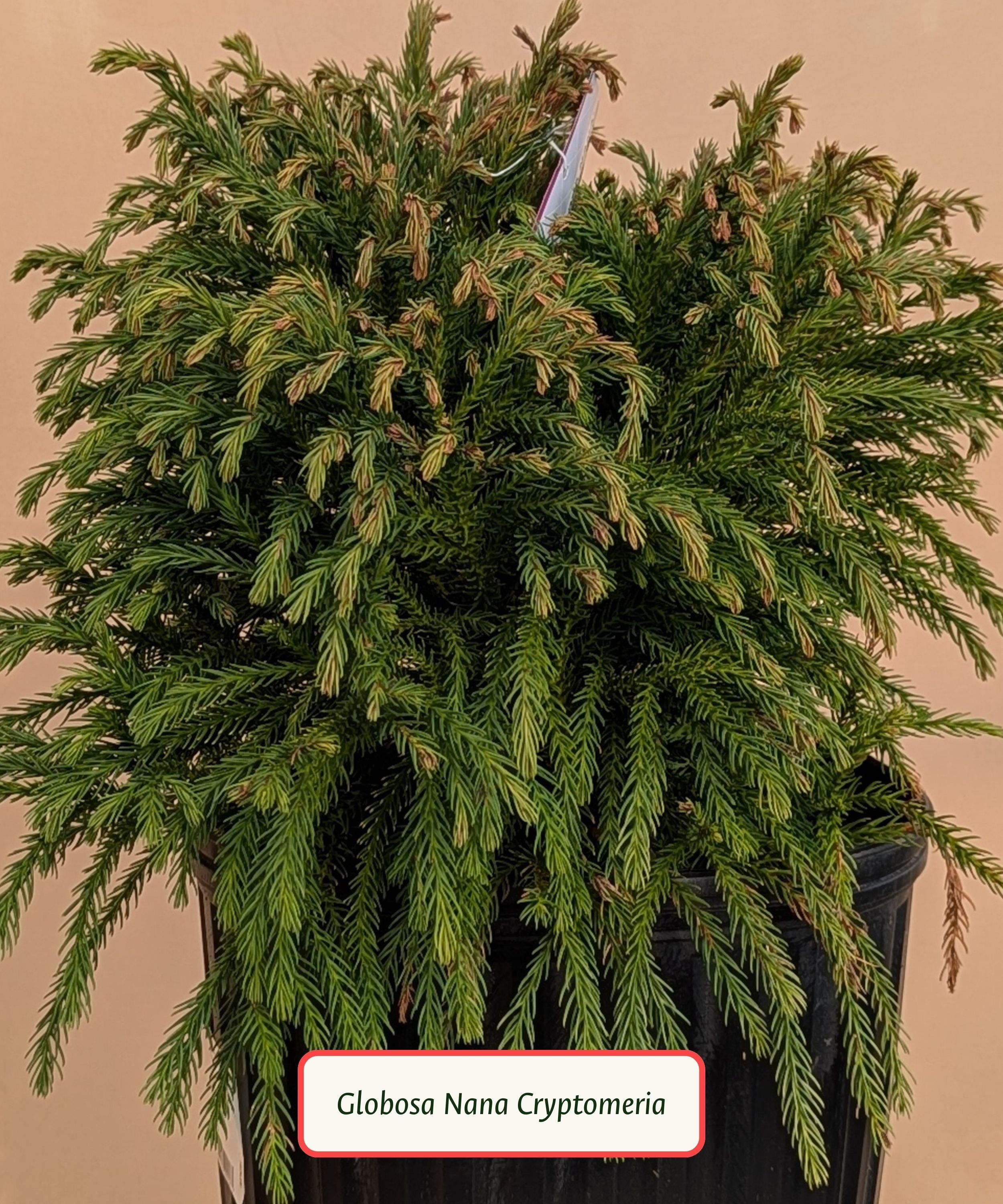
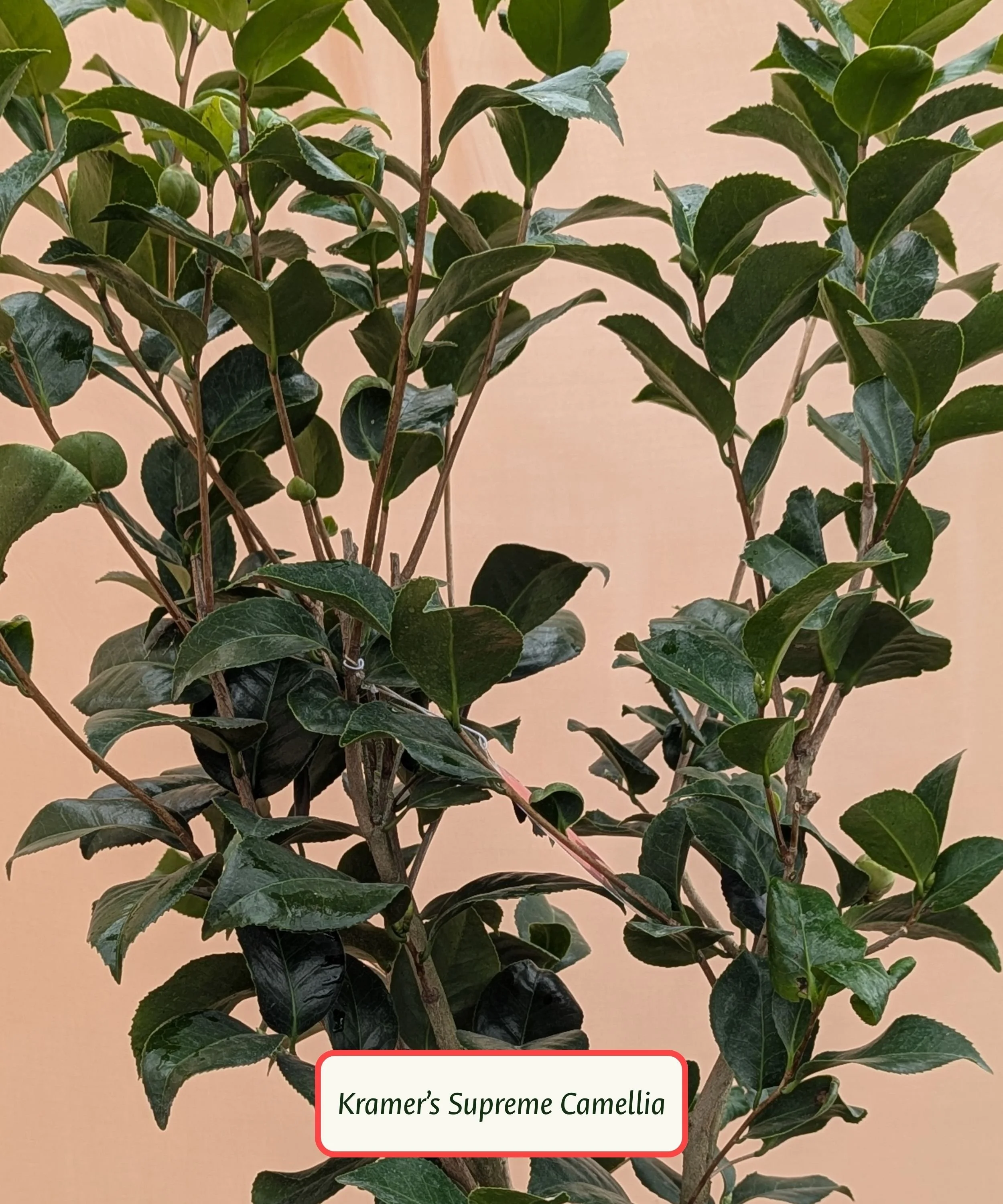
 Image 1 of 4
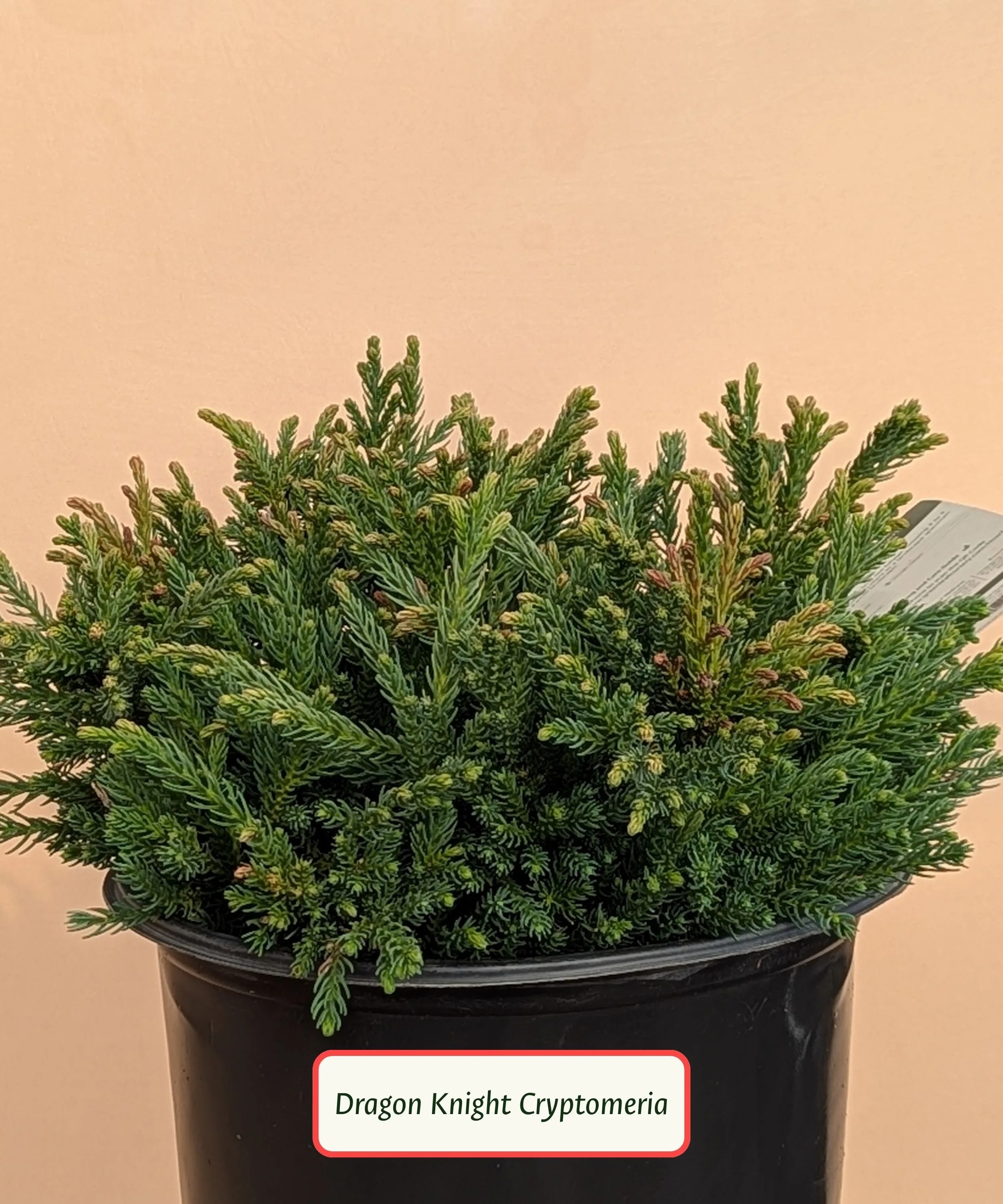
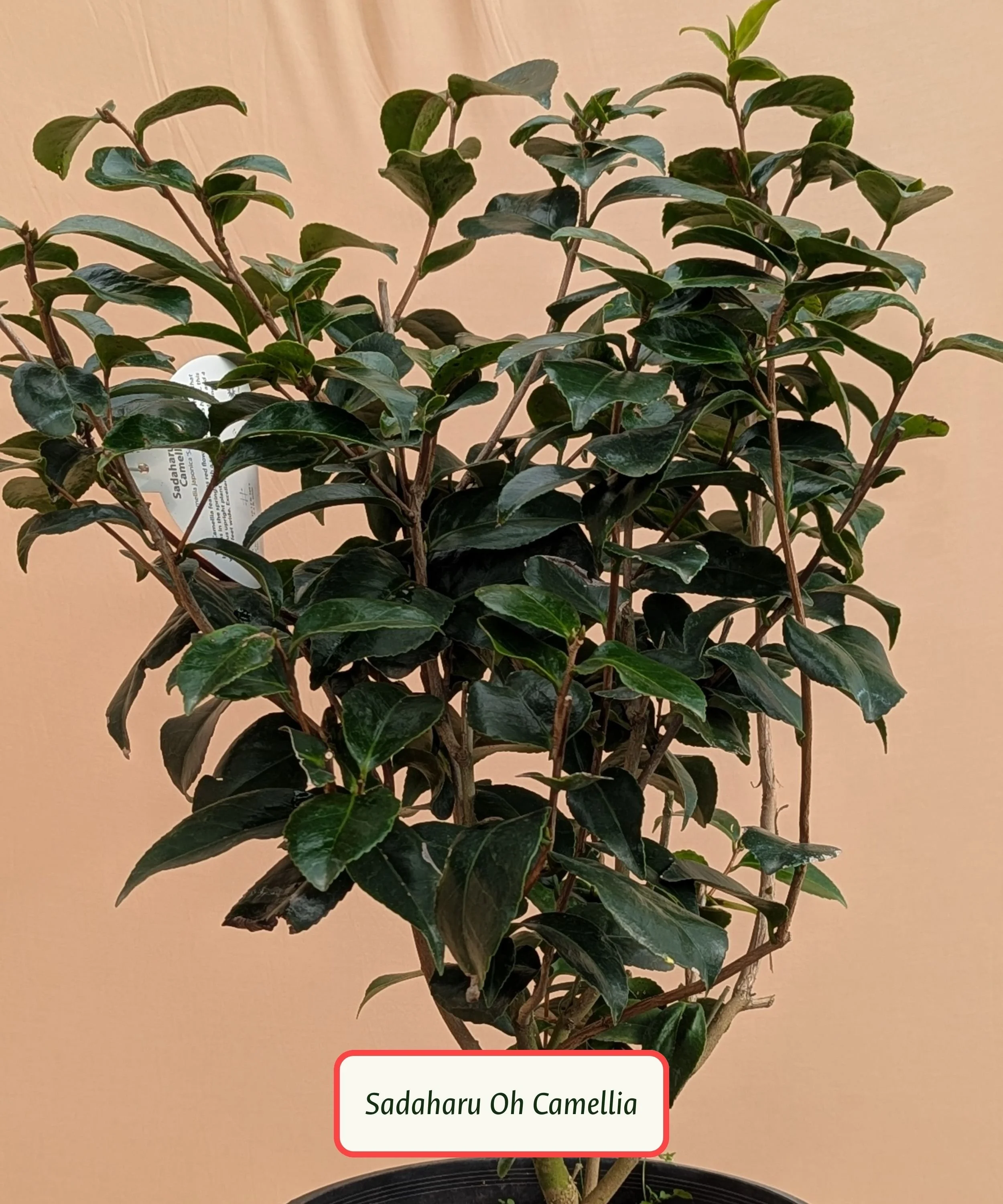
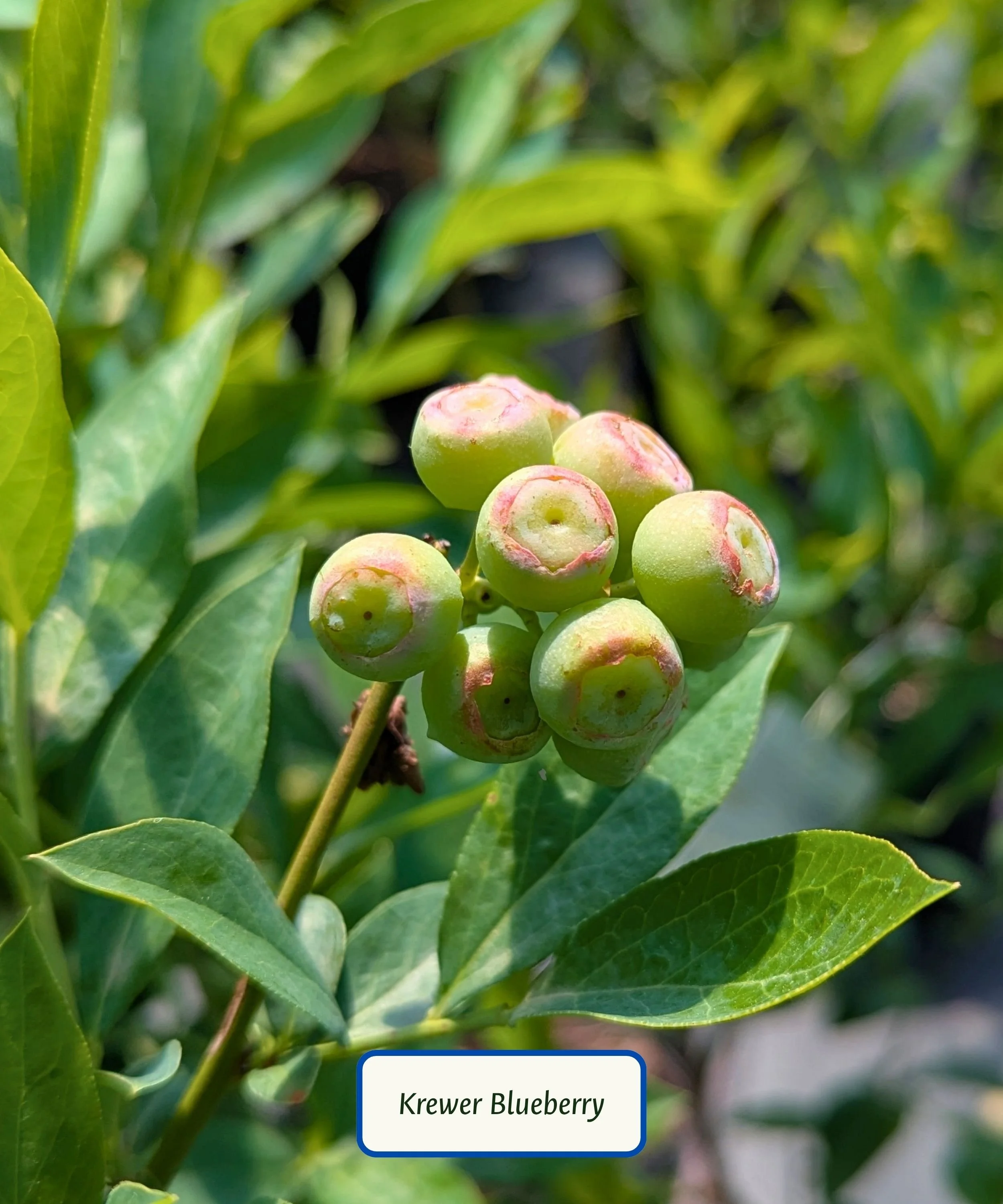 Image 2 of 4
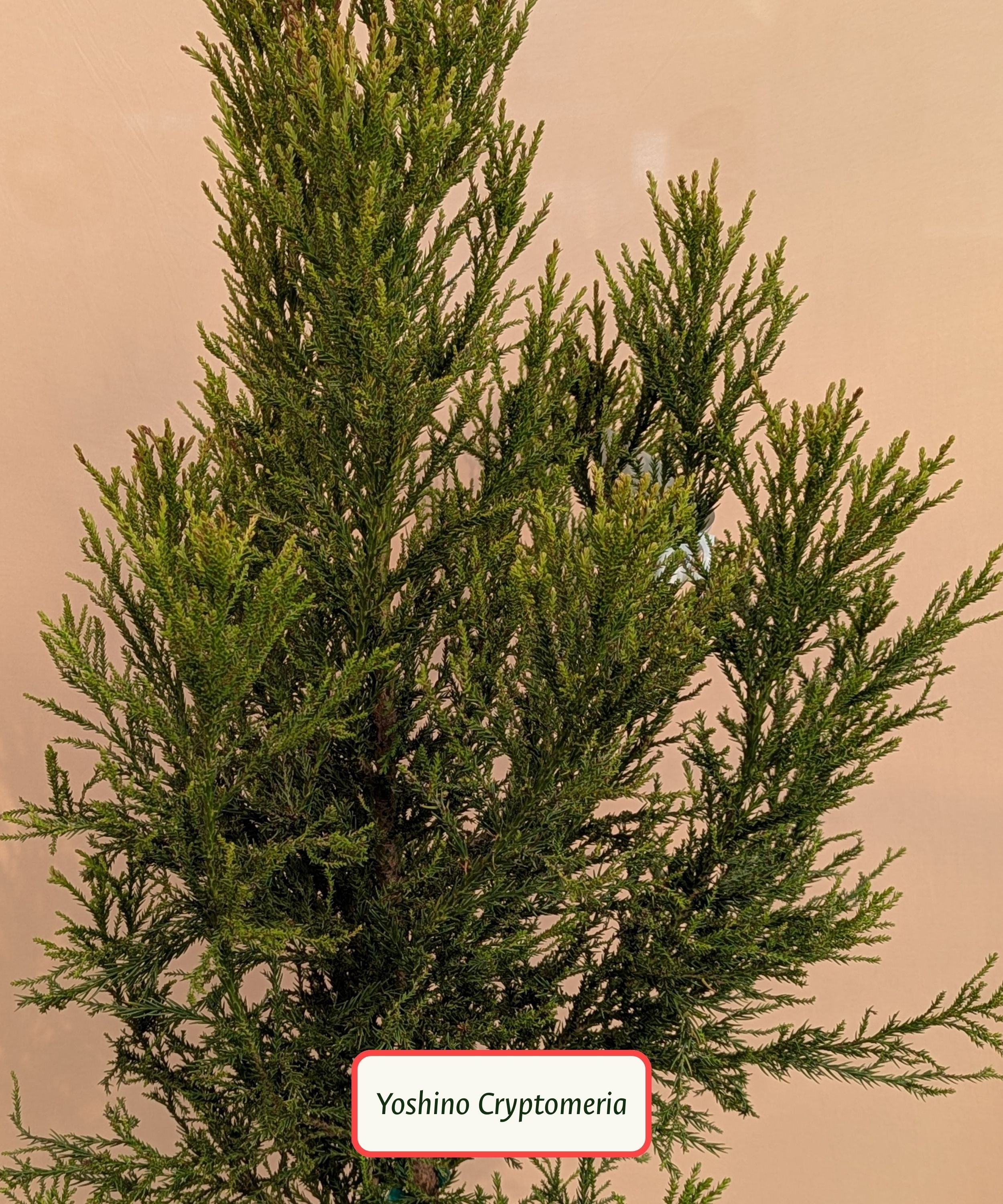
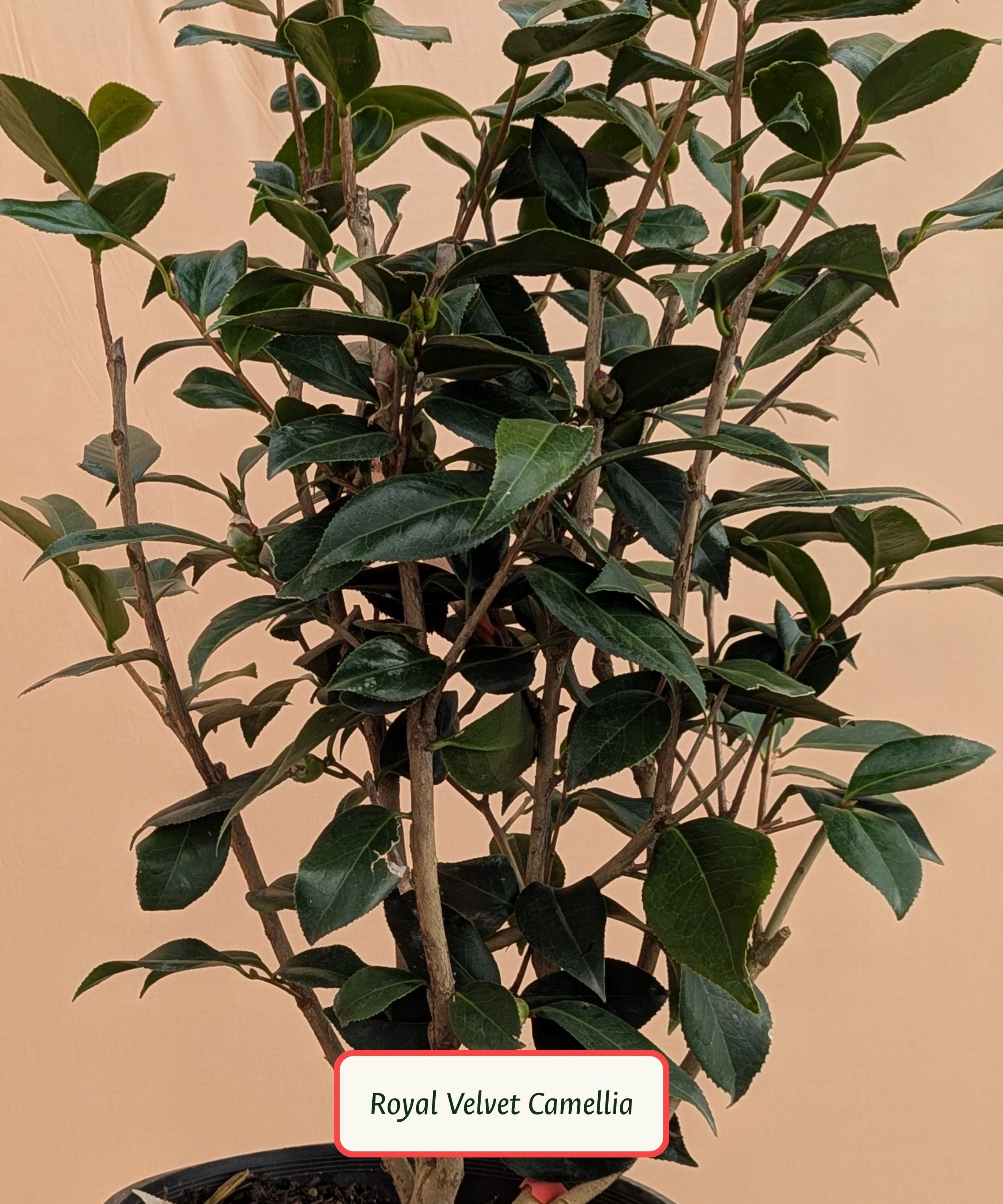
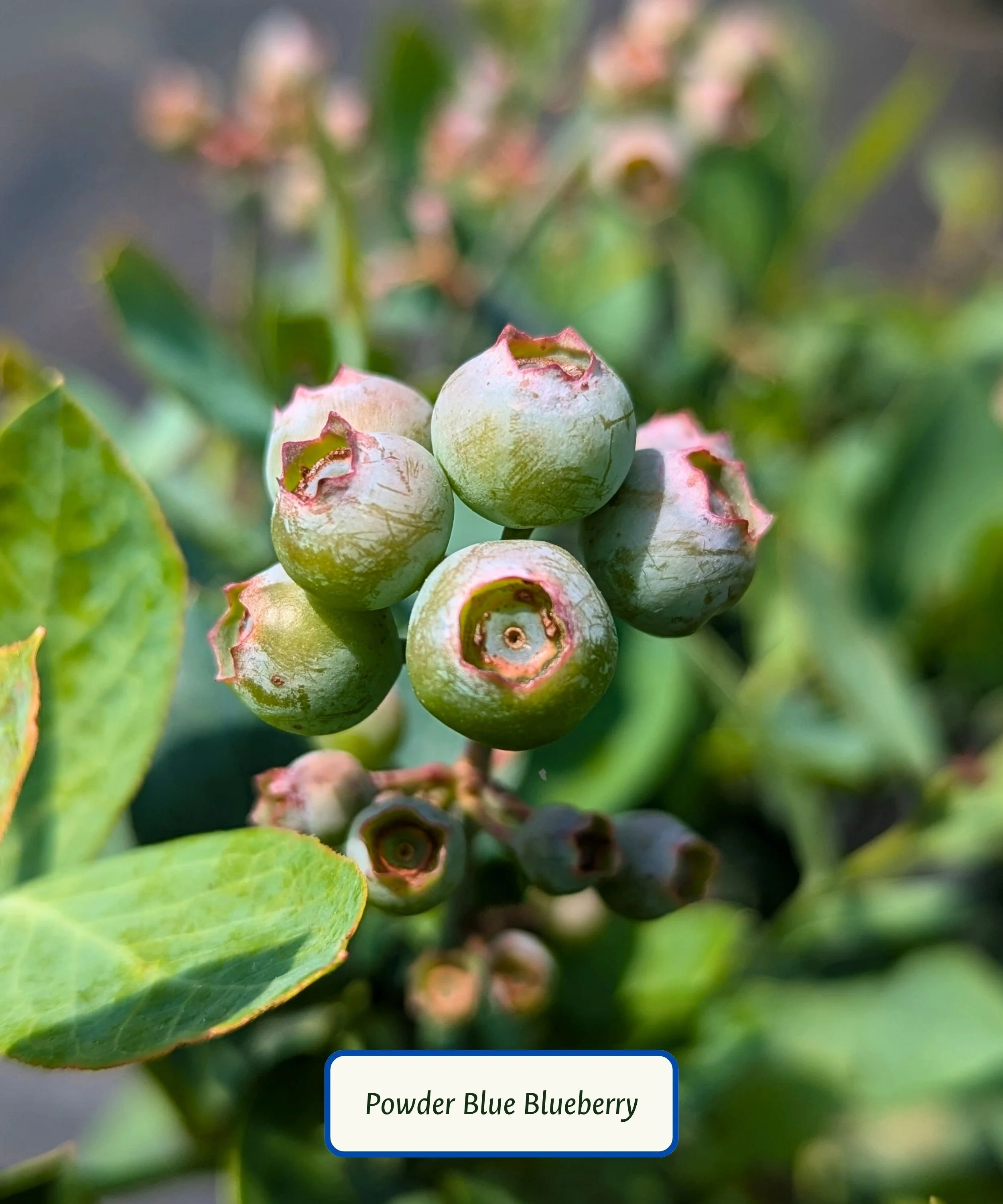 Image 3 of 4
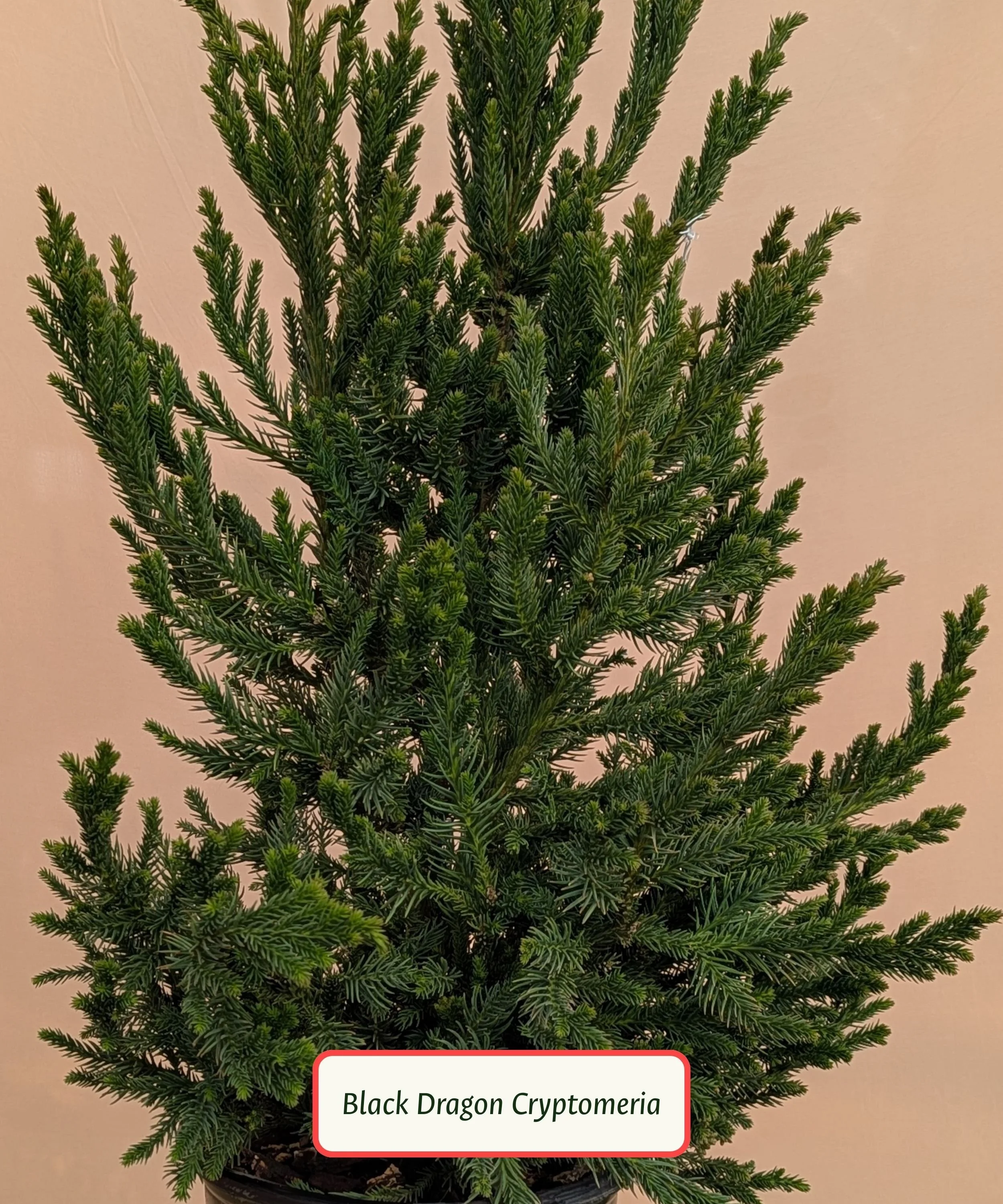
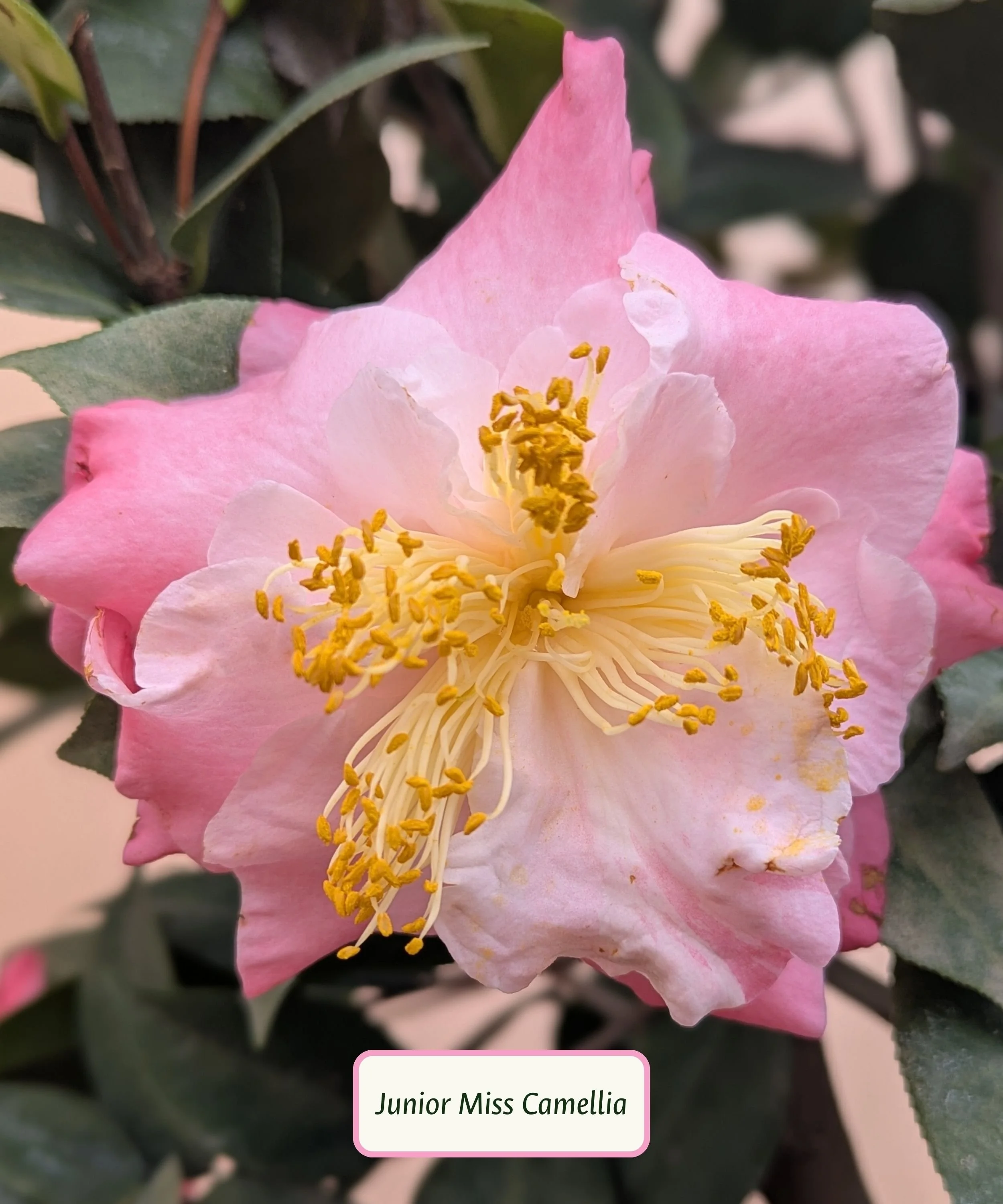
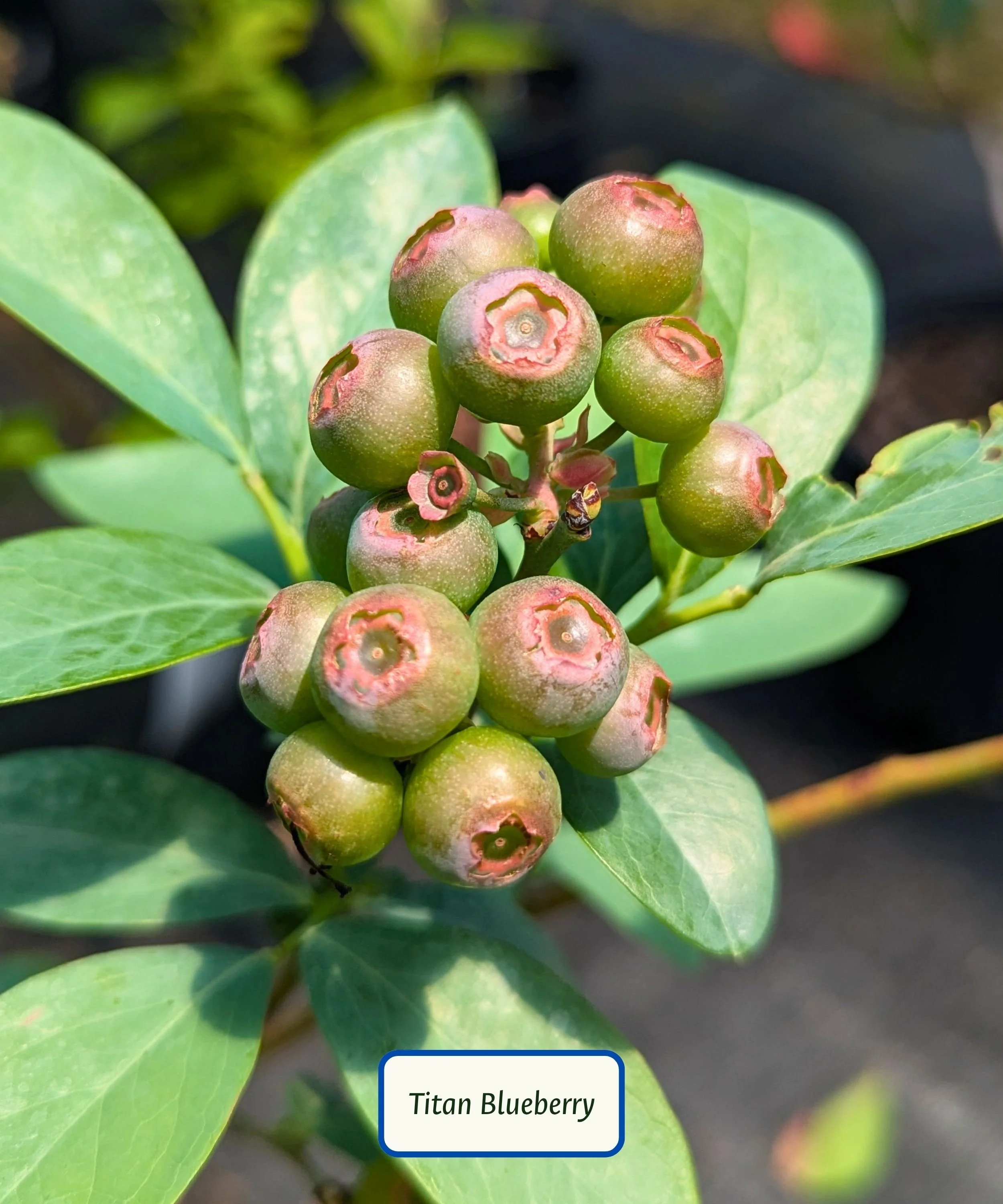 Image 4 of 4
Botanical Name: Vaccinium
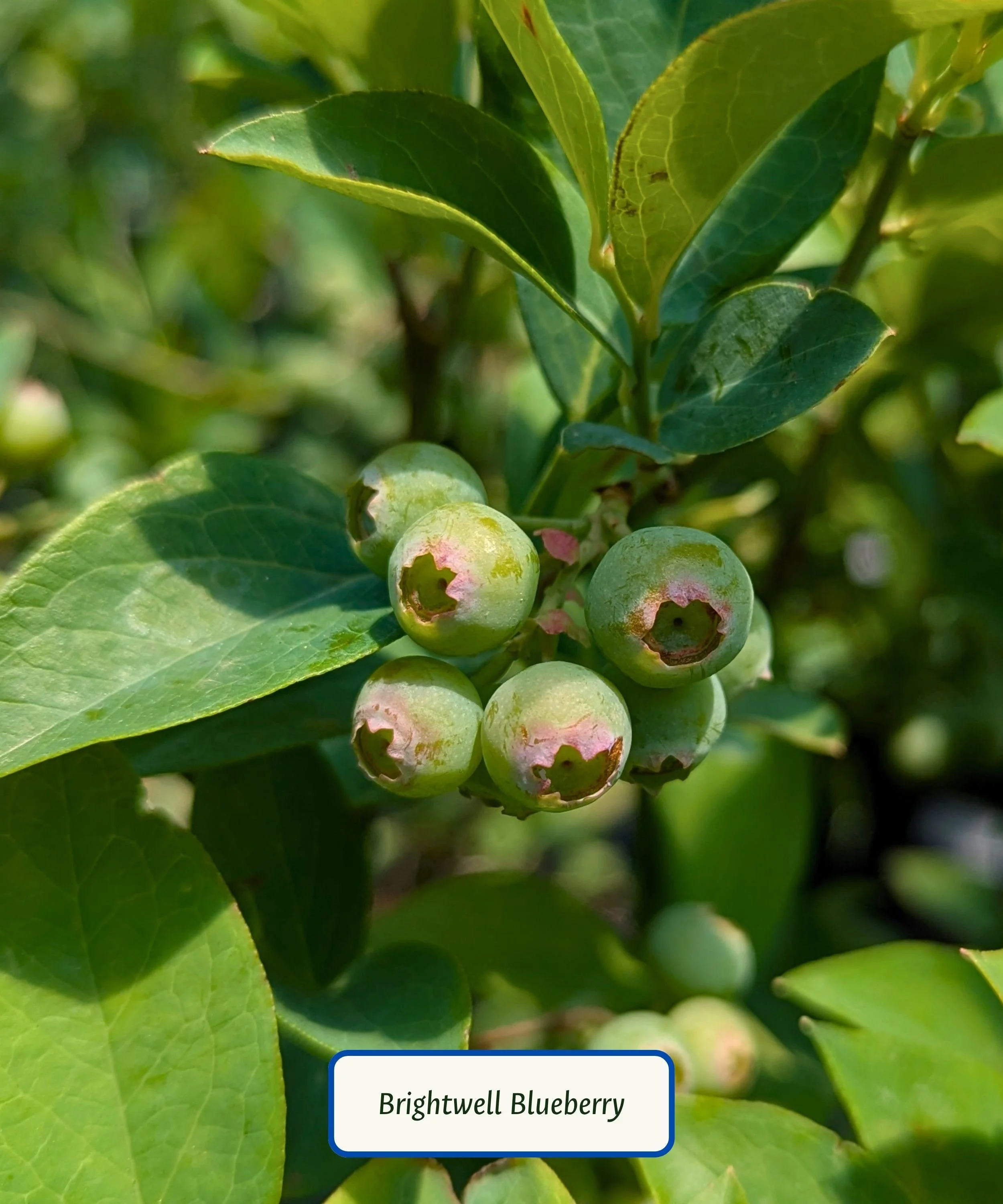
Rabbiteye (Tiftblue, Premier, Powder Blue, Brightwell, Titan, Krewer, Pink Lemonade)
Highbush (Sunshine Blue, Top Hat, Berrybux)
Rosa's Blush (Limited availability)
The following varieties may be available for special request: Austin, Climax, Alapaha, Ockloconee, Centurian, Delight, Alice Blue
Seasons of availability: Spring and Fall.
A woody, deciduous to semi-evergreen shrub. Edible berries are initially green, then reddish-pink, and then black with a glaucous blue coat when ripe. Native to the Carolinas, we typically carry the Rabbiteye Blueberry but will occasionally have Highbush blueberry and the more ornamental evergreen Blueberry:Vaccinium darrowii. Plant a minimum of two varieties within the same species for adequate cross-pollination and maximum fruit production. Blueberries have great Fall interest with green leaves transitioning to vibrant shades of red, orange, yellow, and sometimes burgundy. Blueberries are a must for native wildlife gardens. Their early spring flowers are great for bees and pollinators while the fruit are a bird favorite.
Blueberries do best in full to partial sun and soil that is highly acidic (pH 4.5-5.2). Soil should be rich in organic matter, loose, and well-drained. Recreate a forest floor top soil mound on clay soils, ideally with components like peat moss, pine bark or needles, and compost. Avoid alkaline materials like mushroom compost or fresh manure. Blueberries ripen over a two month period, the exact timing depend on cultivar, weather, and plant vigor. Select and remove old growth canes severely while keeping younger canes for the next season’s crop. Fertilize and mulch annualy to improve production and fruit quality.