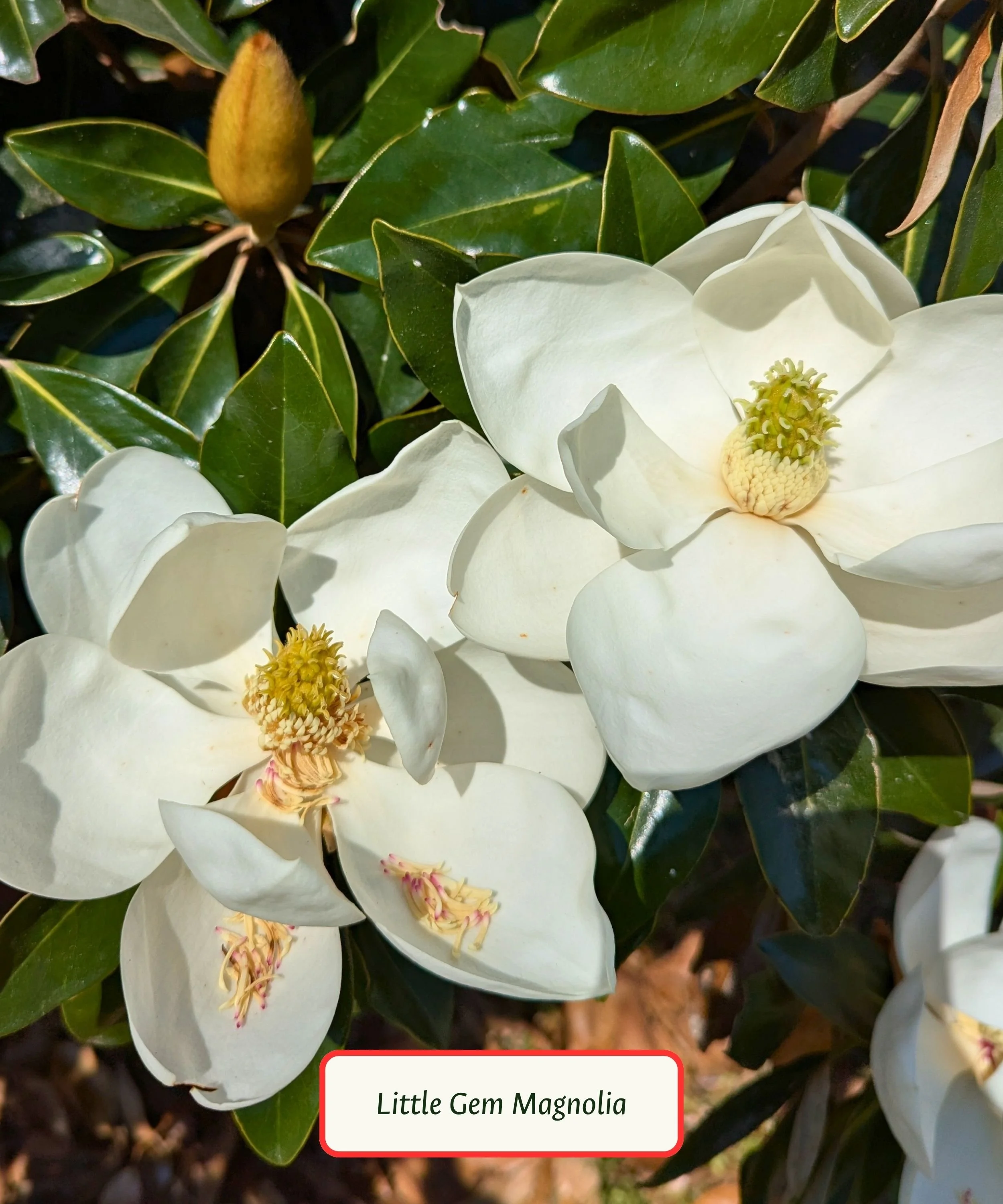
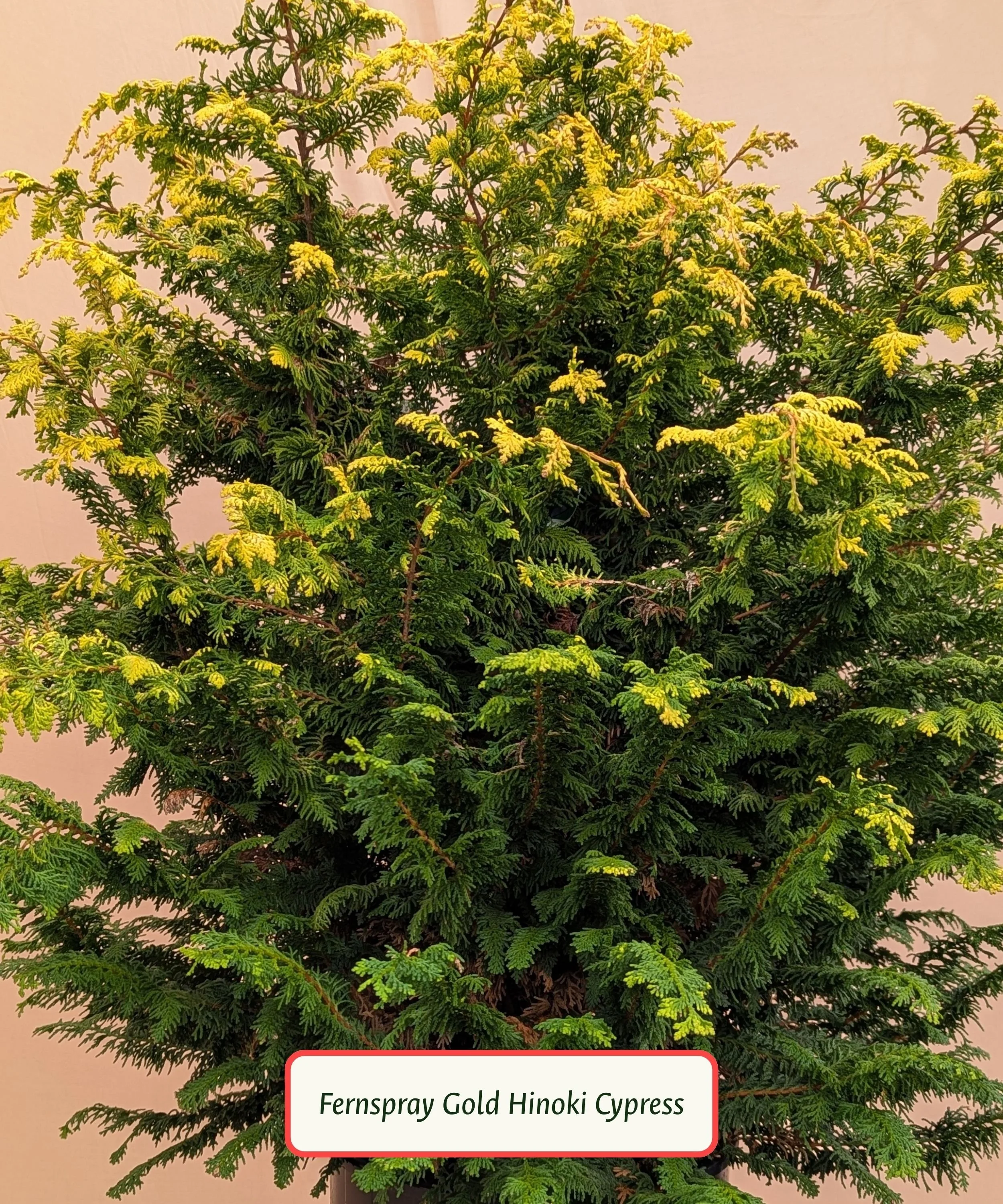
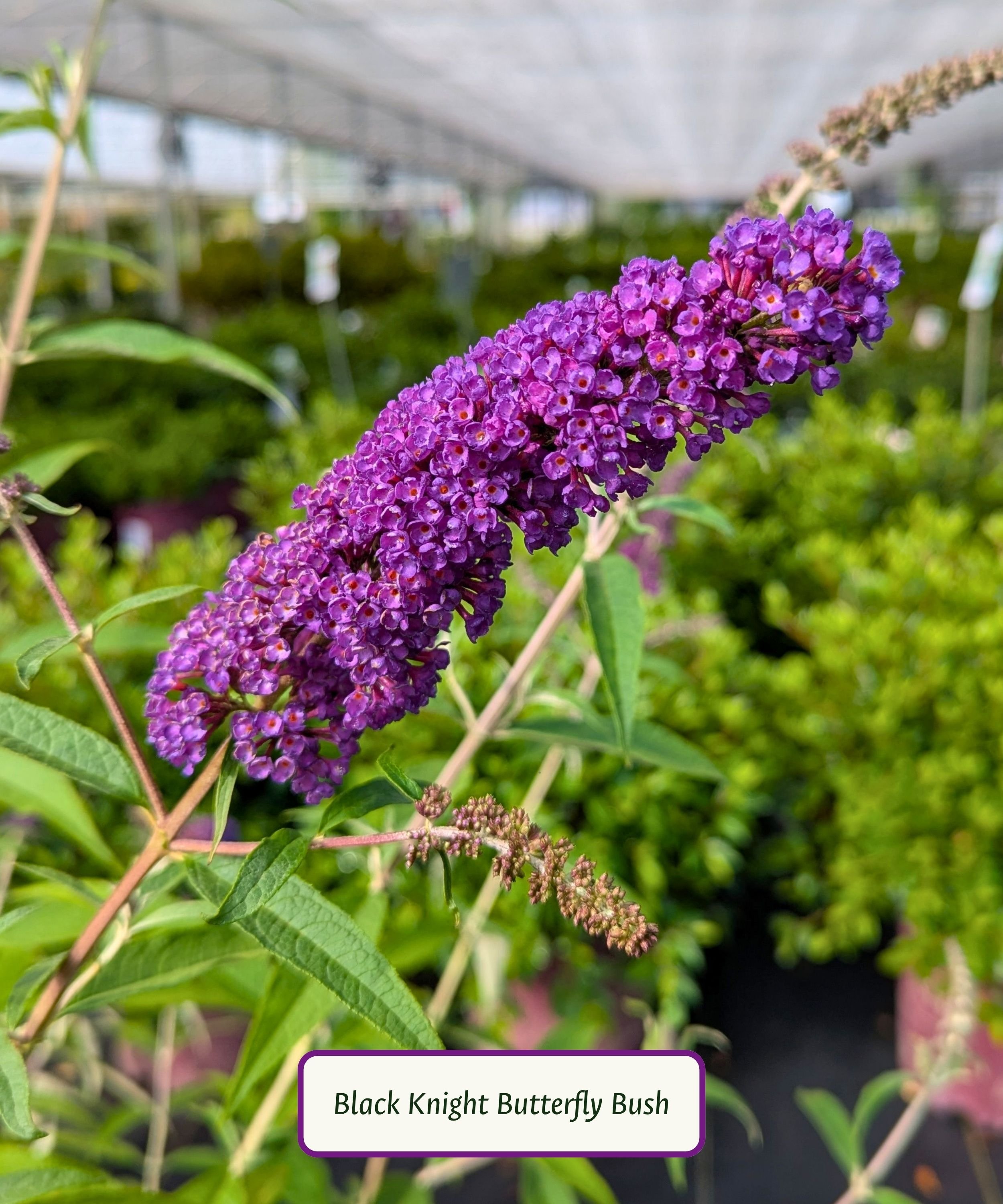
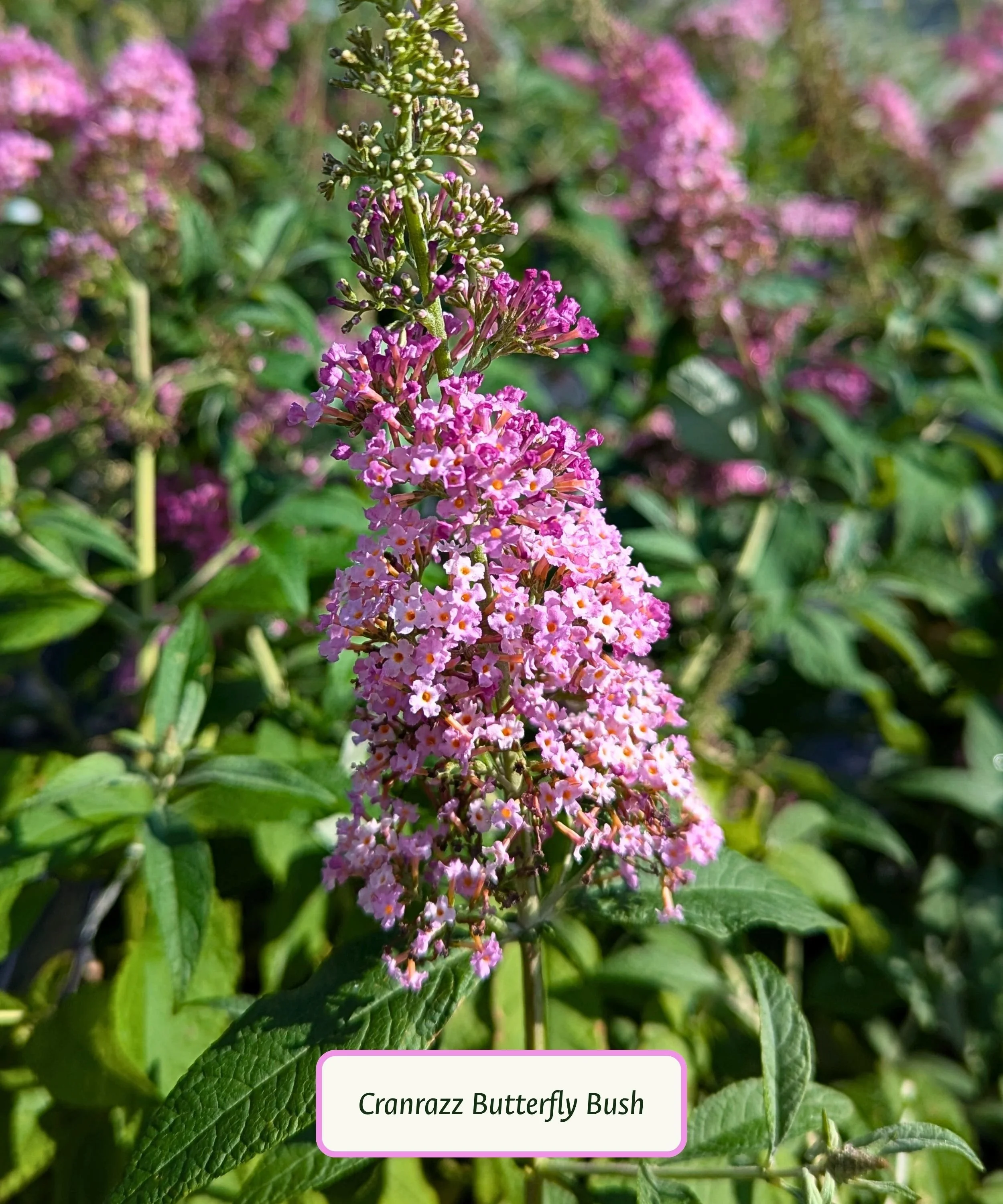
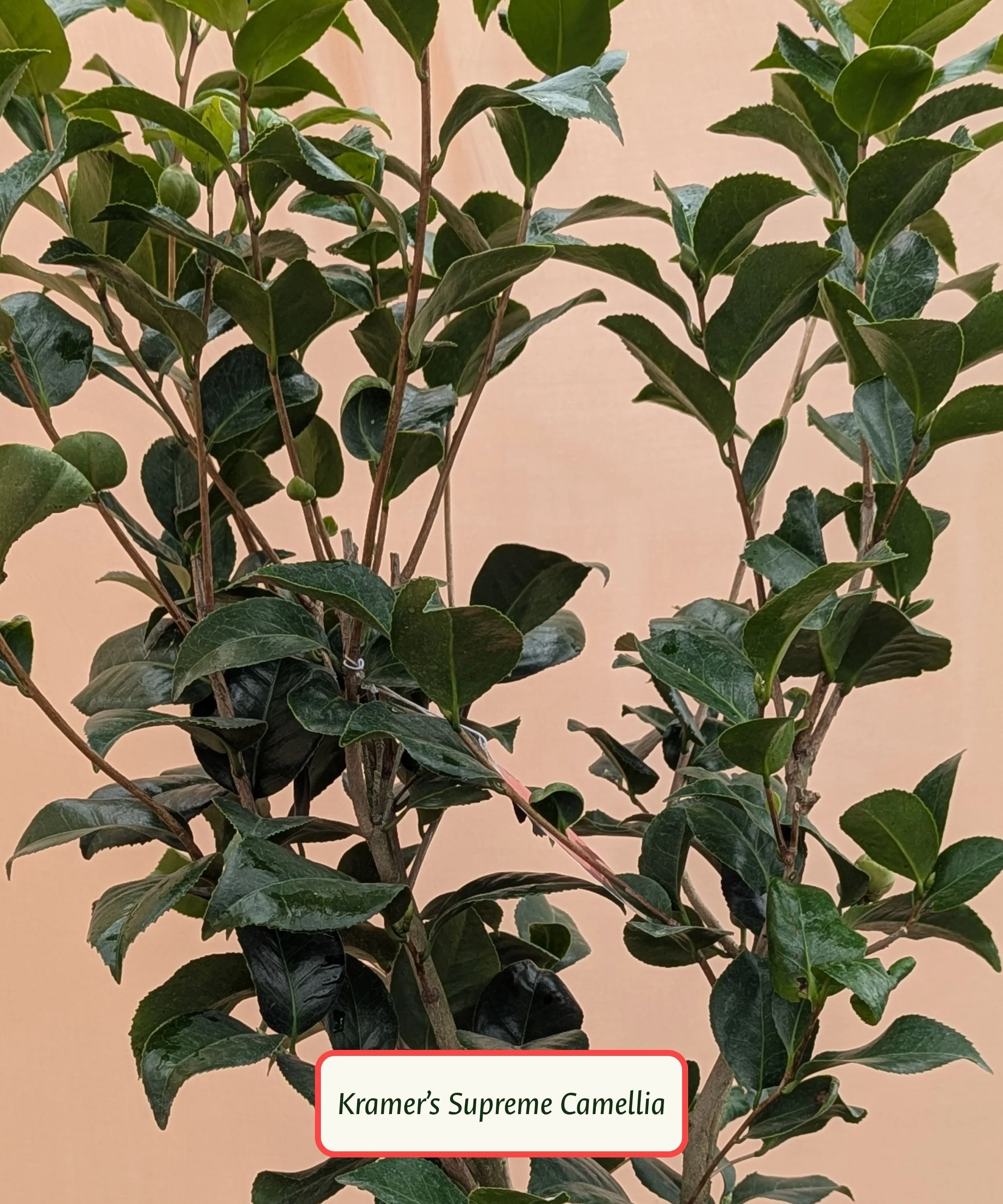
 Image 1 of 4
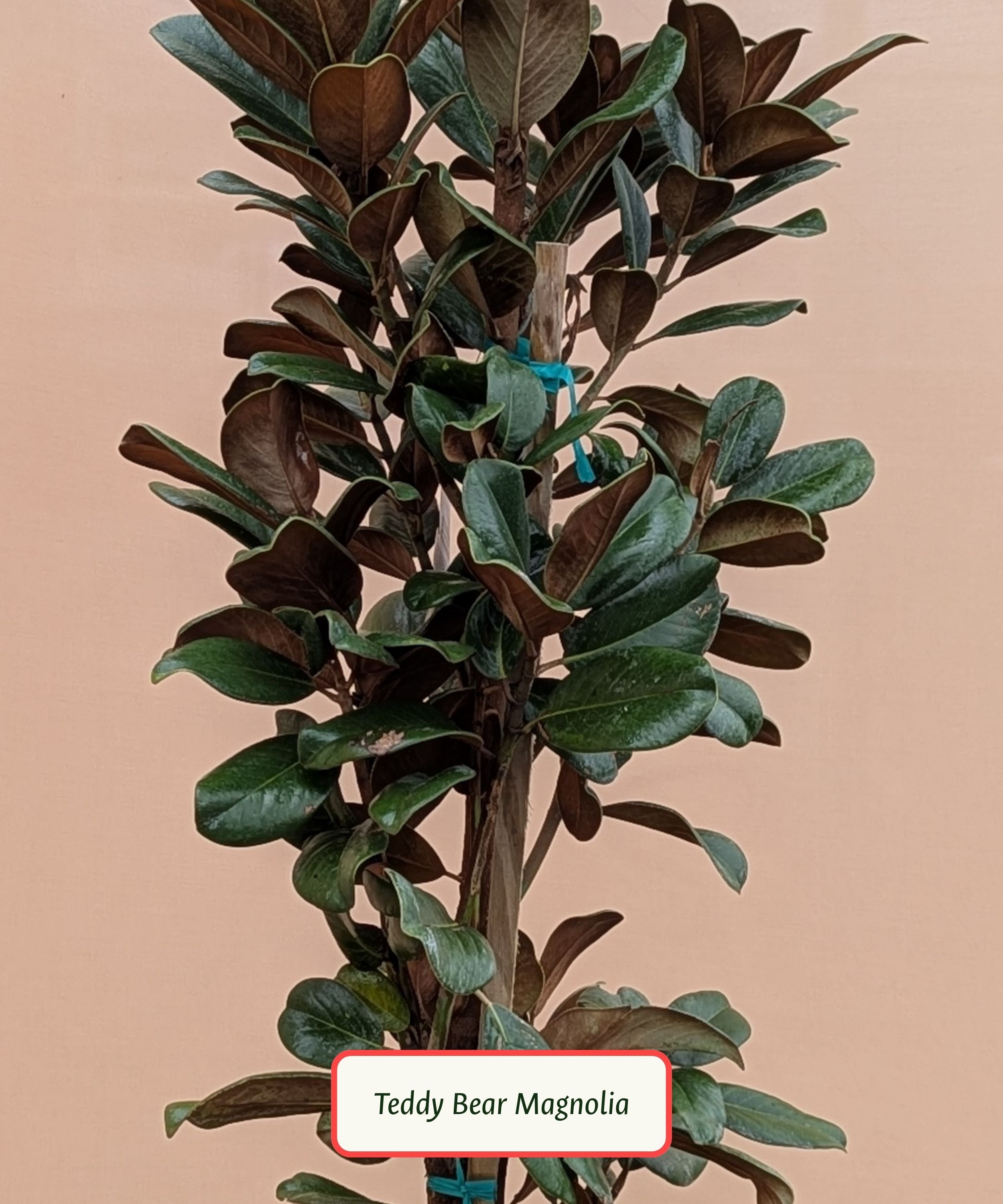
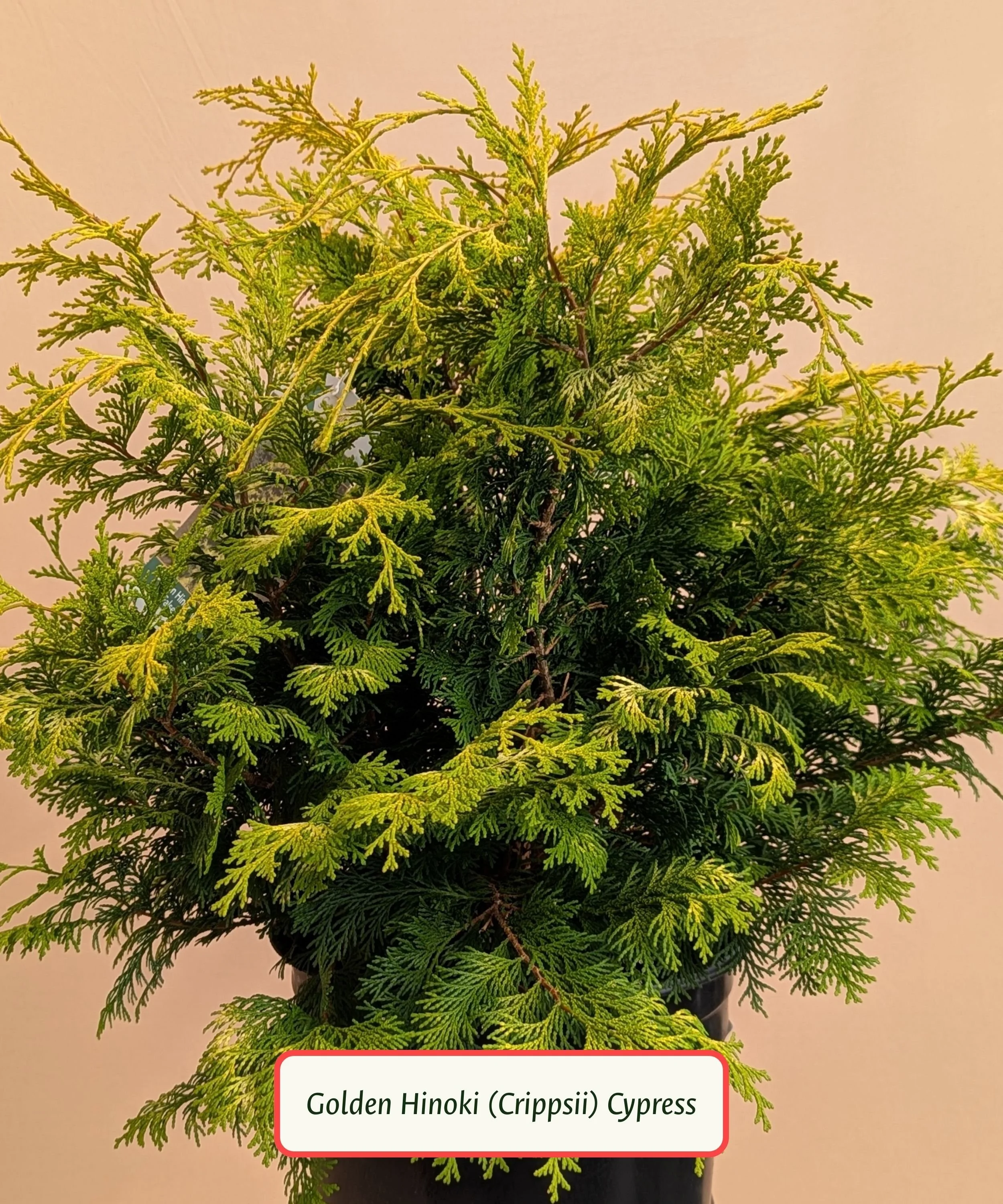
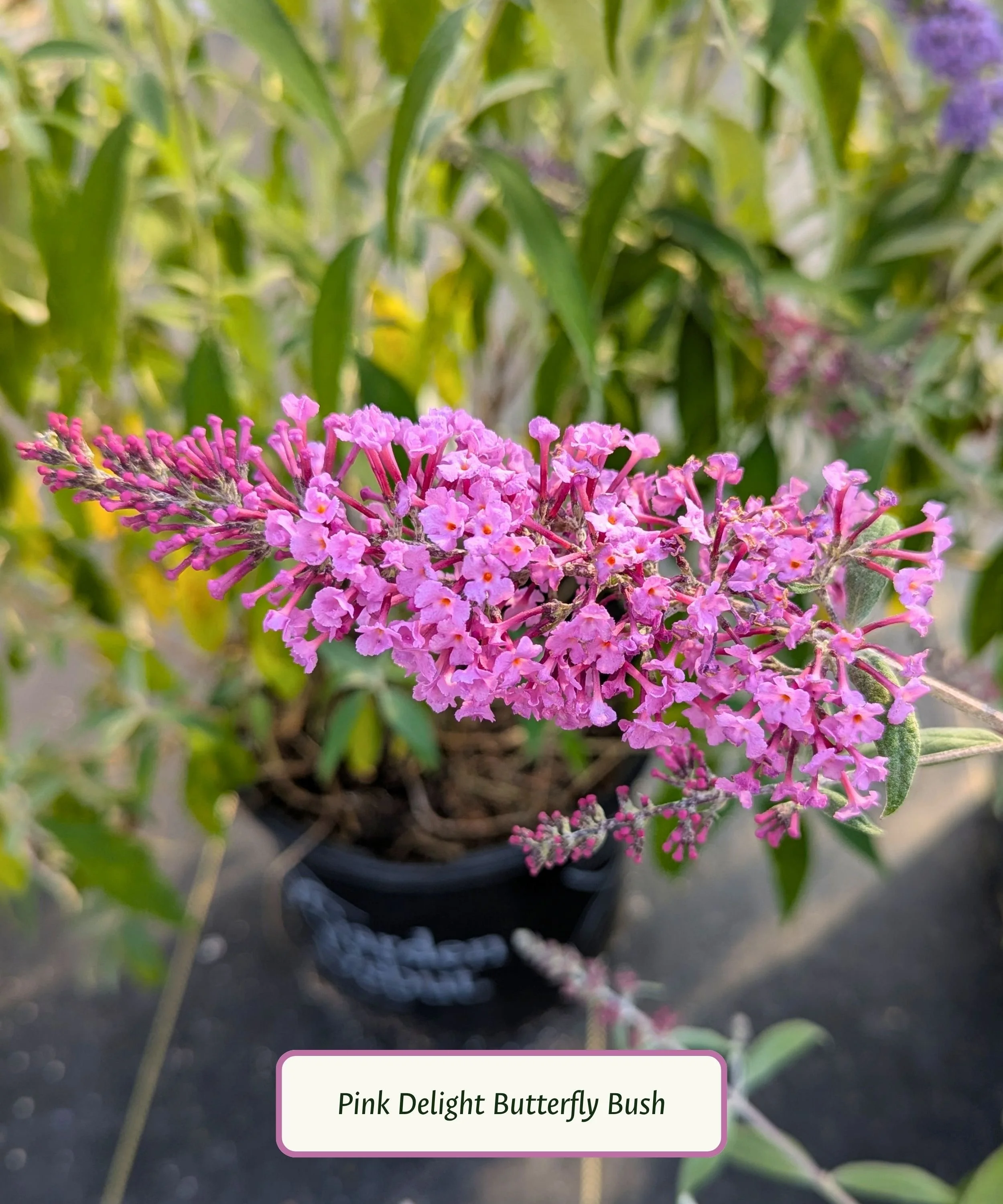
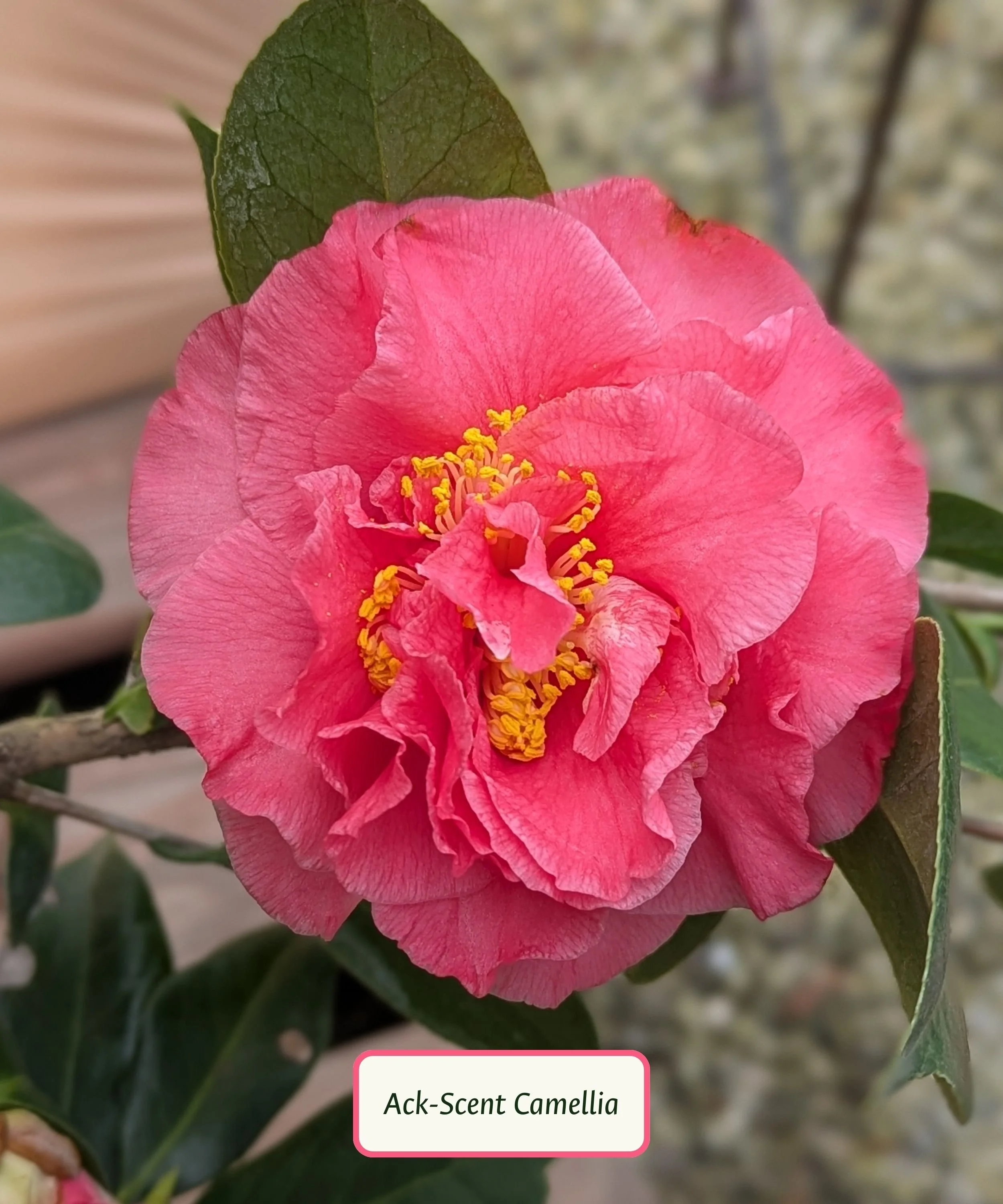
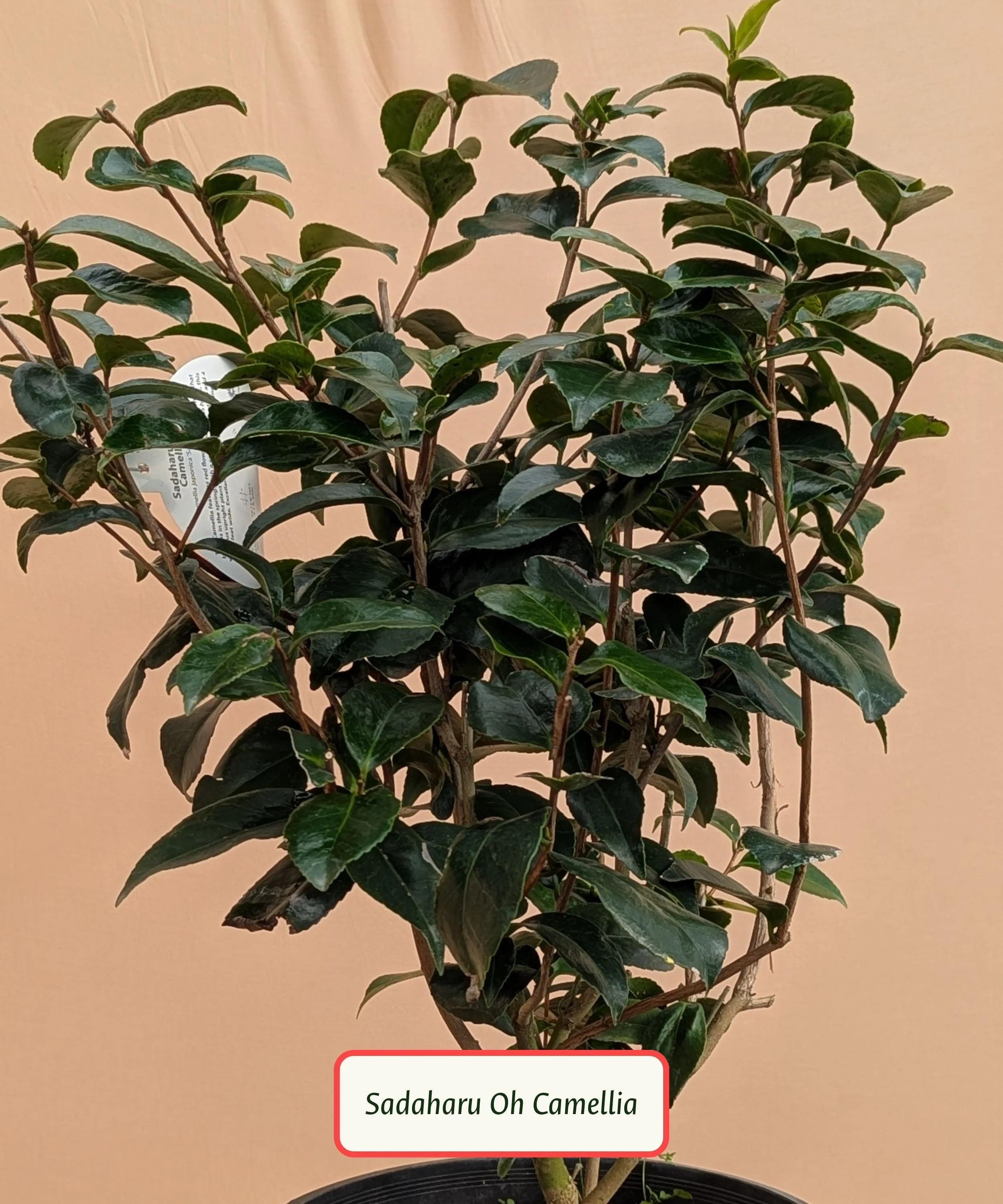
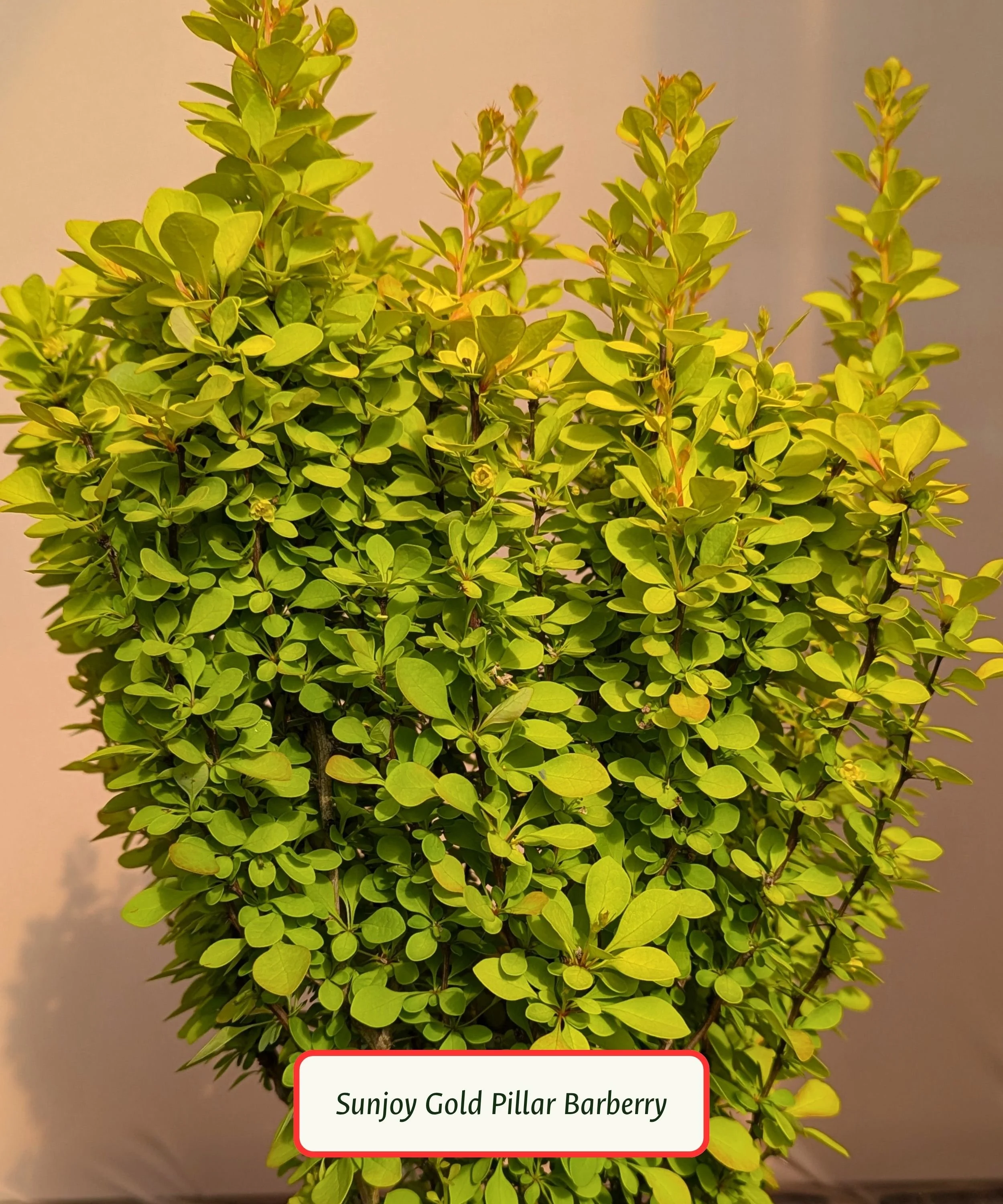 Image 2 of 4
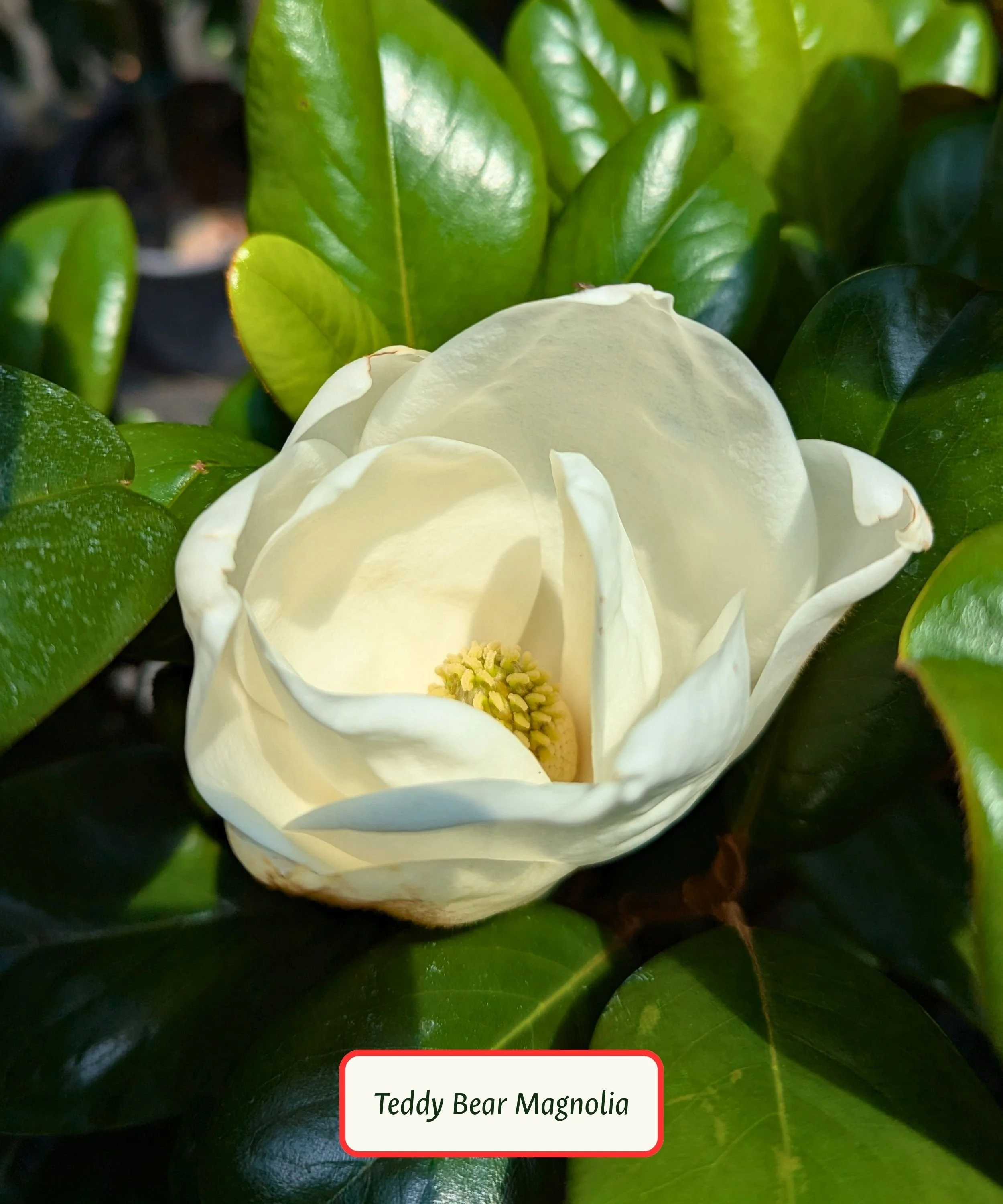
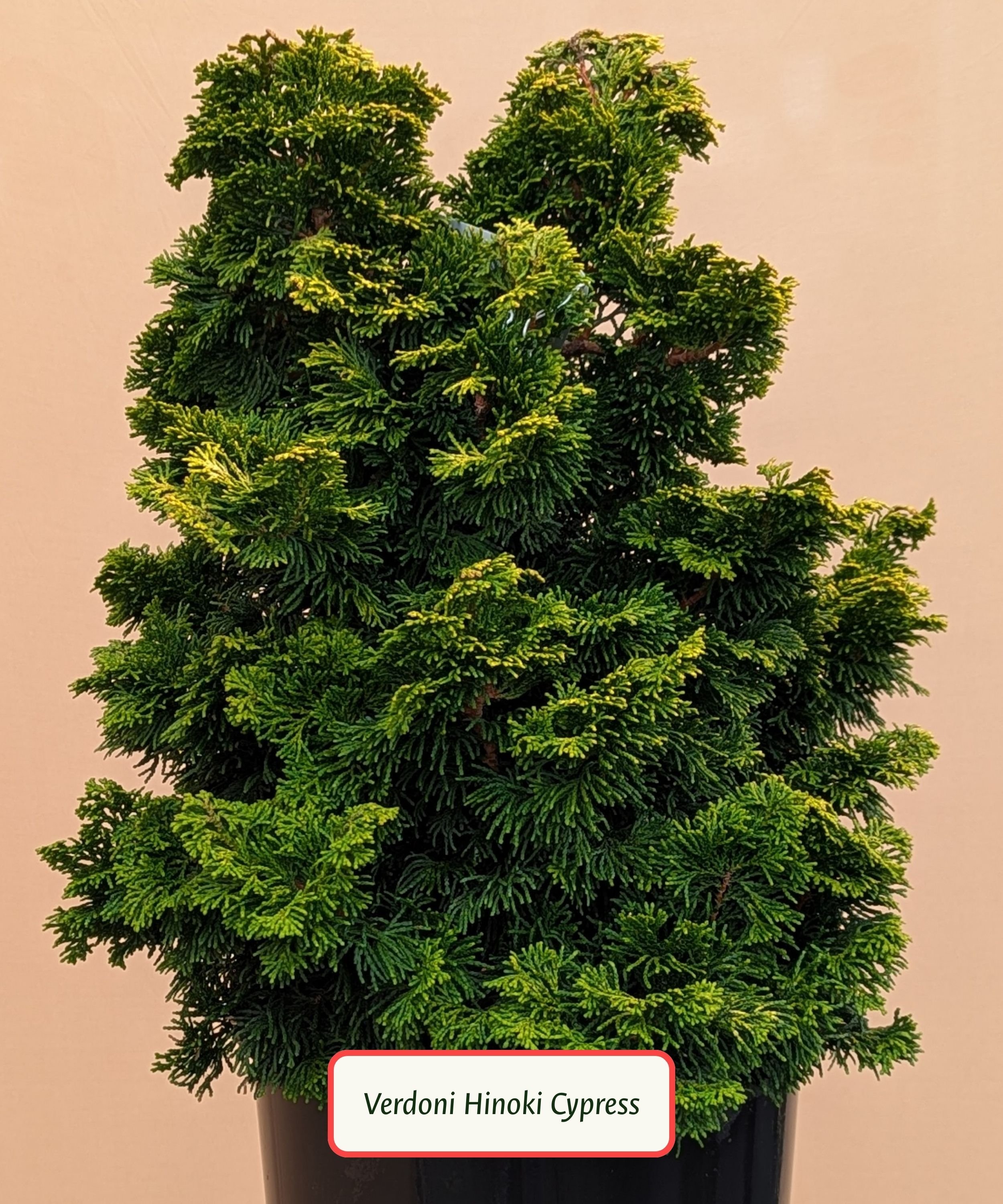
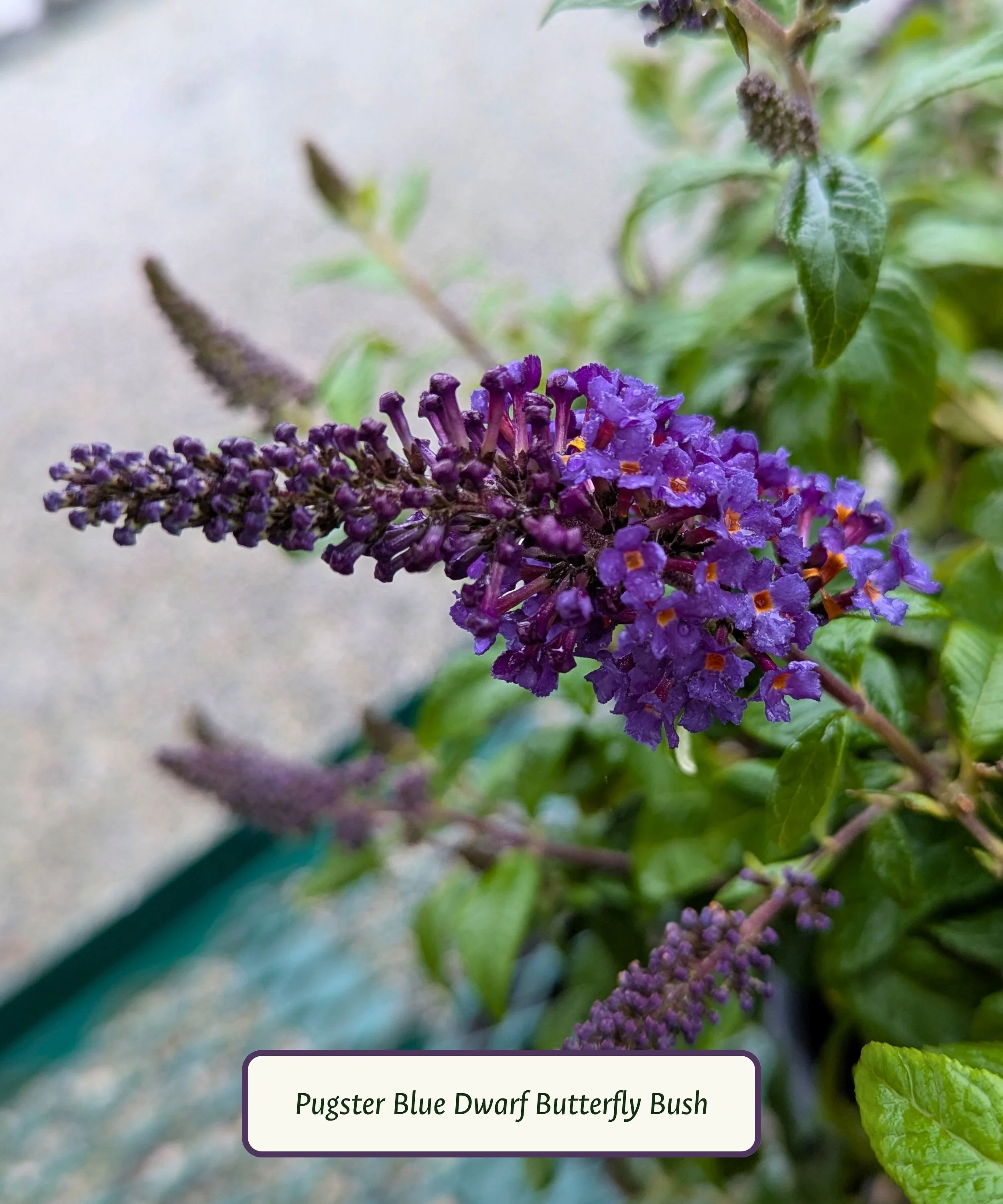
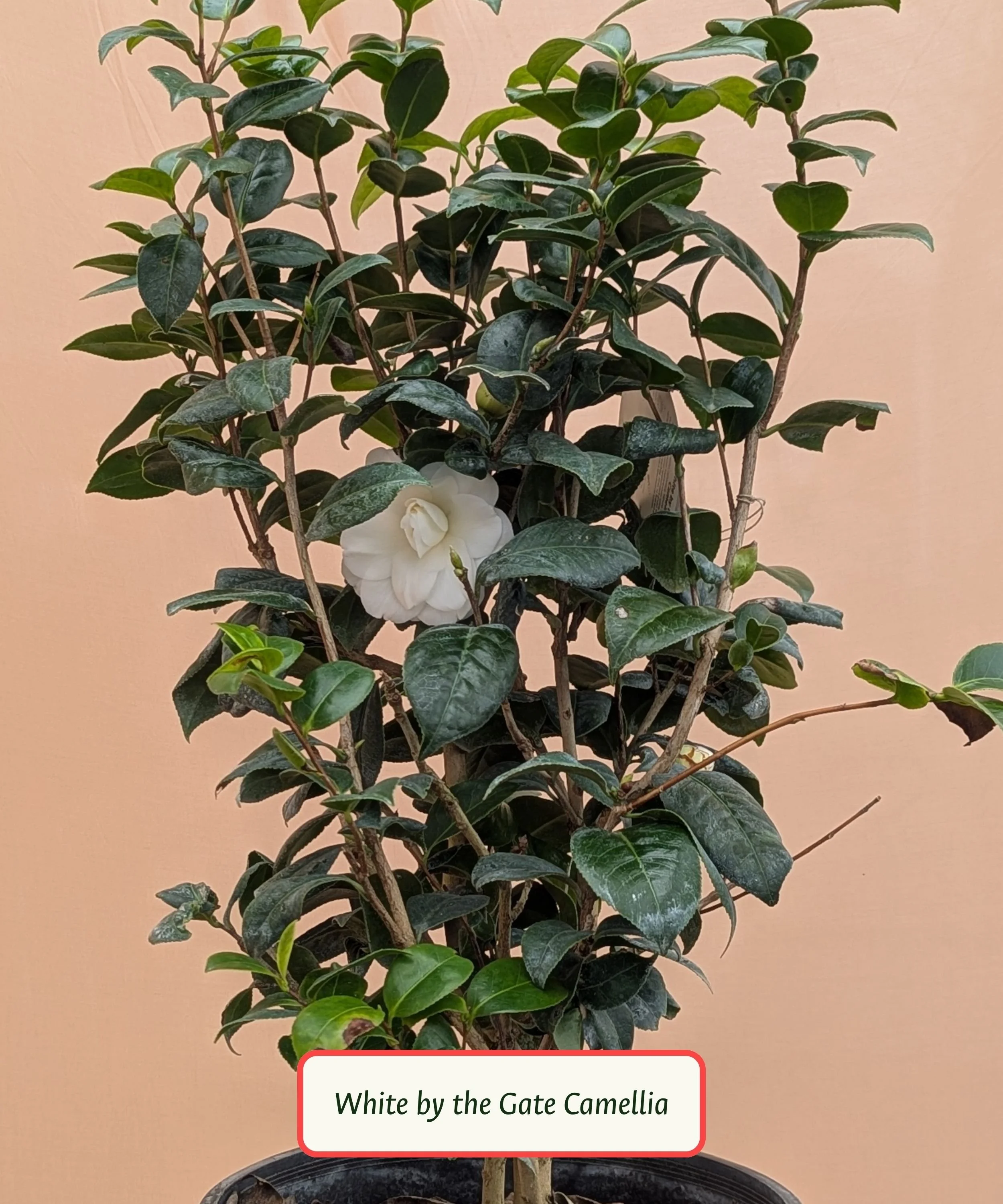
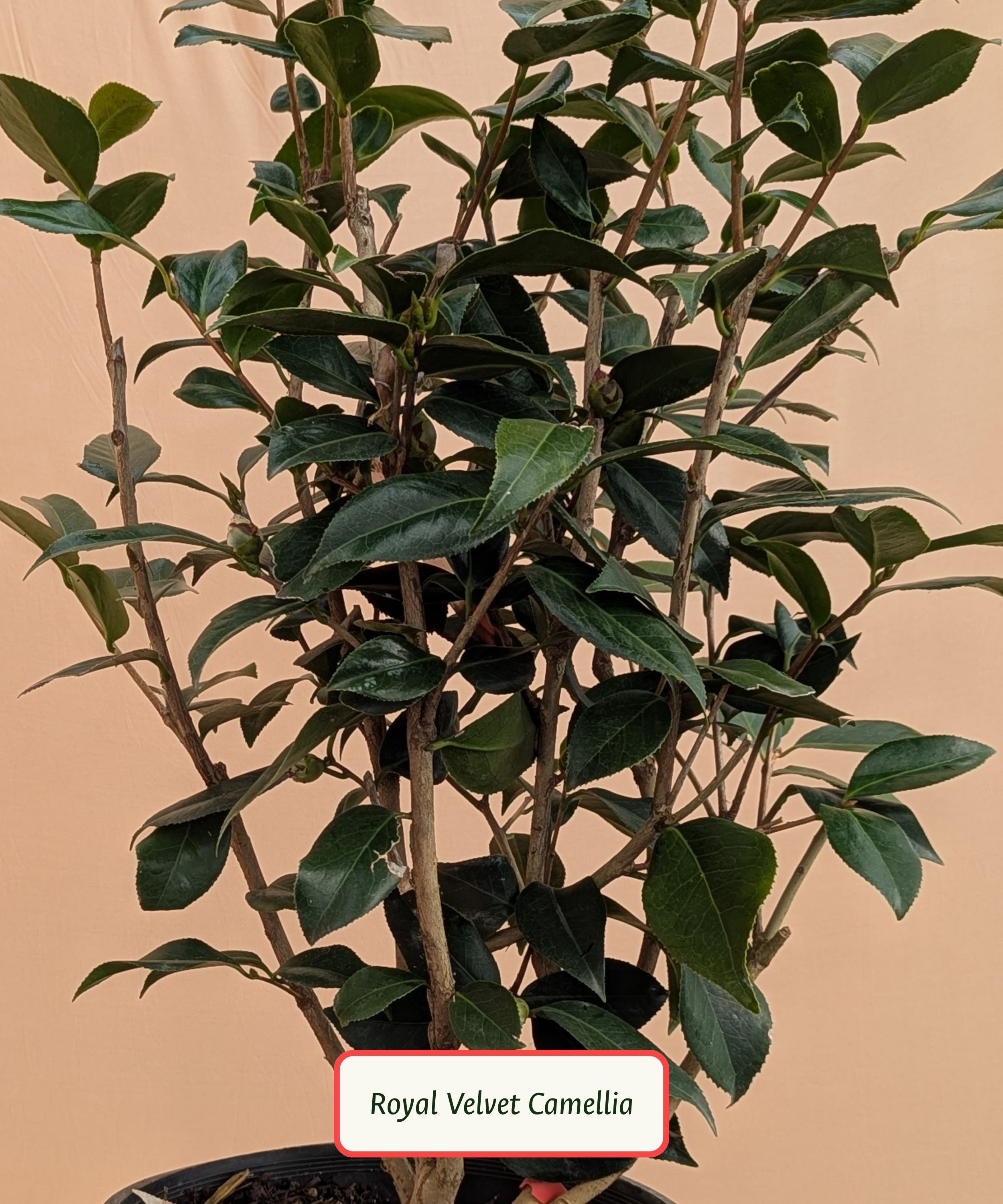
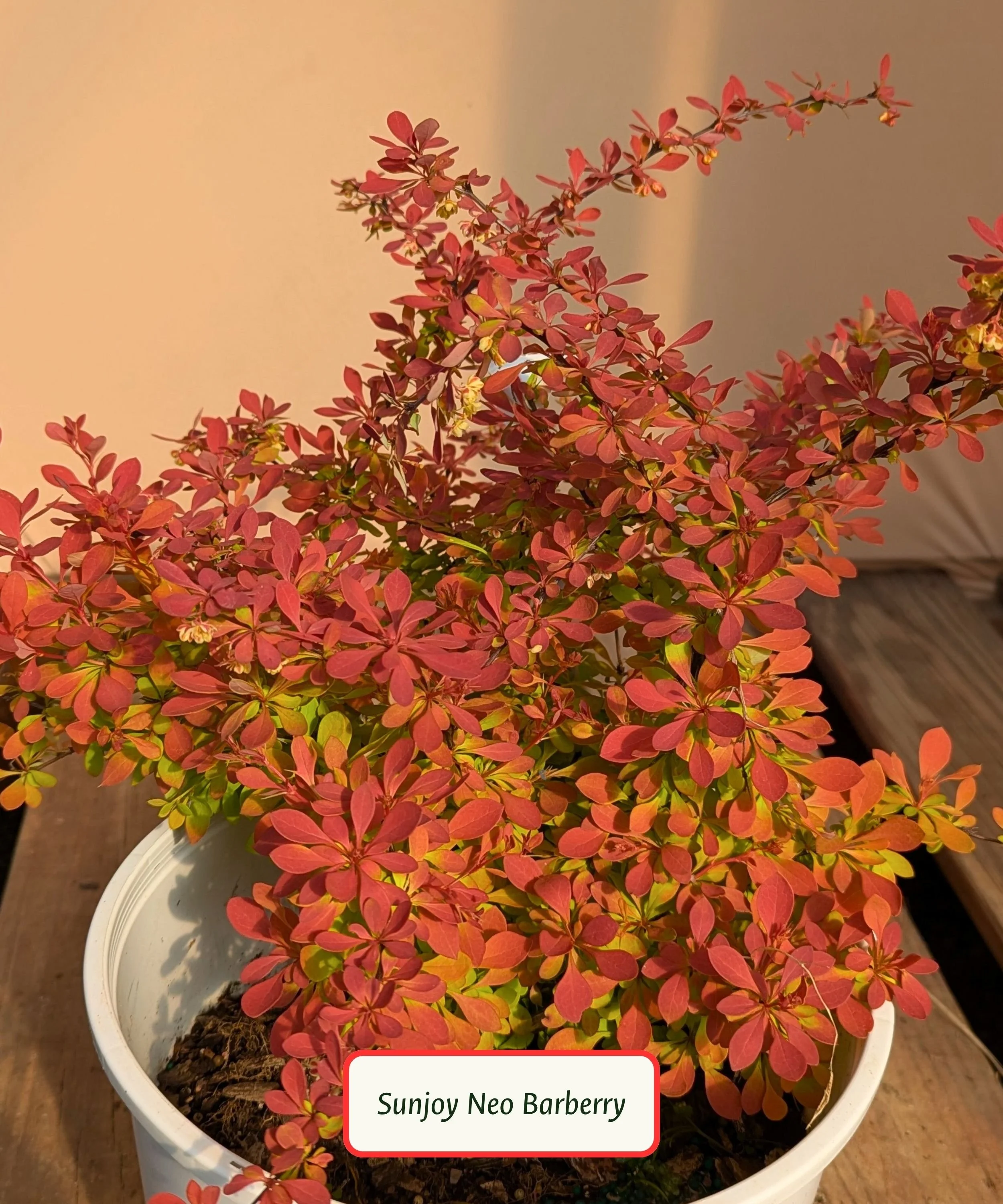 Image 3 of 4
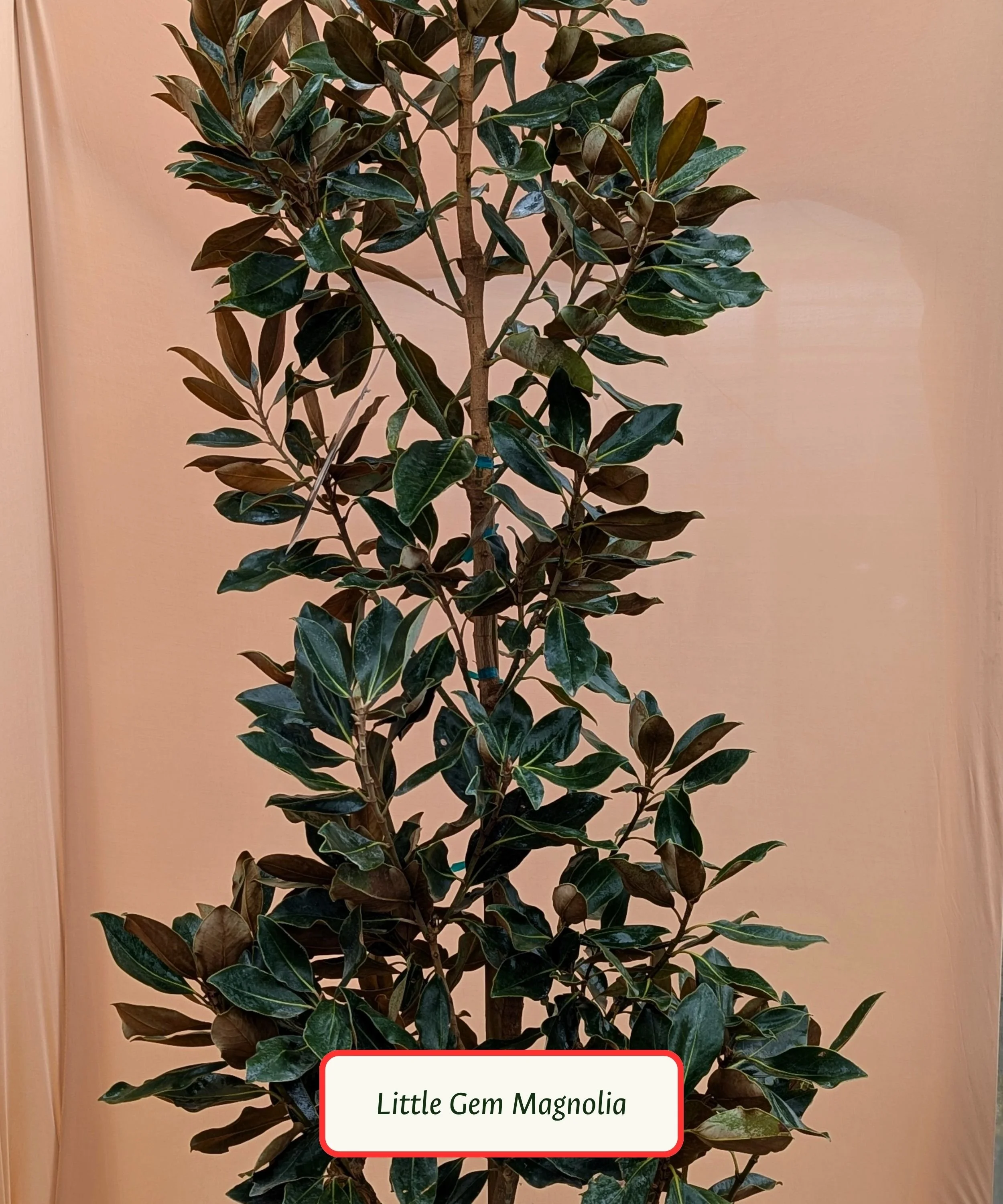
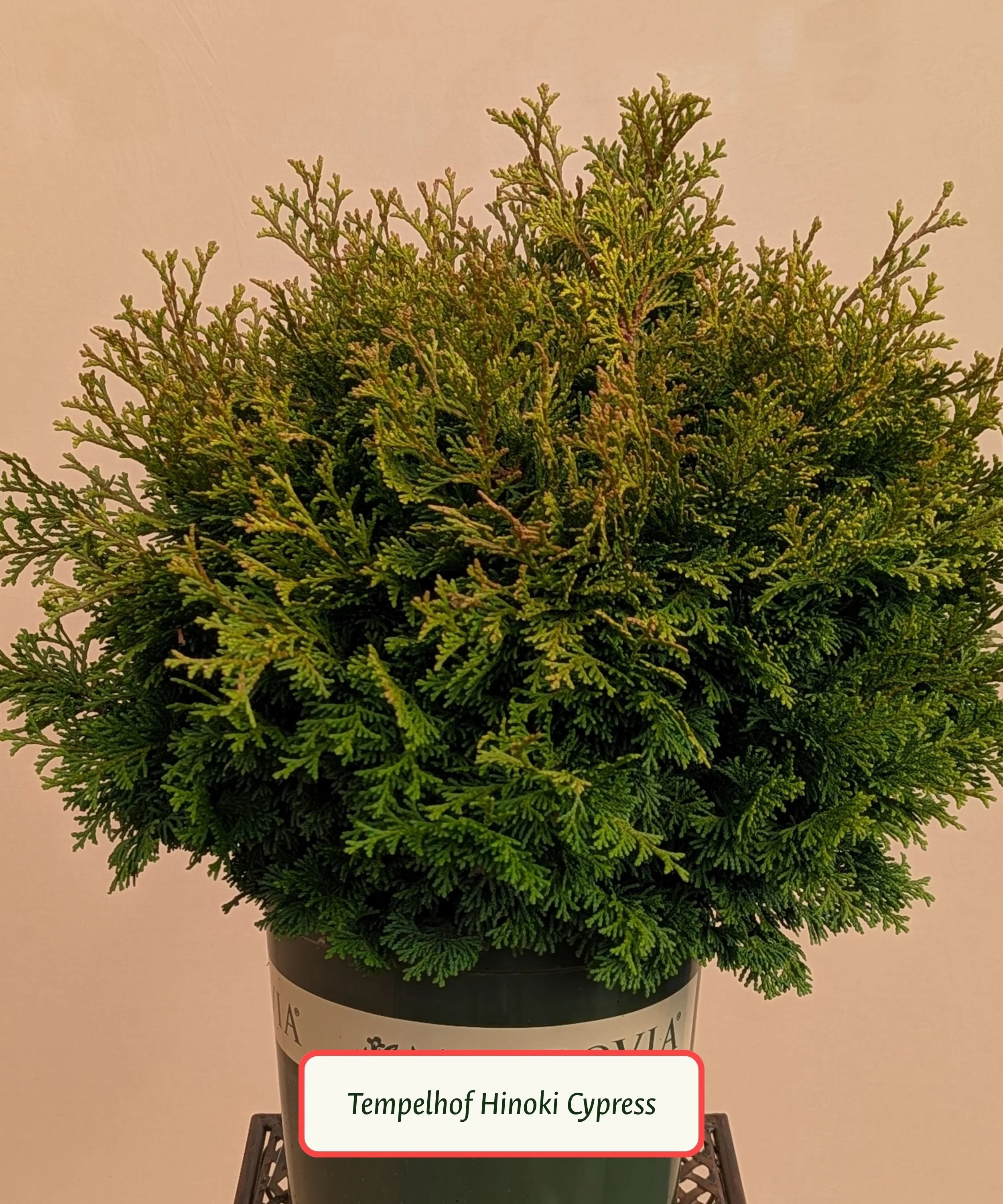
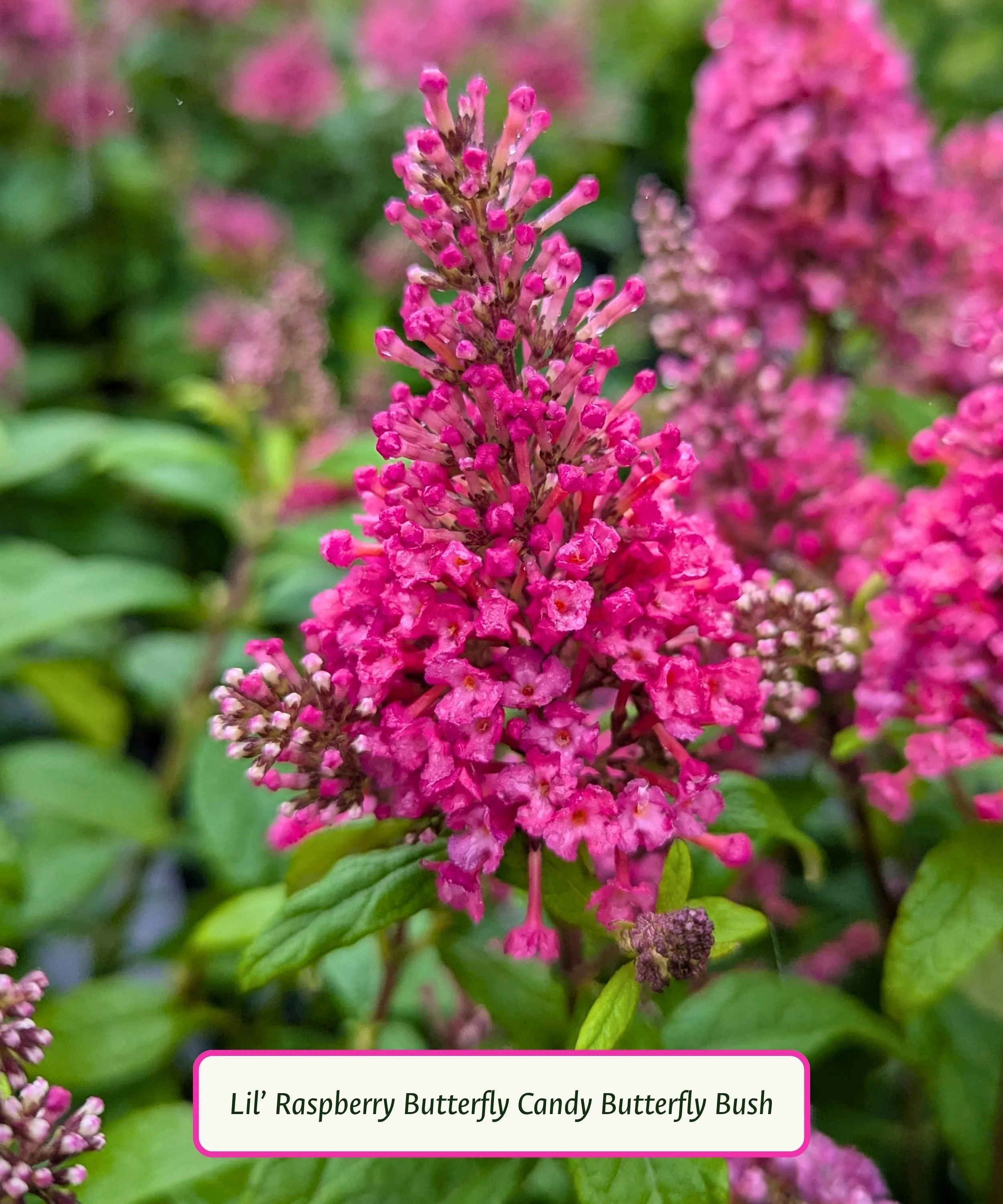
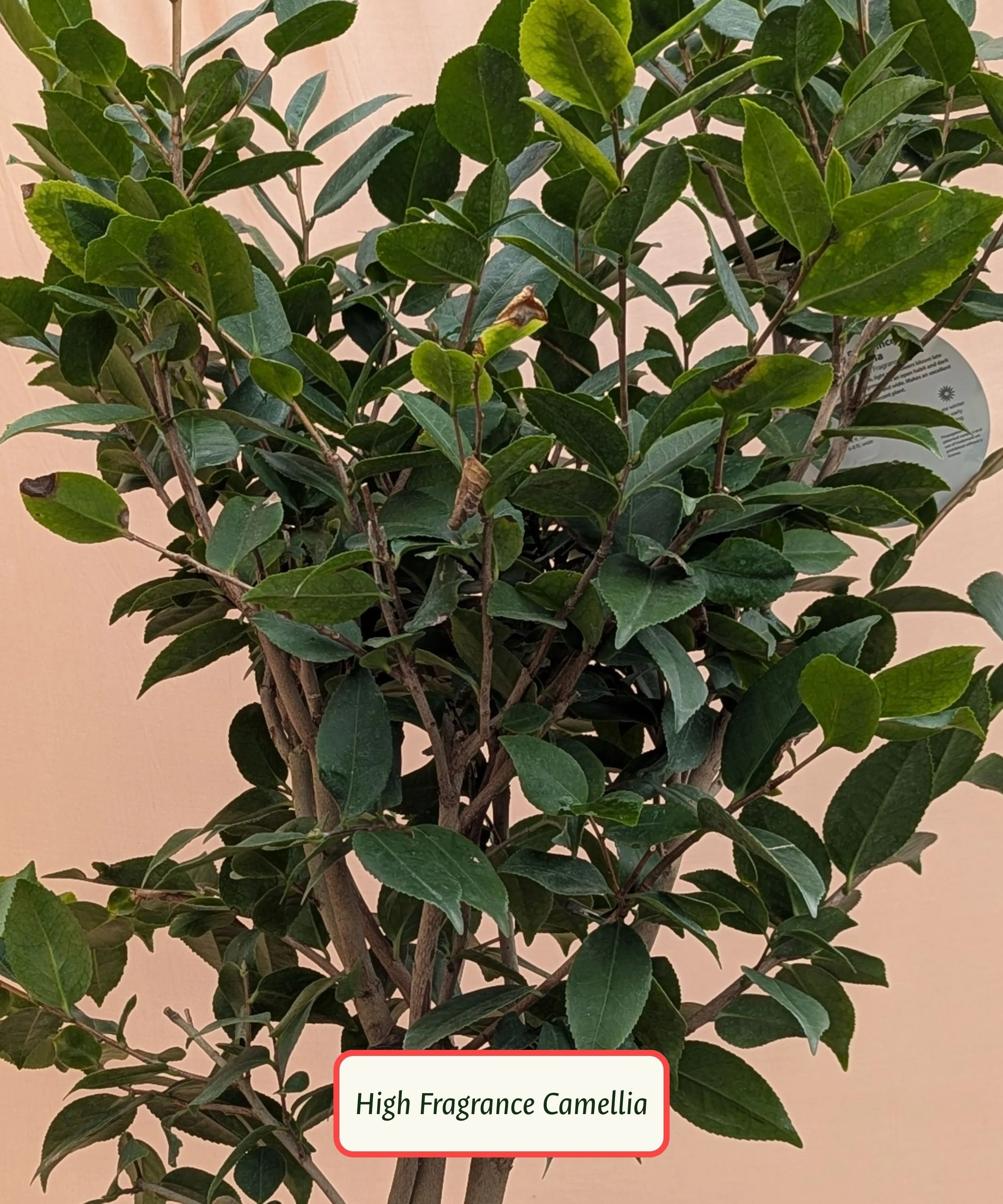
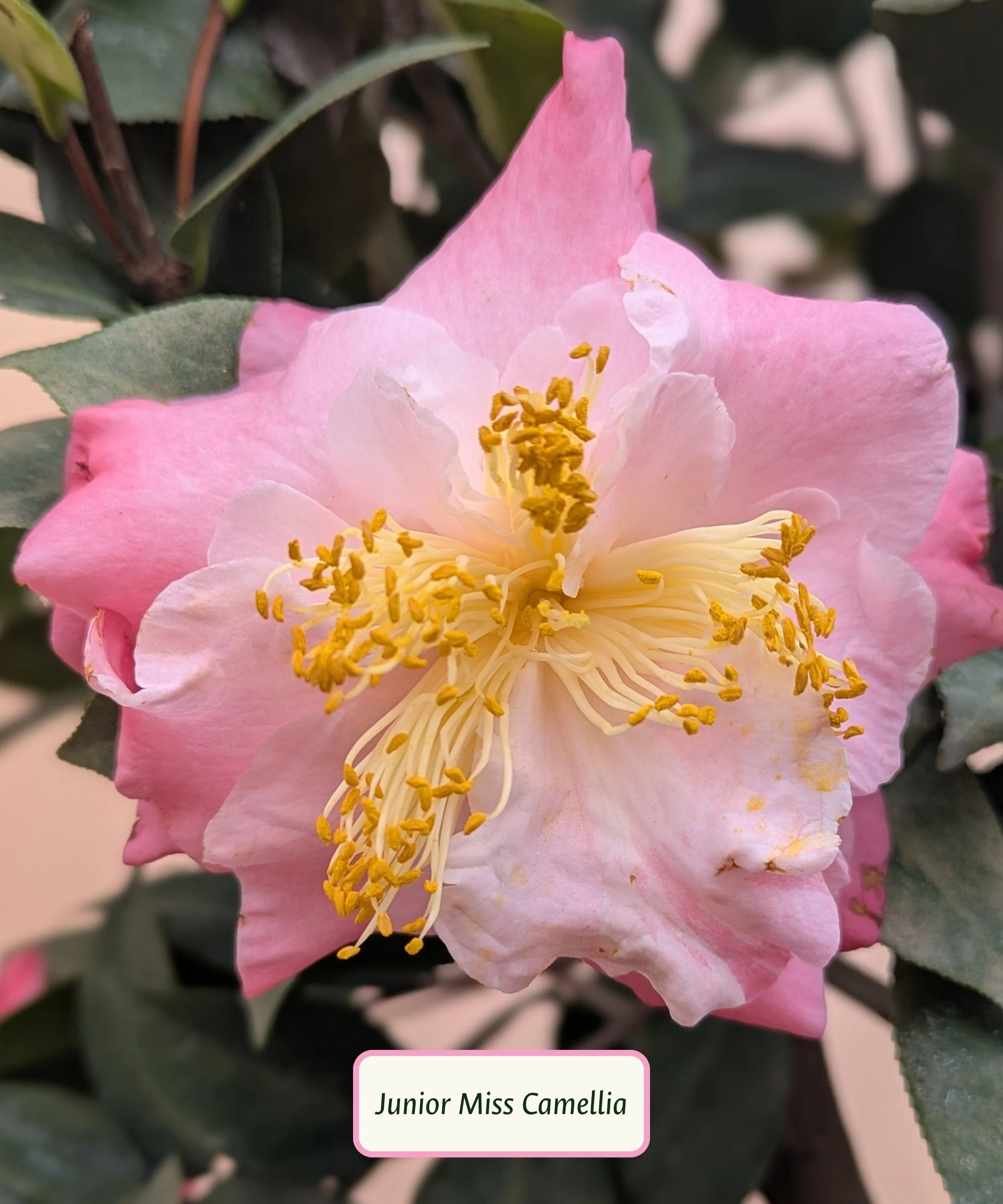
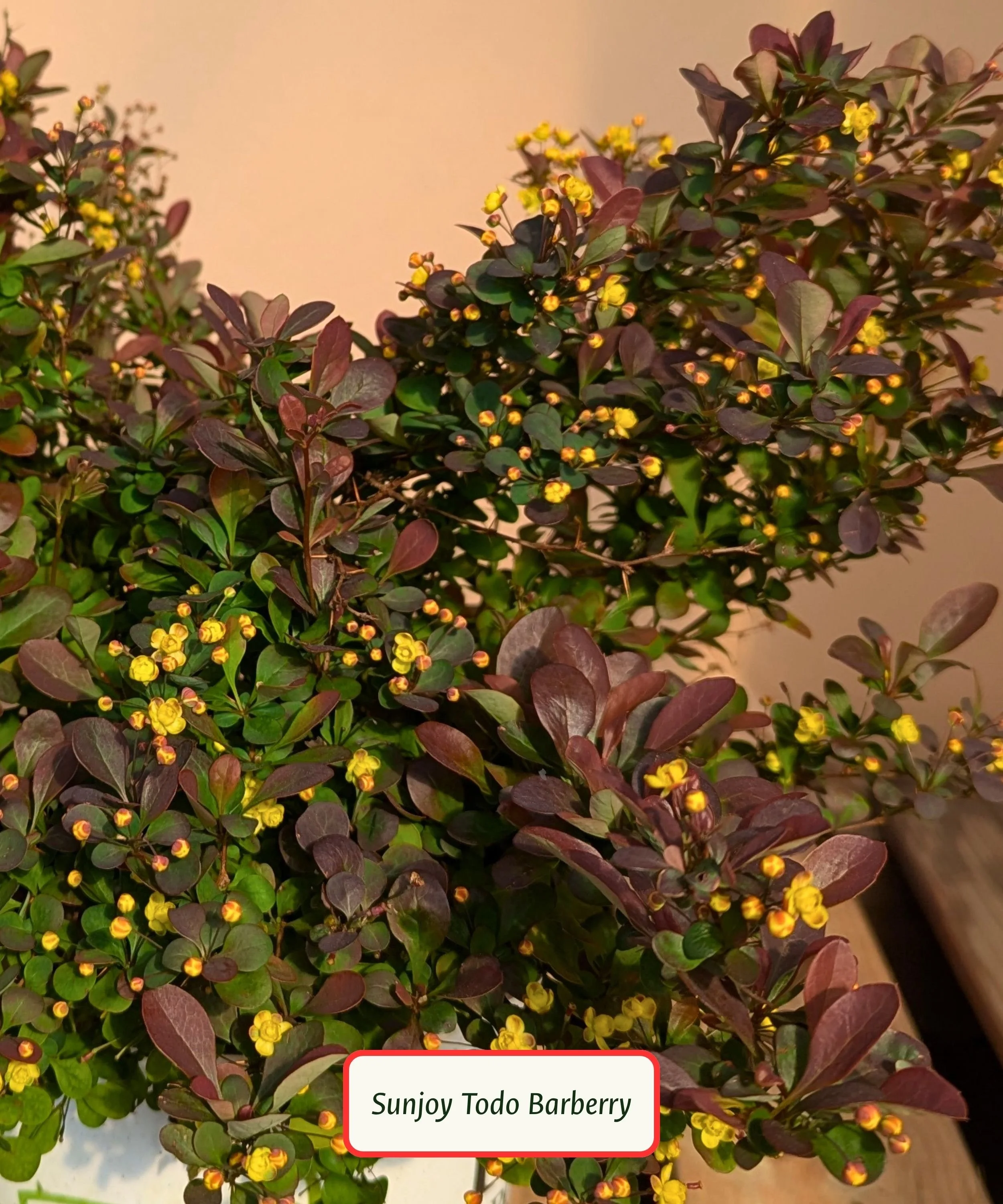 Image 4 of 4
Botanical Name: Berberis
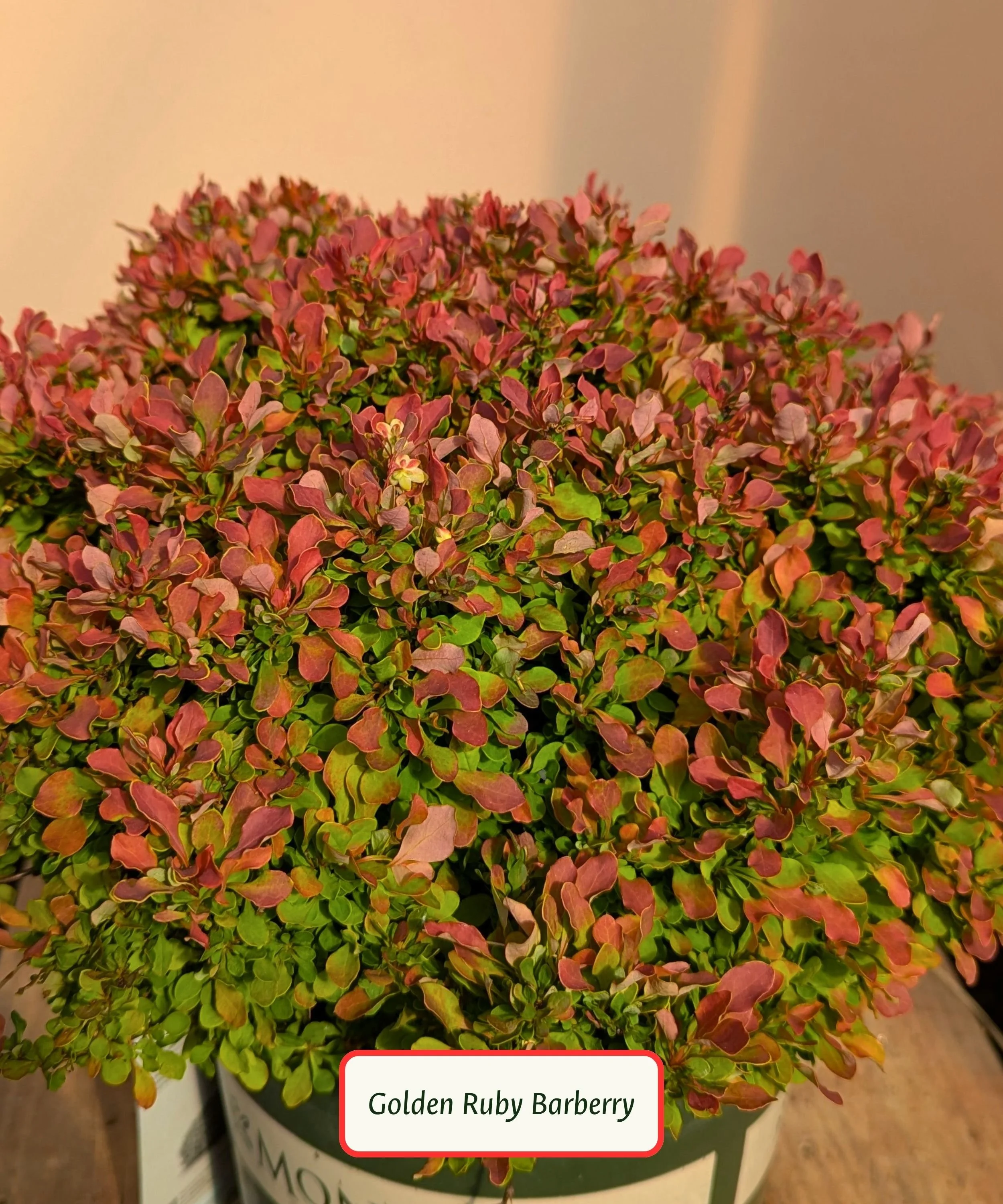
The following varieties may be available: Sunjoy Series (Neo, Orange Pillar, Todo, Gold Pillar), Crimson Pygmy, Concorde, Admiration, Golden Ruby, Gold Nugget, Orange Rocket
Seasons of availability: Fall, Winter, and Spring
Barberry is a woody, deciduous shrub native to Japan. While the straight species itself is not typically used, there are cultivars that perform well in the landscape. Barberry has shown to be seriously invasive in parts of the US. However, there is less concern for this plant in the upstate of South Carolina. The Sunjoy® group of cultivars were selected for sterility and shouldn’t self seed as a regular barberry would.
The foliage on these cultivars often emerges a brighter color before maturing to the final color. Stand out red-orange leaves appear in the fall and showy red fruits last through the fall and winter months. Depending on the cultivar, Barberry may be used for low border hedges, accents or specimens. Use them in an Asian, cottage, formal or drought-tolerant garden.
Barberry prefers full sun and well-draining soils. These cultivars tolerate a wide range of soil types, including clay as long as they are well-drained. They are resistant to browsing by deer and are drought and air pollution tolerant.
Botanical Name: Berberis
The following varieties may be available: Sunjoy Series (Neo, Orange Pillar, Todo, Gold Pillar), Crimson Pygmy, Concorde, Admiration, Golden Ruby, Gold Nugget, Orange Rocket
Seasons of availability: Fall, Winter, and Spring
Barberry is a woody, deciduous shrub native to Japan. While the straight species itself is not typically used, there are cultivars that perform well in the landscape. Barberry has shown to be seriously invasive in parts of the US. However, there is less concern for this plant in the upstate of South Carolina. The Sunjoy® group of cultivars were selected for sterility and shouldn’t self seed as a regular barberry would.
The foliage on these cultivars often emerges a brighter color before maturing to the final color. Stand out red-orange leaves appear in the fall and showy red fruits last through the fall and winter months. Depending on the cultivar, Barberry may be used for low border hedges, accents or specimens. Use them in an Asian, cottage, formal or drought-tolerant garden.
Barberry prefers full sun and well-draining soils. These cultivars tolerate a wide range of soil types, including clay as long as they are well-drained. They are resistant to browsing by deer and are drought and air pollution tolerant.