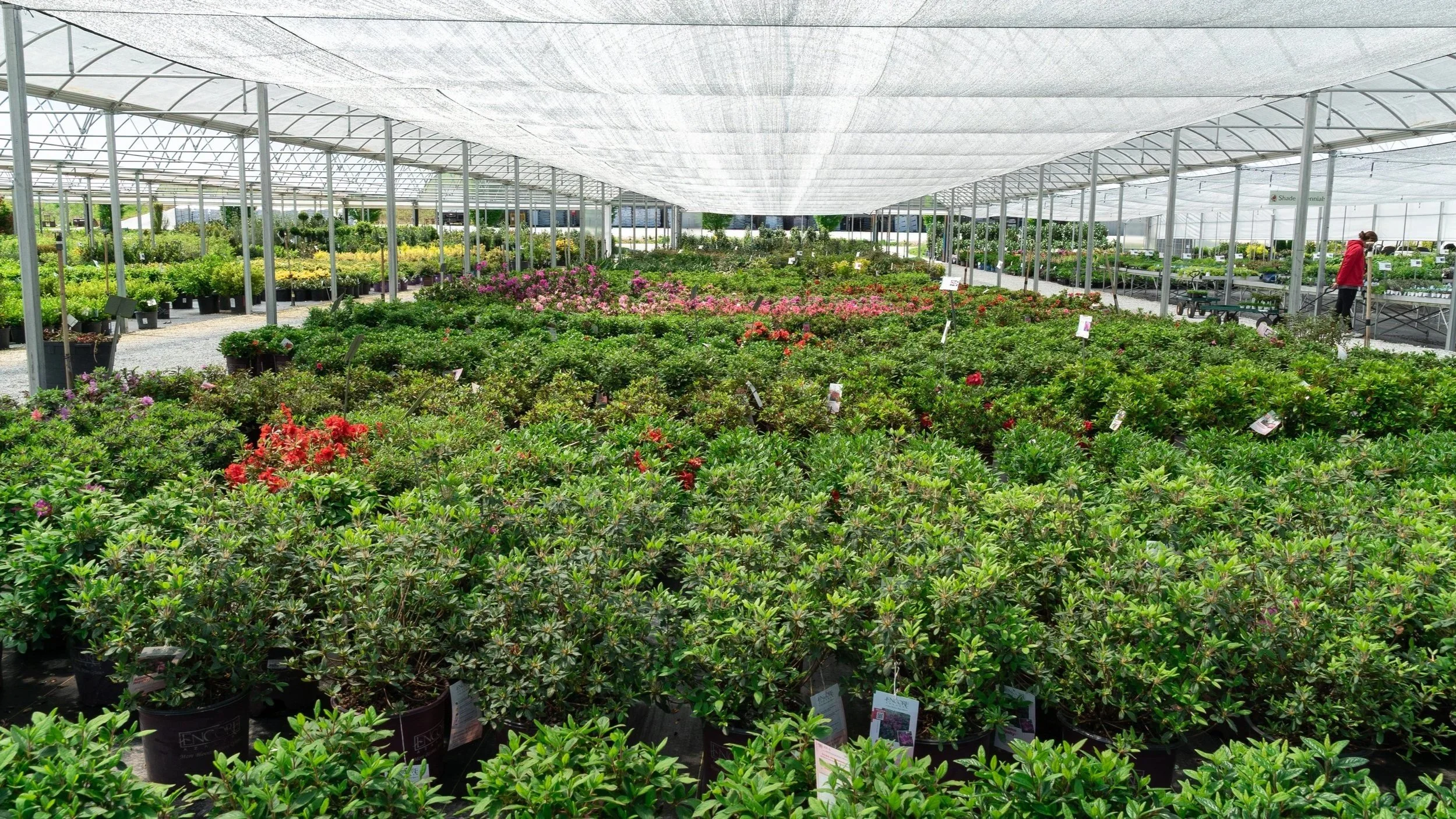
Guide to Soil and Soil Additives for South Carolina
Choosing the right soil and soil additives for your plants is crucial to setting up your flowers, vegetables, trees, shrubs, and houseplants for success. But walking down the garden center aisle can feel overwhelming. What is the difference between a potting mix and raised bed soil? Why do ingredients matter? What soil should you choose for outdoor plants? What soil should you choose for indoor plants? What soil is best for your South Carolina garden? What is a soil additive?
The choices can be overwhelming, and we want to change that.
At Head-Lee Nursery in Seneca, South Carolina, we have over 50 years of horticultural experience. We know South Carolina gardening, and we know South Carolina soil.
So, here’s a guide on what goes into a soil mix, how the individual ingredients help your plants, and how to choose the perfect soil and soil additives for your plants.
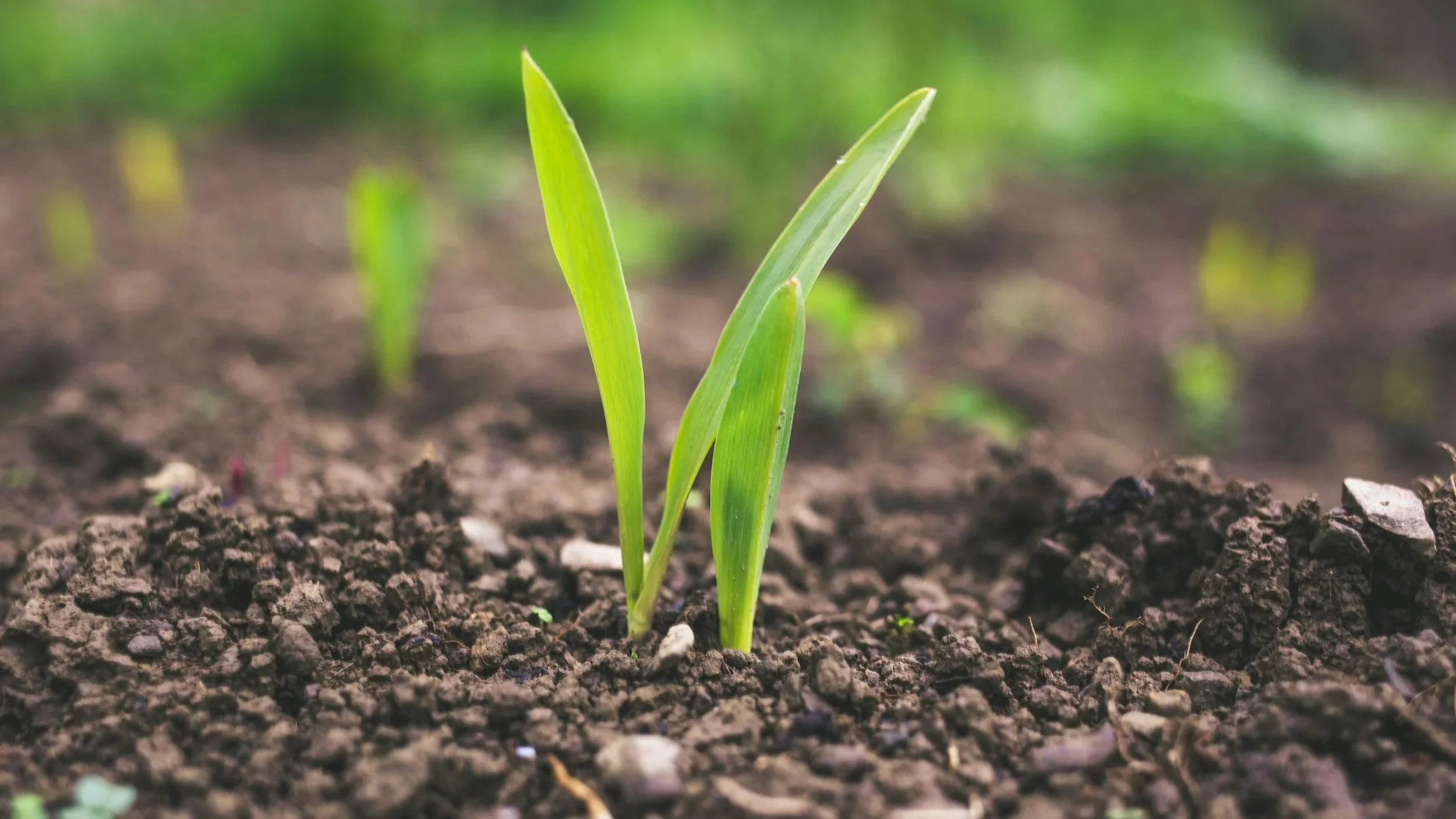
Understanding Soil Ingredients
Before deciding where to put your soil, it helps to know what is inside the bag. Each ingredient has a specific purpose, and understanding those purposes will help you choose what mix and balance is right for your gardening goals. Here are the five key ingredients you will often encounter in soil mixes and what they do.
Compost
Compost is food for soil microbiomes, meaning the microscopic life forms in the soil. This breaks down over time to provide nutrients to your plant's roots.
Bark
Bark gives the soil mix structure. It often comes in shredded or aged bark forms. Bark provides airflow and drainage so your plants don’t suffocate. However, bark is not the same as woodchips or particles, which eventually decompose and act more like immature compost.
Peat Moss
Think of peat moss as little sponges. Peat moss holds moisture without making the soil dense or heavy.
Perlite
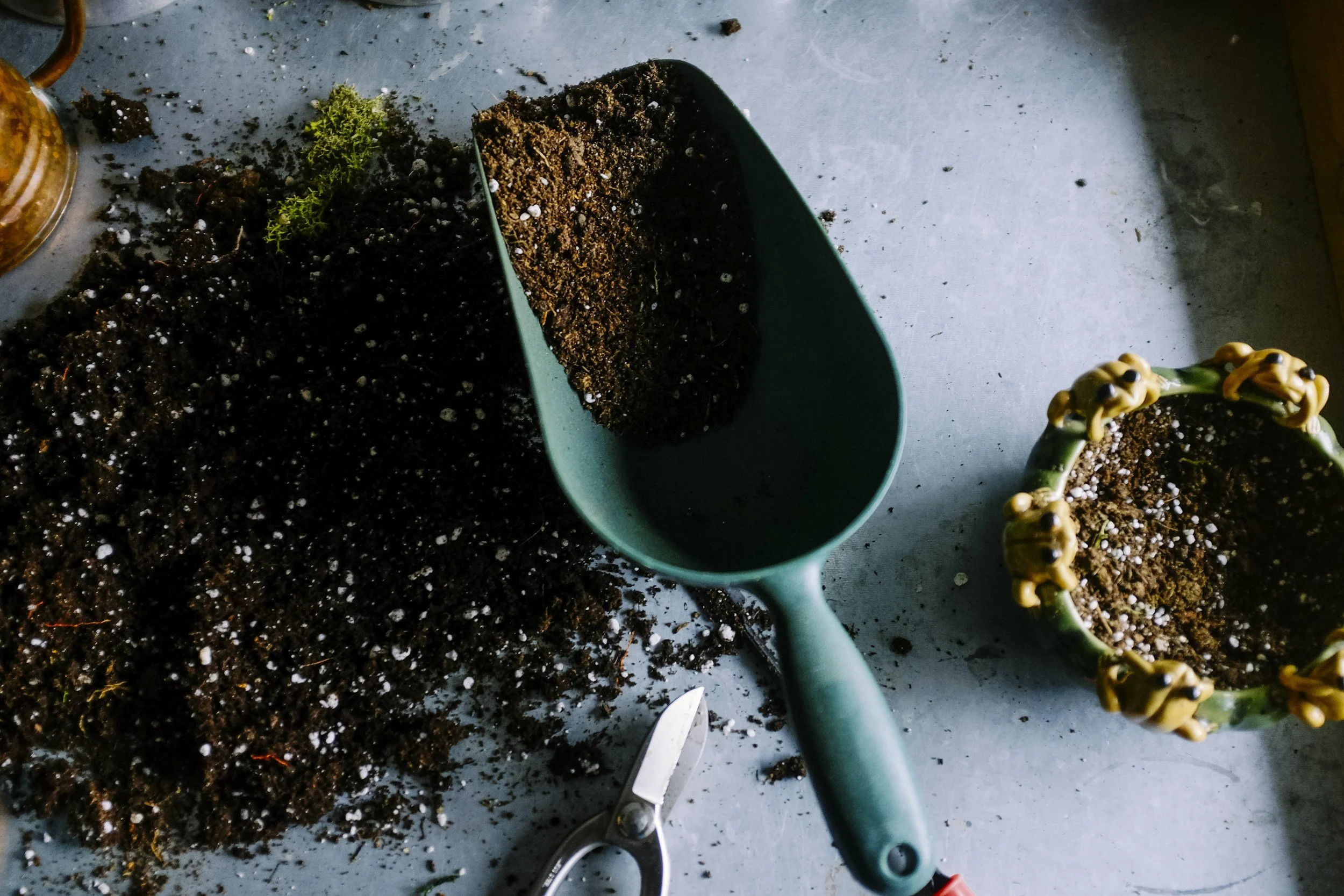
Perlites are those white specks you see in soil mixes. They keep the soil mix lightweight, and they boost drainage so your plants don’t get soggy roots, which can result in root rot.
Vermiculite
Vermiculite is a mineral with a porous surface that holds onto nutrients and water in the soil . It then releases those nutrients and water molecules as the plant needs them. Vermiculite has a neutral pH, so adding vermiculite to a soil mix won’t alter the soil’s acidity.
When to Use What: Potting Soil vs. Raised Bed Soil
Different growing environments require different soil structures, because using the wrong medium can lead to stunted growth or root rot. Here is how to navigate your choices.
Potting Soil / Potting Mix
Best For: Indoor houseplants, porch hanging baskets, and patio containers
When plants grow in pots, the roots have limited space. So, a potting mix needs to be lightweight, retain moisture without compacting, drain quickly, and hold nutrients.
A potting mix won't contain real dirt or field soil. Instead, it relies on a blend of bark, peat moss, perlite, vermiculite, and sometimes a starter compost. This combination ensures your container plants avoid getting soggy roots, which can cause root rot and can kill houseplants and outdoor plants.
Raised Bed Soil
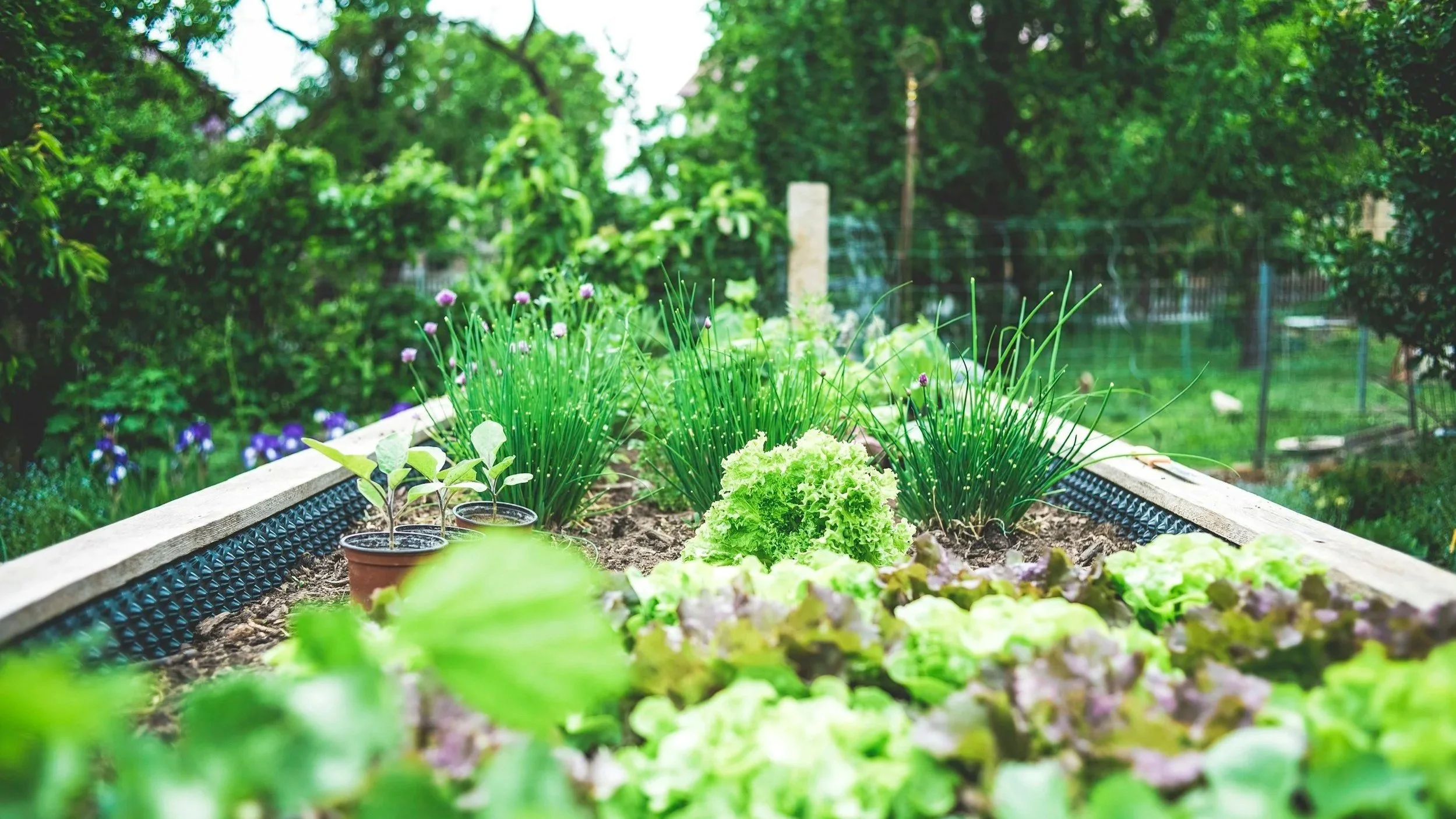
Best For: Planter boxes, stock tanks, elevated bed, closed containers, or garden beds with a solid barrier
If you grow vegetables or flowers in a closed container that doesn't connect to the ground, you need a mix that can handle volume. Closed raised beds need to stay lightweight, drain well, and hold nutrients. However, because materials like bark and compost decompose and shrink over time, a closed bed filled with organic matter will experience sinkage after a season or two.
To combat this, closed raised bed soils should include inorganic matter like sand. The sand provides a permanent physical structure that won't rot away, keeping your soil level consistent. A typical mix includes bark, compost, and sand. It may be beneficial to incorporate additional inorganic materials like native clay into deeper raised beds to further reduce sinkage. However, native soils are not sterile and may introduce soil borne root disease into the bed.
In-Ground or Open-Bottom Raised Bed Soil
Best For: Open containers and bottomless raised beds built in or on top of your yard's natural soil
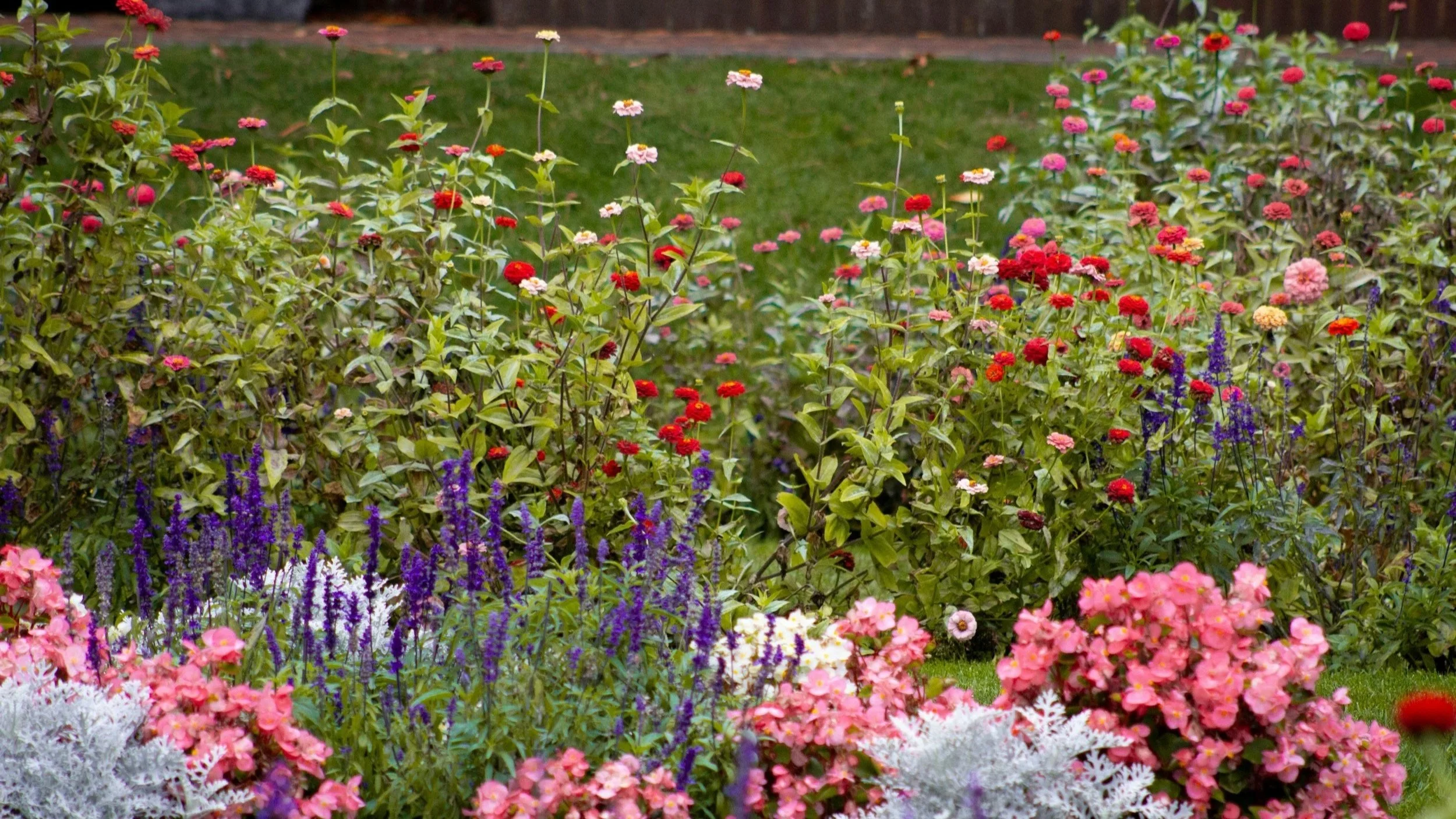
When your raised bed is open to the ground below or you are incorporating the material into the natural soil, the rules change. If you live in an area with heavy South Carolina clay, then avoid adding sand to your soil mix. Mixing small amounts of sand with heavy clay creates a texture similar to concrete, which is not good for plants.
Also, because raised beds drain into the earth below, perlite and vermiculite additives are usually unnecessary.
Instead, use a blend of bark and compost for your raised beds or in ground plantings. The bark keeps the bed loose and aerated, while the compost infuses nutrients into the native soil underneath. This has the added benefit of attracting earthworms into your garden bed.
Soil Options We Carry at the Nursery
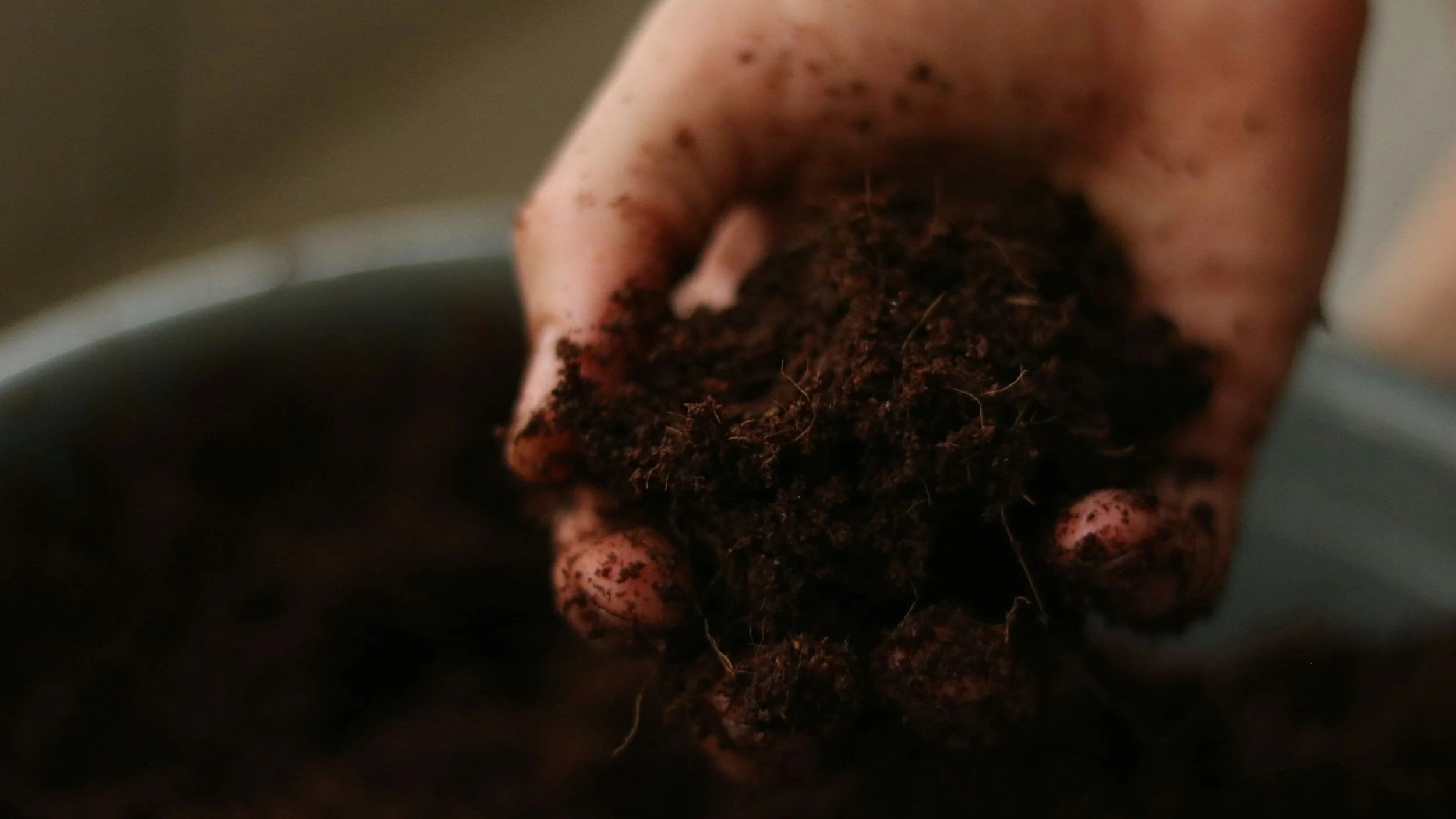
Our South Carolina nursery has several soils, composts, and additives to help your garden succeed and thrive. Here are some of the options available at our Seneca garden center.
Soil & Potting Mixes
Black Kow Top Soil: Use this product to fill in bare spots, level out garden beds, and renew lawns. This product is also good for plants that are native to South Carolina.
FoxFarm Happy Frog: Packed with microbes and fungi, this mix is perfect for giving container plants a head start.
Daddy Pete's Lawn and Garden: This is a good multipurpose organic soil blend. Use it for flowers, vegetables, and bare spots. You can also use this product for creating a solid foundation for new planting zones, backfilling holes, and rejuvenating lawns.
Daddy Pete’s Planting Mix: A loose blend of composted pine bark and cow manure, this blend is ideal for incorporating into heavy clay for improved aeration and nutrition.
Royal Gold Potting Mix: A loose, aerated blend, this mix is perfect for indoor tropicals, houseplants, and patio plants.
Natural Composts & Manures
Black Kow Cow Manure Compost: This is a classic, moisture-retaining choice for enriching South Carolina dirt.
Humble Acres Chicken Manure Compost: Since this product is high in nitrogen, use it for backyard crops and vegetable gardens.
Mushroom Compost: Use a mushroom compost to add a nutrient-rich organic layer to top off open raised beds and vegetable gardens.
Specialty Additives
BioTone Plant Starter: This fertilizer blend adds a balanced blend of beneficial microbes that encourage root health and help plants resist infection from soil-borne root rot diseases that are prevalent in heavy soils in the Southeast.
Royal Gold Worm Castings: Worm castings are nature's fertilizer. Use this organic soil additive to boost root health and plant vigor.
Visit Head-Lee Nursery for Soil, Soil Additives, and Fertilizer
Whether you’re setting up a backyard vegetable garden or potting a new vine for your living room, the soil foundation you give your plants makes a huge difference. At Head-Lee Nursery in Seneca, we provide plants, soil, soil additives, and expert and friendly guidance to upstate South Carolina gardeners. You can also read our “Outdoor Plant Fertilization Guide for South Carolina Gardeners” for further guidance on choosing the right fertilizer for your soil and garden goals.
Stop by our garden center today to check out our selection of soil and soil amendments, or call us at (864) 882-3663 if you have questions. We look forward to seeing you!