Best Flowers for Attracting Butterflies in South Carolina
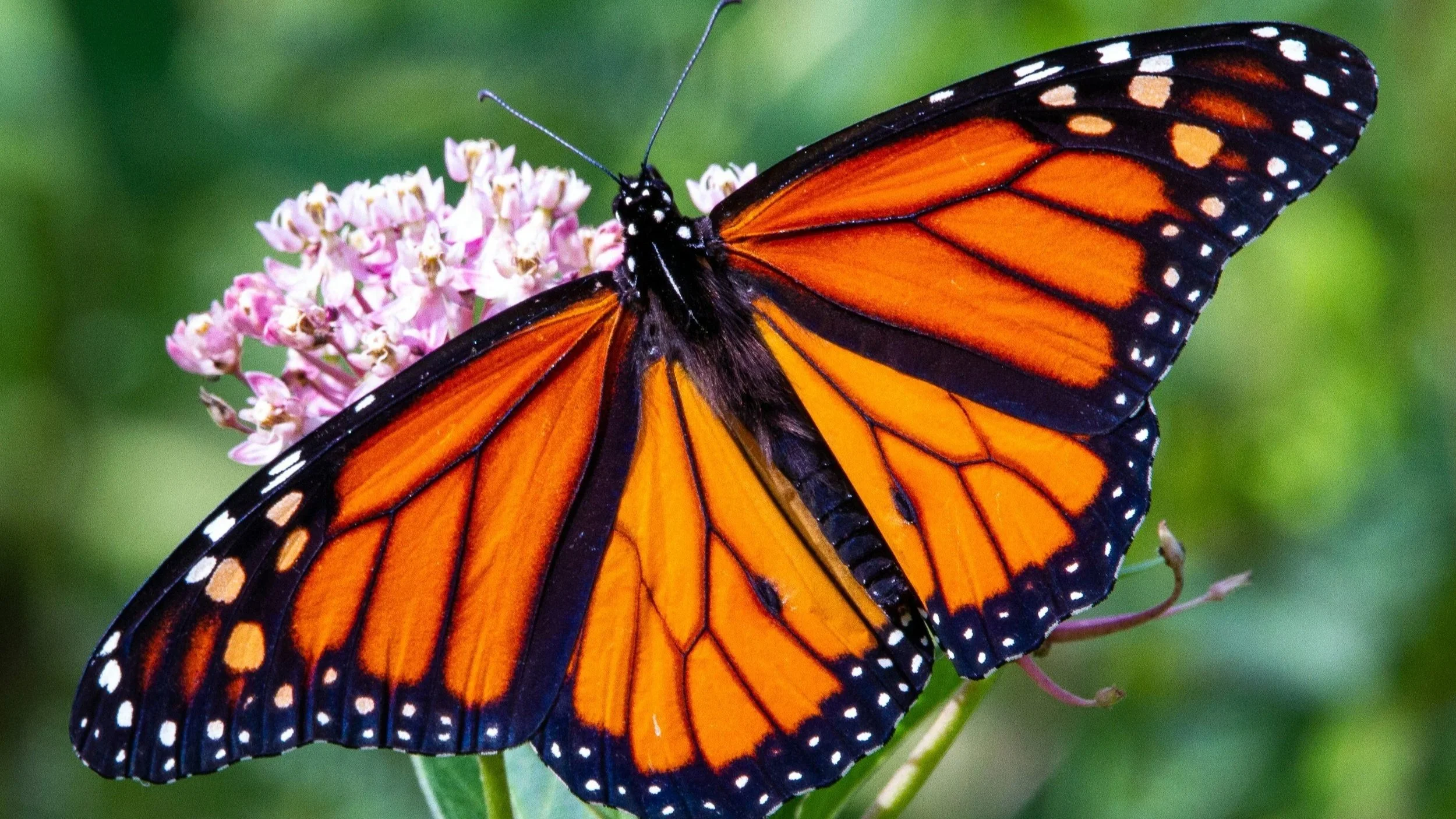
One of the best parts of planting a garden is having flowers that attract local pollinators, especially butterflies! In fact, upstate South Carolina sits in the path for migrating butterflies, such as Monarch butterflies, Gulf Fritillaries, and Eastern Tiger Swallowtails.
But how do you attract butterflies to your South Carolina garden? What flowers are the best for attracting butterflies?
At Head-Lee Nursery, we know South Carolina garden, and we have over 50 years of horticultural expertise. So, we know exactly how to bring all the butterflies to your yard. Here are five of our favorite flowers for attracting butterflies.
Lantana
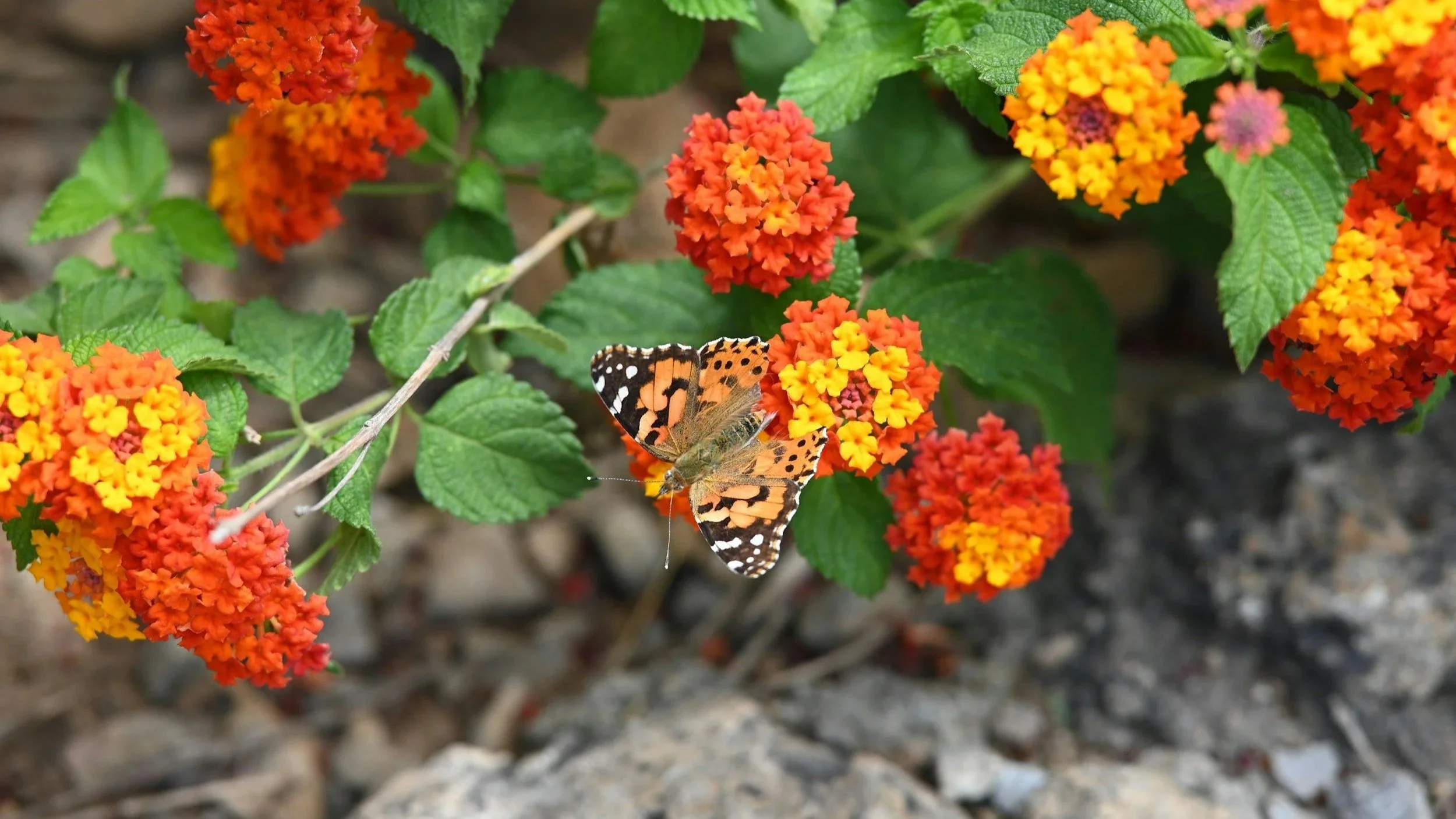
Lantana produces clusters of small flowers that act as nectar cups for butterflies. The flowers also have semi-flat tops that make it easy for butterflies to land on the flowers, and butterflies love lantana flowers’ tubular shapes.
Lantana’s continuous and colorful blooms throughout the summer and the plant’s heat tolerance also make it a favorite among South Carolina gardeners. Plus, this is a deer-resistant plant that requires little maintenance once it is established.
Plant lantana in containers, as border flowers, or as shrubby tender perennials. Be sure to choose your variety carefully, as most varieties will not overwinter in the upstate of South Carolina.
How to Care for Lantana
Lantana needs a location with sun for at least 6 hours a day to bloom. Also, plant it in well-draining soil. While lantana can handle dry spells once established, it rots easily in standing water. Finally, feed lantana with a balanced fertilizer no more than once a month.
Butterfly Bush
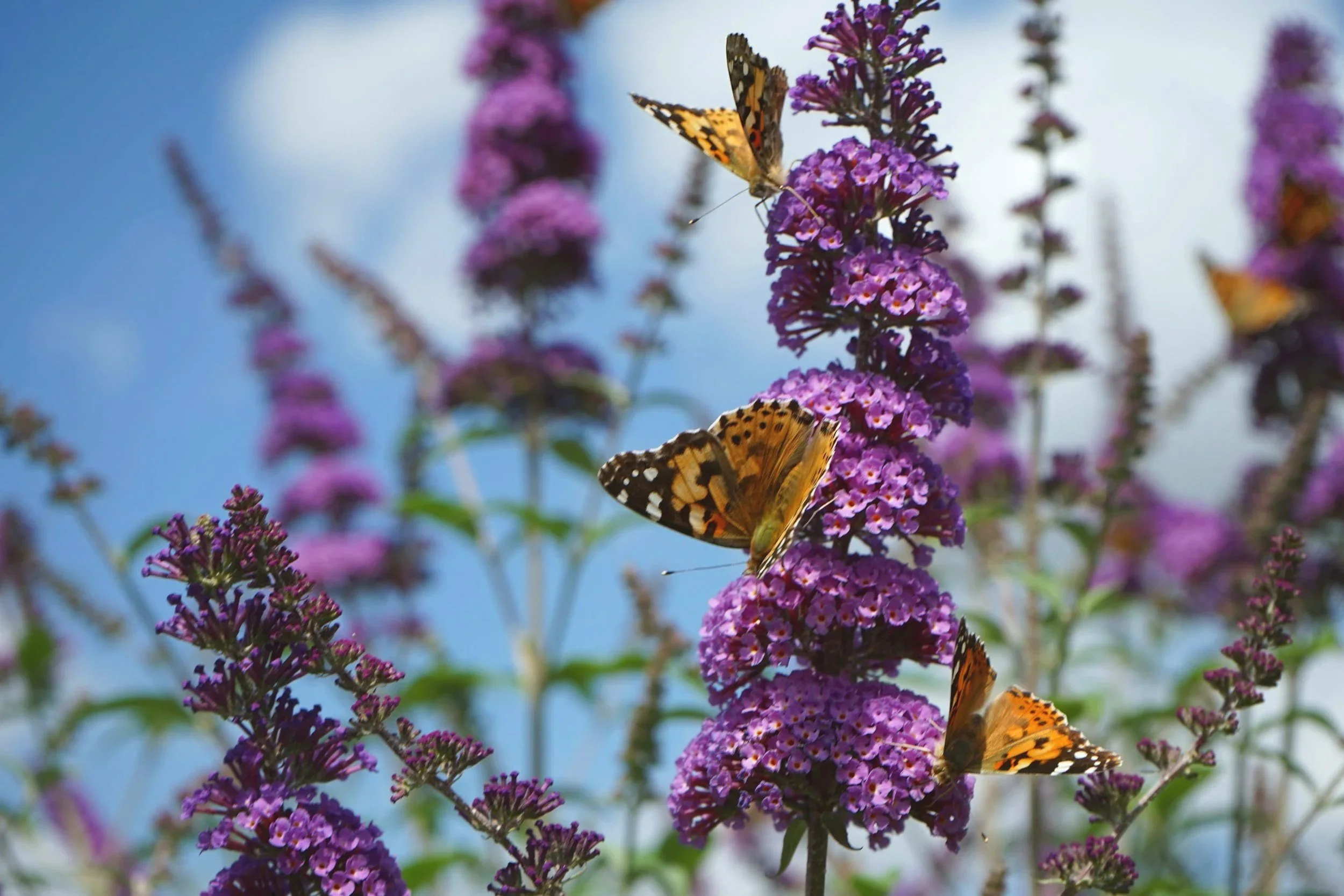
The butterfly bush is aptly named! Butterflies love this perennial plant for its large cone-shaped flower spikes. The blossoms come in shades of white, pink, blue, and purple flowers.
South Carolina gardeners love the butterfly bush for its rapid growth, ability to thrive in dry sunny areas, and fragrant flowers. There are also several dwarf varieties available that grow slower and are low maintenance.
Plant butterfly bushes as border flowers, focal points, or in large containers.
How to Care for a Butterfly Bush
A butterfly bush should be planted in a sunny spot to maximize its blooming potential. The soil can be poor, sandy, or loamy as long as the soil is well-draining. They do not tolerate wet soils. Water the plant no more than once a week during dry stretches and remove spent flower spikes to stimulate blooms. Prune the shrub back in winter to keep its shape tidy.
Coneflower
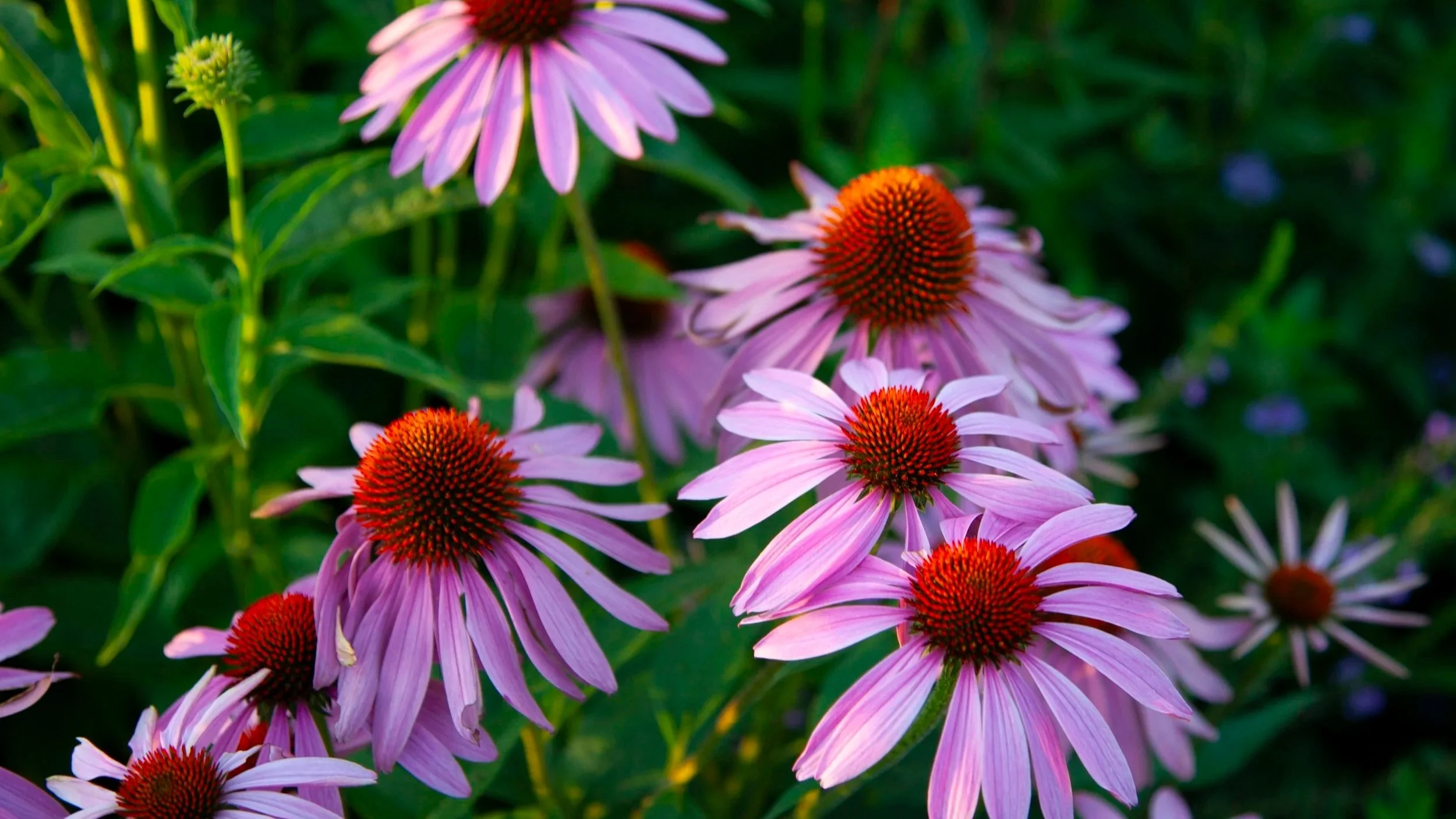
Coneflower is a perennial that is native to South Carolina. This means that in addition to this flower attracting butterflies to your garden, it’s already suited to South Carolina’s seasonal weather shifts. Plus, coneflowers are both cold-tolerant, heat-tolerant, drought-tolerant, and low maintenance.
Plant coneflowers in a designated pollinator garden (we love a good pollinator garden to support local pollinators!), garden beds, or as border flowers.
How to Care for Coneflower
Give coneflowers full to partial sun. Ensure they have well-draining soil to prevent root rot, and water them during their first summer to help them establish roots. After that first year, your coneflowers will only need watering if there has been no rain for 3-4 weeks.
While you can deadhead these flowers, we highly recommend that you leave the spent flower heads intact during the fall to provide winter seeds for birds.
Black-Eyed Susan
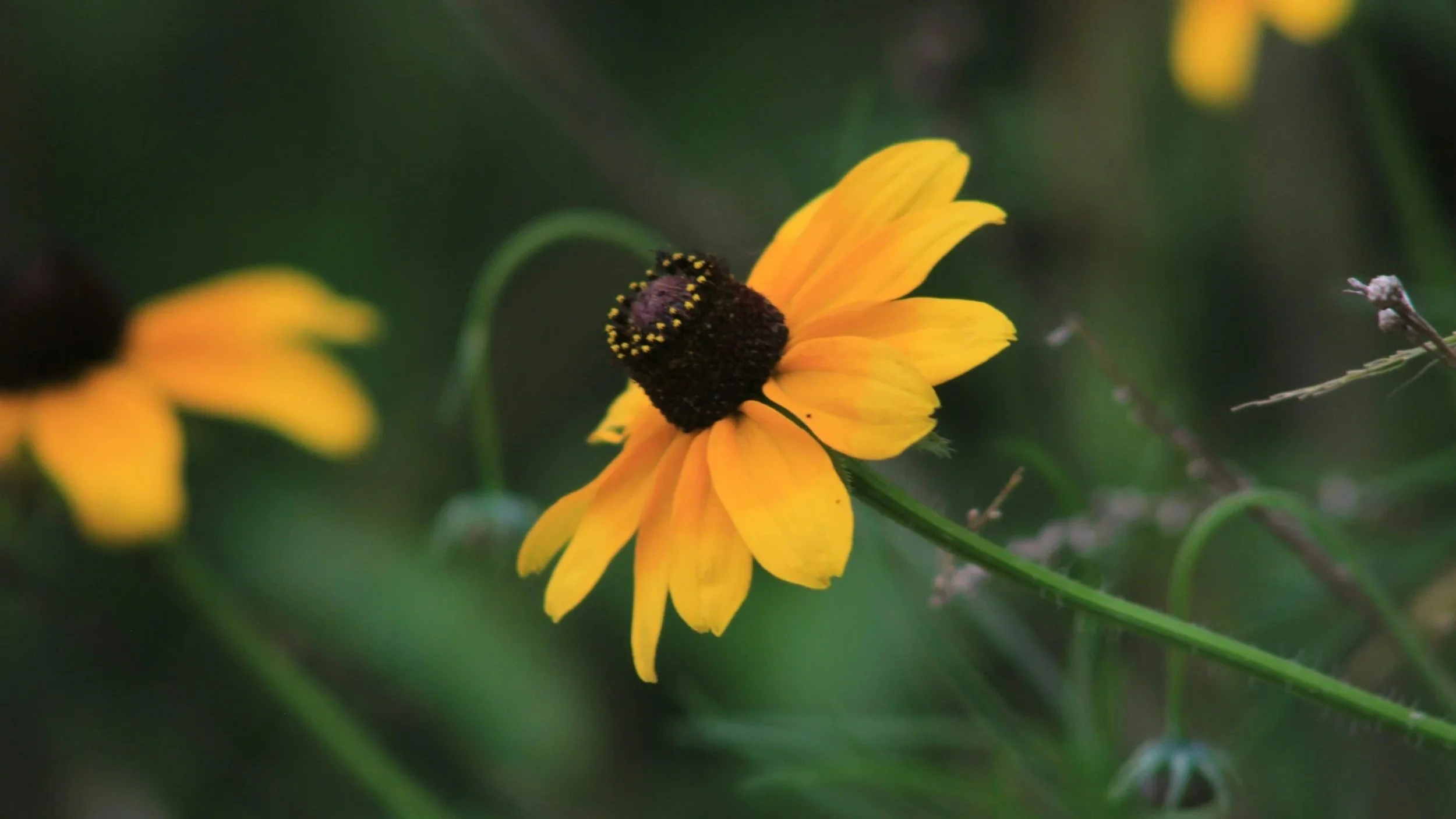
Butterflies love Back-Eyed Susans’ bright yellow petals, and we love the contrast between the golden petals and the flowers’ dark brown or black centers. Plus, this flower is native to South Carolina, so it naturally holds up to South Carolina’s summer humidity without developing disease issues. Black-Eyed Susans also tolerate heavy clay soils better than most perennials.
Plant Black-Eyed Susans in beds or as border flowers. You can also use them to fill in any holes in your garden.
How to Care for Black-Eyed Susan
Black-Eyed Susans prefer well-draining soil and full sun. Although they can tolerate partial shade, they produce the most flowers when they have full sun, which means that they need 6 to 8 hours of sun each day.
Deadhead blooms to prolong the flowering season, which is from mid-summer into October for upstate South Carolina gardens.
Coreopsis
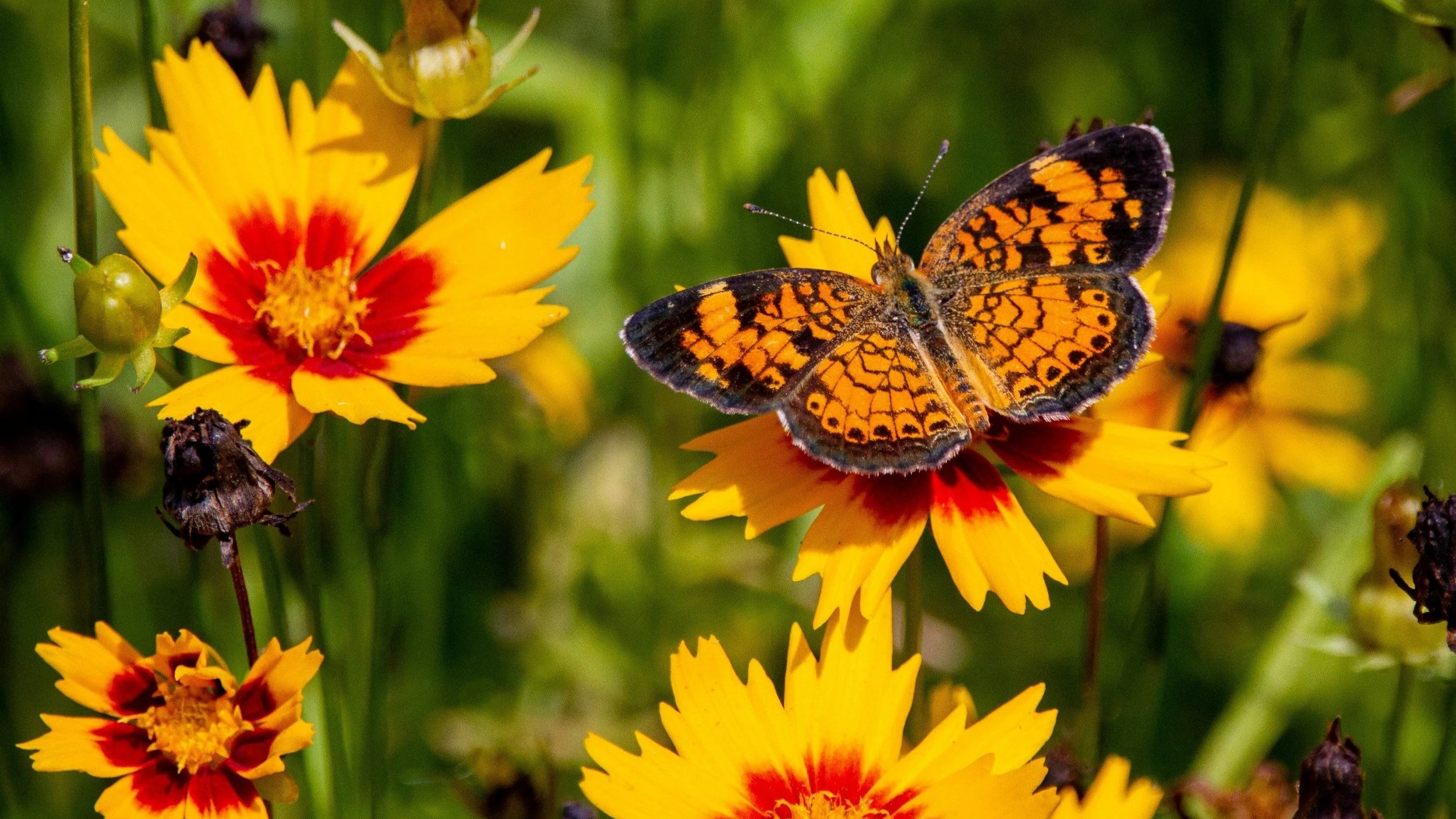
Coreopsis, commonly known as tickseed, is a compact perennial plant that is native to South Carolina. It delivers an abundance of flowers with star-shaped petals that butterflies love. Butterflies also like that these flowers function as easy landing pads for them and have lots of sweet nectar for them to drink.
Coreopsis flowers come in pink, red, orange, and yellow. There are solid color and bicolor varieties of coreopsis as well.
Plant coreopsis in flower beds or as border flowers in front of shrubs. Or, try planting coreopsis in mass plantings as ground cover plants to create a truly stunning display of flowers. Threadleaf Coreopsis is particularly useful for large areas since it slowly spreads through rhizomes. Since coreopsis is a heat-tolerant flower, consider planting these flowers in spots in your garden that may be missing color during the hottest parts of the summer.
How to Care for Coreopsis
Coreopsis prefers full sun and thrives in poor, sandy, or rocky soils as long as the soil is well-draining. Avoid over-fertilizing or overwatering since moisture can cause the plant to become floppy.
Cut the foliage back by half after the initial summer bloom wave to encourage more blooms all the way into fall. If you want further guidance on the best way to encourage more blooms, then give our Seneca garden center a call (864-882-3363) or stop by.
Visit Head-Lee Nursery for the Best Plants for Butterflies

Make your garden a pollinator paradise filled with butterflies! At Head-Lee Nursery in upstate South Carolina, we have the healthiest butterfly-friendly plants. We also can guide you on what plants support other local pollinators and what products are safe for pollinators. Our knowledgeable and friendly staff can’t wait to help you!